Loading subject page…


2,794 views


Video Summary: The Global Marketing Mix Iii Place Explained
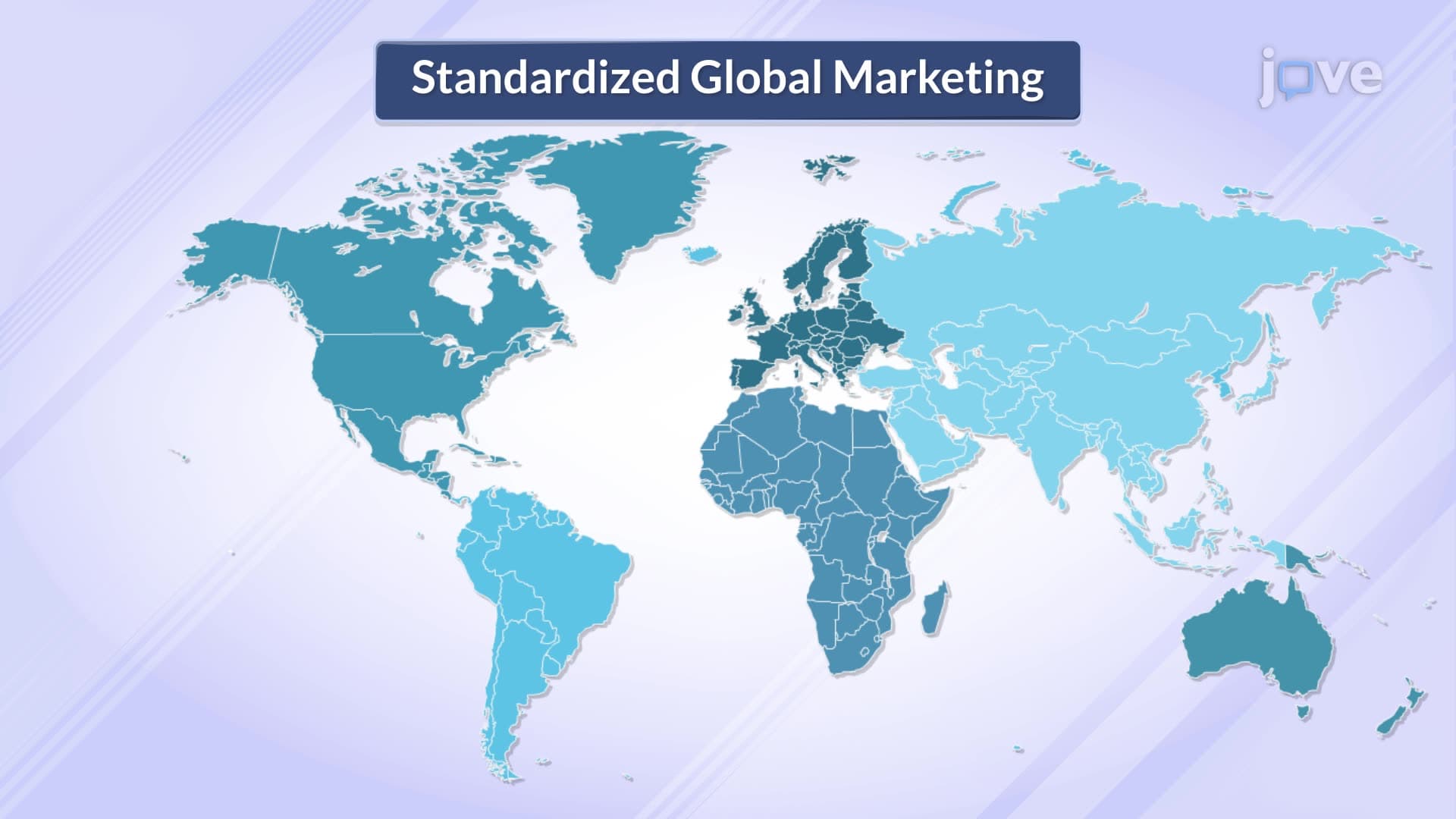
When Walmart expanded globally, their distribution strategy determined success or failure in each market. The global marketing mix III place marketing explained reveals how multinational companies create value delivery systems that span continents while adapting to local market conditions. Understanding what is the global marketing mix III place becomes critical when your distribution decisions directly impact revenue streams, market penetration, and competitive positioning. Watch the full video on JoVE Coach to master this concept with expert-led visuals and step-by-step explanations.
Consider Nike's challenge: manufacturing shoes in Vietnam while delivering them to consumers in Chicago, Lagos, and São Paulo. This scenario exemplifies why mastering the global marketing mix III place becomes essential for any executive managing international operations or expansion strategies.
The foundation of international place strategy lies in constructing robust value delivery systems that bridge production and consumption across continents. These networks require two critical components: cross-border logistics infrastructure and in-country distribution capabilities. Amazon's success demonstrates this dual approach-their global fulfillment centers handle international product movement, while local delivery networks ensure last-mile customer satisfaction.
Smart executives recognize that distribution decisions directly impact P&L performance. When Starbucks entered the Chinese market, they partnered with local distributors who understood regional consumer behavior and regulatory requirements, accelerating market penetration while minimizing operational risk.
E-commerce platforms fundamentally reshape global place strategies by eliminating traditional geographical constraints. Netflix transformed entertainment distribution by bypassing physical retail networks entirely, creating direct consumer relationships that span time zones and borders. This digital-first approach enables real-time market responsiveness and reduces distribution costs.
Distribution channel decisions require systematic evaluation of market conditions, competitive landscape, and internal capabilities. Luxury brands like Tiffany & Co. maintain strict channel control to preserve brand exclusivity-they avoid discount retailers and carefully select authorized dealers who align with their premium positioning.
The choice between direct and indirect selling channels depends on several factors: local market knowledge requirements, regulatory complexity, capital investment capacity, and desired market control level. Apple's retail strategy illustrates this balance-they operate flagship stores in major markets for brand control while partnering with authorized resellers in secondary markets for broader coverage.
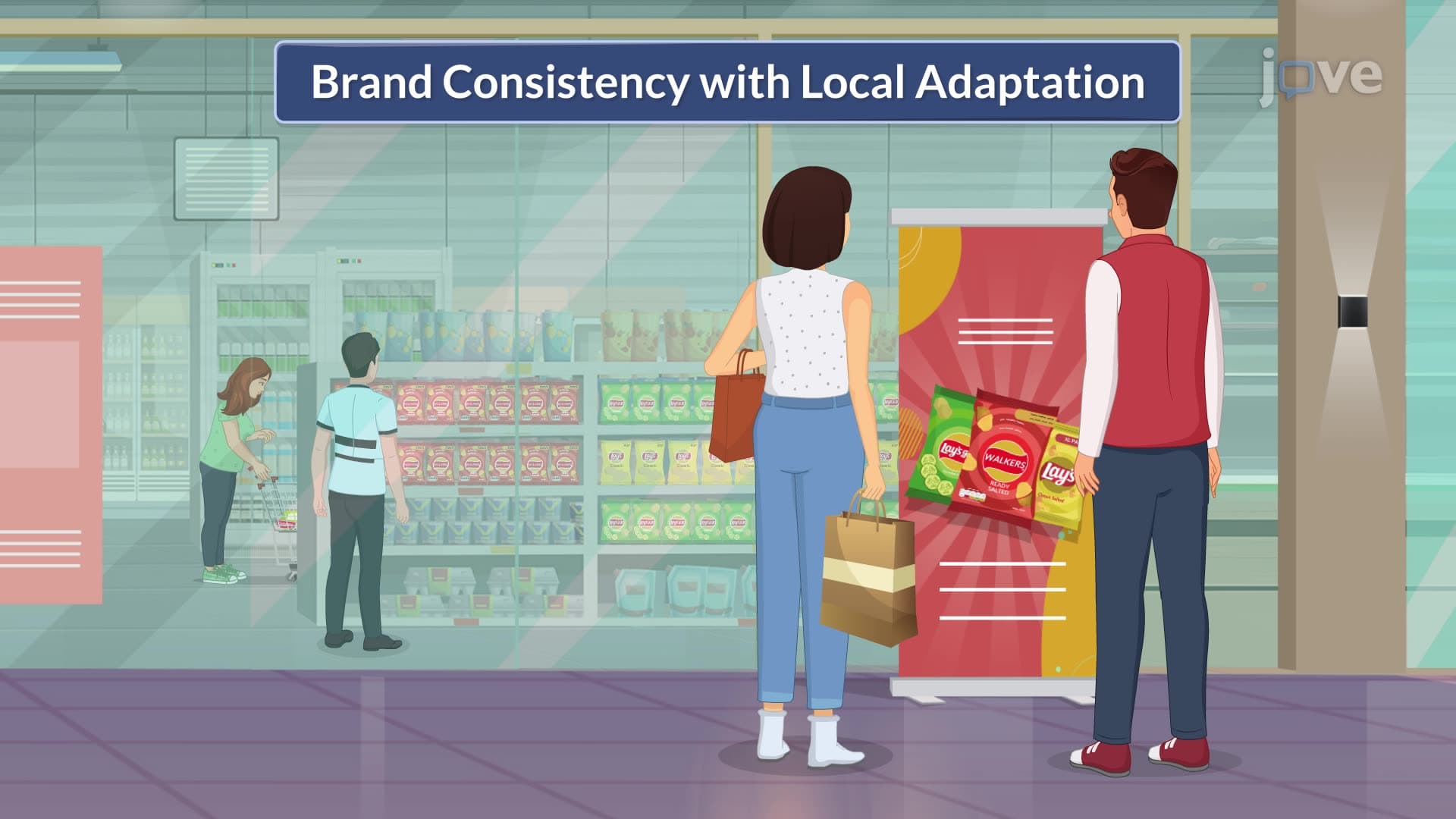
Cultural considerations significantly impact distribution effectiveness. Coca-Cola's vending machine strategy works exceptionally well in Japan but requires adaptation in markets where street-level retail relationships dominate consumer purchasing patterns.
Related Micro-courses