Loading subject page…


2,794 views


Video Summary: The Global Marketing Mix Iv Promotion Explained
Global marketing executives face a critical challenge: how to balance standardized messaging with local market preferences across diverse international markets. The global marketing mix iv promotion component determines whether companies like Apple achieve worldwide brand consistency or adapt regionally like Unilever's market-specific campaigns. Understanding The Global Marketing Mix IV Promotion Explained becomes essential for marketing leaders managing multi-million dollar promotional budgets across continents, requiring strategic decisions on media selection, creative direction, and resource allocation based on local consumer behavior and regulatory constraints. Watch the full video on JoVE Coach to master this concept with expert-led visuals and step-by-step explanations.
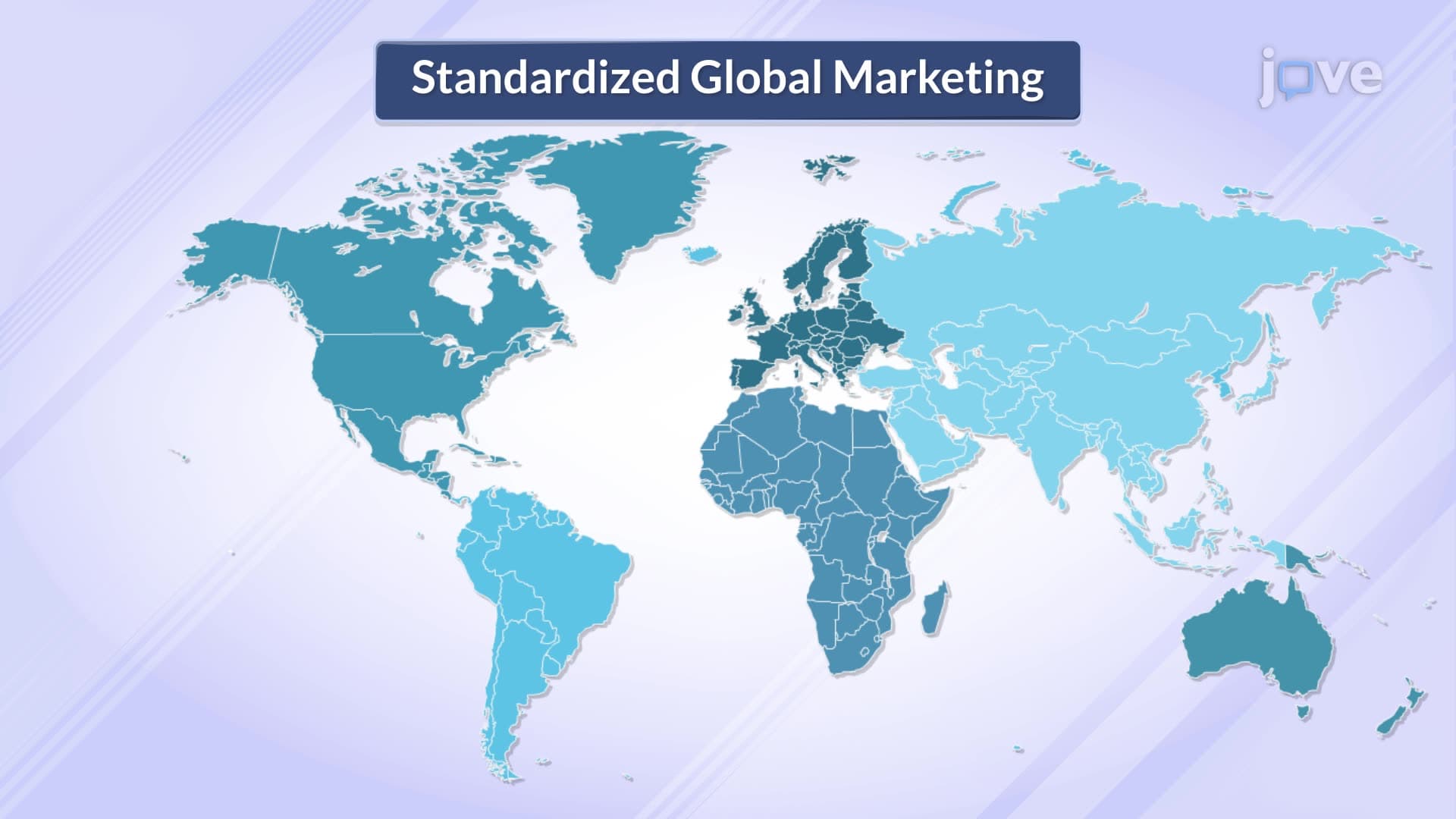
When Coca-Cola's global marketing team decides to launch a new campaign, they face a fundamental strategic choice: deploy a standardized message worldwide or customize for each market. This decision exemplifies the complexity of global promotional strategy, where success hinges on balancing brand consistency with cultural relevance.
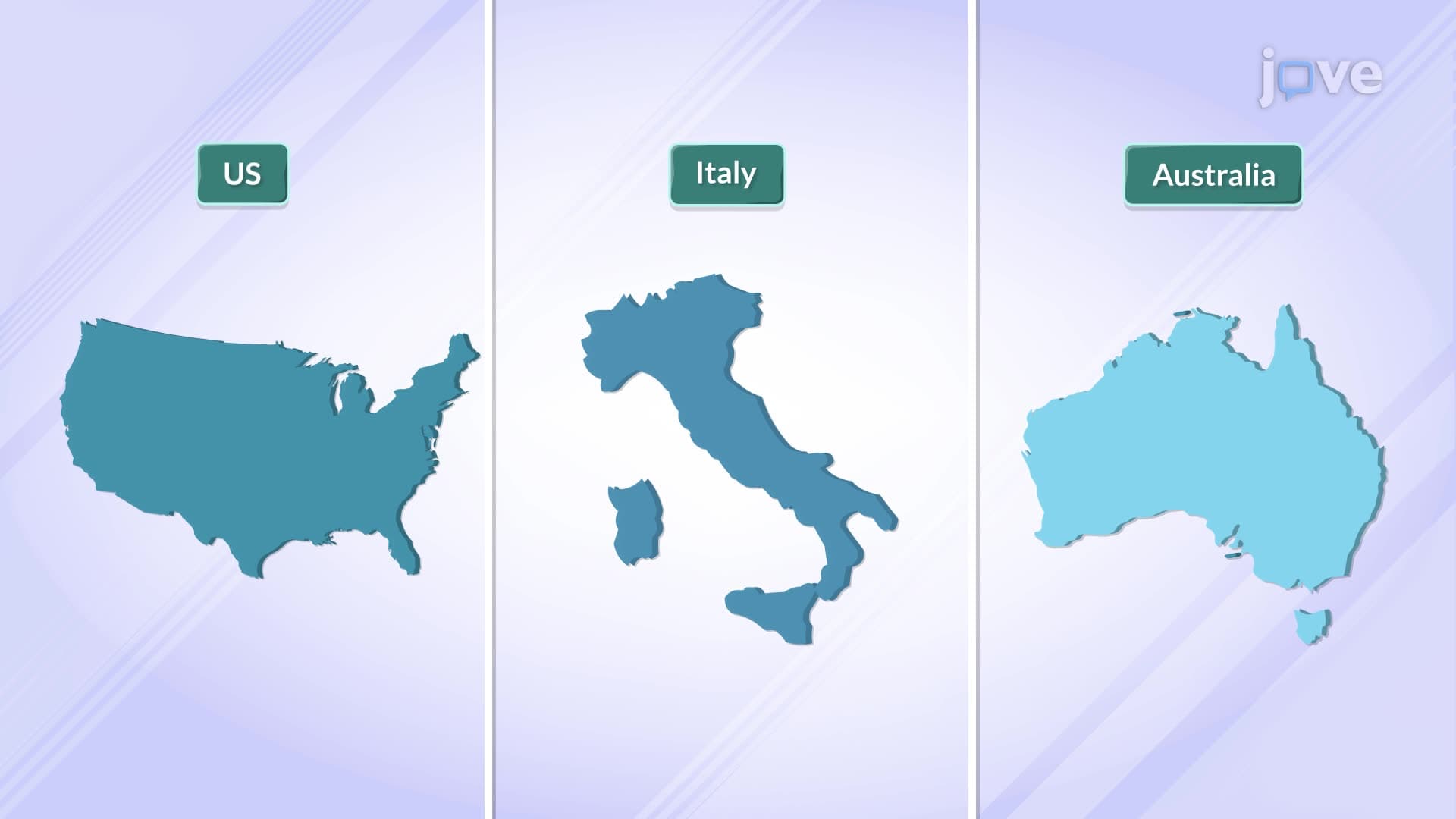
The promotional landscape varies dramatically across international markets, requiring sophisticated media planning. While US consumers gravitate toward Instagram and X for brand engagement, Chinese regulations necessitate different approaches using platforms like WeChat. McDonald's exemplifies this strategic adaptation-their US campaigns leverage TikTok and Instagram for younger demographics, while their Chinese operations focus entirely on WeChat and Weibo for customer engagement. This platform diversity demands marketing leaders understand local digital ecosystems and regulatory frameworks that govern promotional activities.
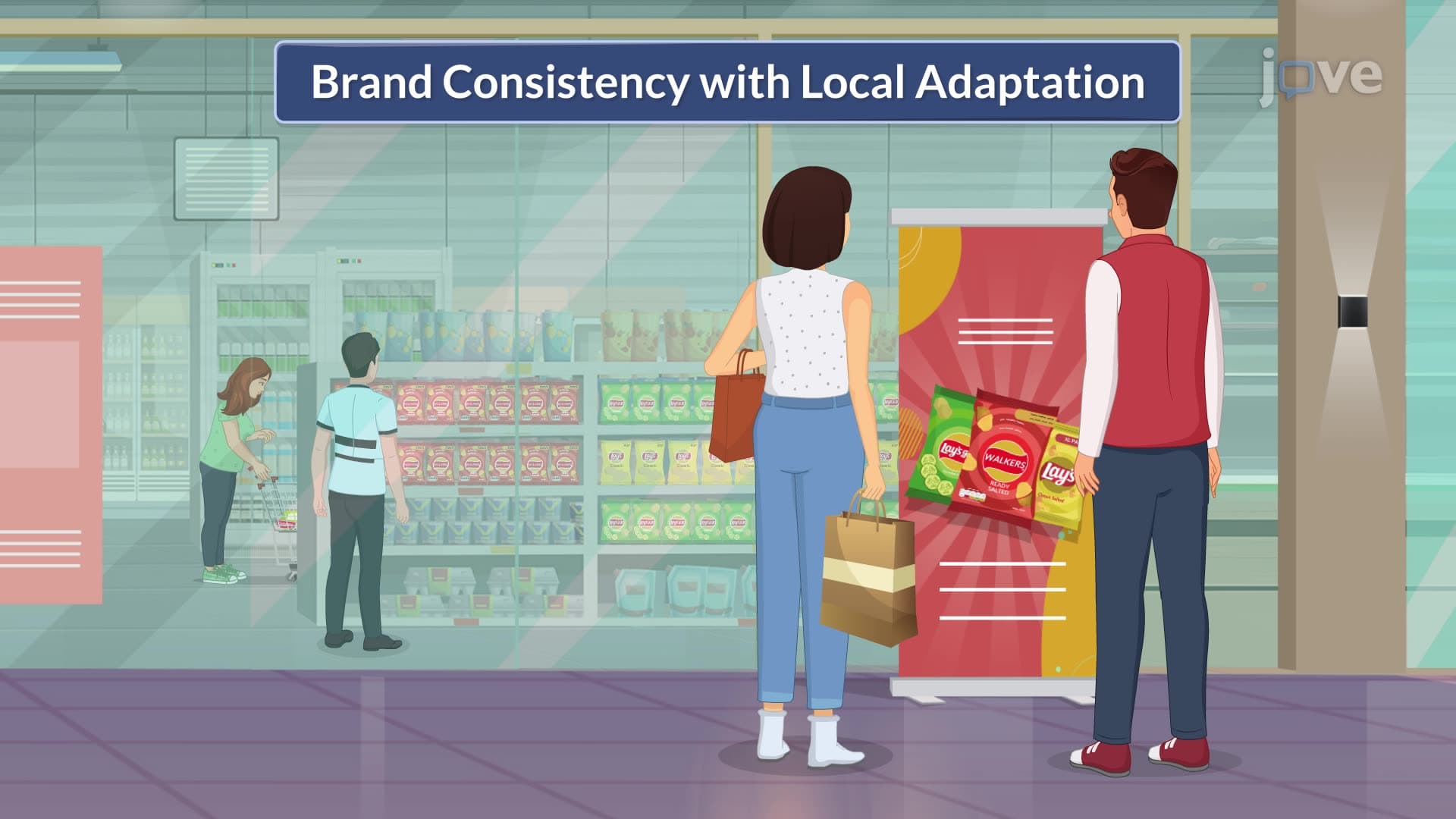
Apple's global advertising strategy demonstrates effective standardization, maintaining consistent visual identity and core messaging while making minimal language adjustments. This approach delivers significant cost efficiencies and brand coherence across markets. Conversely, Unilever's regional adaptation strategy for oral hygiene products reflects deep cultural sensitivity-their promotional messaging varies significantly between markets based on local hygiene practices and cultural norms. The strategic choice between these approaches depends on product category, brand positioning, and market maturity levels.
Successful global promotion requires understanding cultural nuances that impact consumer behavior. Coca-Cola's Chinese New Year bottle customization campaign generated exceptional ROI by aligning promotional timing with cultural significance. This strategy extends beyond timing to include partnership selection-beauty brands like Estée Lauder collaborate with regional influencers who understand cultural communication styles and consumer preferences. These partnerships provide invaluable market insights while enhancing promotional authenticity and consumer trust.
Global promotional budgeting demands sophisticated financial modeling that considers market potential, adaptation costs, and competitive dynamics. Companies typically allocate larger promotional budgets to markets with higher growth potential and stronger competitive positioning. Starbucks, for example, invests heavily in promotional activities in emerging markets like India while maintaining consistent but lower-intensity campaigns in mature markets like the US, optimizing overall portfolio ROI through strategic resource allocation.
Related Micro-courses