Loading subject page…


4,803 views


Video Summary: Angular Momentum and Principle Axes Explained
Why do figure skaters spin faster when they pull their arms in? Angular momentum and principle axes govern this phenomenon in everything from NASA's spacecraft stabilization systems to the gyroscopes in smartphones. Understanding how angular momentum components become independent along principal axes revolutionizes engineering calculations for rotating machinery across American manufacturing. Angular Momentum And Principle Axes Explained breaks down complex rotational dynamics into manageable mathematical frameworks. Watch the full video on JoVE Coach to master this concept with expert-led visuals and step-by-step explanations.
Angular momentum represents one of physics' most powerful conservation principles, particularly when analyzing rotating rigid bodies in three-dimensional space. Unlike simple point-mass rotation, rigid bodies possess complex mass distributions that create coupling between rotational motions about different axes. This complexity disappears when we strategically choose our coordinate system to align with the body's principal axes.
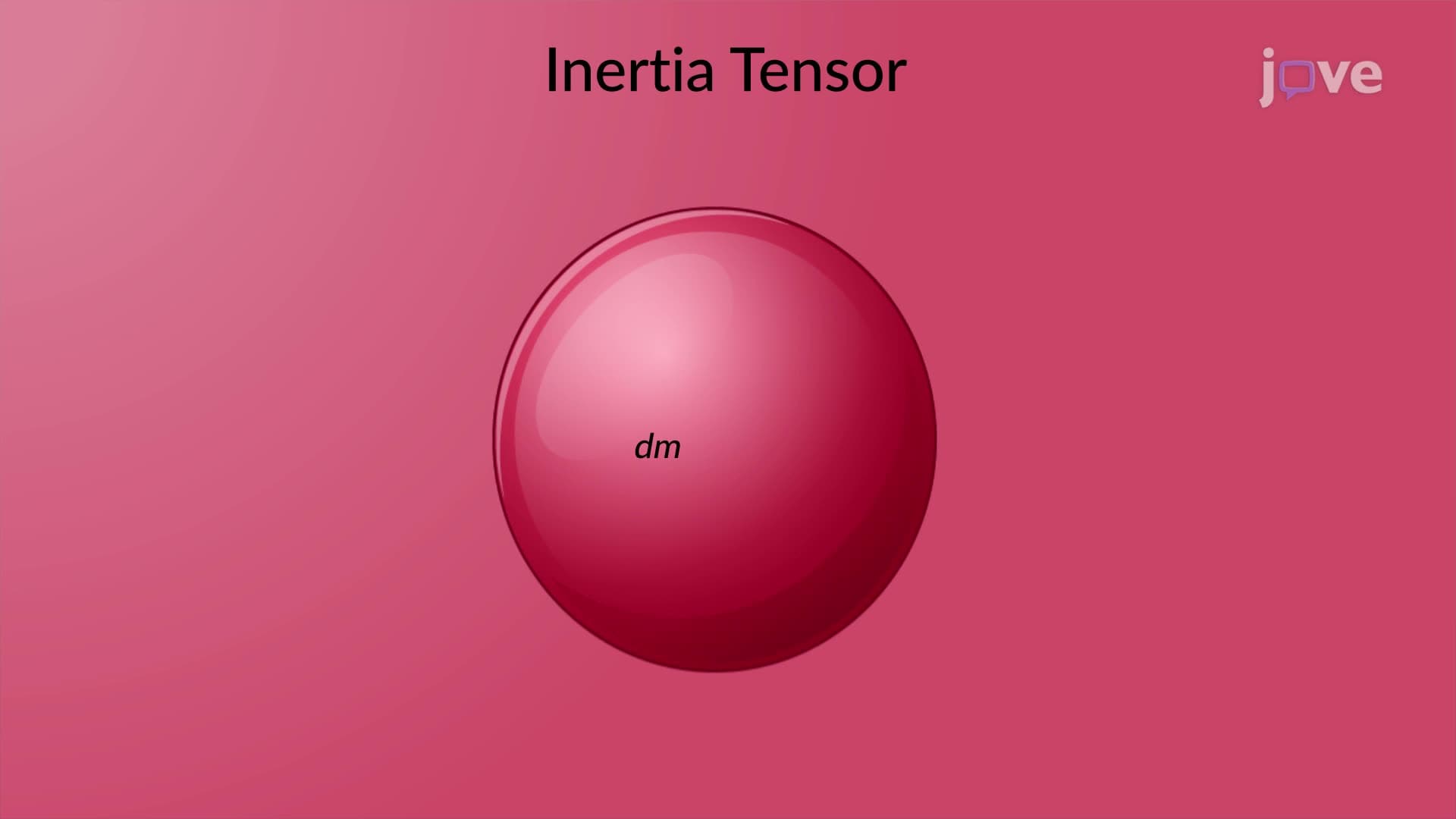
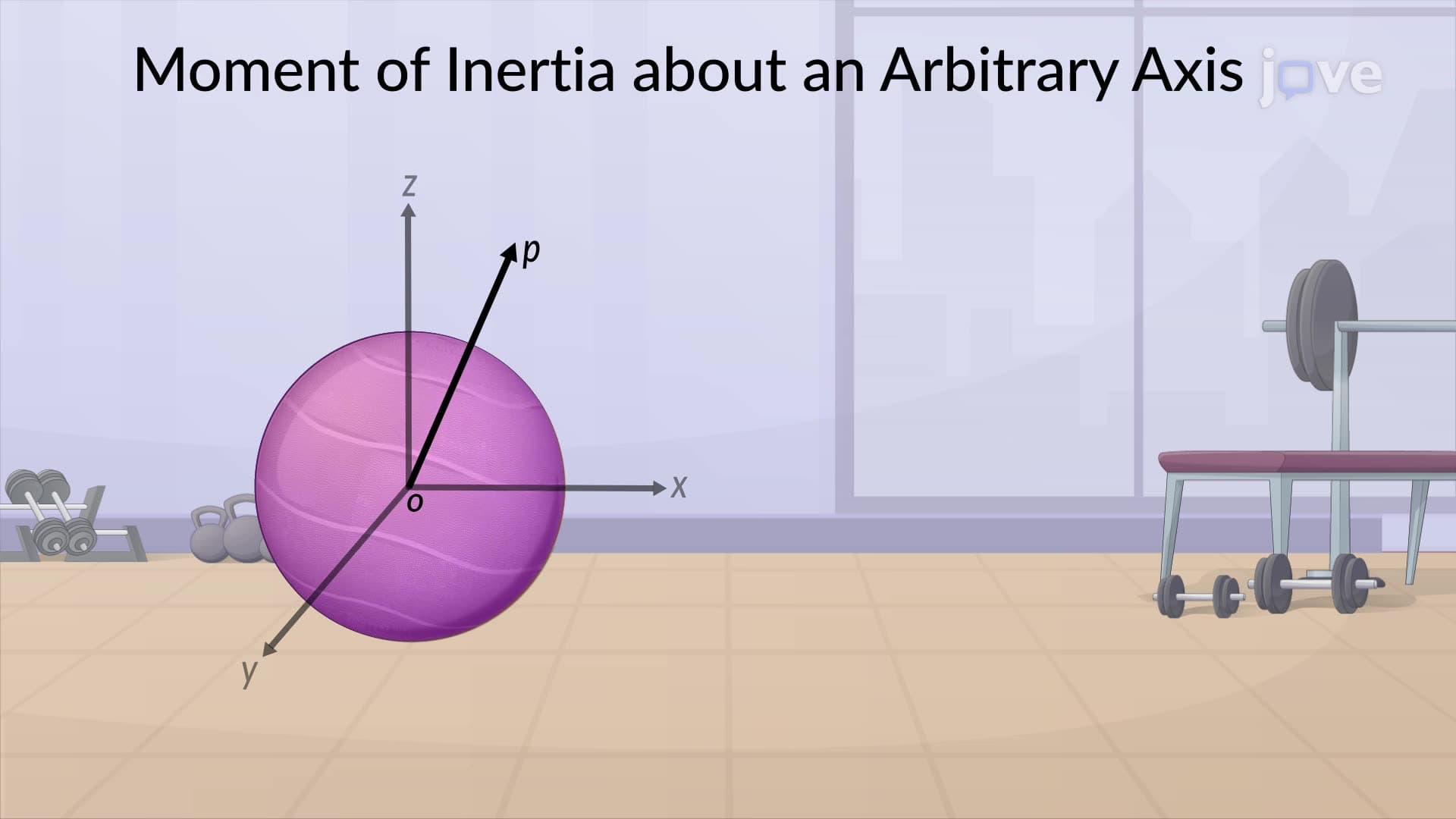
The mathematical foundation begins with the general expression for angular momentum as an integral over the entire body's mass distribution. Each infinitesimal mass element contributes through its position vector crossed with its velocity vector. When expanded in rectangular coordinates, this creates nine different inertia terms - six products of inertia that couple motions between axes, plus three principal moments of inertia.
Principal axes represent special coordinate directions where the product of inertia terms vanish completely. Think of these as the "natural" rotation axes for any given body - directions where rotation occurs without inducing unwanted wobbling or coupling to other rotational modes. For a rectangular block, principal axes align with its geometric centerlines. For more complex shapes, mathematical analysis reveals these special directions.
This transformation proves crucial in American aerospace applications. NASA engineers designing spacecraft attitude control systems rely heavily on principal axis analysis. The International Space Station's gyroscopes operate along principal axes to minimize power consumption and maximize control precision. Similarly, automotive engineers analyzing vehicle dynamics during cornering maneuvers use principal axis methods to predict handling characteristics.
Manufacturing industries across the United States apply these principles daily. Rotating machinery design - from gas turbines in power plants to precision machining centers - requires careful principal axis analysis to prevent destructive vibrations. Boeing's aircraft engine designers use principal moment calculations to balance rotating components, ensuring passenger safety and fuel efficiency.
Students preparing for AP Physics C: Mechanics or college-level dynamics courses encounter these concepts in contexts ranging from molecular rotation in chemistry to biomechanical analysis of athletic performance. The MCAT includes rotational dynamics problems where principal axis understanding distinguishes top scorers from average performers.
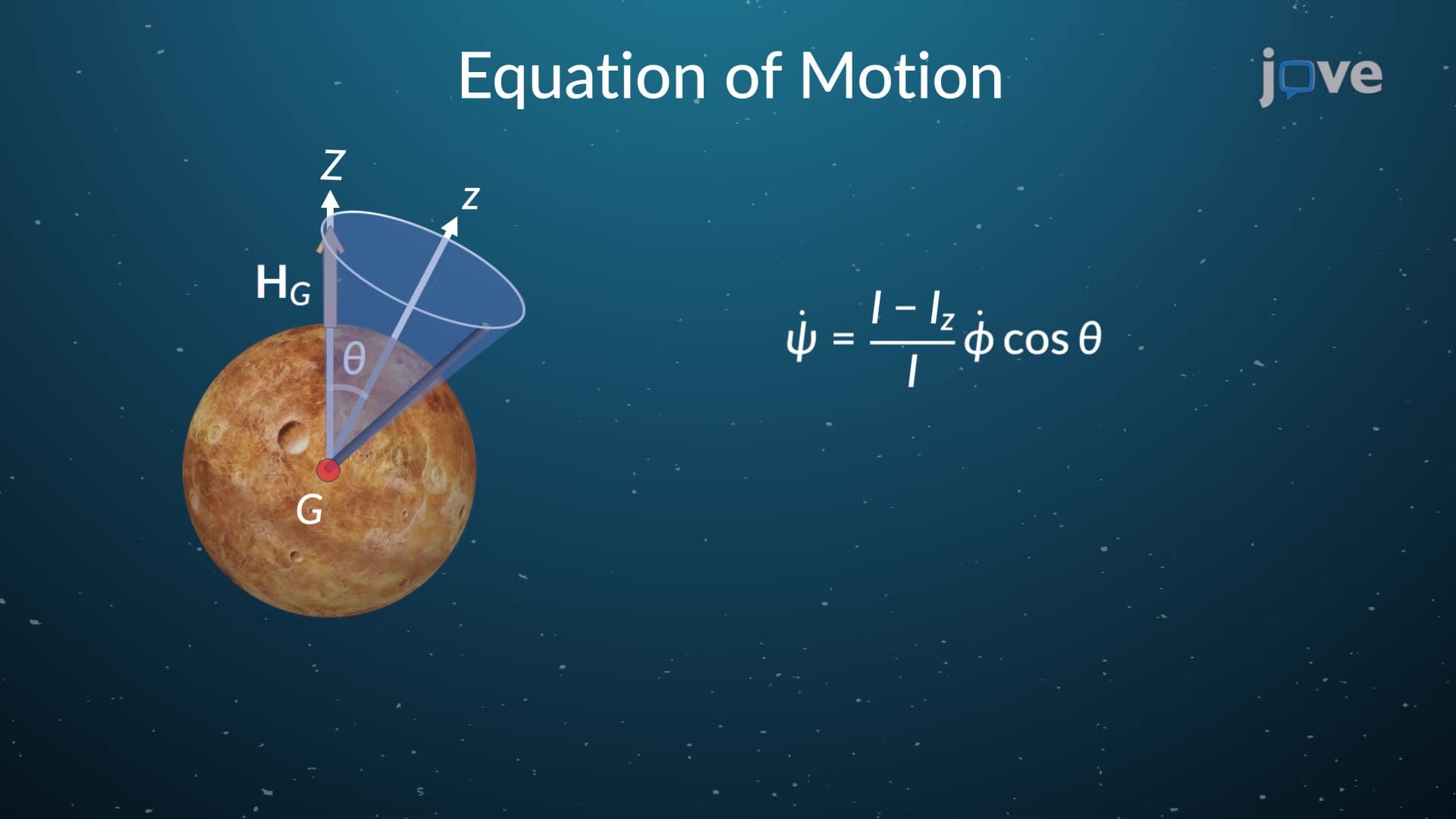
The beauty of principal axes lies in mathematical simplification. Complex coupled differential equations become three independent equations - one for each principal direction. Angular momentum components along principal axes depend only on their respective angular velocity components and principal moments of inertia. This independence allows engineers to design control systems for each rotational degree of freedom separately, dramatically reducing system complexity.
Related Micro-courses