Loading subject page…


4,808 views


Video Summary: Principle of Impulse and Moment Explained
When a baseball pitcher throws a fastball or a figure skater pulls in their arms during a spin, the principle of impulse and moment governs these dramatic changes in motion. This fundamental physics concept explains how forces applied over time create changes in both linear and rotational motion of rigid bodies. Consider how NASA engineers calculate spacecraft trajectory corrections using these exact principles during missions to Mars. The Principle of Impulse And Moment Explained demonstrates the mathematical relationship between impulse, momentum, and angular momentum in planar motion systems. Watch the full video on JoVE Coach to master this concept with expert-led visuals and step-by-step explanations.
The principle of impulse and moment serves as a cornerstone in mechanics, bridging the gap between force application and motion changes in rigid body dynamics. Unlike simple particle motion, rigid bodies exhibit both translational movement (like a sliding hockey puck) and rotational movement (like a spinning figure skater), requiring sophisticated analysis tools that this principle provides.
Linear impulse emerges directly from Newton's second law through mathematical integration. When we multiply F = ma by a time interval dt and integrate over specific time limits, we obtain the impulse-momentum theorem: J = Δp. This relationship proves invaluable in collision analysis, such as calculating the forces experienced during automotive crash tests conducted by the National Highway Traffic Safety Administration (NHTSA).
The three-component rectangular representation (Jx, Jy, Jz) allows engineers to analyze complex motions systematically. For AP Physics students, this component breakdown simplifies problems involving projectile motion with spin, such as analyzing a quarterback's spiral pass during NFL games.
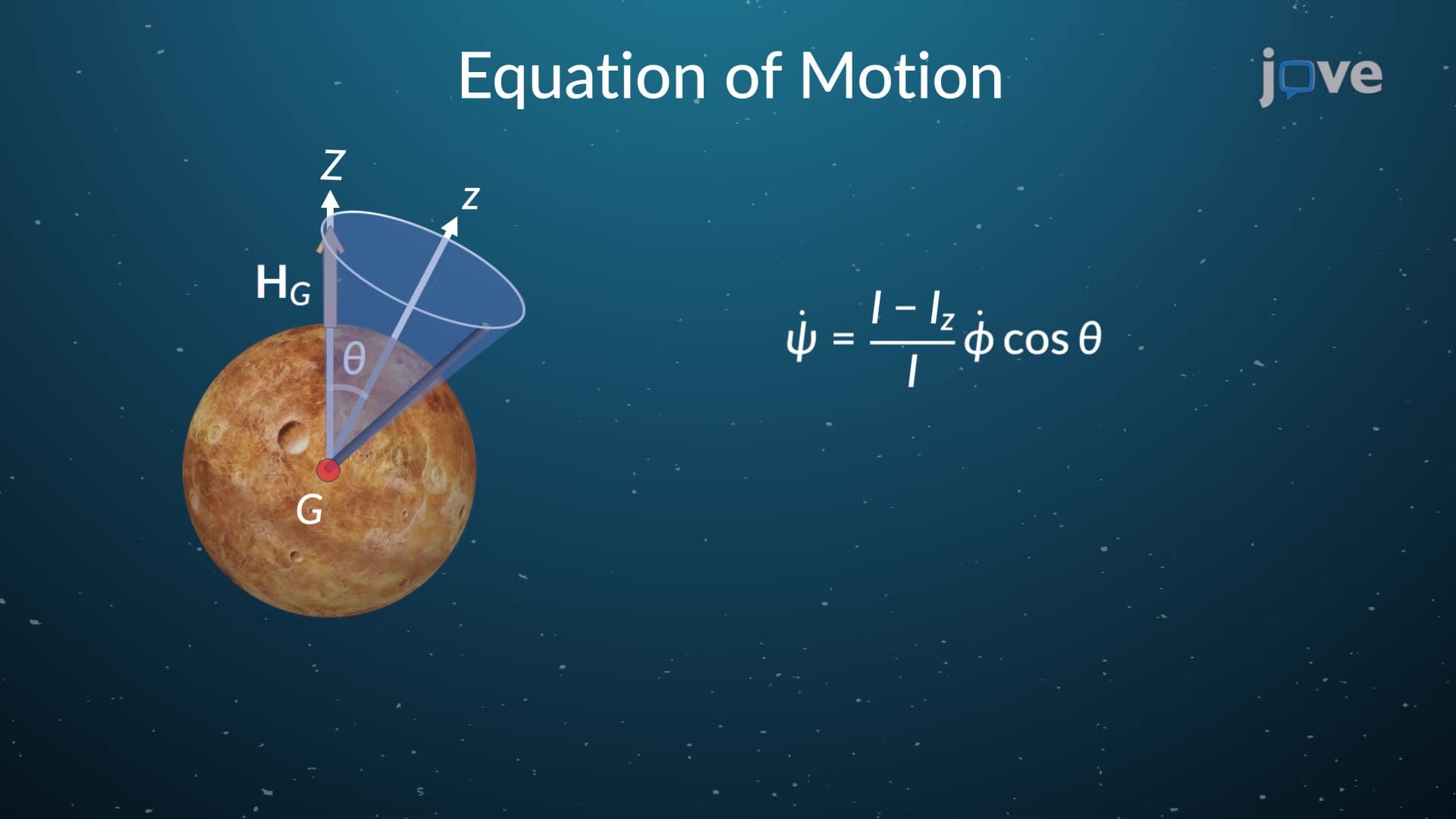
Rotational impulse extends the linear concept to spinning motion through the equation M = d(Iω)/dt, where M represents applied moment, I is moment of inertia, and ω is angular velocity. When moment of inertia remains constant (typical for rigid bodies), integration yields the rotational impulse-momentum relationship.
This principle explains phenomena from everyday life to advanced engineering. Consider how Olympic divers control their rotation rates by changing body position-extending limbs increases moment of inertia and decreases angular velocity, while tucking decreases I and increases ω, maintaining constant angular momentum.
The principle of impulse and moment appears frequently in standardized assessments. MCAT Physics sections often test understanding through biomechanics problems, such as analyzing joint forces during athletic movements. College-level dynamics courses utilize these concepts extensively in mechanical engineering applications, from designing robotic arms to analyzing satellite attitude control systems used by companies like SpaceX.
Understanding this principle prepares students for advanced coursework in aerospace engineering, where spacecraft attitude control relies heavily on impulse and moment calculations for mission-critical maneuvers.
Related Micro-courses