Loading subject page…


13,586 views


Video Summary: Units and Standards of Measurement Explained
Did you know that NASA's $125 million Mars Climate Orbiter crashed because engineers mixed up metric and imperial units? Units and standards of measurement form the critical foundation that prevents such costly disasters in science and engineering. From NASA's precise spacecraft calculations to a simple recipe conversion in your kitchen, standardized measurement systems like the International System of Units (SI) ensure accuracy and universal communication across all scientific disciplines. Watch the full video on JoVE Coach to master this concept with expert-led visuals and step-by-step explanations.
The foundation of all scientific inquiry rests on our ability to measure and quantify the world around us. Units provide the standardized language that allows a physicist at MIT to communicate findings with an engineer at Caltech, ensuring that "one meter" means exactly the same thing regardless of location or context.
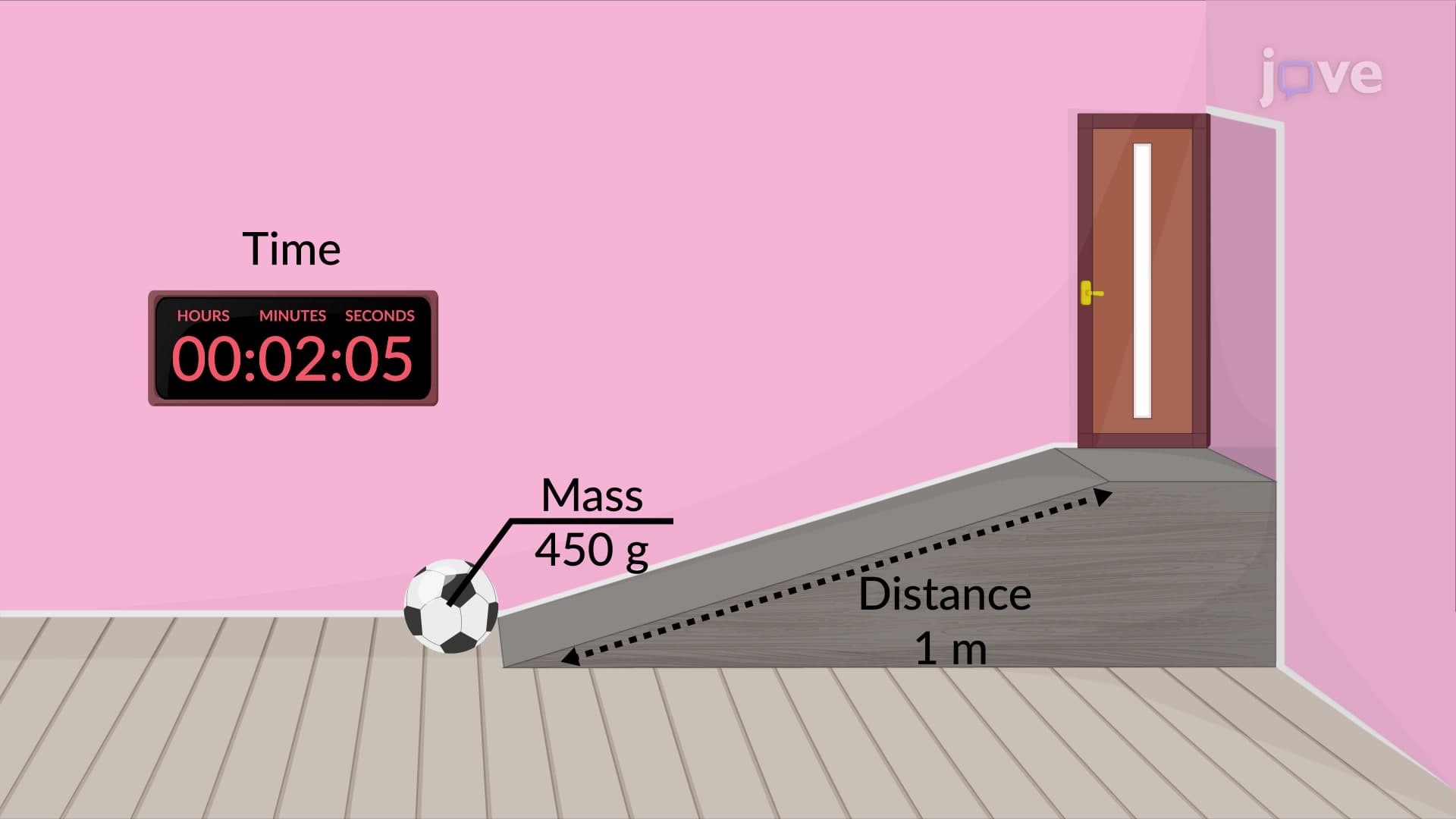
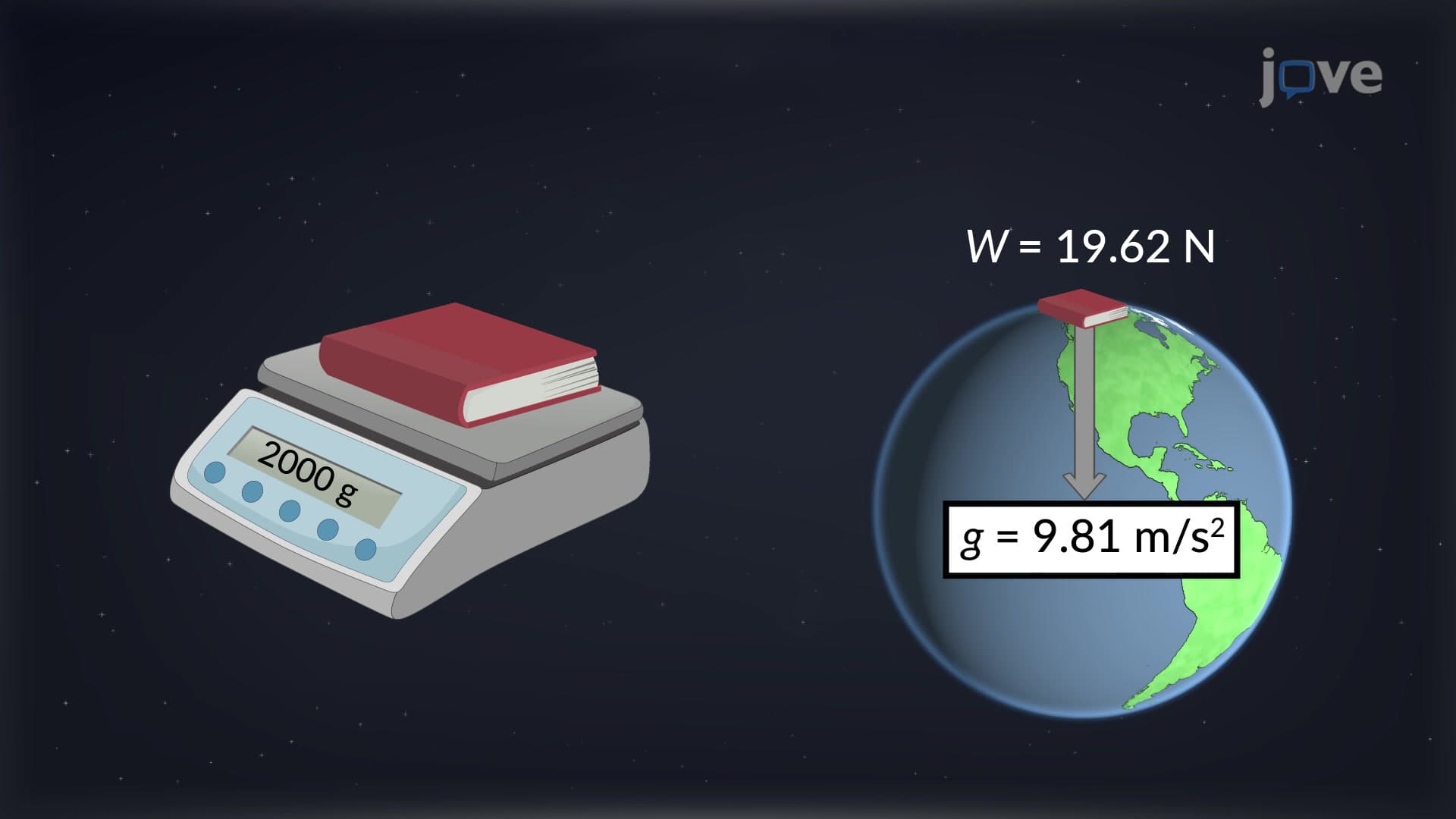
While the United States primarily uses imperial units in daily life, American scientists, engineers, and students rely heavily on the metric-based SI system. This system defines seven fundamental base units: the meter for length, kilogram for mass, second for time, ampere for electric current, kelvin for temperature, mole for substance amount, and candela for luminous intensity. These base units combine to form derived units like the newton (force) and joule (energy), creating a comprehensive measurement framework.
Students preparing for AP Physics, SAT Subject Tests, or college-level STEM courses must master unit conversions between systems. For instance, converting 65 mph to meters per second (approximately 29.1 m/s) is essential for physics problem-solving and appears frequently on standardized exams.
The evolution from ancient measurement systems-where a "foot" literally represented the length of a human foot-to today's precise standards demonstrates humanity's quest for accuracy. The current meter definition, based on the distance light travels in a vacuum during a specific fraction of a second, exemplifies the precision required in modern science.
Dimensional analysis serves as a powerful verification method, particularly valuable for students tackling complex physics or chemistry problems. By tracking units throughout calculations, students can identify errors before arriving at incorrect answers-a technique that proves invaluable on timed exams like the MCAT or AP tests.
Consider a typical mechanics problem: when calculating kinetic energy (KE = 1/2 × m × v²), dimensional analysis confirms that mass (kg) times velocity squared (m²/s²) yields the correct energy units (kg⋅m²/s² = joules). This systematic approach prevents the unit-related mistakes that commonly appear on college physics midterms and final examinations.
Related Micro-courses