Loading subject page…


13,586 views

Video Summary: What Is Mass and Weight
Have you ever wondered why astronauts bounce around the Moon despite wearing heavy spacesuits? The answer lies in understanding mass and weight, two fundamental physics concepts that are often confused but critically different. While your mass stays constant whether you're in Times Square or on Mars, your weight changes dramatically based on gravitational pull. NASA engineers must account for these differences when designing spacecraft that operate across different celestial bodies. Watch the full video on JoVE Coach to master this concept with expert-led visuals and step-by-step explanations.
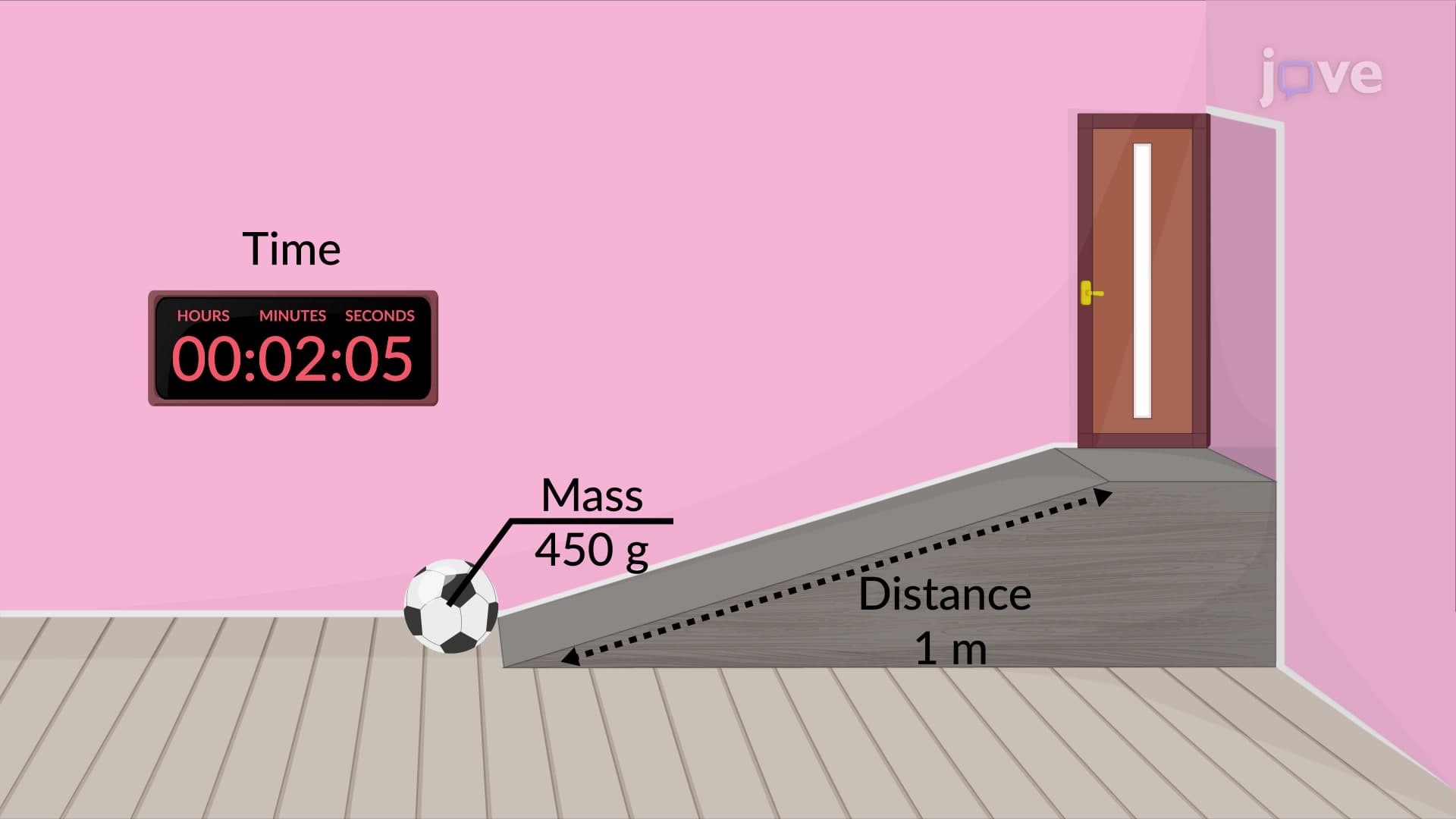
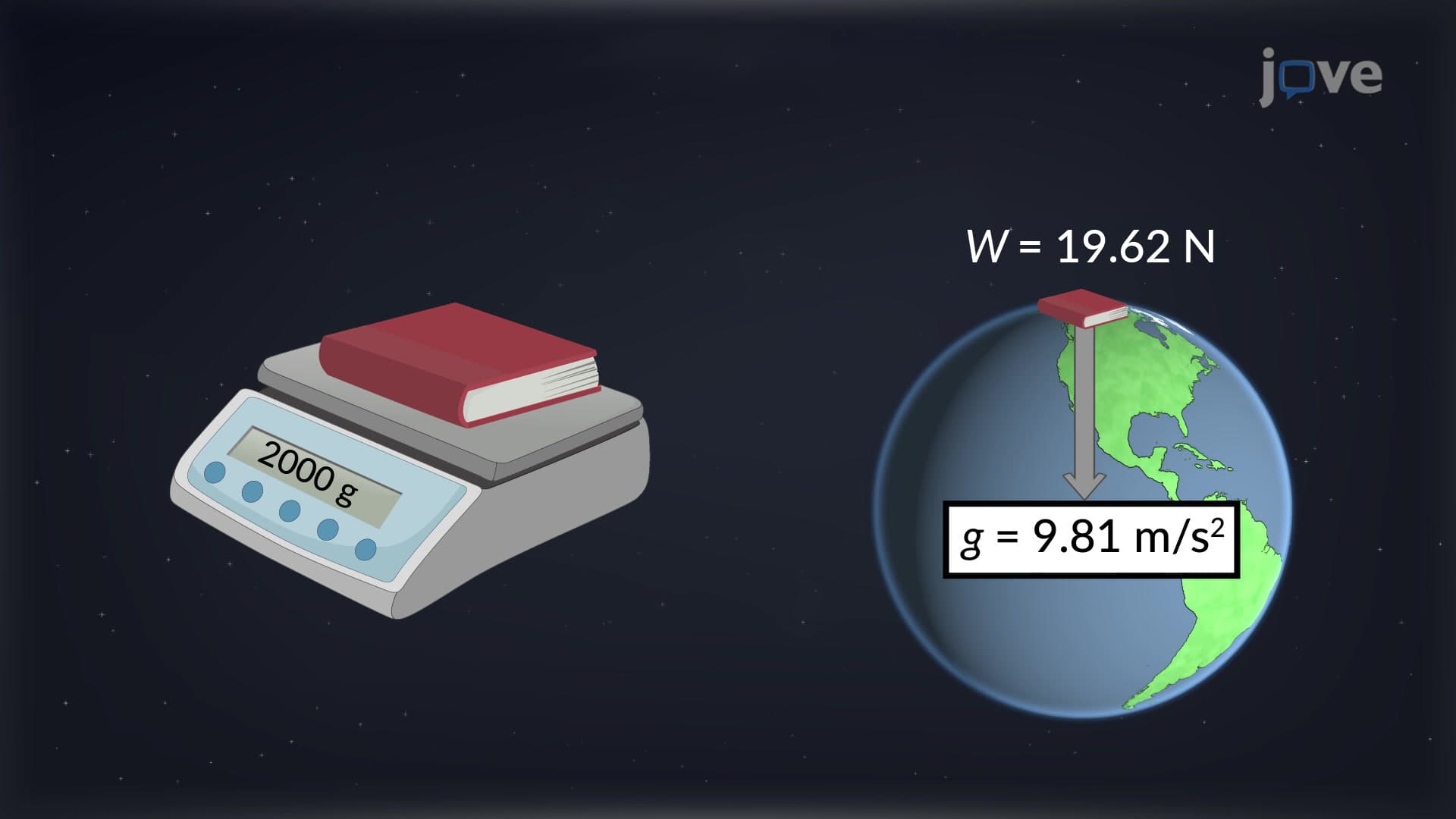
Mass and weight represent two of the most fundamental yet frequently confused concepts in physics. Mass measures the amount of matter contained within an object and serves as an intrinsic property that never changes regardless of location. Think of mass as the "stuff" that makes up an object, whether you're holding a textbook in your classroom or that same textbook travels to the International Space Station, its mass remains identical.
Weight, conversely, represents the gravitational force acting upon that mass. This force varies dramatically based on local gravitational field strength, making weight a location-dependent quantity. When NASA's Perseverance rover landed on Mars, its mass stayed at 899 kilograms, but its weight decreased to roughly 340 newtons compared to 8,820 newtons on Earth.
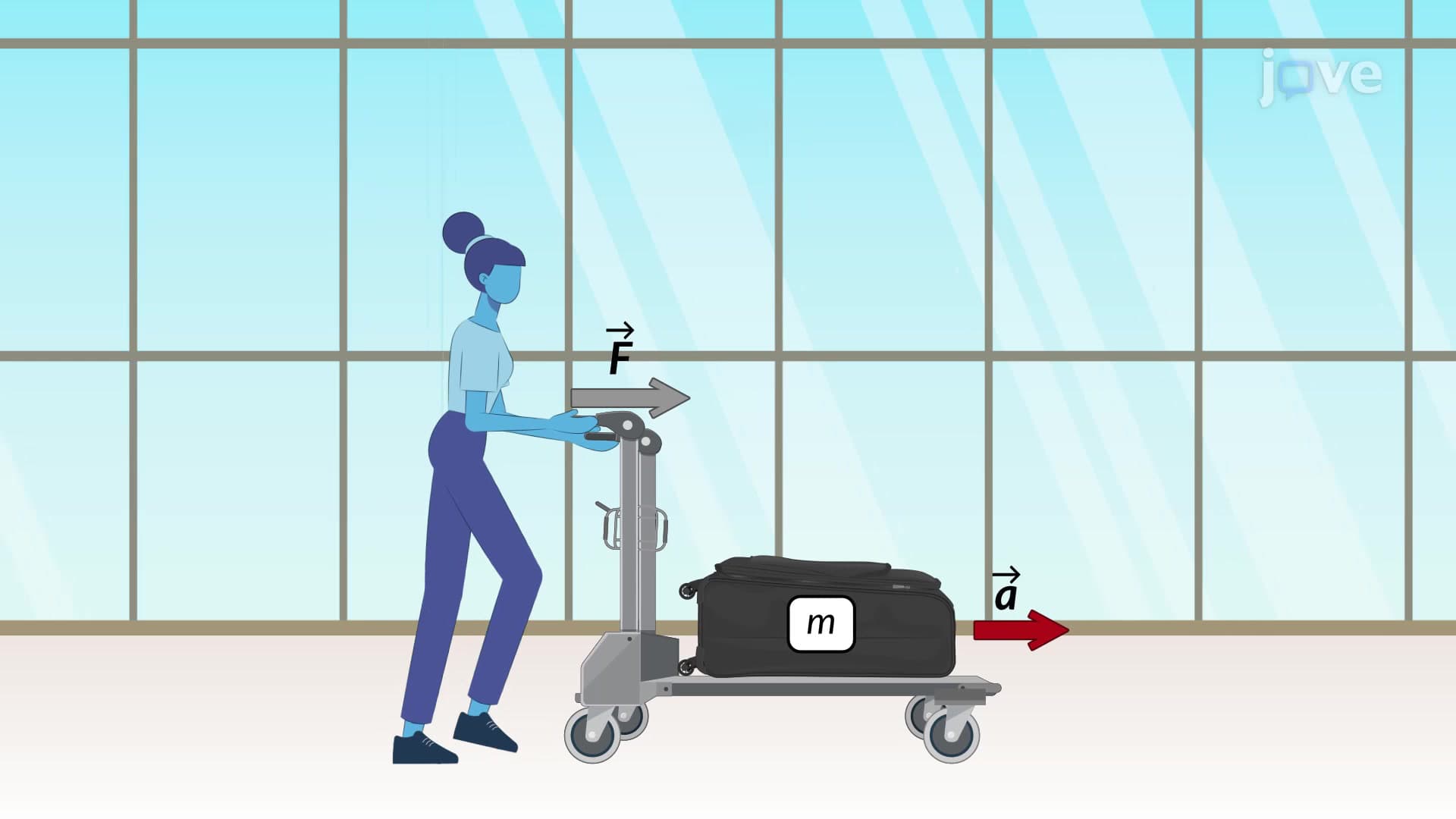
The relationship between these quantities follows the fundamental equation W = mg, where W represents weight (in newtons), m represents mass (in kilograms), and g represents gravitational acceleration (approximately 9.8 m/s² on Earth's surface). This formula appears frequently on AP Physics exams and college-level mechanics courses, making it essential for academic success.
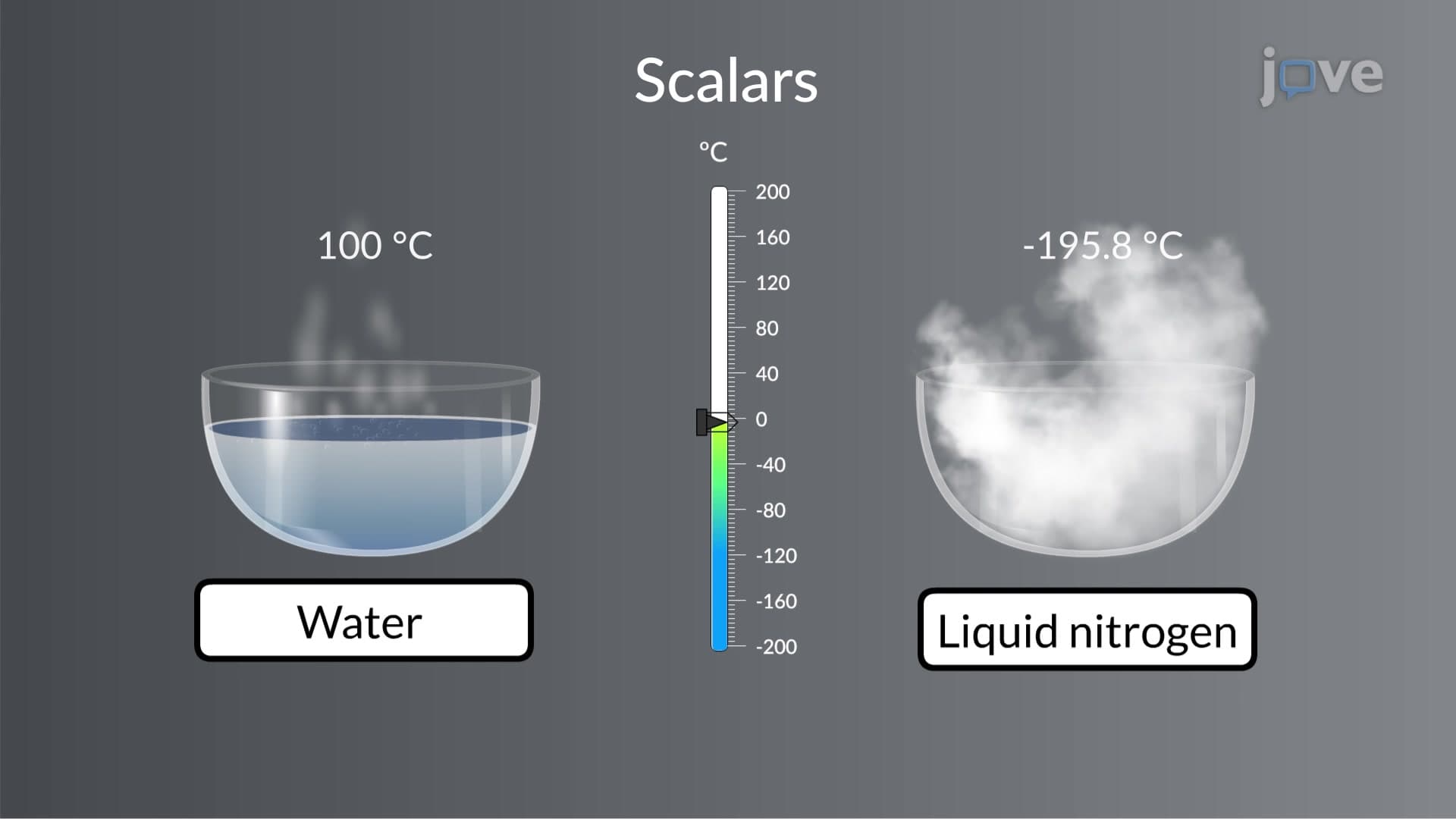
Mass functions as a scalar quantity, possessing magnitude but no directional component. Weight operates as a vector quantity, always pointing toward the gravitational source's center. This distinction becomes crucial when analyzing forces in engineering applications, such as designing suspension bridges or calculating load distributions in skyscrapers.
Understanding mass versus weight proves critical across multiple professional fields. Mechanical engineers designing automotive components must consider mass for inertia calculations while accounting for weight when analyzing structural loads. Pharmaceutical companies use precision mass balances to ensure accurate drug dosing, while shipping companies calculate weight for determining transportation costs.
Common bathroom scales actually measure weight but display results calibrated to show mass under standard Earth gravity. Laboratory analytical balances, however, measure mass directly through comparison methods, providing consistent readings regardless of minor gravitational variations. This distinction matters significantly in quality control processes across manufacturing industries.
Students preparing for standardized tests like the SAT Physics Subject Test or AP Physics 1 exam encounter mass and weight problems regularly. These concepts also appear in MCAT physics sections and engineering entrance examams. Understanding when to use kilograms versus newtons, and recognizing that weight equals mass times gravitational acceleration, forms the foundation for more advanced topics including orbital mechanics, fluid dynamics, and thermodynamics.
Related Micro-courses