Loading subject page…

- Mechanical Engineering
- Physics Basics
- Introduction to Scalers
Micro-course: Physics Basics
13,586 views
Learn key concepts and earn your certificate.








Introduction to Scalers

00:00
01:21
Video Summary: What Is Scalers
Did you know that when NASA's Mars rover measures the temperature on Mars at -80°F, it's working with scalers? Scalers are physical quantities described completely by magnitude alone, without any direction-unlike vectors that need both size and direction. From the speed reading on your car's dashboard to the temperature displayed on your smartphone weather app, scalers surround us in everyday measurements. Understanding what is scalers forms the foundation for mastering physics and engineering calculations. Watch the full video on JoVE Coach to master this concept with expert-led visuals and step-by-step explanations.
- Understand what is scalers and distinguish them from vector quantities in physics and engineering applications
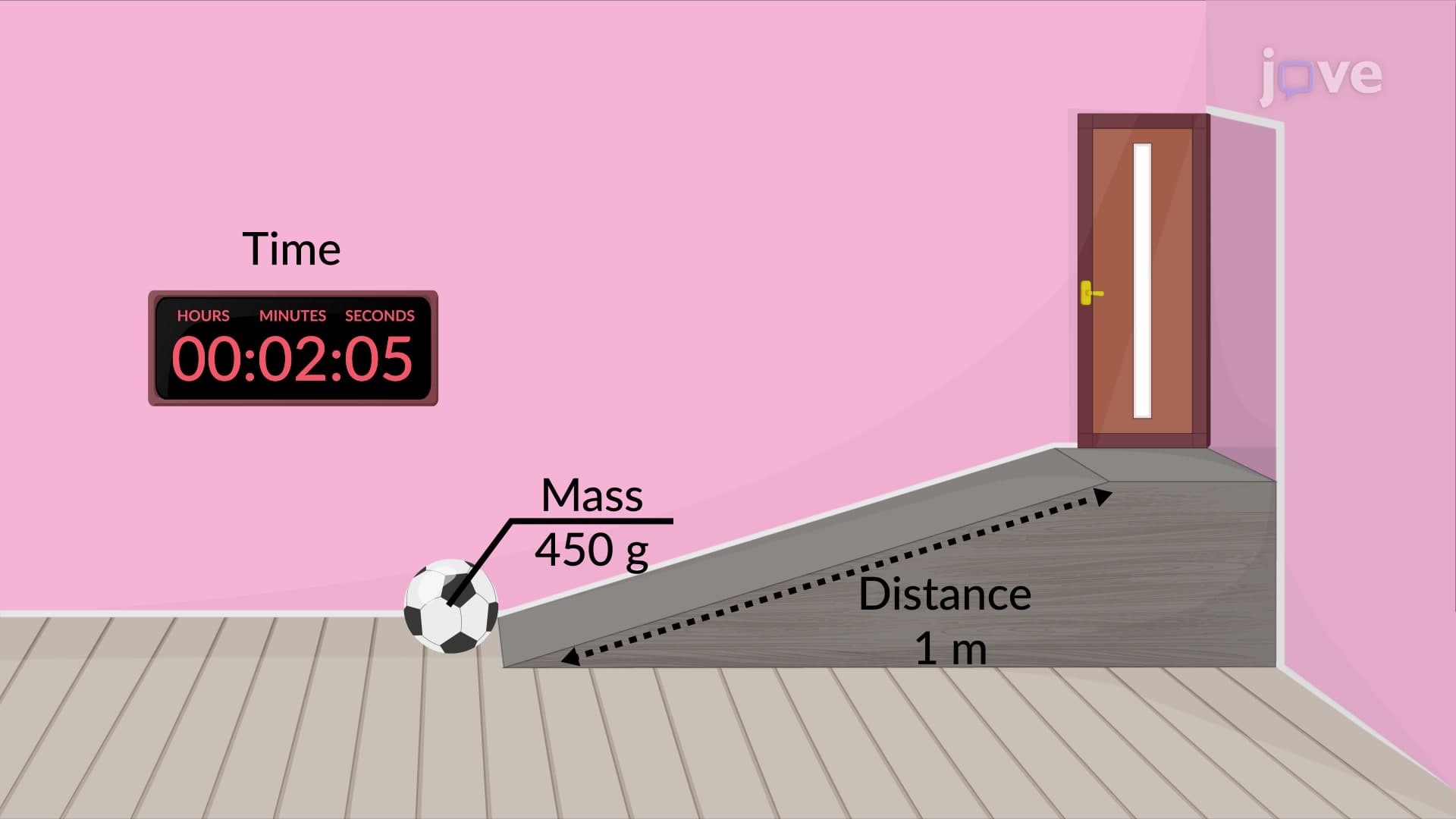
- Identify common scalar quantities including temperature, mass, speed, energy, time, and distance in real-world scenarios
- Analyze how scalar arithmetic follows ordinary mathematical rules without requiring directional considerations
- Compare scalar and vector quantities to recognize when directional information is or isn't necessary for problem-solving
- Apply scalar addition and subtraction principles to solve physics and engineering problems accurately
- Evaluate the role of scalers in thermodynamics, mechanics, and other engineering disciplines
- Recognize scalar quantities in laboratory measurements and engineering calculations
- Explore how understanding scalers prepares you for advanced topics in kinematics, dynamics, and thermodynamics
Understanding What is Scalers in Physics and Engineering
Scalers represent one of the most fundamental concepts in physics and engineering, serving as the building blocks for quantitative analysis. Unlike their vector counterparts, scalers are completely described by magnitude alone-they tell us "how much" without specifying "in which direction." This simplicity makes scalers incredibly powerful for describing many physical phenomena we encounter daily.
Scalers Definition and Core Properties
The scalers definition encompasses any physical quantity that has magnitude but no directional component. Think of checking your car's fuel gauge-whether it reads 10 gallons or 15 gallons, the direction doesn't matter. Temperature provides another excellent example: when meteorologists report that Chicago reached 75°F, they're communicating complete information without mentioning direction.
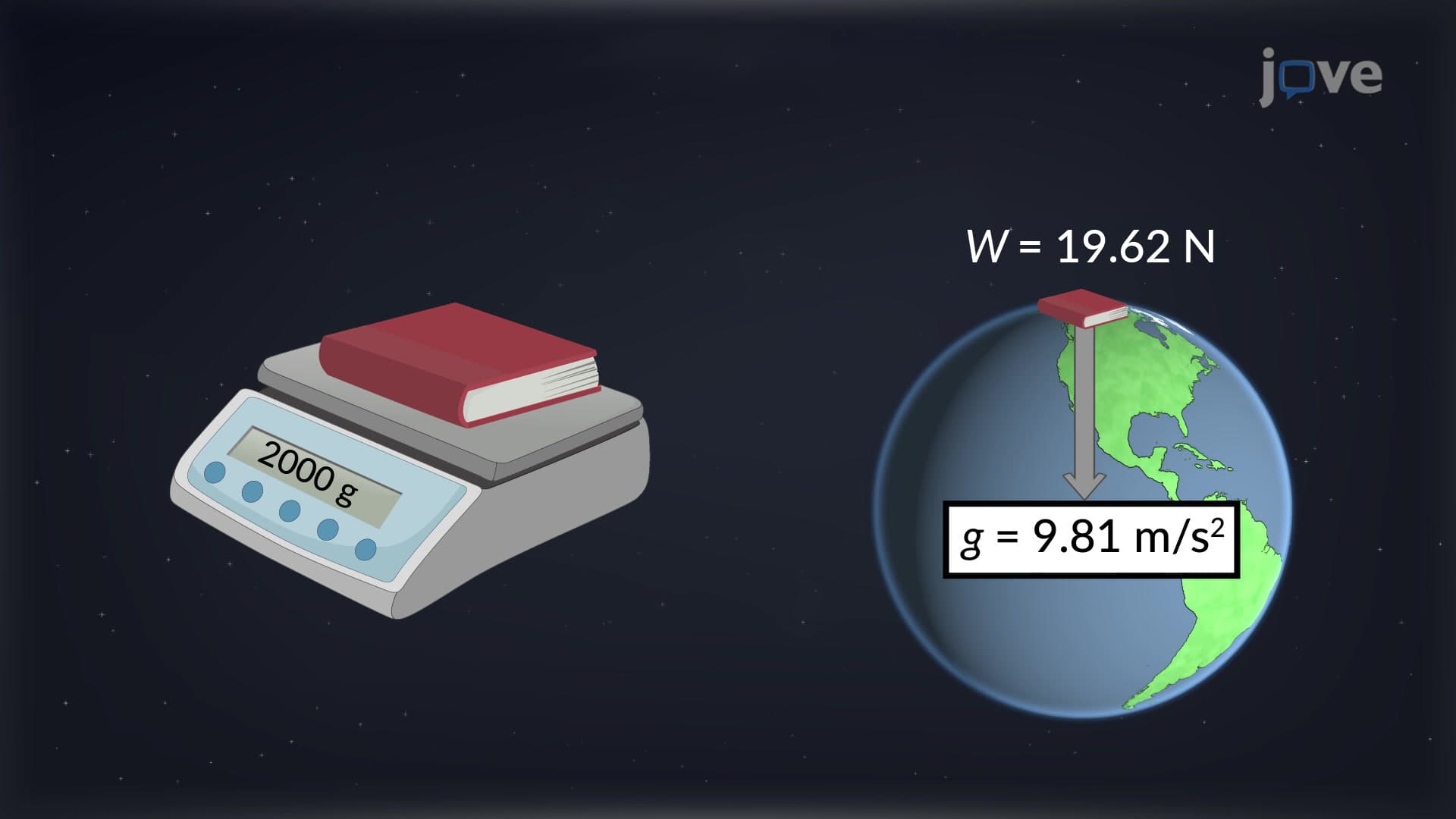
Mathematically, scalers follow ordinary arithmetic rules. When you add two masses (50 kg + 30 kg = 80 kg), you're performing simple addition. This contrasts sharply with vector addition, which requires considering direction and often involves more complex trigonometric calculations. For students taking AP Physics or preparing for the MCAT, mastering scalar arithmetic provides a solid foundation before tackling vector operations.
What is Scalers in Detail: Real-World Applications
Understanding what is scalers in detail reveals their ubiquity in scientific and engineering calculations. In mechanical engineering, scalers appear everywhere: the energy stored in a compressed spring, the mass of a steel beam, or the temperature of coolant in an engine. When automotive engineers design fuel-efficient vehicles, they calculate scalar quantities like total energy consumption and mass distribution.
The scalers concept becomes particularly important in thermodynamics, where temperature, pressure, and energy are all scalar quantities. When studying for college physics exams, students often encounter problems involving heat transfer, where understanding that temperature is scalar (while heat flow can have direction) clarifies many conceptual difficulties.
Scalers Study Guide: Distinguishing from Vectors
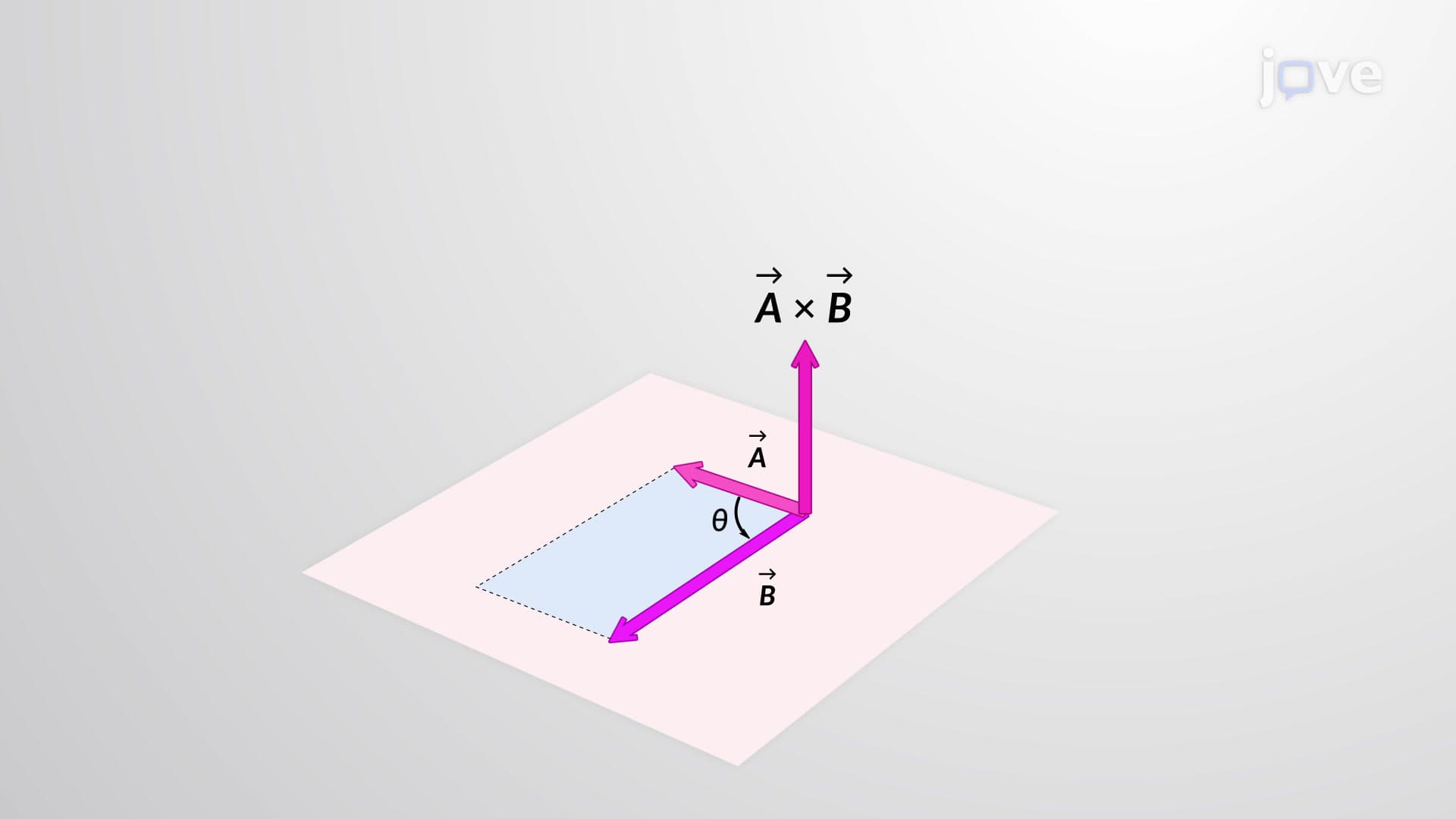
A comprehensive scalers study guide must address the critical distinction between scalers and vectors. While scalers like speed tell us how fast something moves, vectors like velocity specify both speed and direction. This distinction appears frequently on standardized tests, including AP Physics exams and college placement tests.
Consider a practical example: when a delivery truck travels 60 mph on Interstate 95, the "60 mph" represents speed (a scalar). However, "60 mph northbound" represents velocity (a vector). This scalers overview helps students avoid common misconceptions that can impact exam performance and real-world problem-solving in engineering careers.
Frequently Asked Questions
Scalers are physical quantities described completely by magnitude alone, without any directional component. Unlike vectors, scalers don't require directional information-examples include temperature, mass, and energy. This fundamental distinction simplifies calculations since scalers follow ordinary arithmetic rules.
AP Physics exams commonly feature temperature, mass, speed, energy, and time as scalar quantities. Students should practice identifying these in word problems and distinguishing them from vector quantities like velocity and acceleration. Understanding scalar arithmetic is essential for thermodynamics and energy conservation problems.
The MCAT frequently tests scalar concepts in thermodynamics, kinetics, and energy problems. Students encounter scalers when calculating reaction energies, temperature changes, and molecular masses. Mastering scalar arithmetic helps solve complex biochemical problems involving energy metabolism and molecular interactions.
Engineers use scalers daily when measuring material properties, calculating energy efficiency, and analyzing system performance. For example, civil engineers measure concrete density (scalar) for structural calculations, while chemical engineers monitor reactor temperatures (scalar) for process optimization.
No advanced mathematics is required to grasp scalers-basic arithmetic suffices for most applications. High school algebra provides adequate preparation for scalar calculations. The concept builds naturally from elementary mathematics, making it accessible to students beginning their physics journey.
Focus on identifying scalar quantities in practice problems and distinguishing them from vectors. Create flashcards with common examples, practice scalar arithmetic, and work through thermodynamics problems. Understanding units and dimensional analysis strengthens your scalar problem-solving skills.
Mastering scalers prepares you for vector calculus, multivariable thermodynamics, and advanced mechanics. Strong scalar foundations enable easier transition to topics like gradient fields, scalar potential energy, and statistical mechanics in upper-level physics courses.
Identifying scalers simplifies problem-solving by eliminating directional considerations, allowing you to focus on magnitude calculations. This approach reduces cognitive load and helps prevent common vector-scalar confusion that often leads to incorrect solutions in physics problems.
Related Micro-courses