Loading subject page…


7,241 views

Video Summary: Linear Impulse and Momentum Principle for a System of Particles
Ever wonder how NASA engineers calculate the exact thrust needed to redirect a spacecraft's trajectory? The linear impulse and momentum principle for a system of particles governs these precise calculations, explaining how external forces change the motion of complex systems over time. From rocket launches at Kennedy Space Center to car crash safety testing, this fundamental physics principle determines how multiple interacting objects behave as a unified system. Watch the full video on JoVE Coach to master this concept with expert-led visuals and step-by-step explanations.
The linear impulse and momentum principle for a system of particles represents one of physics' most powerful tools for analyzing complex motion. Unlike single-particle problems, real-world systems involve multiple interacting objects-from the components of a car during a crash test to the stages of a SpaceX Falcon Heavy rocket during launch.
The principle's elegance lies in a crucial simplification: internal forces between particles always occur in equal and opposite pairs (Newton's Third Law). When a quarterback throws a football, the force his hand exerts on the ball equals the force the ball exerts back on his hand. In system analysis, these internal forces cancel completely, leaving only external forces to change the system's momentum.
This concept frequently appears on AP Physics exams and college mechanics courses. Students often struggle with identifying which forces are "internal" versus "external"-the key is defining your system boundary first. Everything inside the boundary creates internal forces; everything outside creates external forces.
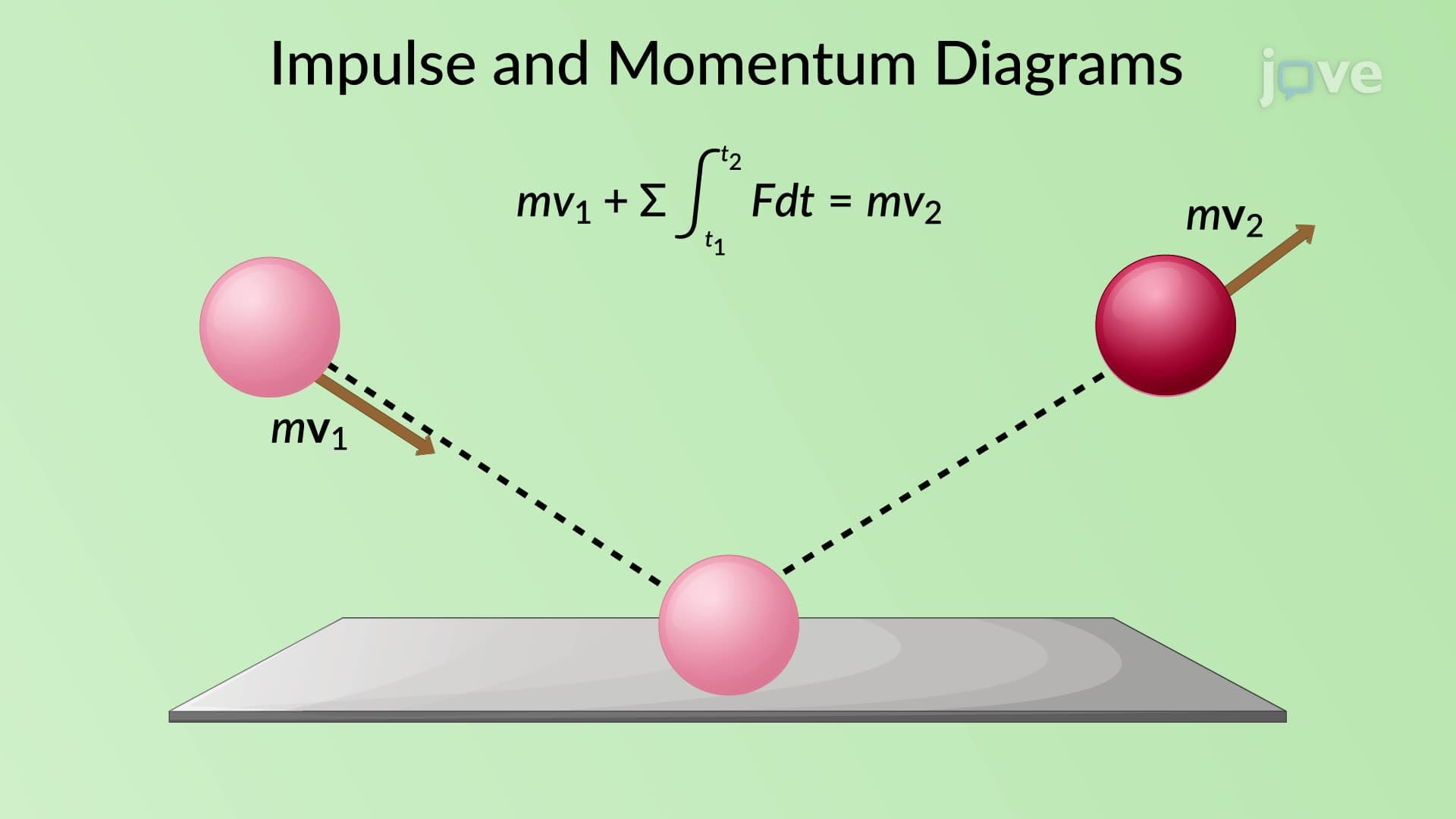
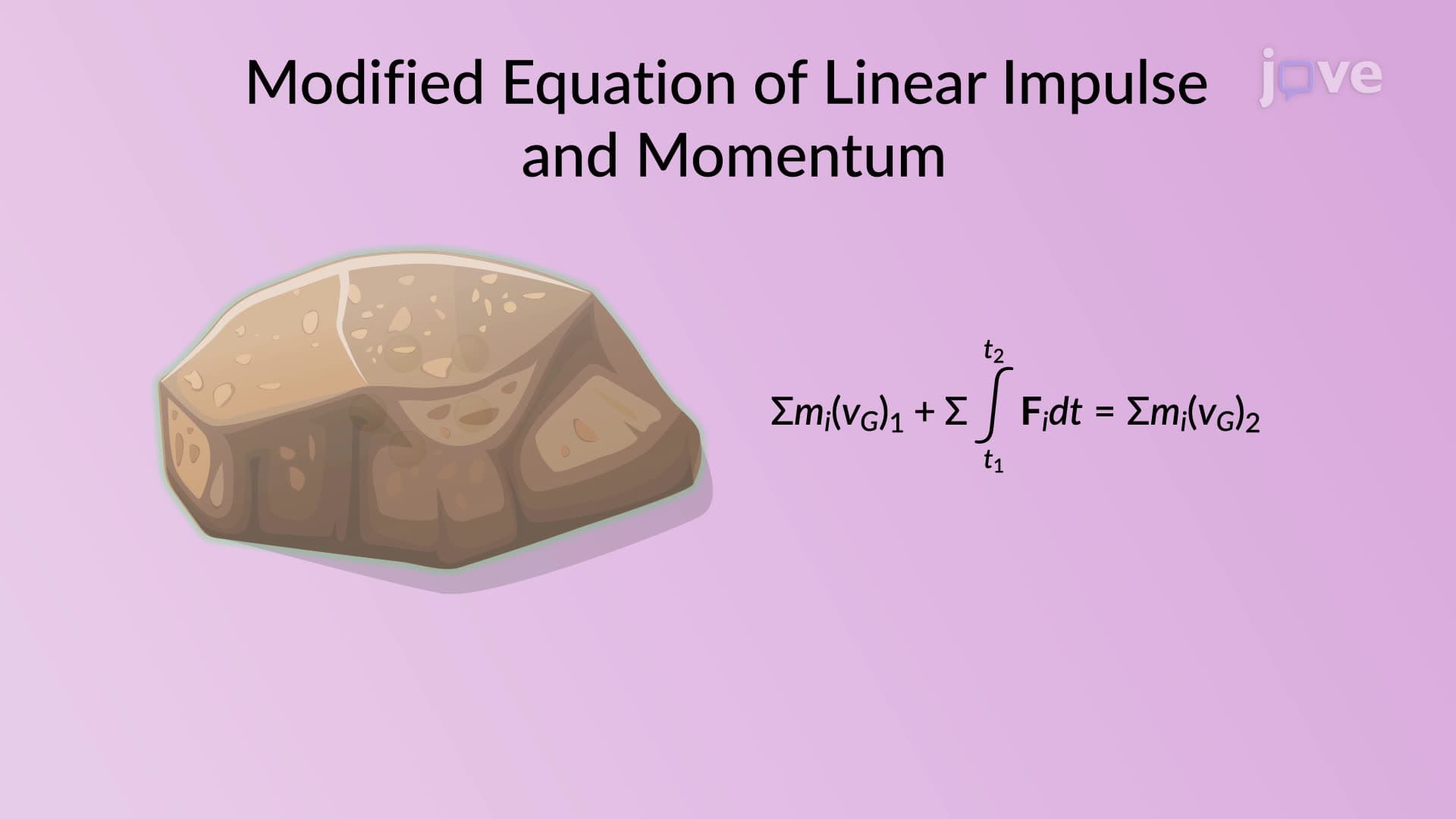
The mathematical expression states: Initial momentum + Impulse from external forces = Final momentum. More precisely: p₁ + ∫F(external)dt = p₂, where the integral represents the total impulse over time.
The center of mass connection provides another layer of understanding. The total momentum of all particles equals the mass of the entire system multiplied by the center of mass velocity. This relationship allows engineers at companies like Boeing to treat complex aircraft as single point masses when calculating flight trajectories, dramatically simplifying calculations without losing accuracy.
NASA's mission planners use this principle extensively. During the Apollo missions, calculating lunar module trajectories required accounting for fuel consumption (changing system mass) and thruster forces (external impulses). Modern applications include designing airbag systems for automotive safety, where engineers must predict how collision forces distribute throughout the vehicle-passenger system.
For standardized tests, this topic commonly appears in AP Physics C mechanics sections and MCAT physics passages. College physics courses typically dedicate 2-3 weeks to momentum principles, with this multi-particle extension serving as a bridge to rotational dynamics and advanced mechanics.
Related Micro-courses