Loading subject page…

- Mechanical Engineering
- Planar Kinematics of a Rigid Body
- Absolute Motion Analysis- General Plane Motion
Micro-course: Planar Kinematics of a Rigid Body
6,864 views
Learn key concepts and earn your certificate.


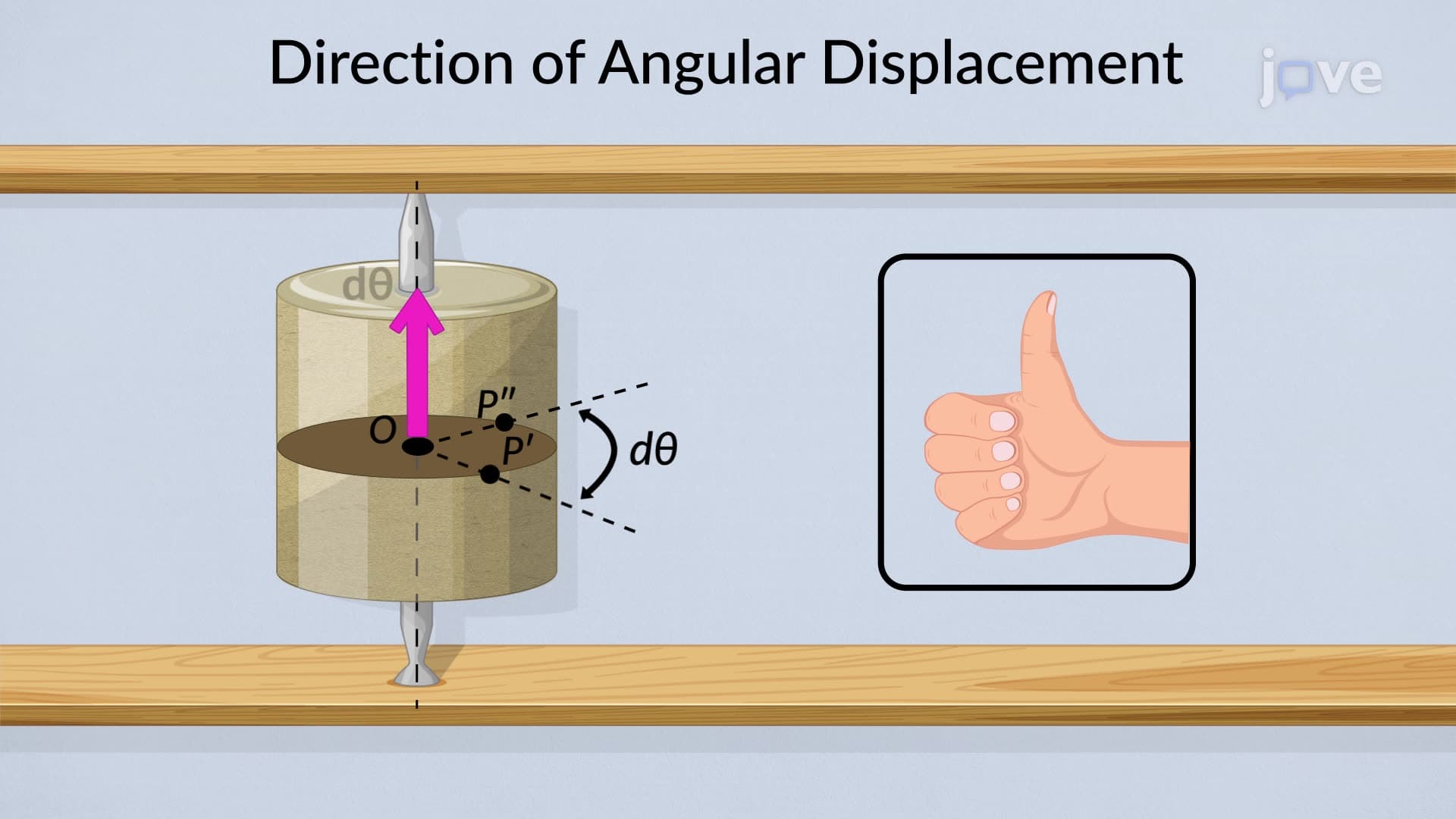
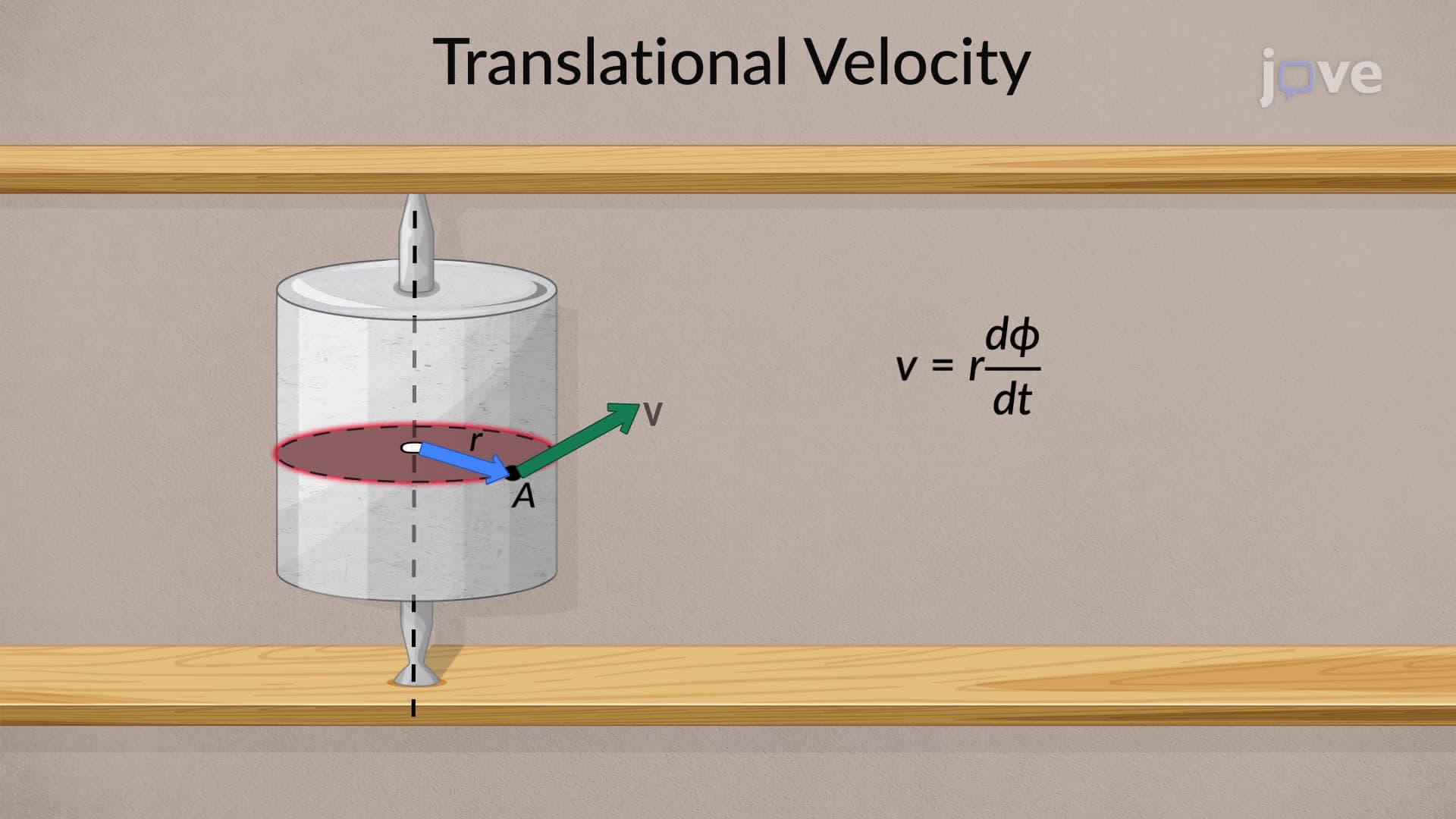
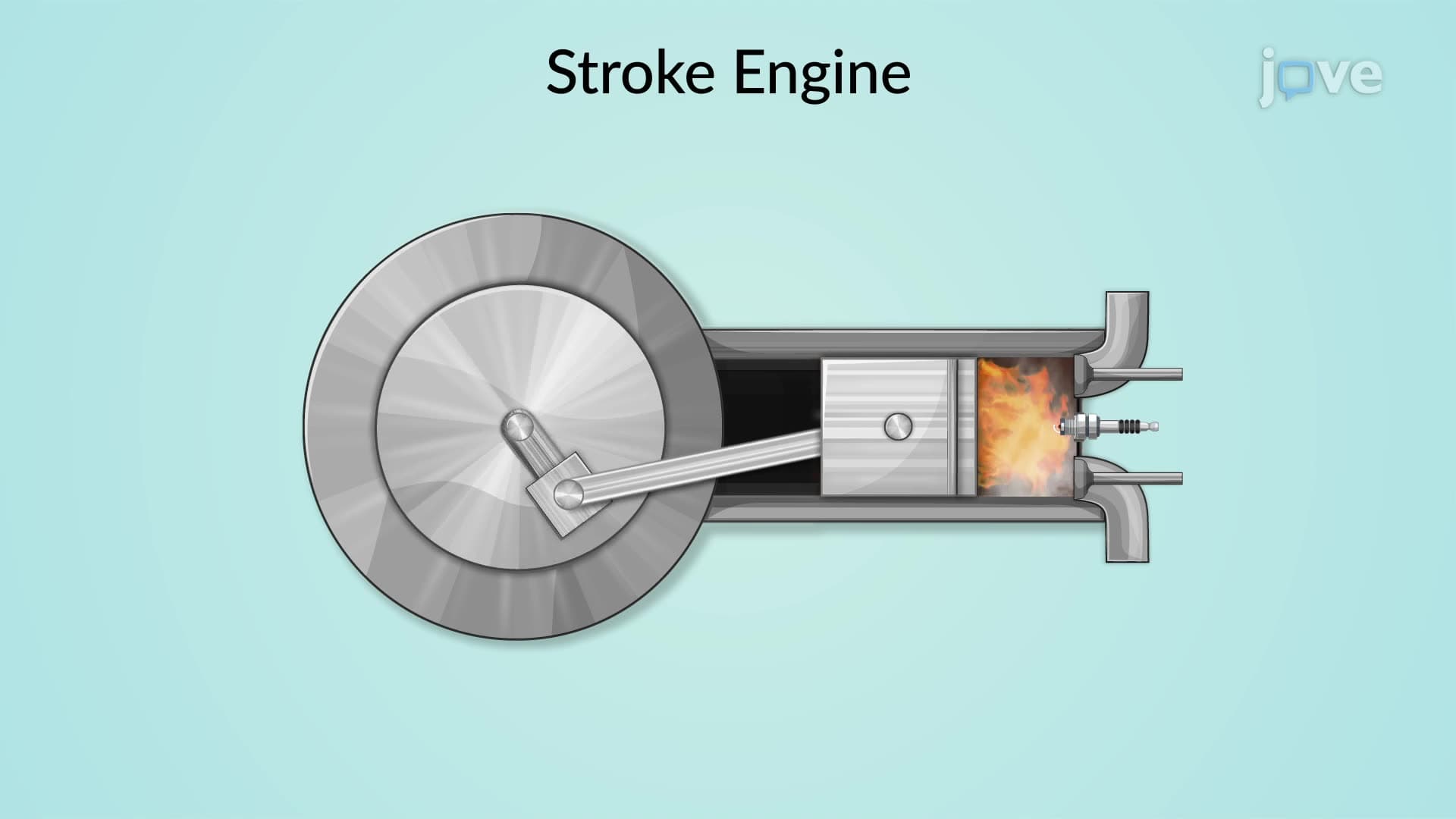


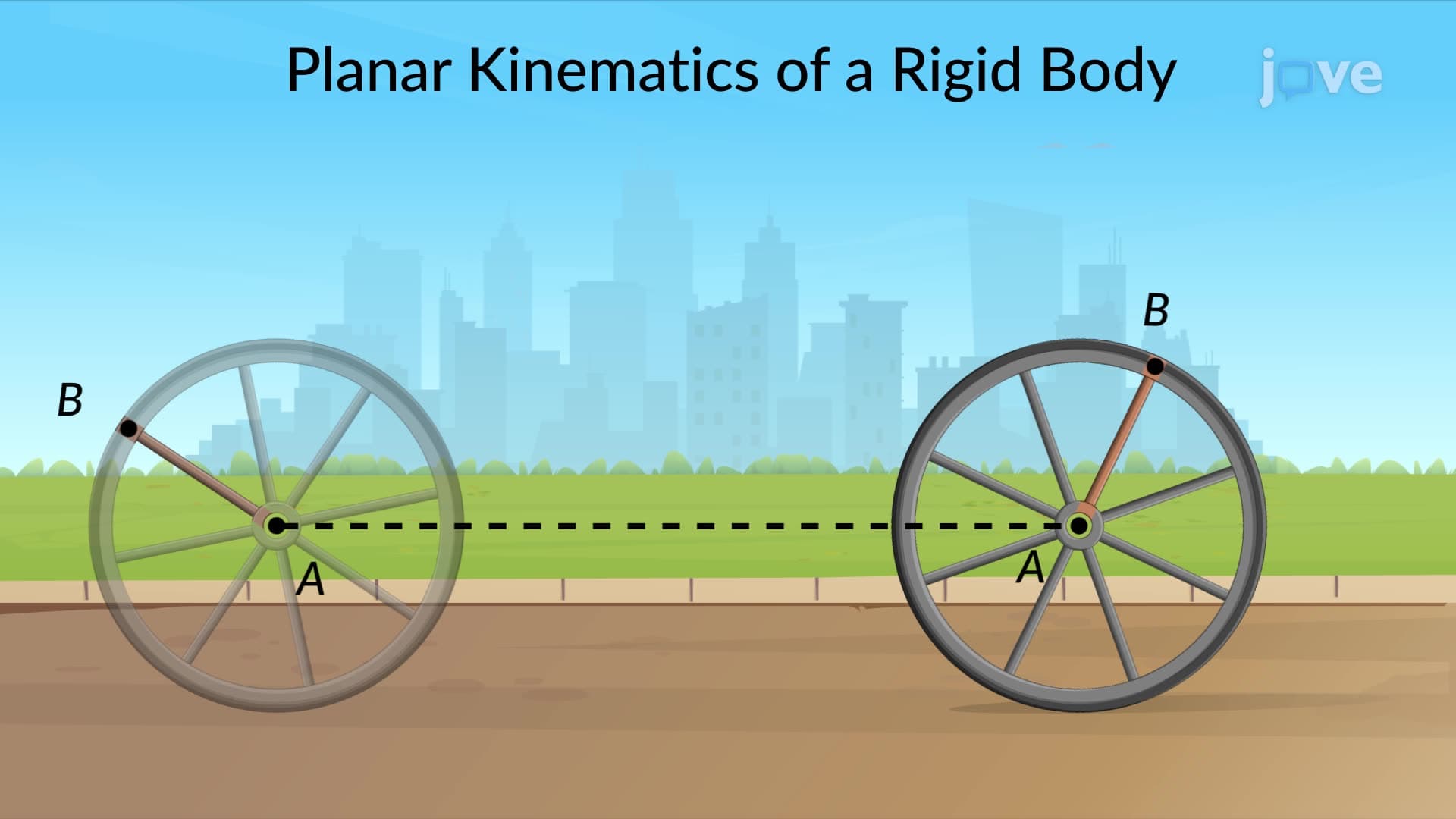



Absolute Motion Analysis- General Plane Motion


00:00
01:24
Video Summary: Absolute Motion Analysis General Plane Motion Explained
Ever wonder how NASA engineers predict the exact landing spot of spacecraft during atmospheric re-entry? Absolute motion analysis general plane motion reveals how objects move through space when they simultaneously translate and rotate. Consider a helicopter blade during flight-each point traces a complex curved path combining the helicopter's forward movement with the blade's rotation. This fundamental engineering principle helps analyze everything from Boeing aircraft maneuvers to robotic arm movements in manufacturing plants. Watch the full video on JoVE Coach to master this concept with expert-led visuals and step-by-step explanations.
- Understand the fundamental principles of Absolute Motion Analysis General Plane Motion Explained and how it describes complex object movement
- Identify the two primary components that create general plane motion: translational motion and rotational motion occurring simultaneously
- Analyze how any point on a moving object traces a curved path when the object undergoes both translation and rotation
- Compare general plane motion to pure translation and pure rotation to recognize the combined effects
- Apply motion analysis techniques to predict the trajectory of points on rotating and translating objects
- Evaluate real-world examples like drone flight patterns, helicopter operations, and robotic systems using general plane motion principles
- Recognize the mathematical relationships between angular velocity, linear velocity, and acceleration in complex motion scenarios
- Explore how general plane motion analysis forms the foundation for advanced topics in mechanical engineering and aerospace applications
Understanding Absolute Motion Analysis General Plane Motion Explained
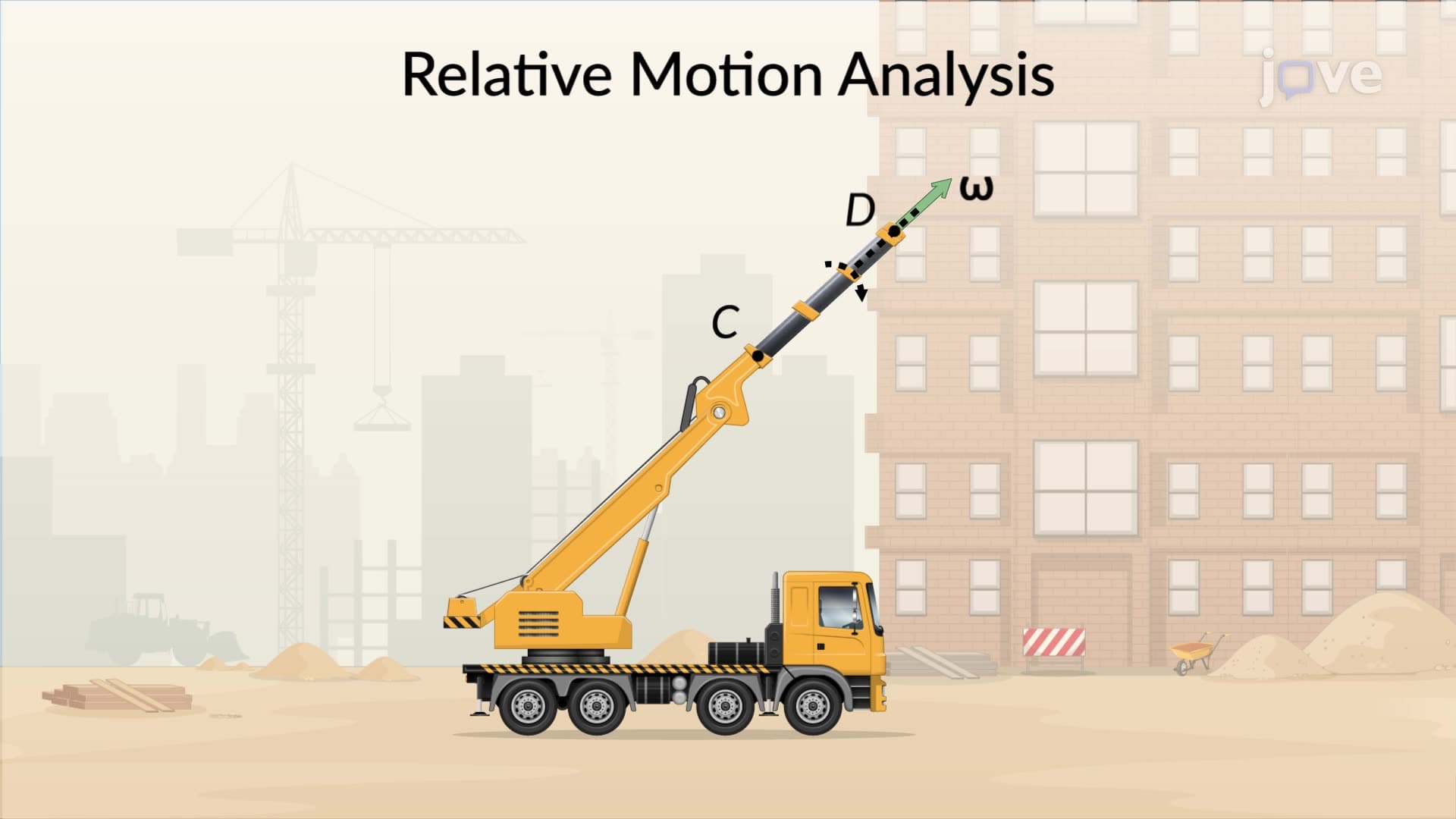
Absolute motion analysis general plane motion represents one of the most important concepts in engineering mechanics, describing how objects move when they simultaneously undergo both translational and rotational motion. Unlike simple translation (where every point moves in parallel paths) or pure rotation (where points move in circles around a fixed axis), general plane motion creates complex curved trajectories that engineers must analyze to design safe, efficient systems.
The Mathematics Behind Combined Motion
The beauty of absolute motion analysis general plane motion lies in how it combines two simpler motions. When analyzing any point on a moving object, engineers use vector addition to determine the point's absolute velocity and acceleration. The absolute velocity equals the vector sum of the translational velocity (how fast the object's center moves) plus the velocity due to rotation around the center. This mathematical framework appears frequently in AP Physics C mechanics problems and college-level dynamics courses.
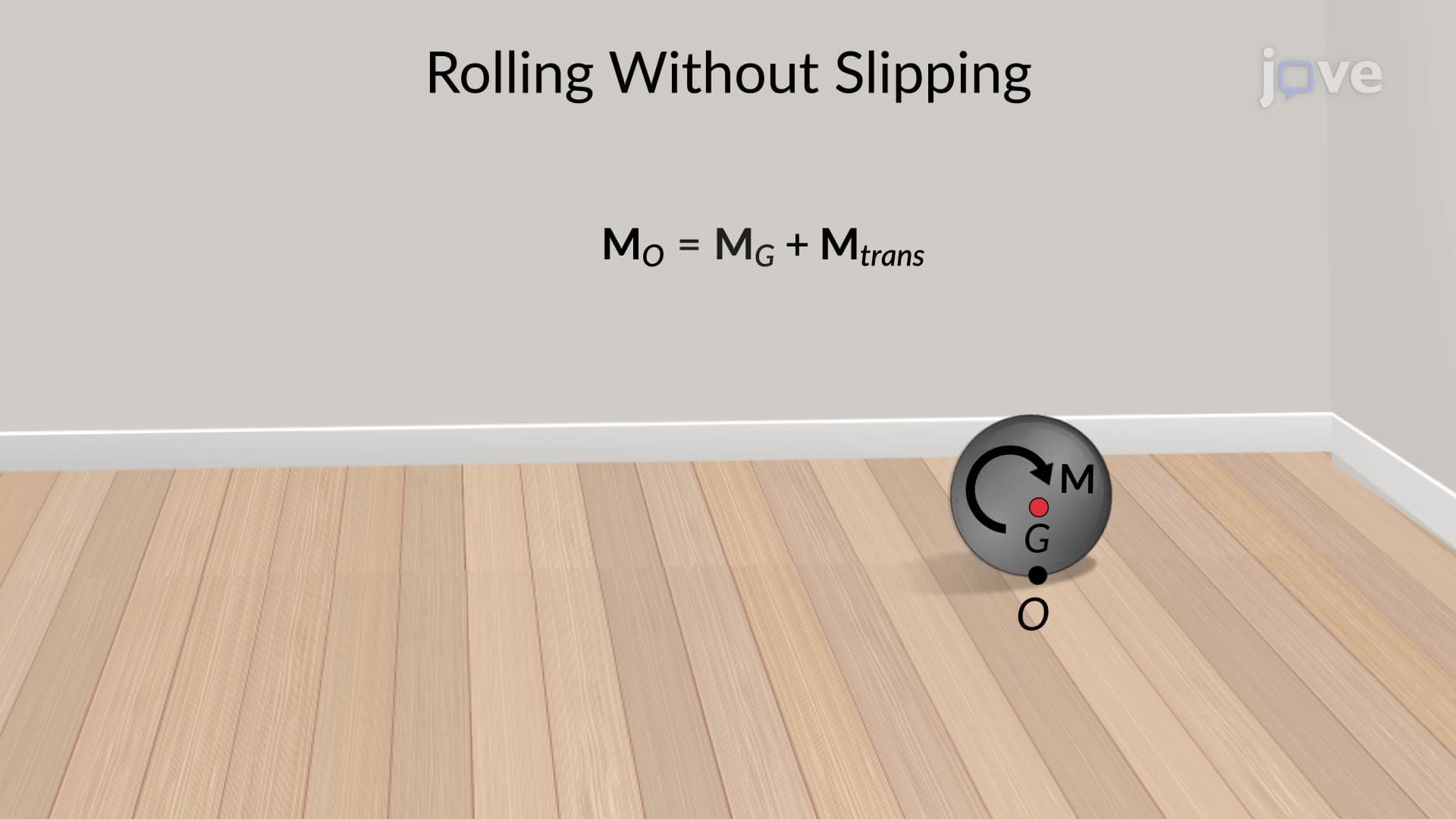
Consider a Mars rover wheel rolling across terrain-each point on the wheel's rim follows a cycloid curve, not a simple circle or straight line. This complex path results from the wheel's forward translation combined with its rotation, creating the characteristic looping motion that students often find counterintuitive.
Real-World Applications in US Industries
American aerospace companies like SpaceX and Lockheed Martin rely heavily on absolute motion analysis general plane motion principles. During spacecraft docking procedures, engineers must predict exactly how each component will move as the vehicle both translates toward the target and rotates for proper orientation. Similarly, Tesla's robotic manufacturing systems use these principles to program robot arms that must simultaneously move to new positions while rotating tools or parts.
In the medical device industry, surgical robots performing minimally invasive procedures demonstrate general plane motion as they navigate to target sites while maintaining proper tool orientation. Understanding this motion helps biomedical engineers design more precise, safer robotic systems.
Problem-Solving Strategies for Students
When tackling absolute motion analysis general plane motion problems on exams like the AP Physics C or college dynamics midterms, successful students follow a systematic approach. First, identify the object's center of rotation and translational direction. Next, break down the motion into translational and rotational components. Finally, use vector addition to find the absolute motion of any point of interest. This methodical approach transforms seemingly complex problems into manageable calculations that build confidence for advanced engineering coursework.
Frequently Asked Questions
Absolute motion analysis general plane motion describes how objects move when they simultaneously translate and rotate through space. It's crucial because most real-world mechanical systems-from car wheels to robotic arms-exhibit this complex combined motion. Engineers use this analysis to predict trajectories, design safe mechanisms, and optimize performance in aerospace, automotive, and manufacturing applications.
AP Physics C Mechanics frequently includes general plane motion in free-response questions about rolling objects, pendulums, or rotating systems. Students typically encounter problems involving wheels, discs, or rods that both translate and rotate. The exam emphasizes using vector addition to find absolute velocities and accelerations of specific points on the moving object.
Pure rotation occurs when every point on an object moves in a circle around a fixed axis, like a spinning wheel on a stationary axle. General plane motion combines this rotation with translation, where the axis itself moves through space. This creates more complex curved paths for individual points rather than simple circular motion.
The MCAT occasionally includes passage-based questions about biomechanical systems exhibiting general plane motion, such as joint movement during locomotion or medical device operation. While detailed calculations aren't required, understanding how combined translational and rotational motions affect force transmission and energy transfer helps answer conceptual questions about human movement and medical technology.
Aircraft landing gear provides an excellent example-as a plane approaches the runway, the landing gear wheels undergo general plane motion. The wheels translate forward with the aircraft while simultaneously beginning to rotate due to ground contact. Air traffic controllers and pilots must account for this combined motion to ensure safe landings at airports like LAX or JFK.
Not at all! While the mathematics can seem intimidating initially, the concept builds naturally on basic vector addition and circular motion that students learn in earlier physics courses. Starting with familiar examples like rolling balls or bicycle wheels helps students visualize the motion before tackling the mathematical analysis.
Focus on drawing clear diagrams showing both translational and rotational components separately before combining them. Practice identifying the instantaneous center of rotation, which often simplifies complex problems. Work through progressively challenging examples, starting with rolling objects and advancing to more complex mechanisms like four-bar linkages.
Consider exploring three-dimensional rigid body dynamics, Lagrangian mechanics, or control systems theory. These advanced topics build directly on general plane motion concepts and are essential for mechanical engineering, aerospace engineering, and robotics coursework at universities like MIT, Stanford, or Georgia Tech.
Related Micro-courses

10 Concepts

8 Concepts

20 Concepts