Loading subject page…


6,864 views


Video Summary: Equation of Motion General Plane Tutorial
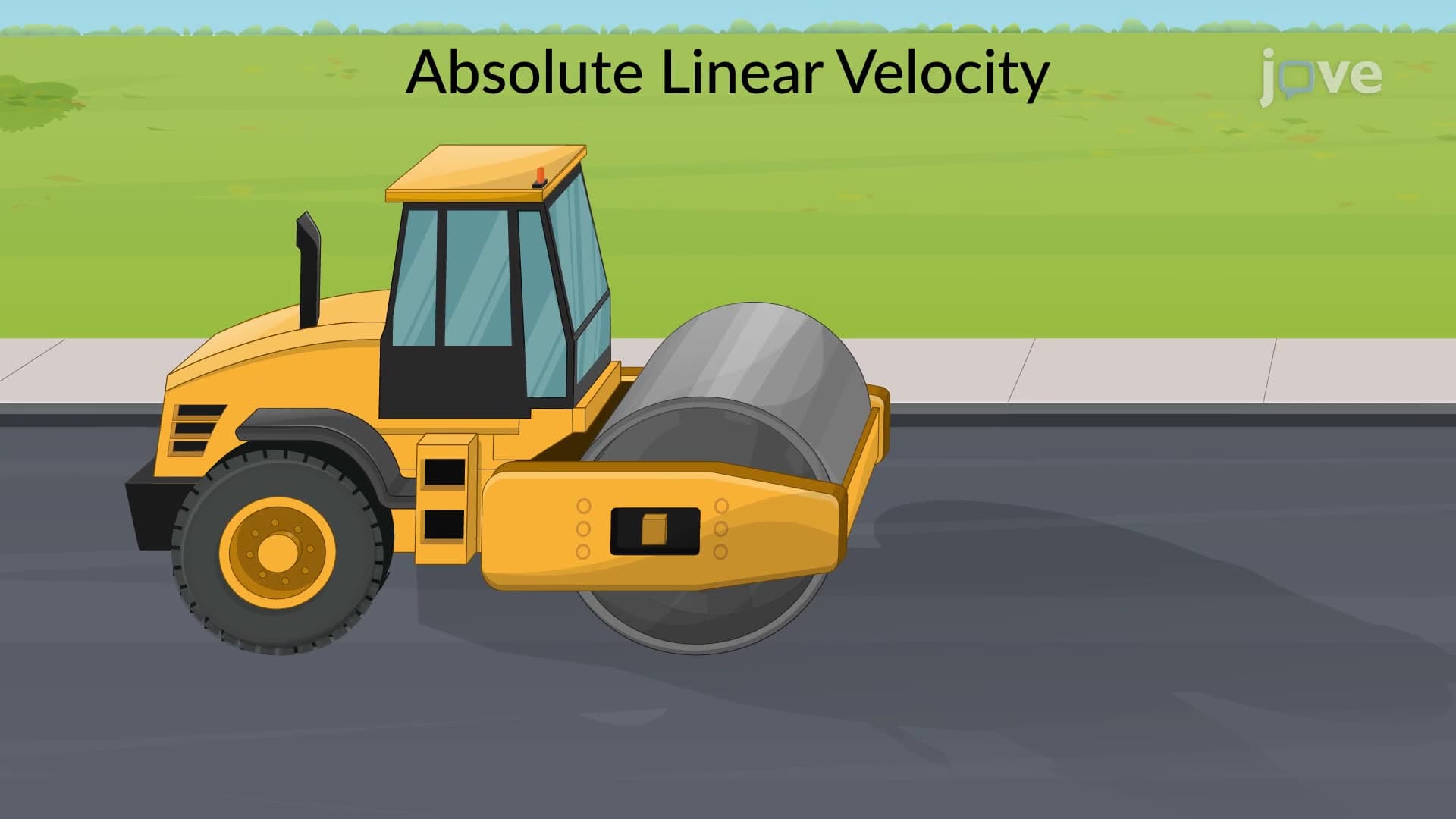
Ever wondered how engineers calculate the precise motion of a 200-ton locomotive wheel or the spin rate of a NASA spacecraft? The equation of motion general plane governs these complex rotational systems by combining translational and rotational dynamics. This tutorial demonstrates the concept through a practical lawn roller problem, showing how a 200 N force creates both linear and angular acceleration in real machinery used by groundskeepers across American sports stadiums and golf courses. Watch the full video on JoVE Coach to master this concept with expert-led visuals and step-by-step explanations.
Equation of motion general plane problems represent some of the most practical applications in mechanical engineering and physics. Unlike simple particle motion, these problems involve rigid bodies that simultaneously translate and rotate, requiring careful analysis of both linear and angular motion components. The approach becomes essential when analyzing everything from vehicle wheels to industrial machinery.
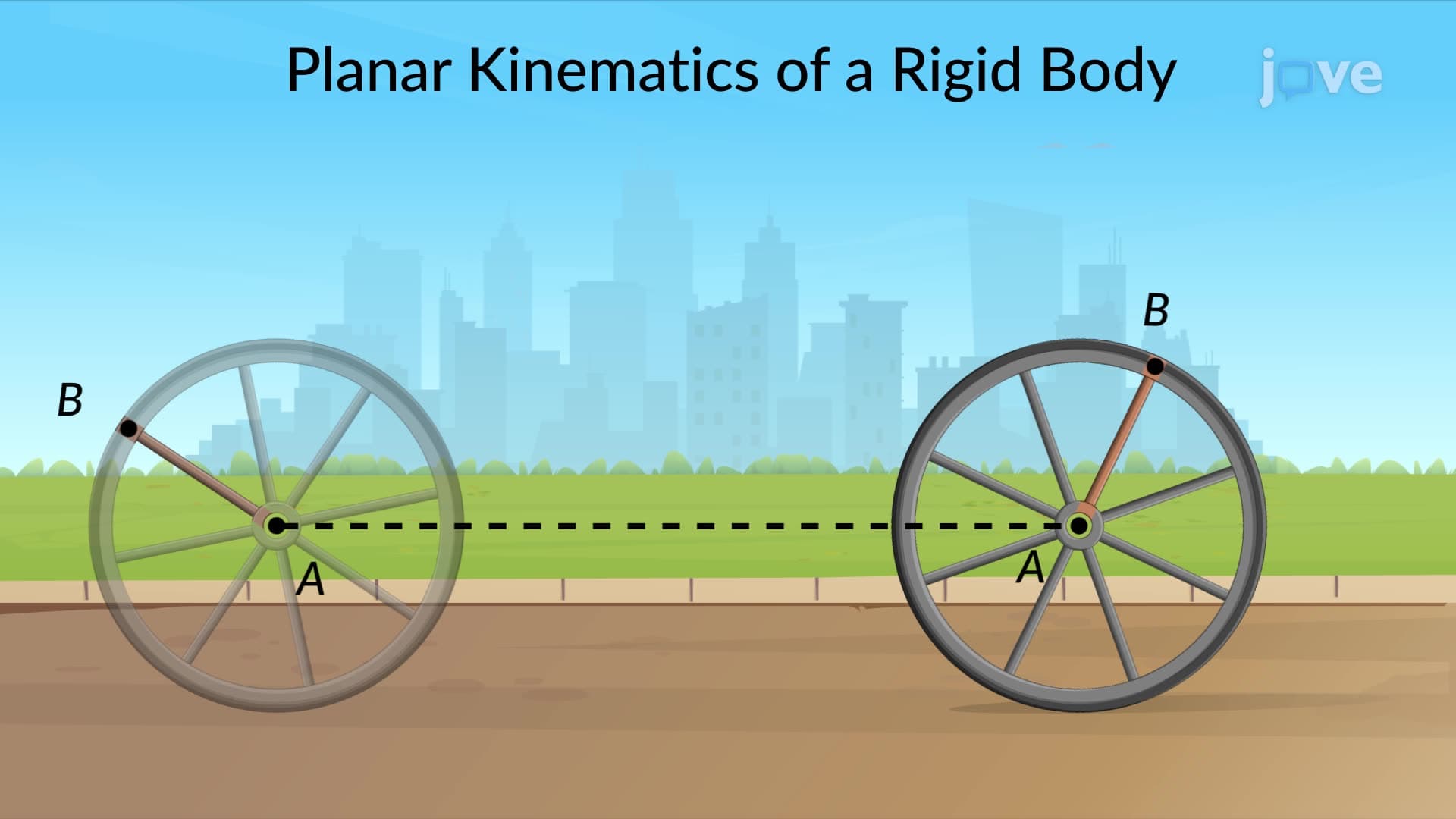
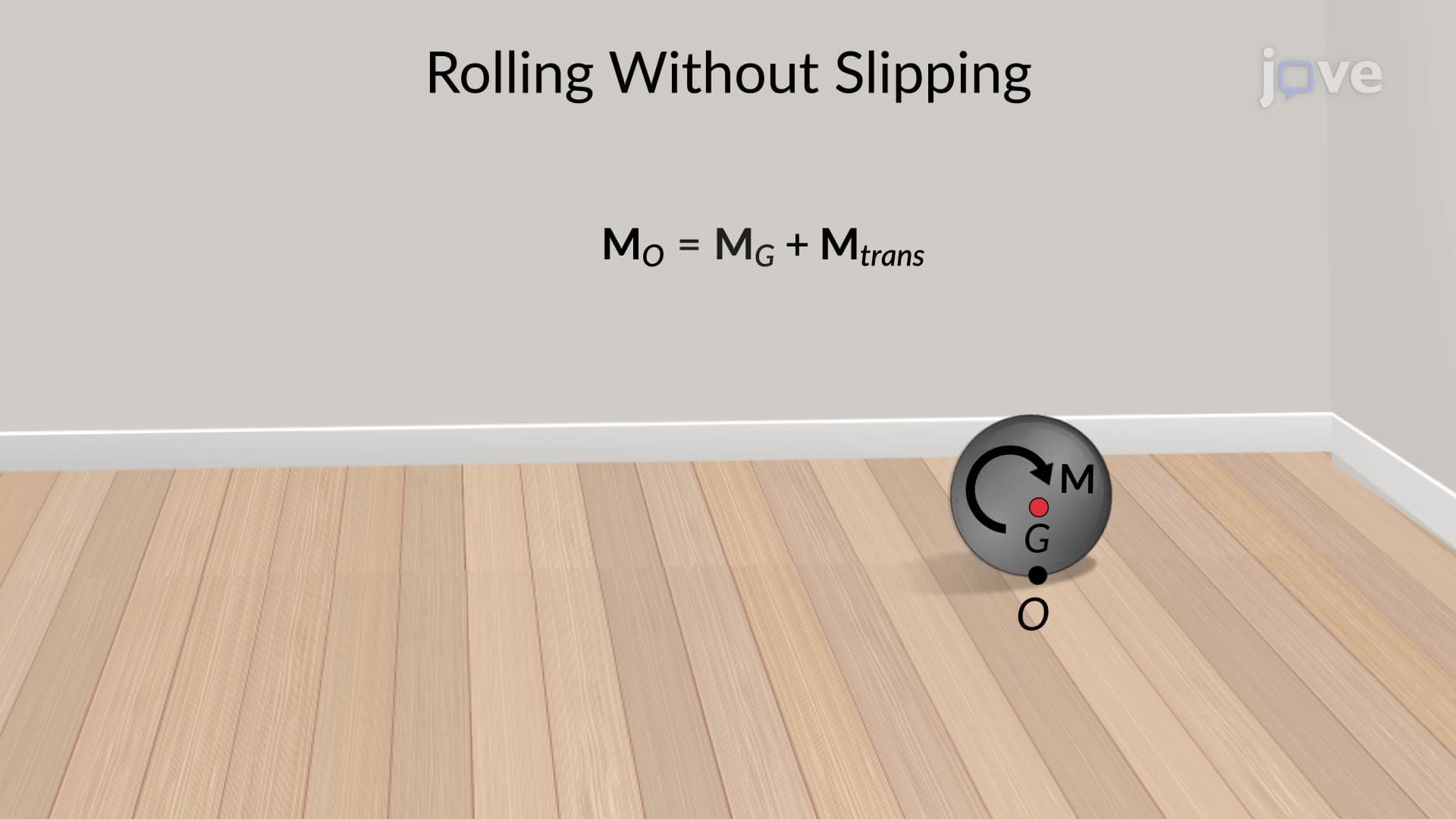
The key to solving general plane motion problems lies in strategic point selection for moment analysis. By choosing the instantaneous center of zero velocity (point A in rolling problems), we eliminate unknown reaction forces from our calculations. This technique proves invaluable on AP Physics C exams and college-level dynamics courses, where students must demonstrate mastery of both force equilibrium and rotational dynamics.
For the lawn roller example, the applied force creates both a translational effect on the center of mass and a rotational moment about the contact point. The horizontal component (F cos 60°) drives forward motion, while the vertical component affects normal force and consequently friction limits.
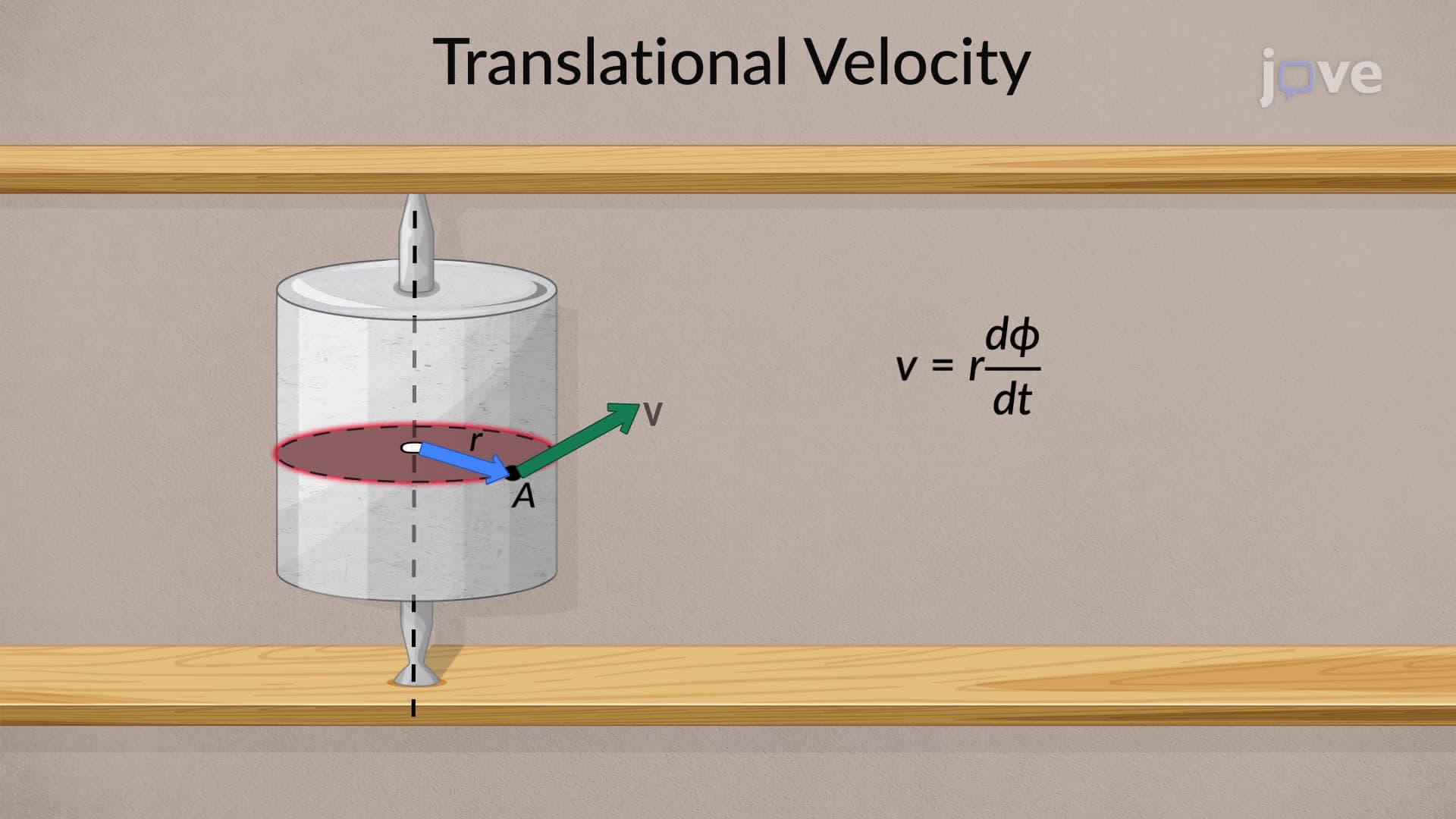
The rolling without slipping assumption fundamentally links linear and angular motion through the relationship v = ωr and a = αr. This constraint appears frequently in MCAT physics sections and engineering statics courses. However, this assumption only holds when the required friction force remains below the static friction limit (μ(s) × N).
American manufacturing relies heavily on these principles. Boeing engineers use general plane motion analysis for landing gear design, ensuring wheels can handle both the translational impact and rotational startup during touchdown. Similarly, automotive engineers at Ford and GM apply these concepts to optimize tire performance and vehicle stability systems. Construction equipment manufacturers like Caterpillar design bulldozer tracks and wheel systems using identical mathematical frameworks.
The parallel axis theorem becomes crucial when calculating moments of inertia about points other than the center of mass, allowing engineers to predict system behavior under various loading conditions with remarkable precision.
Related Micro-courses