Loading subject page…


6,864 views

Video Summary: Rotational Motion About a Fixed Axis Explained
Ever wonder why a figure skater spins faster when they pull their arms in? Rotational motion about a fixed axis governs everything from spinning ice skaters to the rotating blades of wind turbines across Texas and California. This fundamental physics concept explains how objects rotate around a central point or line, involving key principles like angular displacement, velocity, and acceleration that determine rotational behavior. Watch the full video on JoVE Coach to master this concept with expert-led visuals and step-by-step explanations.
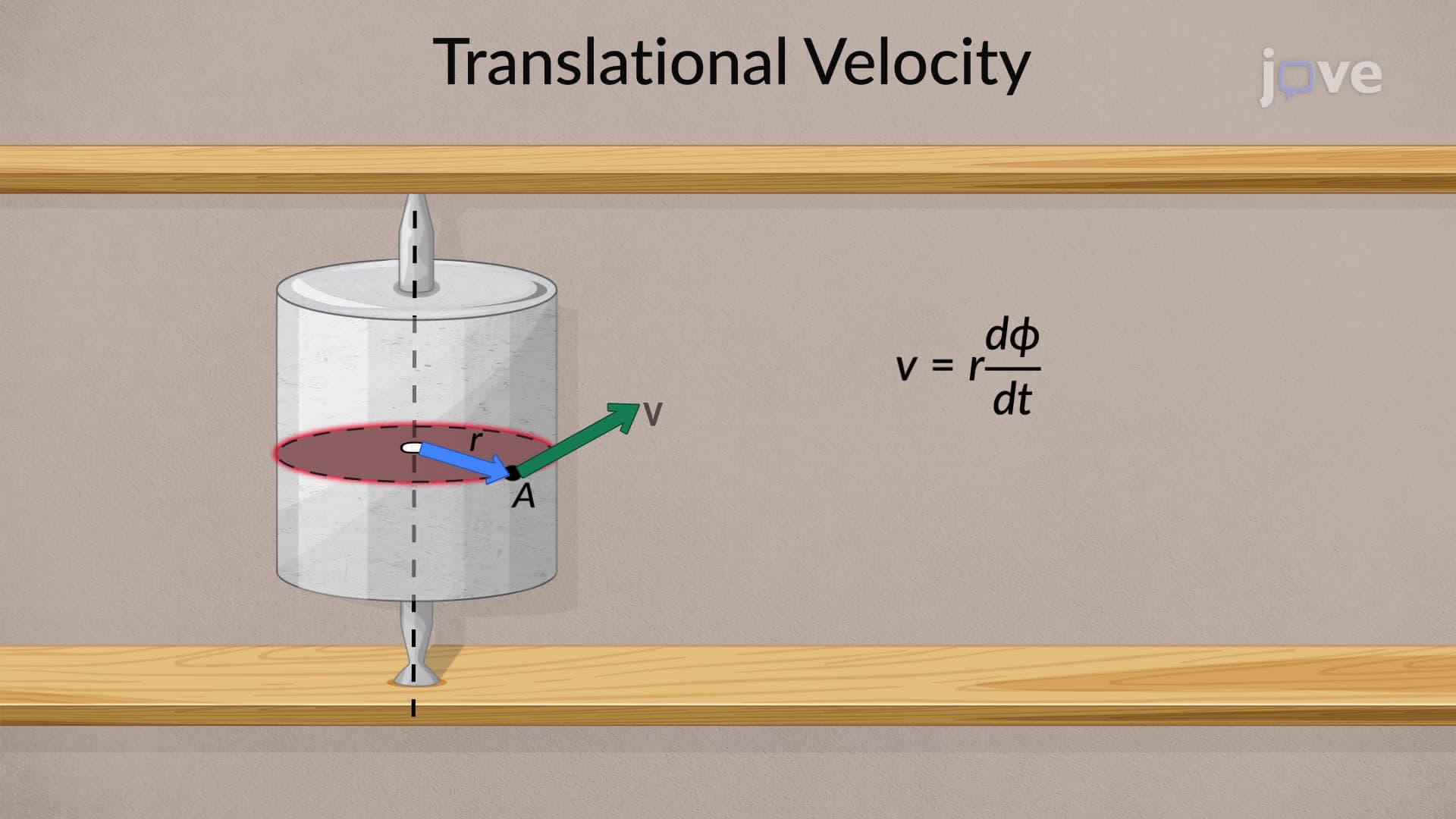
Rotational motion about a fixed axis represents one of the most fundamental concepts in classical mechanics, forming the foundation for understanding everything from simple machines to complex engineering systems. When an object rotates around a fixed axis, every point on that object traces a circular path, but the radius of each circle depends on the point's distance from the axis of rotation.
Angular position serves as the rotational equivalent of linear position, measured as an angle θ (theta) from a reference line to the rotating object. This reference line remains fixed in space, providing a consistent measurement standard. Angular displacement represents the change in angular position, typically denoted as Δθ (delta theta), and can be measured in three common units: degrees (familiar from geometry class), radians (the preferred unit in physics), and revolutions (practical for counting full rotations).
The relationship between these units proves essential for AP Physics and college mechanics courses: one complete revolution equals 360 degrees, which equals 2π radians (approximately 6.28 radians). Students preparing for the MCAT or engineering entrance exams must master these conversions, as problems frequently require switching between unit systems.
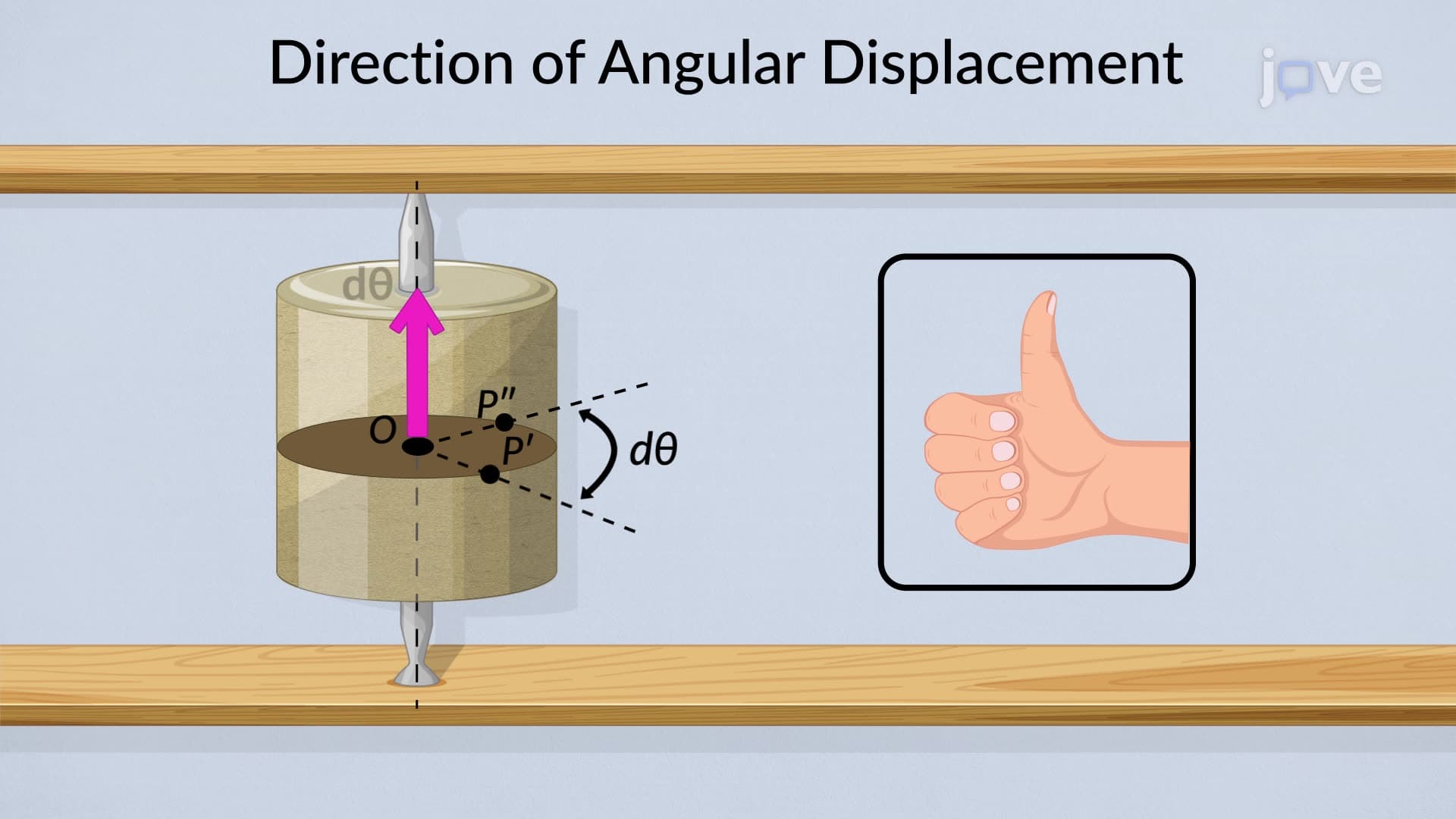
Angular velocity (ω, omega) quantifies how quickly an object rotates, measured in radians per second. Unlike linear velocity, which has magnitude and direction in three-dimensional space, angular velocity's direction follows the right-hand rule: curl your fingers in the direction of rotation, and your thumb points along the axis in the positive angular velocity direction.
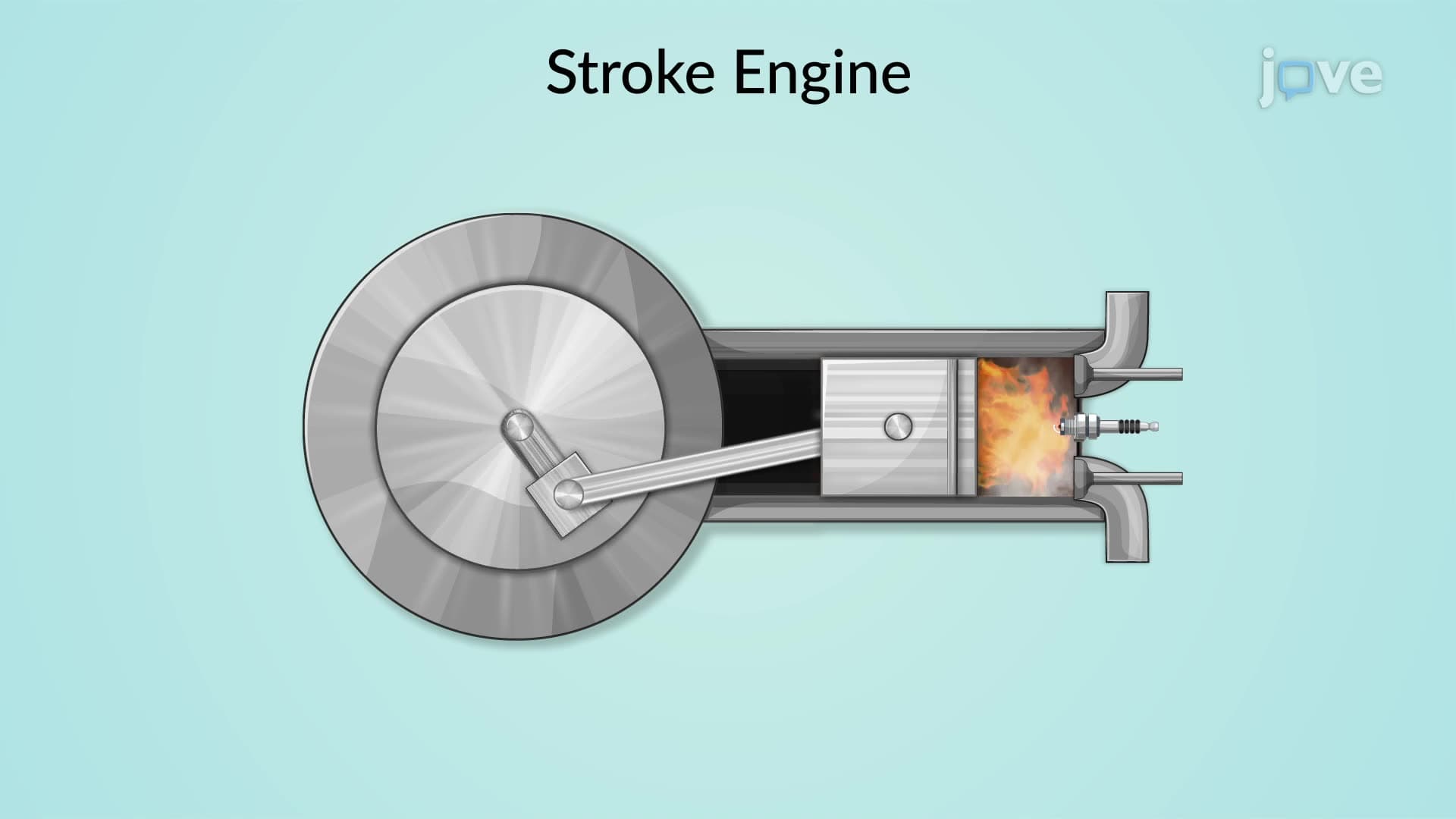
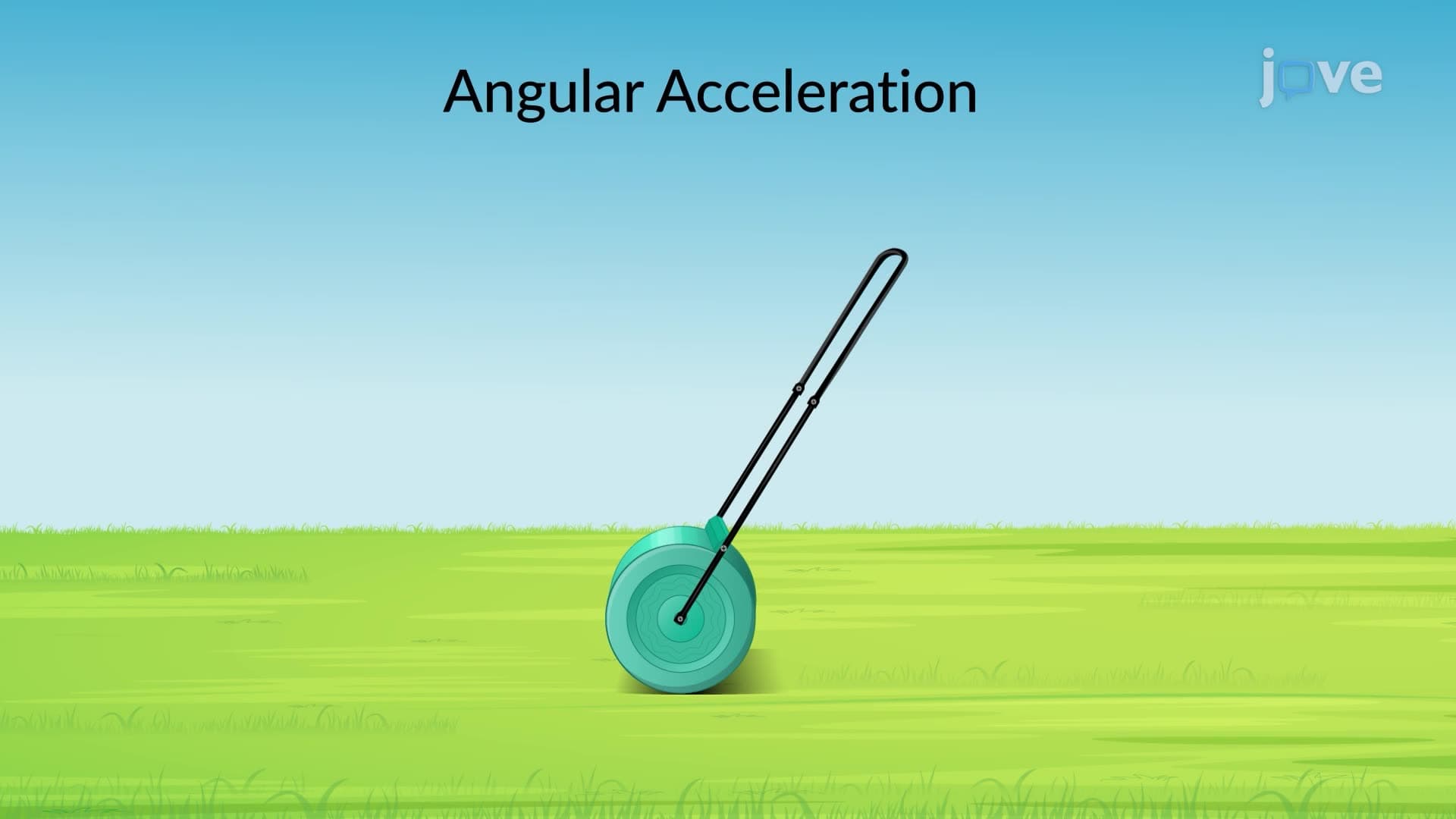
Angular acceleration (α, alpha) describes how angular velocity changes over time, measured in radians per second squared. This concept proves crucial when analyzing systems like car engines, where understanding acceleration helps optimize performance. For instance, a NASCAR engine's crankshaft might experience angular accelerations exceeding 1000 rad/s² during rapid acceleration phases.
Consider a wind turbine in Iowa generating electricity: each blade rotates about the central hub's fixed axis. Engineers must calculate angular velocities to optimize power generation while ensuring structural integrity under varying wind conditions. Similarly, the International Space Station rotates about Earth's axis, demonstrating fixed-axis rotation on a massive scale.
When solving rotational motion problems on standardized tests, remember that the kinematic equations for rotation mirror those for linear motion, with angular quantities replacing linear ones. This parallel structure simplifies learning and problem-solving for students transitioning from linear to rotational mechanics.
Related Micro-courses