Loading video…


 13 Concepts
 6.9K views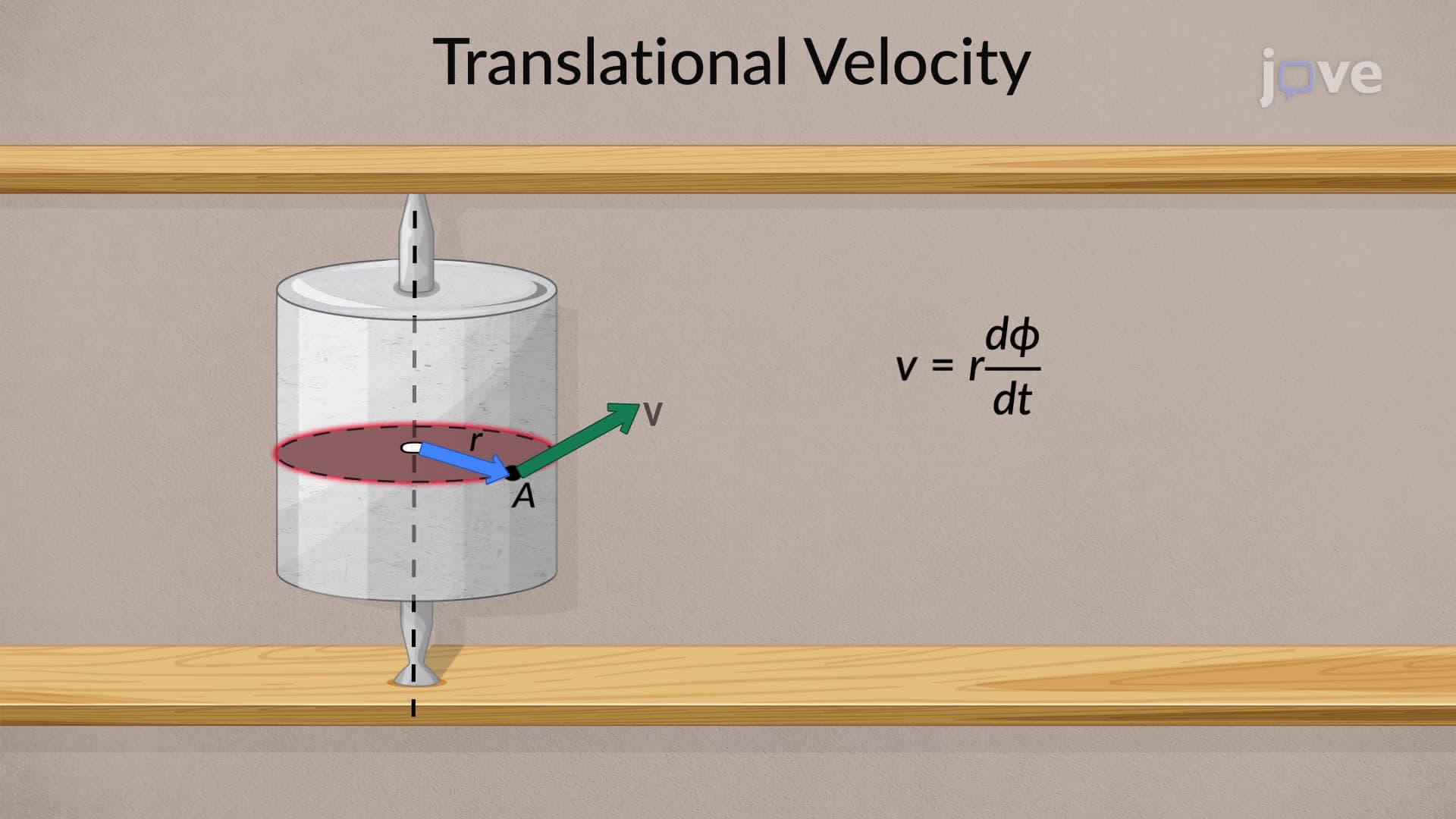

Video Summary: What Is Kinematic Equations for Rotation
Ever wonder how NASA engineers calculate the precise spin rate needed for satellite stability in orbit? Kinematic equations for rotation describe how objects move in circular paths with changing angular velocities, just like the rotating components in wind turbines across Texas that generate clean energy. These fundamental physics principles help us understand everything from spinning bicycle wheels to the rotation of helicopter blades. What is kinematic equations for rotation becomes crucial when analyzing any rotating system where angular acceleration occurs over time. Watch the full video on JoVE Coach to master this concept with expert-led visuals and step-by-step explanations.
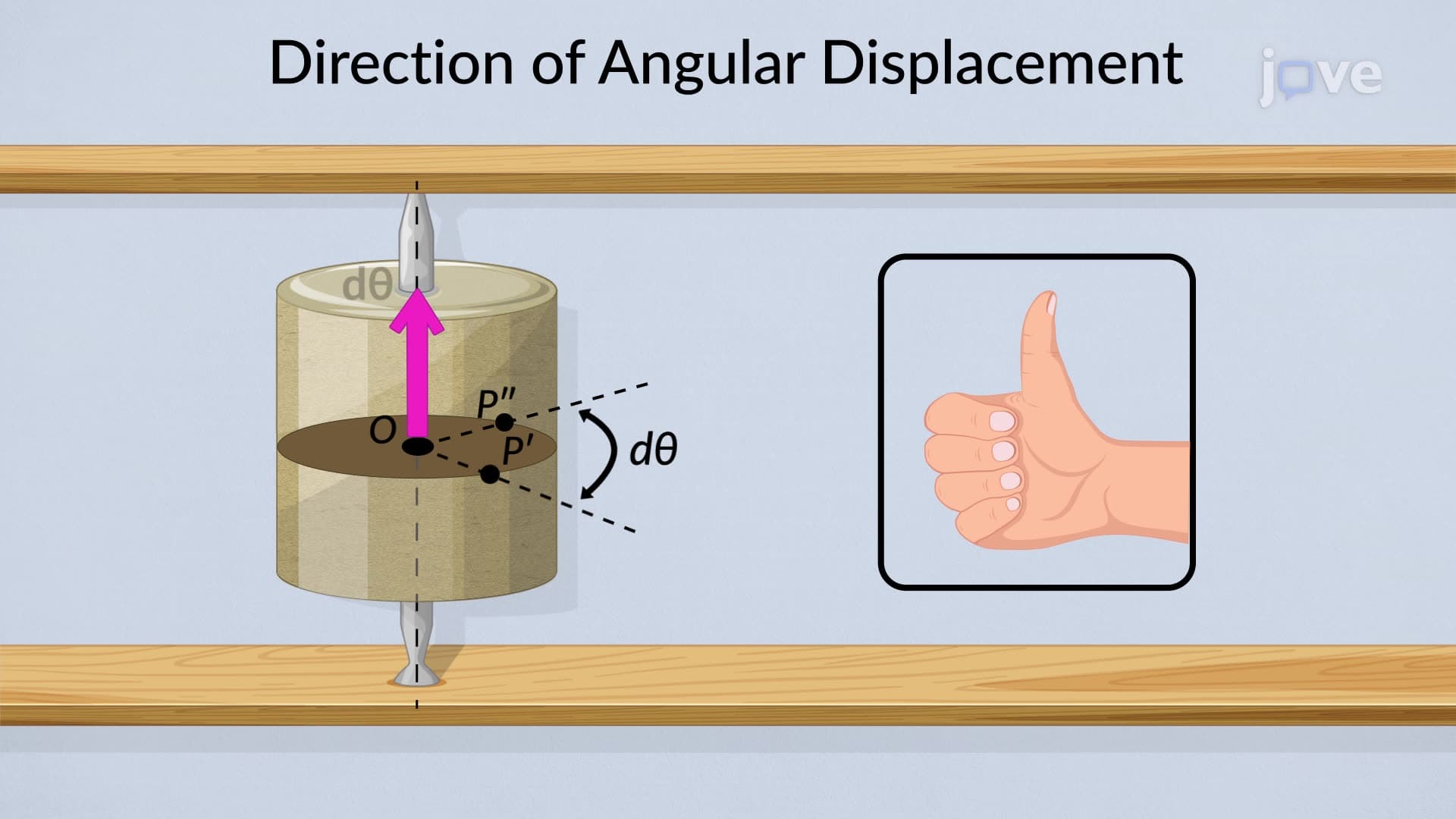
Kinematic equations for rotation form the mathematical foundation for analyzing circular motion in rigid bodies experiencing constant angular acceleration. These equations mirror their linear counterparts but describe rotational quantities instead of straight-line motion. Just as linear kinematics uses position, velocity, and acceleration, rotational kinematics employs angular displacement (θ), angular velocity (ω), and angular acceleration (α).
The core rotational kinematic equations include:
When analyzing rotating rigid bodies, every point follows a circular path with specific characteristics. The translational velocity at any point remains tangential to the circular path and can be expressed as v = ω × r, where ω represents the angular velocity vector and r is the position vector from the rotation axis. This cross product relationship ensures the velocity vector maintains proper direction relative to the rotation.
For example, consider a Ferris wheel at a California amusement park. Each passenger compartment experiences translational velocity that's always perpendicular to the radius vector connecting them to the wheel's center. The magnitude equals ωr, where r represents the wheel's radius.
Rotational acceleration involves two distinct components that work simultaneously. The tangential acceleration (aₜ = αr) describes changes in speed magnitude, while normal acceleration (aₙ = ω²r) accounts for directional changes as the object follows its curved path.
This concept proves essential in engineering applications. When designing automotive brake rotors, engineers must consider both acceleration components to ensure proper performance under various driving conditions across American highways.
These principles appear frequently on AP Physics exams and college mechanics courses. Students typically encounter problems involving rotating wheels, pulleys, and mechanical systems. The SAT Physics Subject Test often includes questions about rotating rigid bodies, making mastery of these concepts crucial for college-bound students.
Understanding rotational kinematics also prepares students for advanced topics in mechanical engineering, particularly in analyzing complex machinery like the turbines used in American power plants or the rotating components in manufacturing equipment.
Related Micro-courses