Loading subject page…


6,865 views


Video Summary: What Is Planar Rigid Body Motion
Ever wondered why a NASA rocket maintains perfect alignment during launch while spinning baseball creates those impossible curve balls? Planar rigid body motion governs these fascinating phenomena, describing how objects move when all particles stay at constant distances from a reference plane. From subway trains gliding straight down Manhattan tracks to roller coasters banking through Disney World loops, this fundamental physics concept explains three distinct motion types: rectilinear translation, curvilinear translation, and rotation about fixed axes. Watch the full video on JoVE Coach to master this concept with expert-led visuals and step-by-step explanations.
Planar rigid body motion represents one of the most practical applications of classical mechanics, governing everything from industrial machinery to everyday transportation. This motion occurs when every particle within a rigid object moves along paths that maintain constant perpendicular distances from a specified reference plane. Unlike particle motion, which focuses on single points, rigid body analysis considers entire objects where internal distances between particles remain fixed during movement.
Rectilinear translation appears throughout American infrastructure. Consider Chicago's elevated train system, where each car moves along perfectly straight tracks. Every point on the train-from the front coupler to the rear platform-follows parallel straight-line paths. The mathematical beauty lies in identical velocity and acceleration vectors for all particles, simplifying analysis for mechanical engineers designing transit systems.
Curvilinear translation presents more complex scenarios. NASA's Space Shuttle during orbital insertion exemplifies this motion type. While following a curved flight path, the shuttle maintains constant orientation relative to Earth's surface. Theme park designers at Universal Studios exploit curvilinear translation in water rides, where boats navigate winding channels while preserving passenger orientation for optimal viewing experiences.
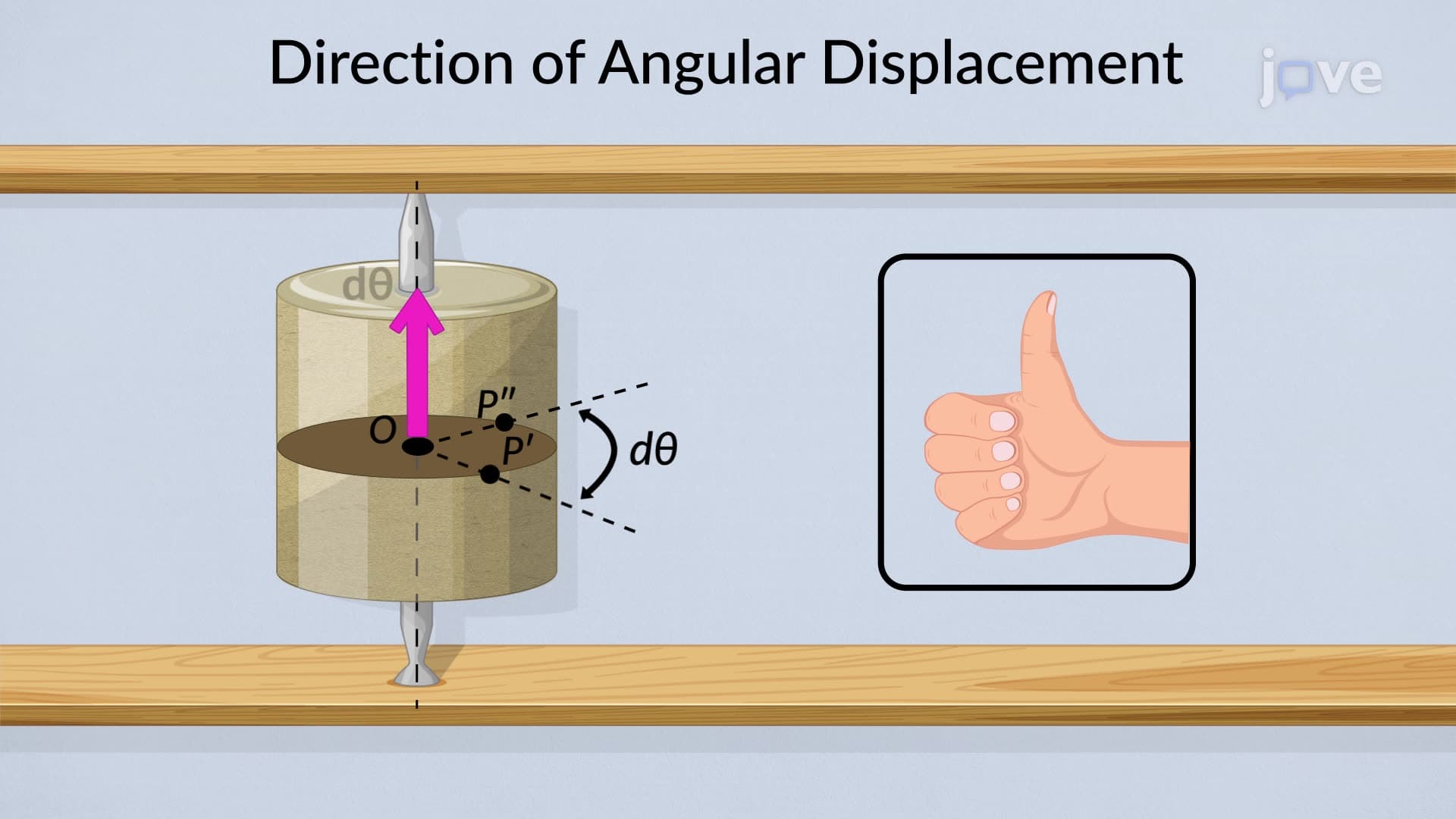
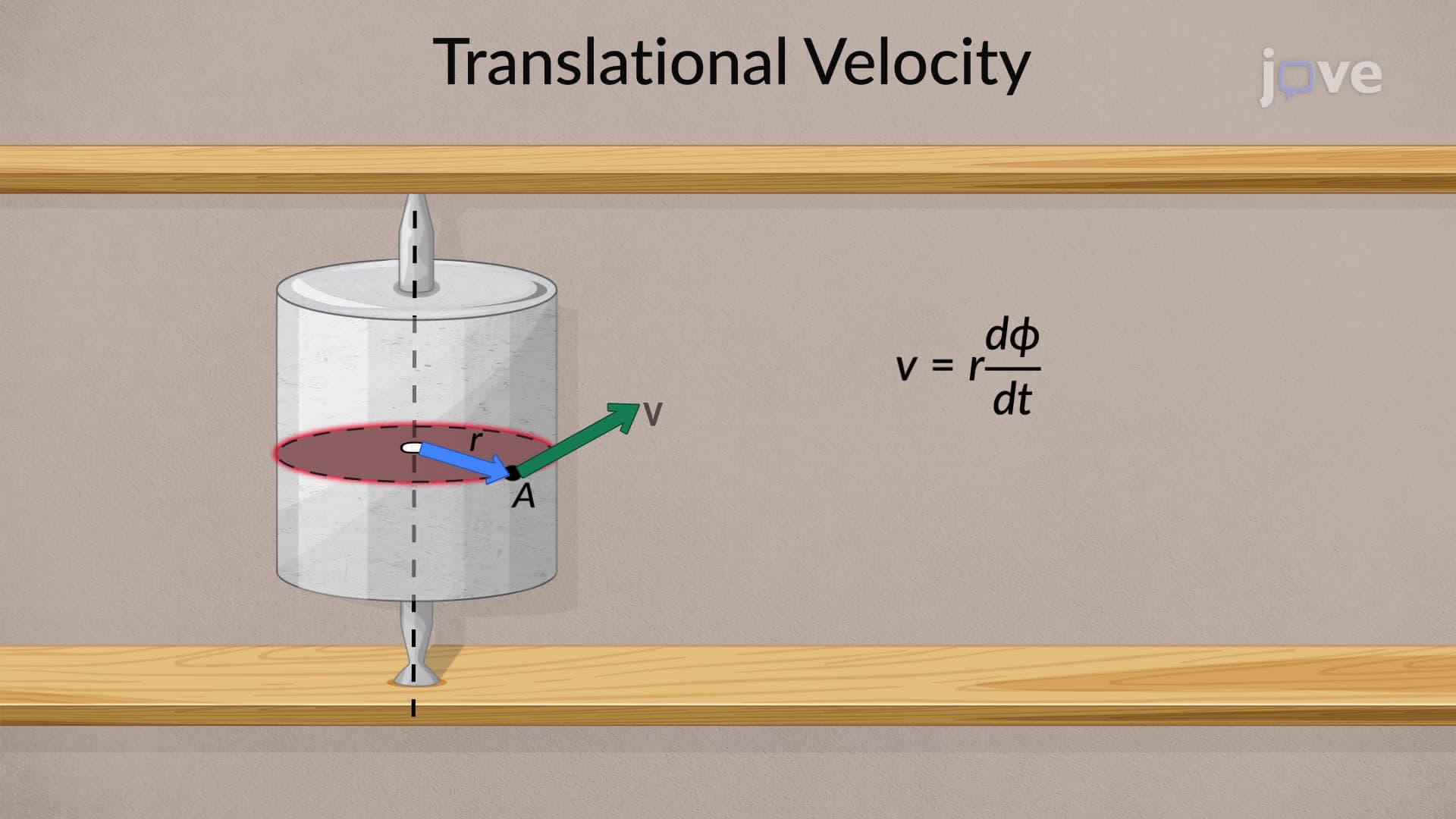
Pure rotation represents the third fundamental type, observable in power generation facilities across America. Wind turbines in Texas wind farms demonstrate fixed-axis rotation, where turbine blades sweep circular paths around stationary hub centers. Every particle except those on the rotation axis follows circular trajectories, with angular velocity remaining constant throughout the rigid structure.
This concept frequently appears on AP Physics C: Mechanics exams, where students must distinguish between translational and rotational kinetic energy components. College engineering students encounter these principles in dynamics courses, particularly when analyzing gear systems in automotive transmissions.
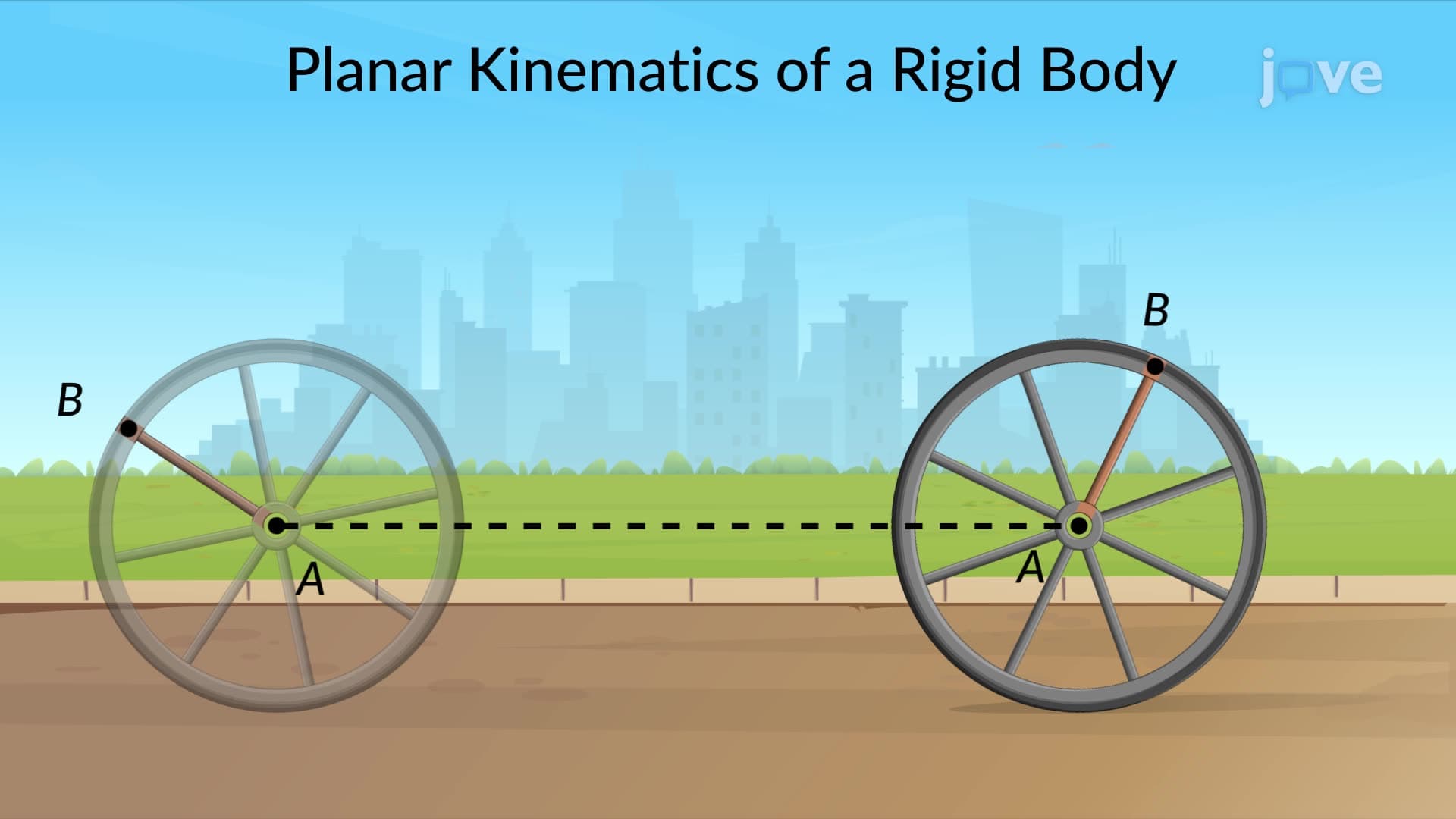
Real-world scenarios typically combine translation and rotation simultaneously. Professional baseball provides excellent examples-a pitched curveball exhibits general planar motion as it travels toward home plate while spinning about its axis. The Magnus effect, responsible for the ball's curved trajectory, results from this combined motion.
Manufacturing industries rely heavily on general planar motion analysis. Assembly line robots in Detroit automotive plants perform complex maneuvers combining linear positioning with rotational tool adjustments. Engineers must calculate both translational and rotational components to ensure precise part placement and optimal cycle times.
Related Micro-courses