Loading subject page…


6,865 views

Video Summary: What Is Relative Motion Analysis Velocity
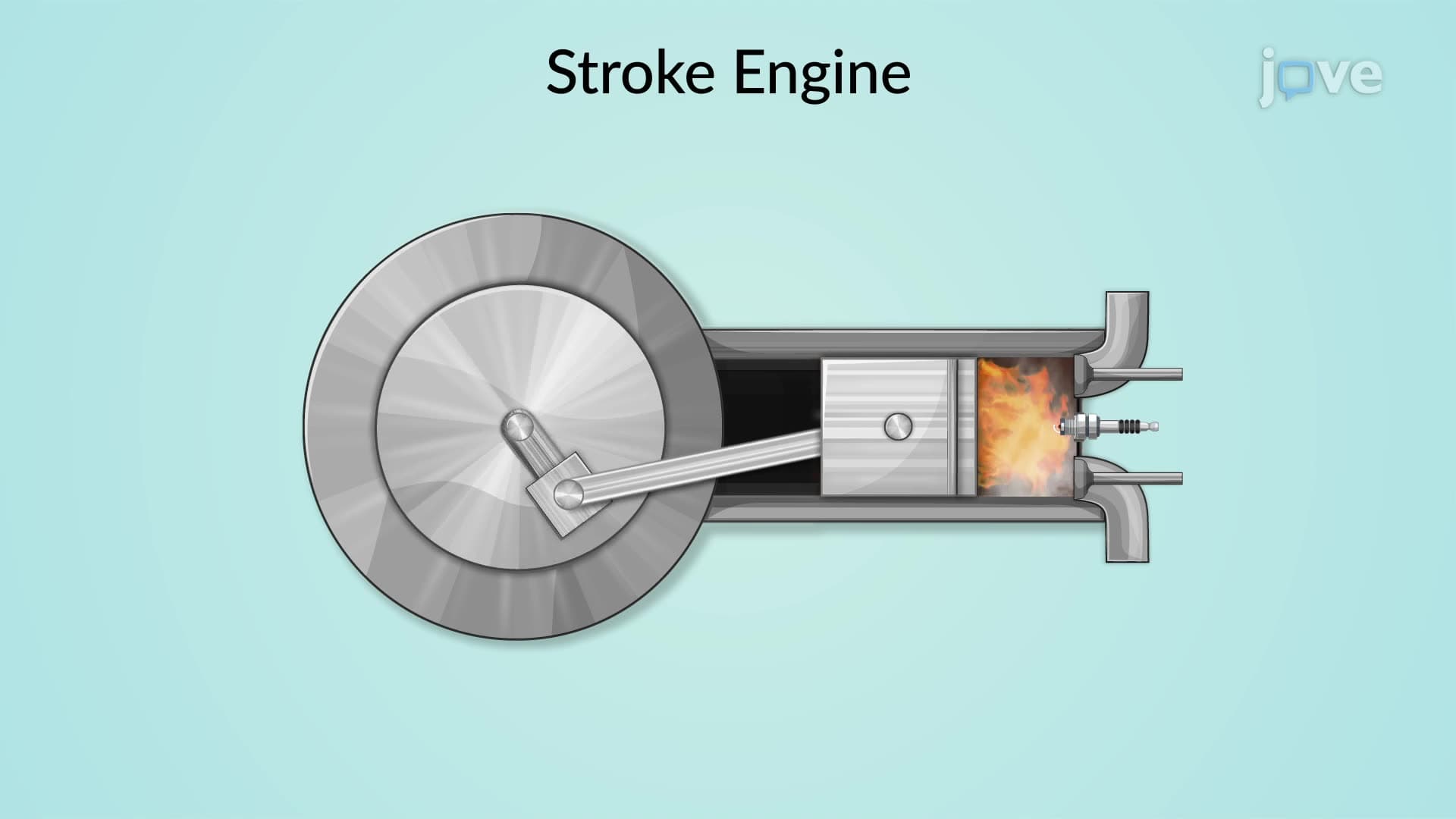
Ever wonder how a car engine converts rotational motion into the linear movement that drives your vehicle forward? Relative motion analysis velocity is the key engineering principle that makes this possible in slider-crank mechanisms found in automotive engines across America. This fundamental concept in kinematics examines how points move relative to each other, combining translational and rotational motions through vector analysis. Understanding what is relative motion analysis velocity helps engineers design everything from Ford F-150 engines to industrial manufacturing equipment. Watch the full video on JoVE Coach to master this concept with expert-led visuals and step-by-step explanations.
Relative motion analysis velocity represents a cornerstone concept in mechanical engineering kinematics, particularly essential for analyzing complex mechanisms like those found in American automotive and aerospace industries. This analytical approach allows engineers to break down complicated motion patterns into manageable components by examining how different points move relative to each other, rather than focusing solely on their absolute positions in space.
The power of this relative motion analysis velocity concept becomes evident when studying slider-crank mechanisms-the heart of internal combustion engines powering millions of vehicles across the United States. From the Chevrolet Silverado's V8 engine to Tesla's manufacturing robots, understanding how rotational motion converts to linear motion through relative velocity analysis is fundamental to modern engineering design.
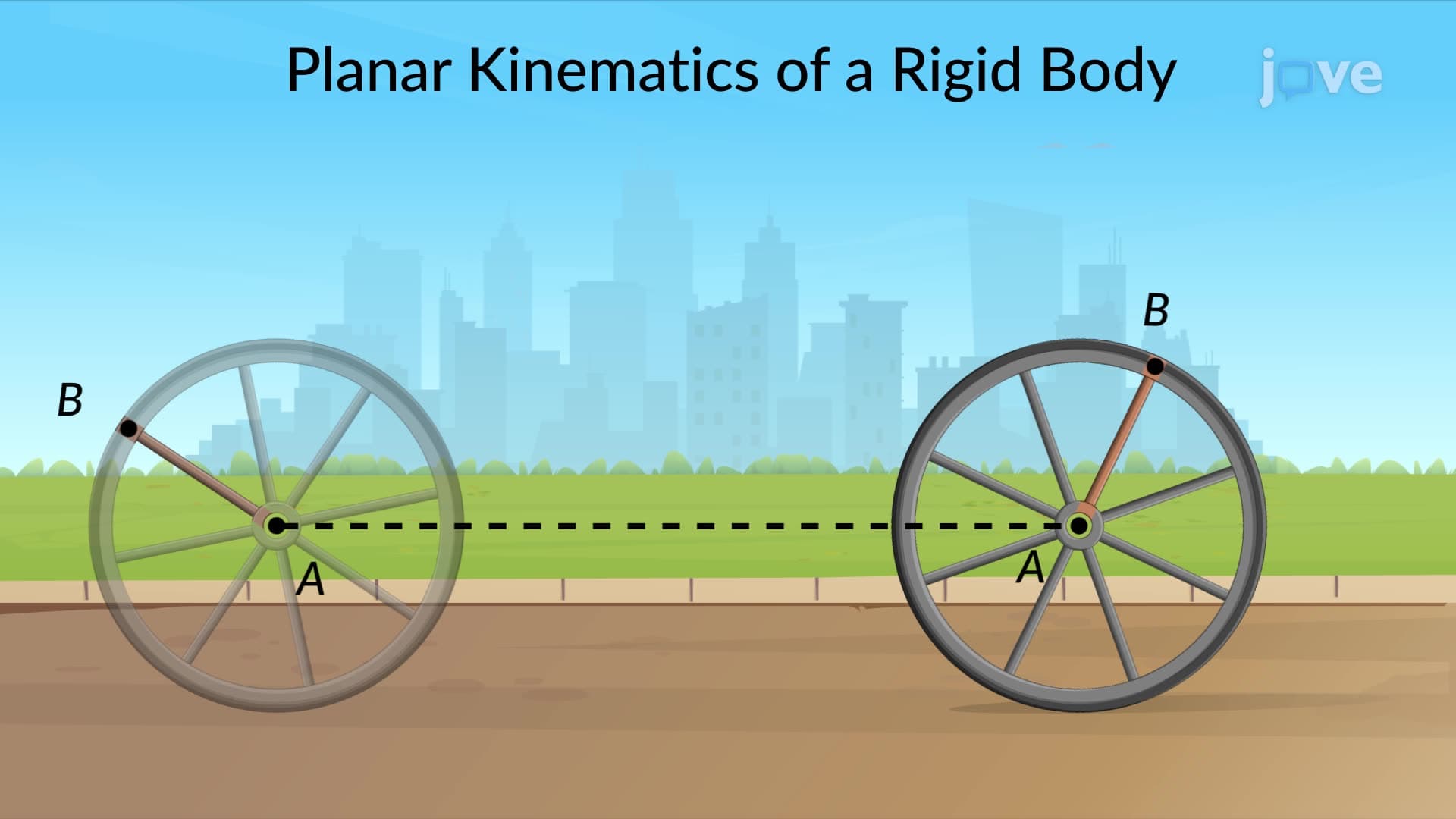
The mathematical foundation relies on vector addition principles where the absolute velocity of any point equals the vector sum of a reference point's velocity plus the relative velocity between them. For a point B moving relative to point A, we express this as: v(B) = v(A) + v(B relative to A). This relative motion analysis velocity definition emphasizes that motion is always described relative to some reference frame.
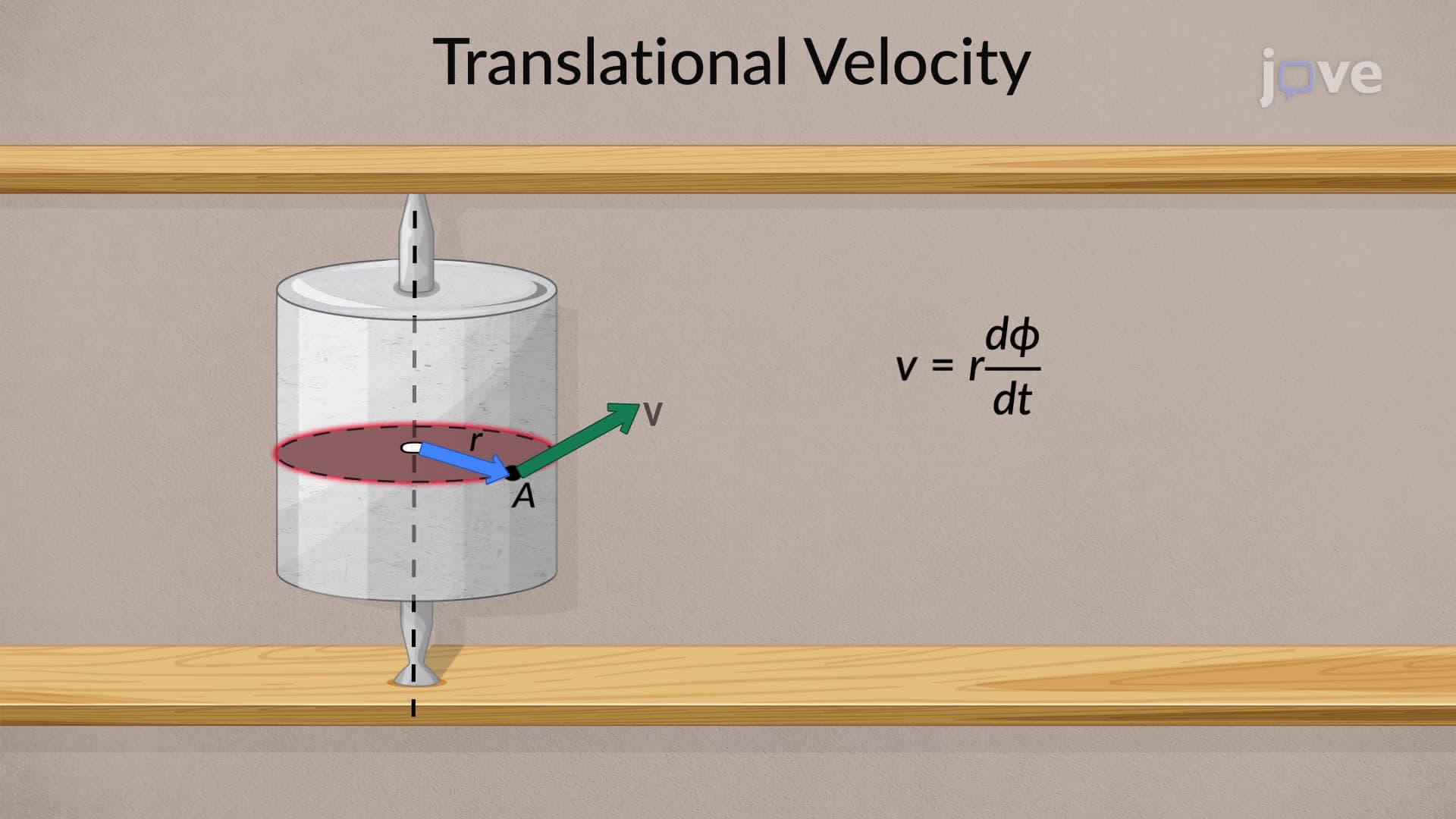
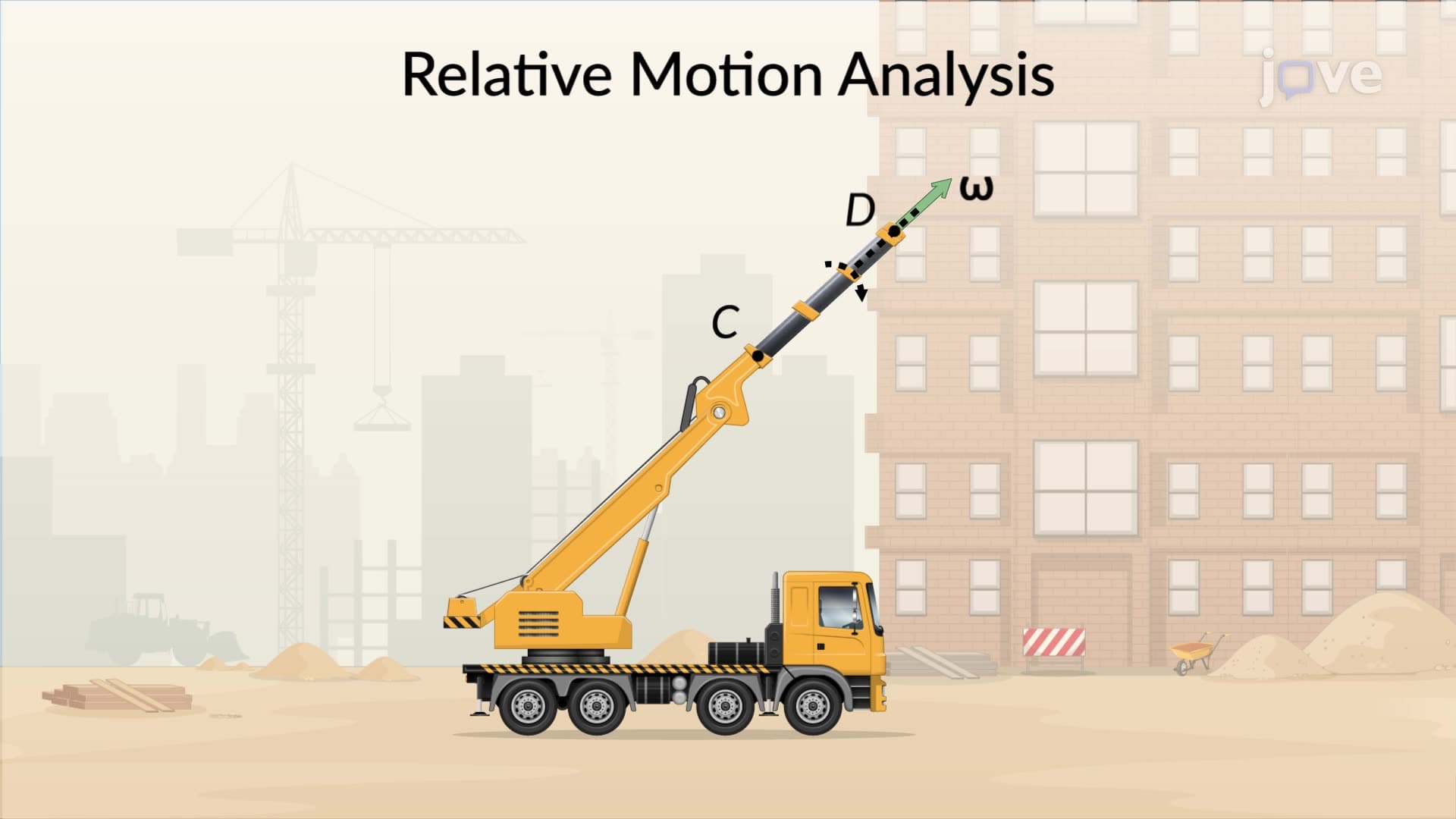
Students preparing for AP Physics or college-level dynamics courses must grasp that the relative velocity component v(B relative to A) specifically represents rotational motion, always perpendicular to the line connecting points A and B. This perpendicular relationship is crucial for solving problems involving connecting rods, robotic arms, and mechanical linkages commonly found in SAT Subject Test physics problems.
Understanding relative motion analysis velocity proves invaluable when analyzing real systems like the assembly line robots at Ford's Michigan plants or the landing gear mechanisms in Boeing aircraft manufactured in Washington state. Engineers use translating coordinate frames-reference systems that move with specific points-to simplify complex calculations involving multiple moving components.
This approach particularly benefits students tackling MCAT physics sections or engineering mechanics coursework, where problems often involve analyzing mechanical advantages in systems ranging from construction equipment to biomedical devices. The relative motion analysis velocity study guide approach helps break down seemingly complex problems into fundamental vector operations that students can master systematically.
Related Micro-courses