Loading video…


 14 Concepts
 25.7K views
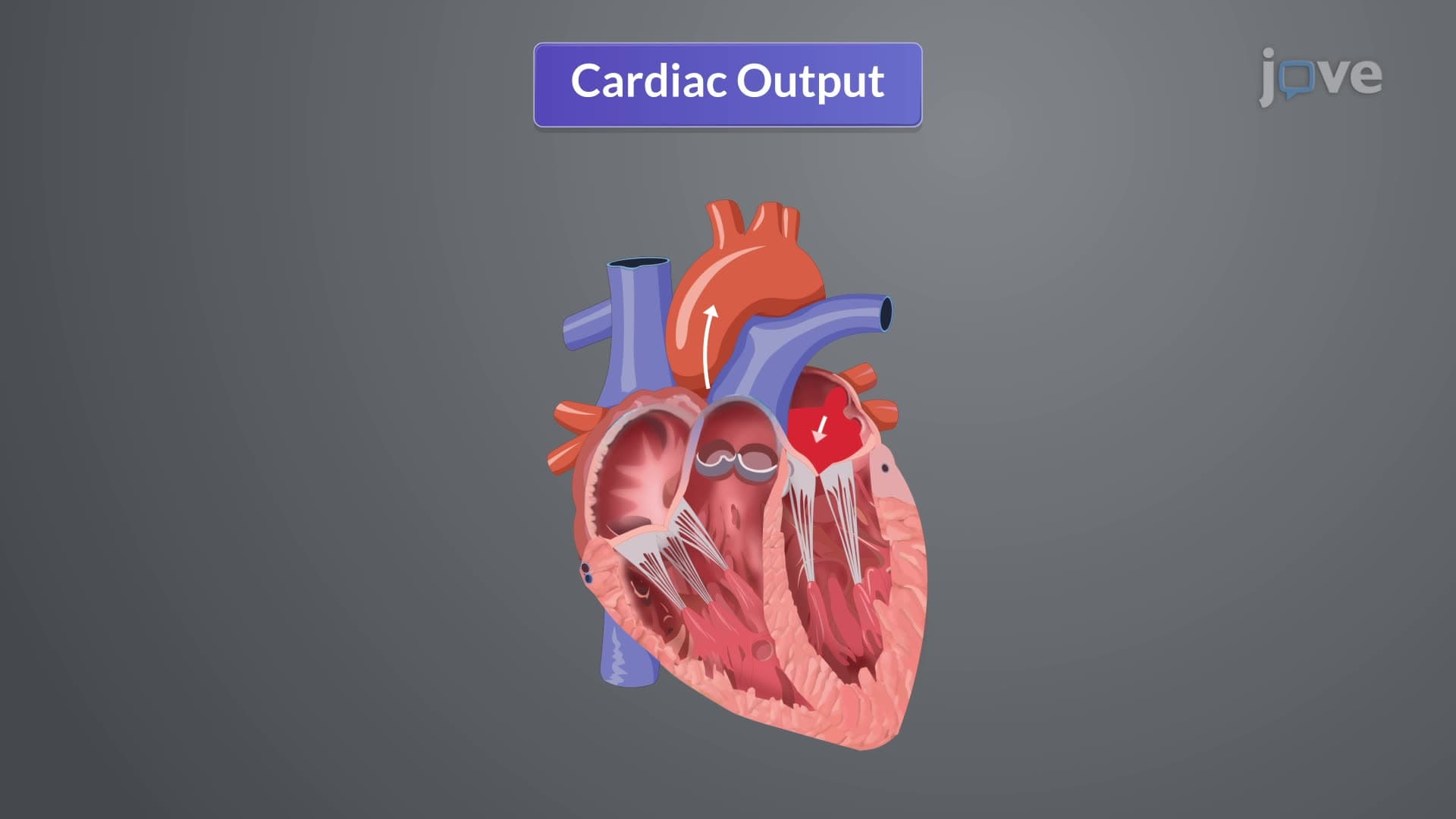

Video Summary: Cardiac Output Ii Effect of Explained
Did you know that during a single marathon, your heart pumps nearly 2,000 gallons of blood? The cardiac output ii effect of preload, afterload, and contractility determines how efficiently your heart delivers oxygen-rich blood throughout your body. When emergency room doctors at Johns Hopkins treat heart attack patients, they must quickly assess these three factors to restore optimal cardiac function. Understanding the Cardiac Output II Effect of Explained concept reveals how your heart adapts to changing demands, from climbing stairs to running track. Watch the full video on JoVE Coach to master this concept with expert-led visuals and step-by-step explanations.
The heart's ability to pump blood effectively depends on three interconnected factors that collectively determine stroke volume-the foundation of cardiac output. While cardiac output equals heart rate multiplied by stroke volume, the cardiac output ii effect of preload, afterload, and contractility reveals the sophisticated mechanisms governing cardiovascular performance.
Preload represents the degree of ventricular muscle fiber stretch just before contraction begins. Think of it as loading a rubber band-the more you stretch it initially, the more forcefully it snaps back. In cardiac terms, greater venous return creates higher preload, stretching ventricular walls and priming them for stronger contractions through the Frank-Starling mechanism.
Clinical scenarios dramatically illustrate preload's importance. When trauma patients lose blood volume at Level I trauma centers like those at UCLA Medical Center, decreased preload immediately reduces stroke volume and cardiac output. Conversely, IV fluid administration rapidly restores preload, improving cardiac performance. Students preparing for the MCAT should recognize that conditions affecting venous return-from standing up quickly to severe dehydration-directly impact preload and subsequent cardiac output.
Afterload represents the pressure resistance the left ventricle must overcome during systole to eject blood into the aorta. Higher afterload forces the heart to work harder, potentially reducing the volume of blood ejected per beat. Imagine trying to squeeze water from a bottle through progressively smaller openings-increased resistance makes the task more difficult.
Hypertension exemplifies elevated afterload in practice. When blood pressure readings consistently exceed 140/90 mmHg, the left ventricle faces increased workload with each contraction. This explains why antihypertensive medications that reduce afterload, such as ACE inhibitors, can improve cardiac output in heart failure patients. AP Biology students should understand that arterial vasoconstriction increases afterload, while vasodilation decreases it.
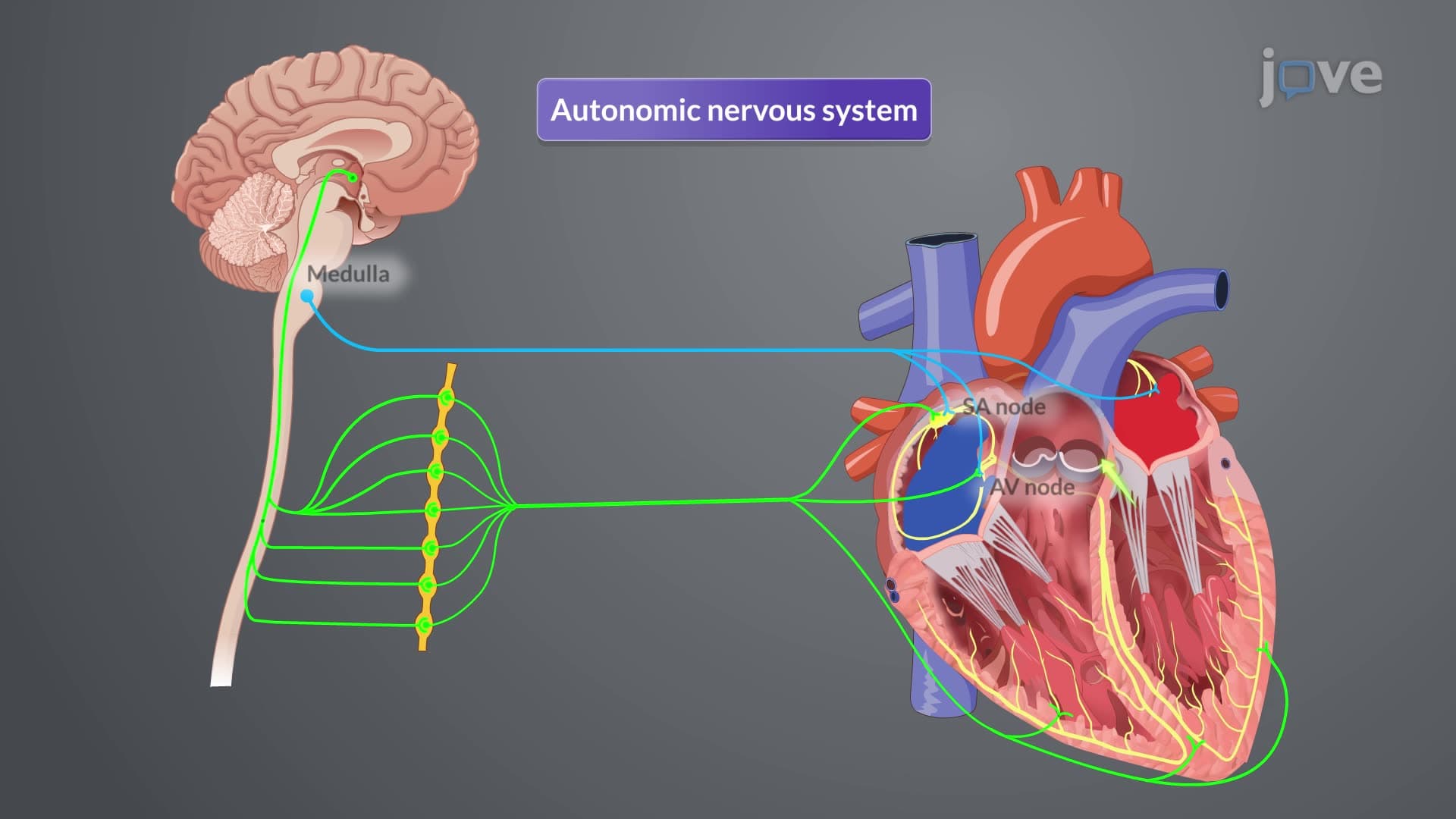
Contractility refers to the heart muscle's inherent ability to contract forcefully, independent of preload and afterload. Enhanced contractility means stronger, more efficient contractions that eject more blood per beat. The sympathetic nervous system dramatically influences contractility through norepinephrine and epinephrine release.
During emergency situations, such as those encountered by paramedics in Chicago's emergency medical system, sympathetic activation increases contractility, boosting cardiac output to meet increased metabolic demands. Medications like dobutamine directly enhance contractility in critically ill patients, while conditions like hypoxia and acidosis impair contractile function. College physiology students should recognize that contractility changes represent the heart's ability to adapt its performance beyond simple mechanical factors.
Related Micro-courses