Loading video…

 14 Concepts
 25.7K views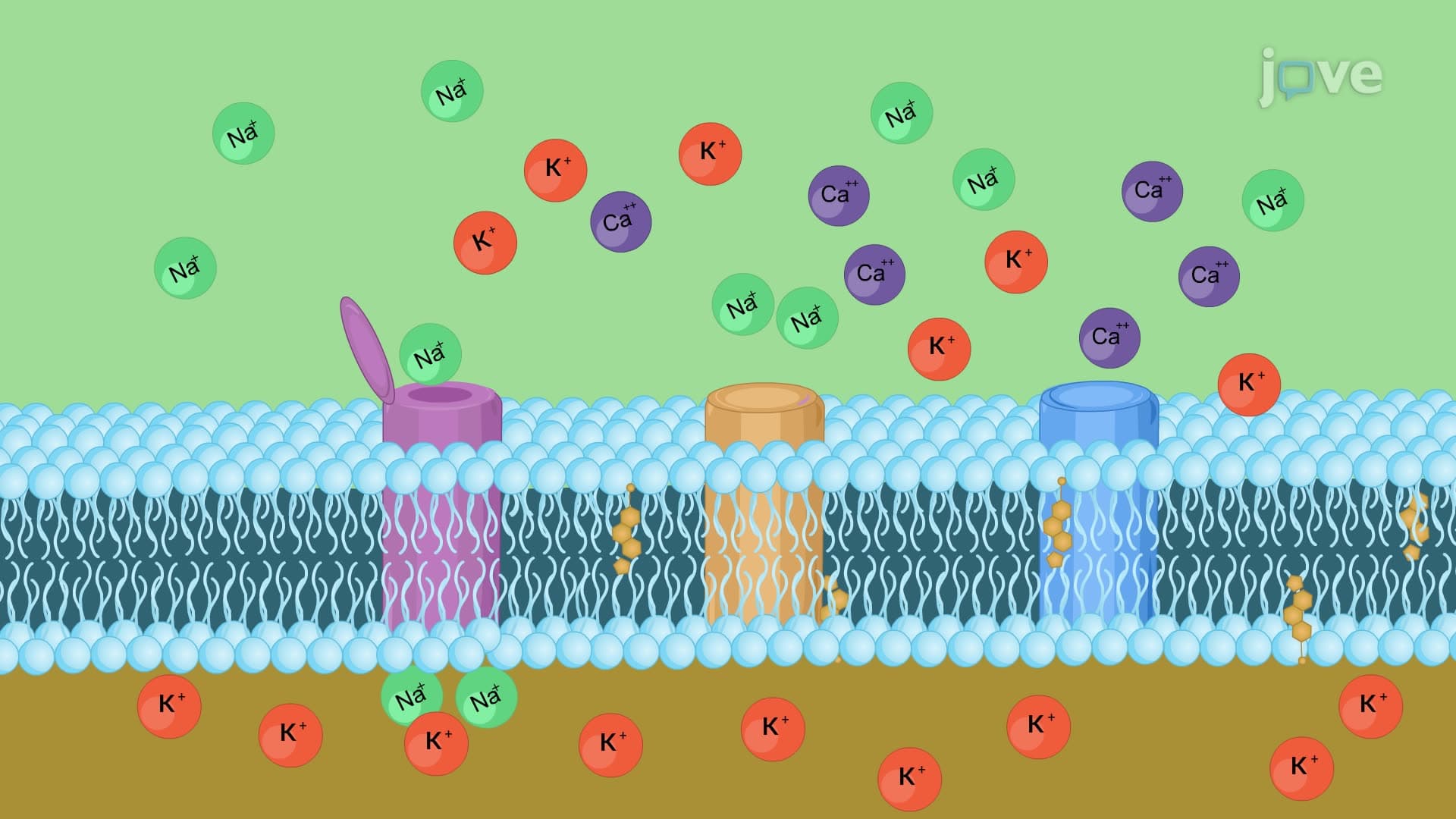

Video Summary: What Is Cardiac Action Potential
Every second, your heart beats approximately 60-100 times thanks to precisely coordinated electrical signals-but what triggers each heartbeat at the cellular level? The cardiac action potential is the fundamental electrical event that causes heart muscle cells to contract in perfect synchrony. Consider how defibrillators used in US emergency rooms work by resetting these electrical patterns when they malfunction. Watch the full video on JoVE Coach to master this concept with expert-led visuals and step-by-step explanations.
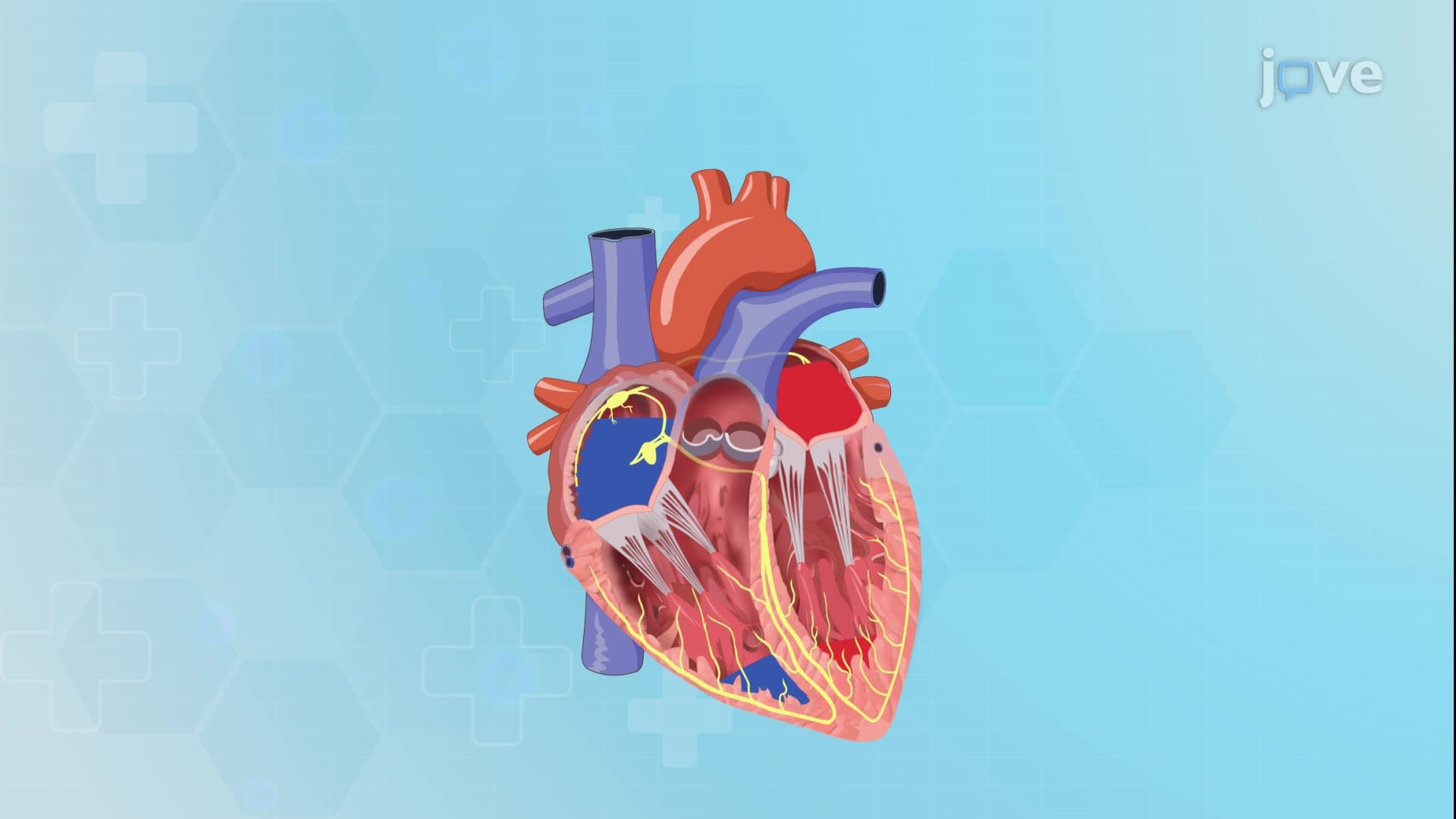
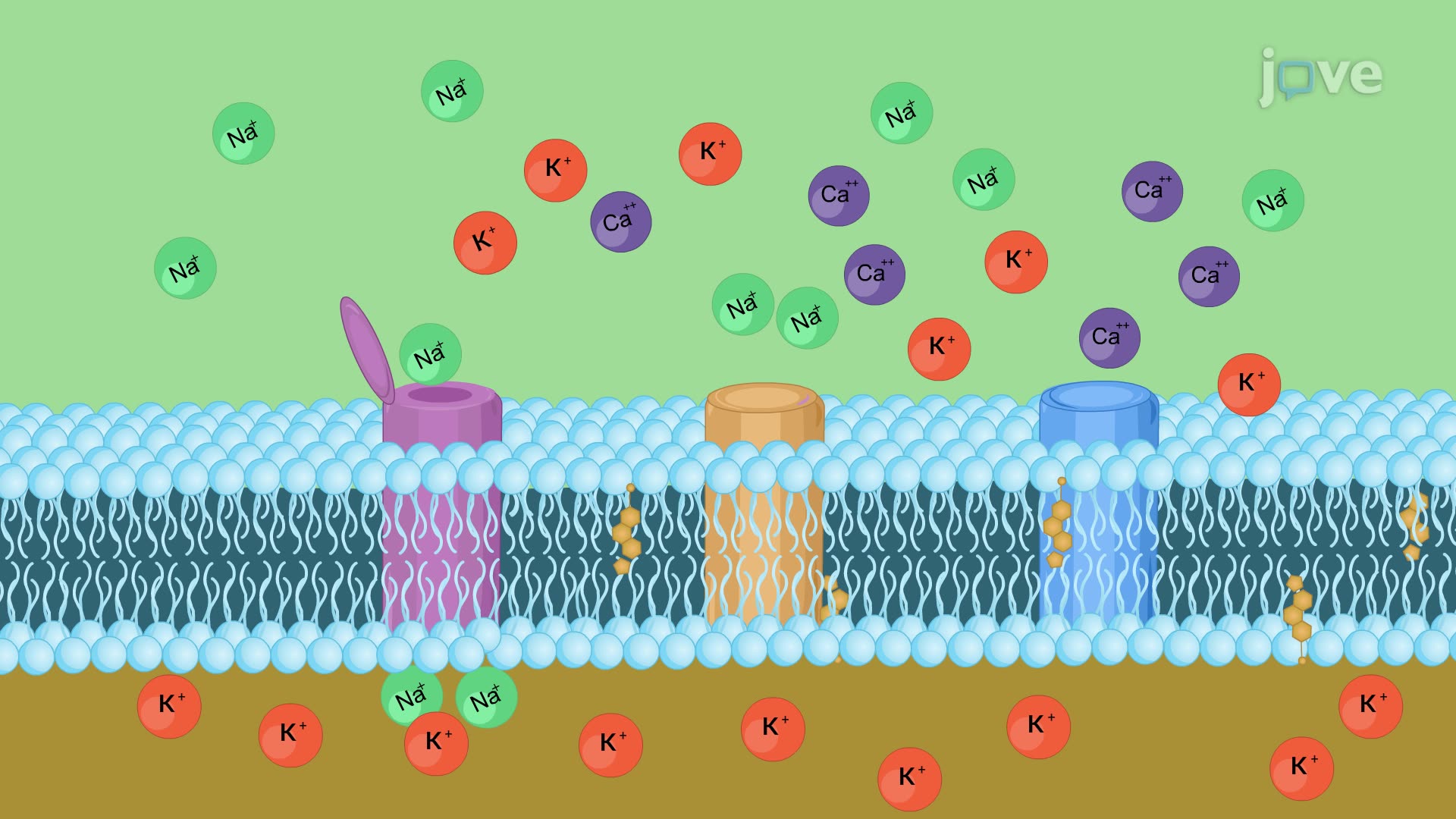
The cardiac action potential represents one of the most precisely orchestrated electrical events in human physiology. Unlike simple on-off switches, cardiac cells undergo a complex five-phase electrical cycle that ensures your heart contracts with perfect timing approximately 100,000 times daily. This sophisticated process involves coordinated ion movements across specialized membrane channels, creating the electrical foundation for every heartbeat.
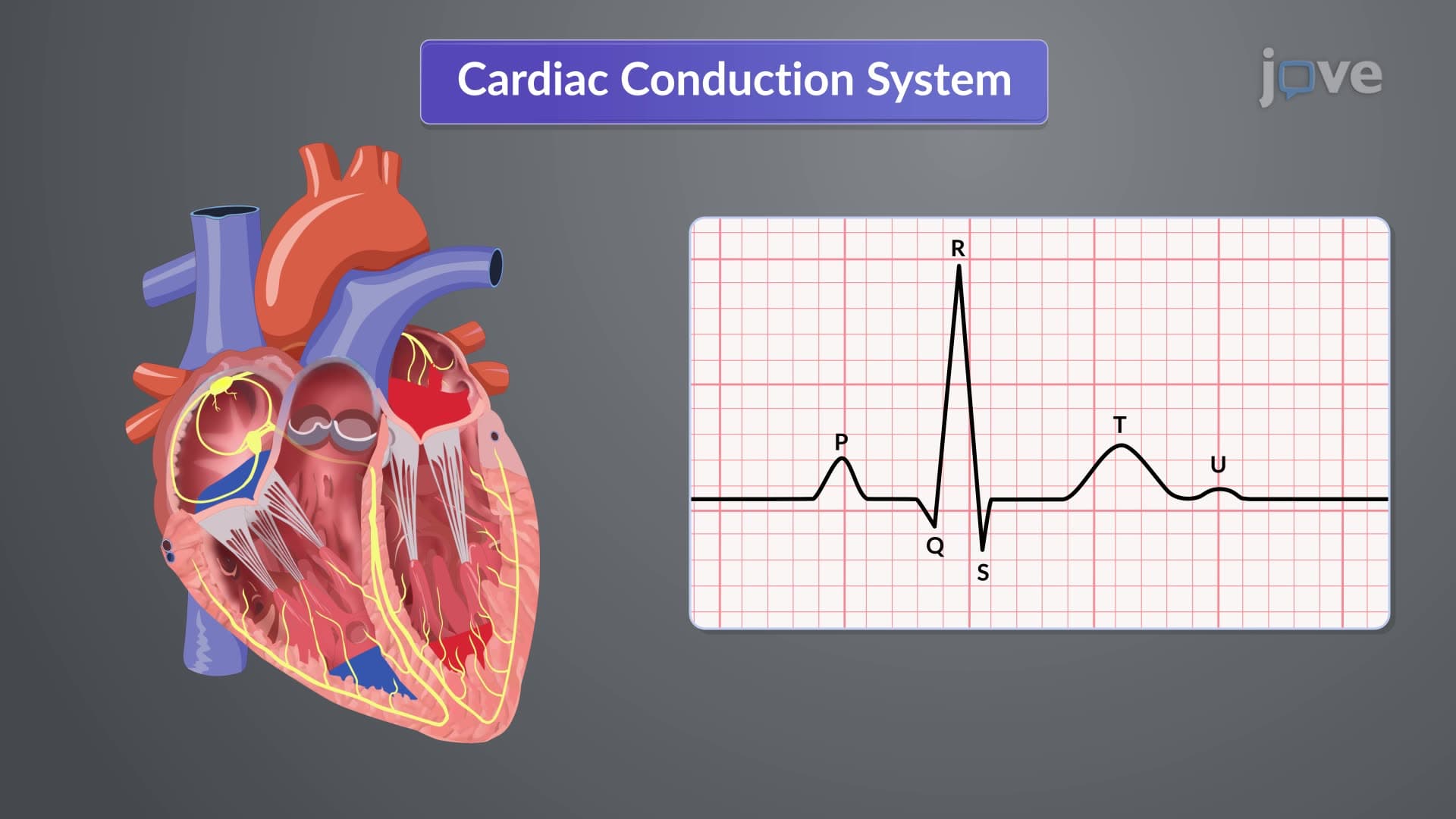
Phase 0 (Rapid Depolarization) marks the explosive beginning when fast sodium channels open, allowing massive sodium influx. In ventricular and atrial myocytes, this creates the sharp upstroke seen on electrocardiograms in US hospitals. However, pacemaker cells in the sinoatrial node use slower calcium channels instead, explaining why heart rate can be modified by calcium channel blockers prescribed by American cardiologists.
Phase 1 (Initial Repolarization) involves brief potassium outflow that slightly reduces membrane potential. This quick dip prepares the cell for the crucial plateau phase that makes cardiac muscle unique among all body tissues.
Phase 2 (Plateau Phase) represents the cardiac action potential's most distinctive feature. Calcium influx perfectly balances potassium outflow, maintaining depolarization for 200-300 milliseconds. This extended plateau prevents the heart from entering tetanic contractions like skeletal muscle, ensuring proper filling between beats-a concept frequently tested on the MCAT and AP Biology exams.
Phase 3 (Final Repolarization) sees potassium dominance as calcium channels close. This phase determines how quickly the heart can reset for the next beat, directly influencing maximum heart rate during exercise.
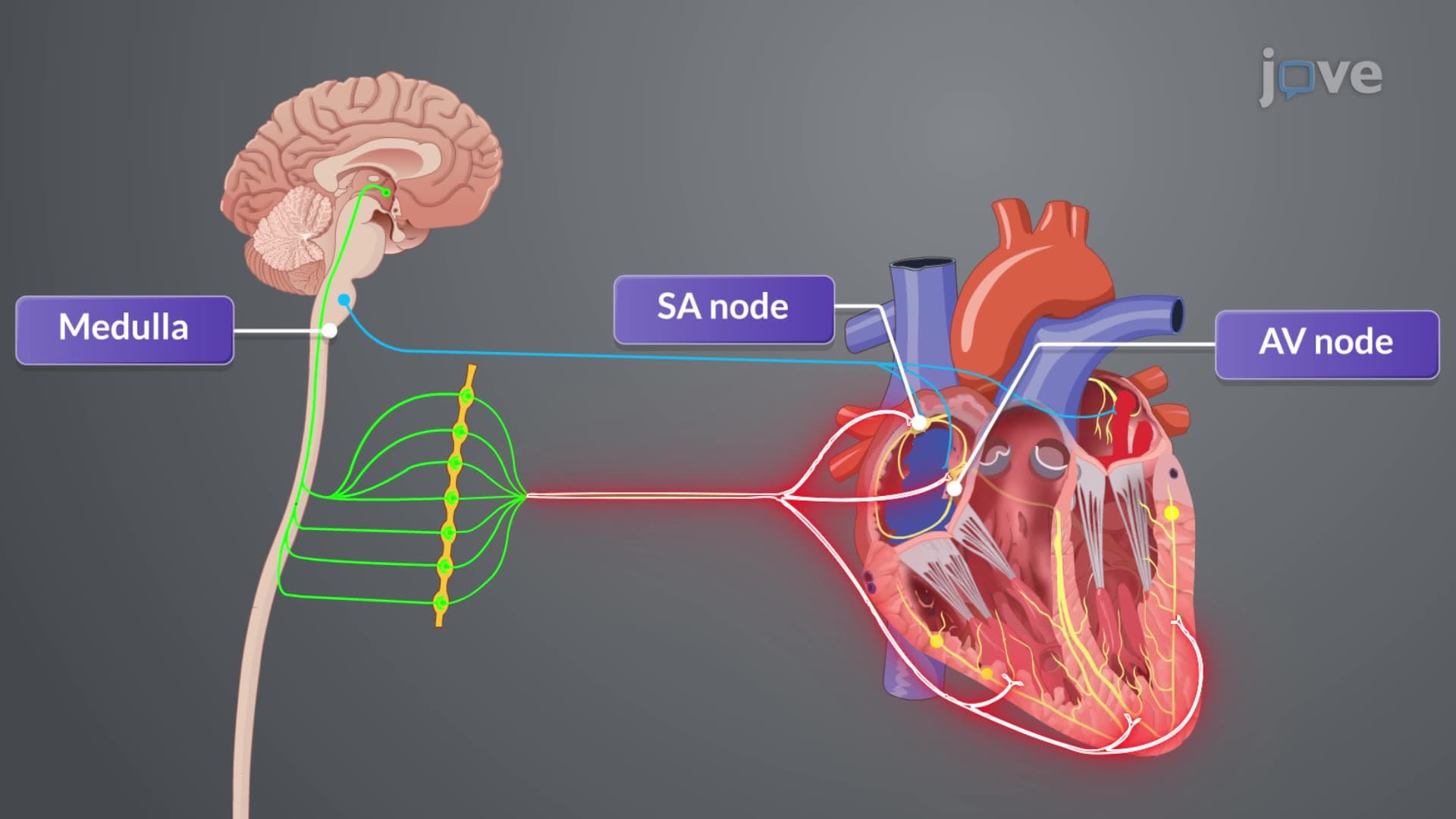
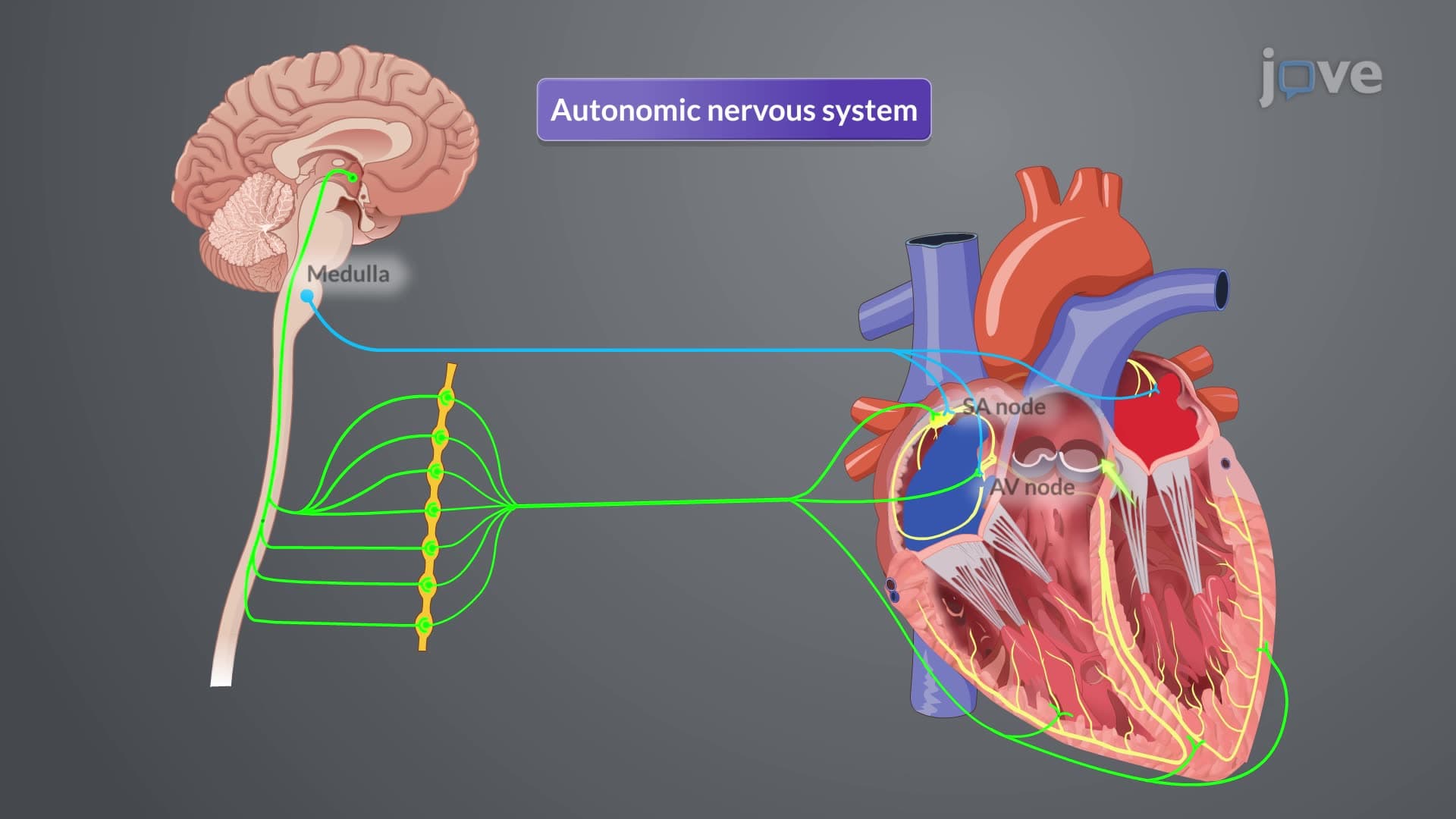
Phase 4 (Resting Potential) maintains cellular readiness until the next cycle begins. In pacemaker cells, this phase shows gradual depolarization that creates the heart's inherent rhythm.
Understanding cardiac action potential proves essential for US healthcare students preparing for USMLE Step 1, where questions often focus on antiarrhythmic drug mechanisms. Beta-blockers affect Phase 4 slope in pacemaker cells, while calcium channel blockers primarily target Phase 0 in nodal tissue. This knowledge directly applies to treating patients with atrial fibrillation, the most common arrhythmia affecting over 6 million Americans.
For high school students taking AP Biology, cardiac action potential exemplifies how structure determines function-specialized ion channels create the electrical pattern that enables mechanical pumping. College anatomy and physiology courses frequently test this concept through ECG interpretation and drug mechanism questions.
Related Micro-courses