Loading video…


 14 Concepts
 25.7K views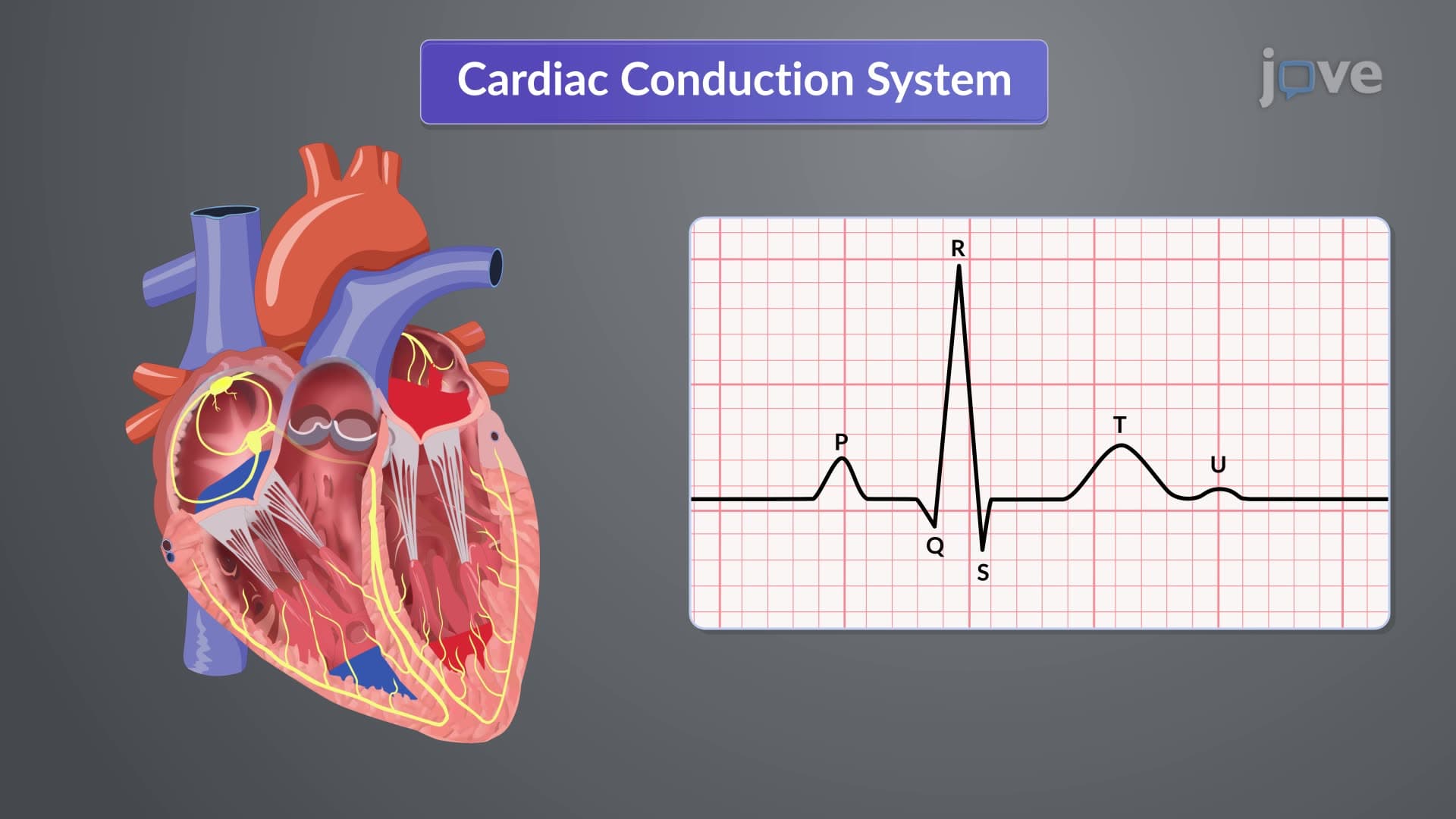

Video Summary: What Is Conduction System Heart
Your heart beats roughly 100,000 times daily without conscious thought-but what controls this remarkable precision? The heart conduction system anatomy orchestrates every heartbeat through specialized electrical pathways, much like the wiring in a hospital's cardiac monitoring unit at Johns Hopkins. This intricate network ensures your heart's chambers contract in perfect sequence, pumping blood efficiently throughout your body. What is conduction system heart functionality reveals how electrical impulses travel from natural pacemaker cells to coordinate each life-sustaining beat. Watch the full video on JoVE Coach to master this concept with expert-led visuals and step-by-step explanations.
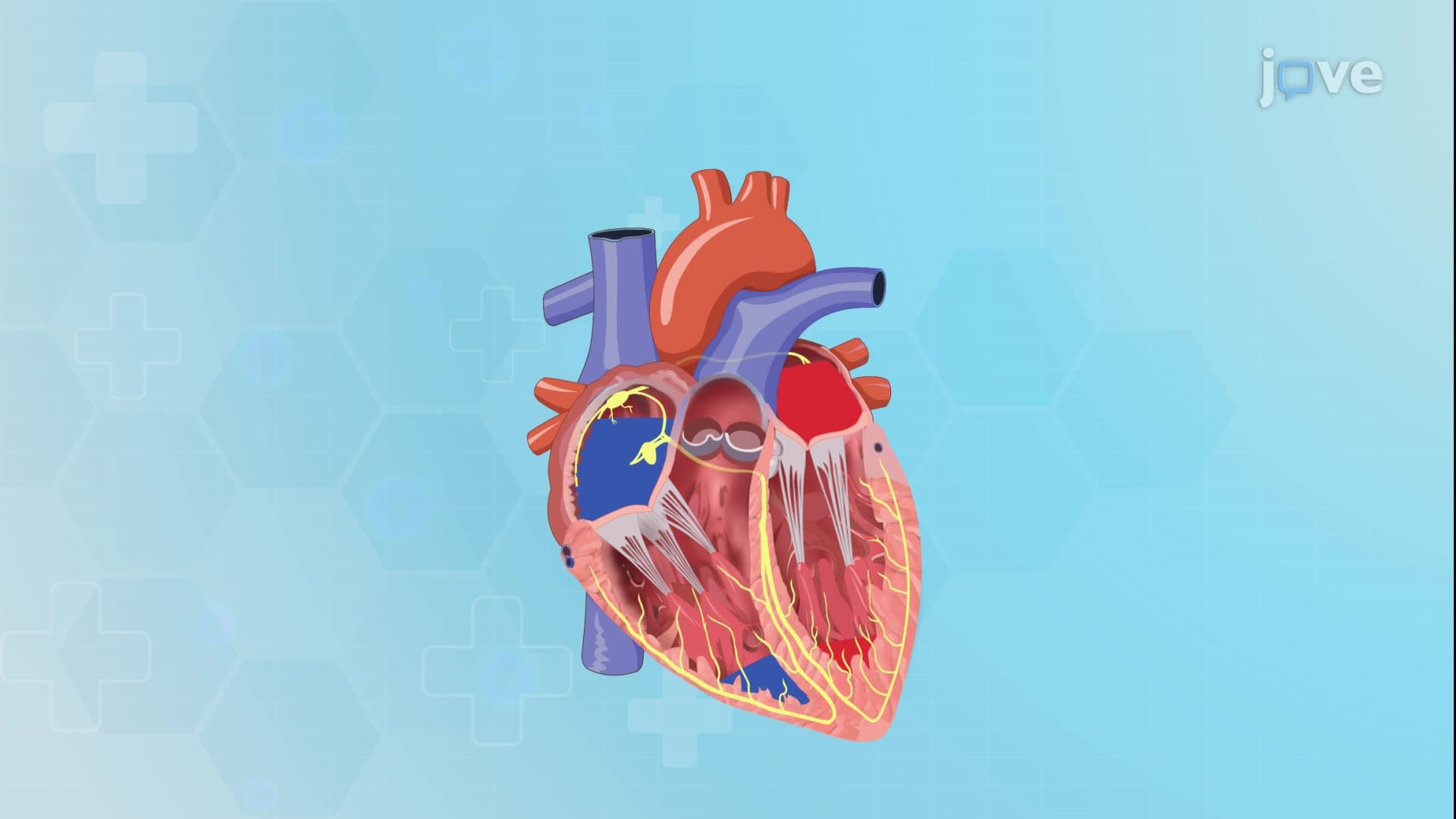
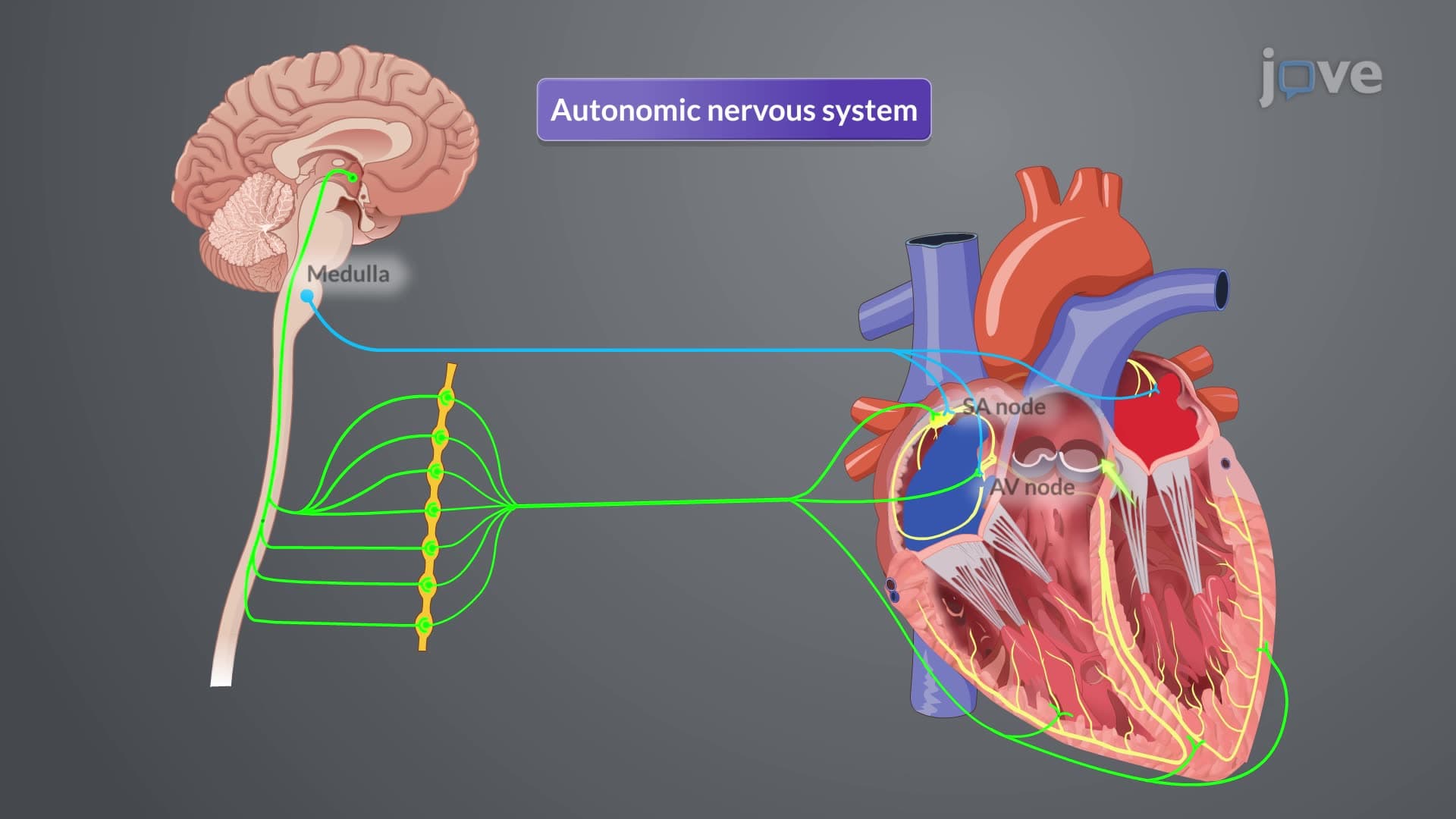
The cardiac conduction system explained reveals nature's most sophisticated electrical network, rivaling any engineered system. Unlike skeletal muscle that requires nerve stimulation, cardiac muscle generates its own electrical impulses through specialized cells called autorhythmic cells. This intrinsic capability ensures your heart continues beating even during spinal cord injuries that paralyze voluntary muscles.
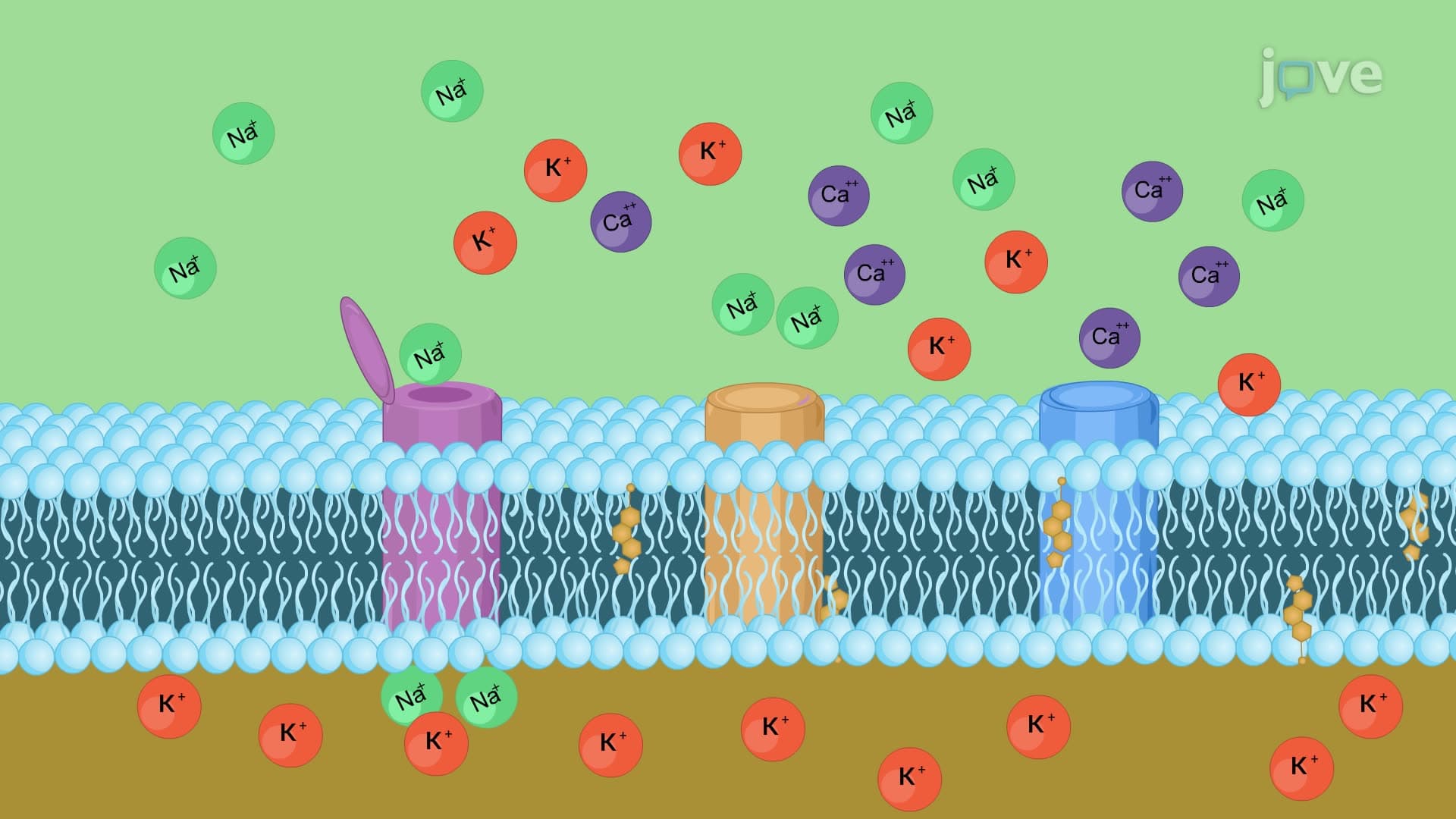
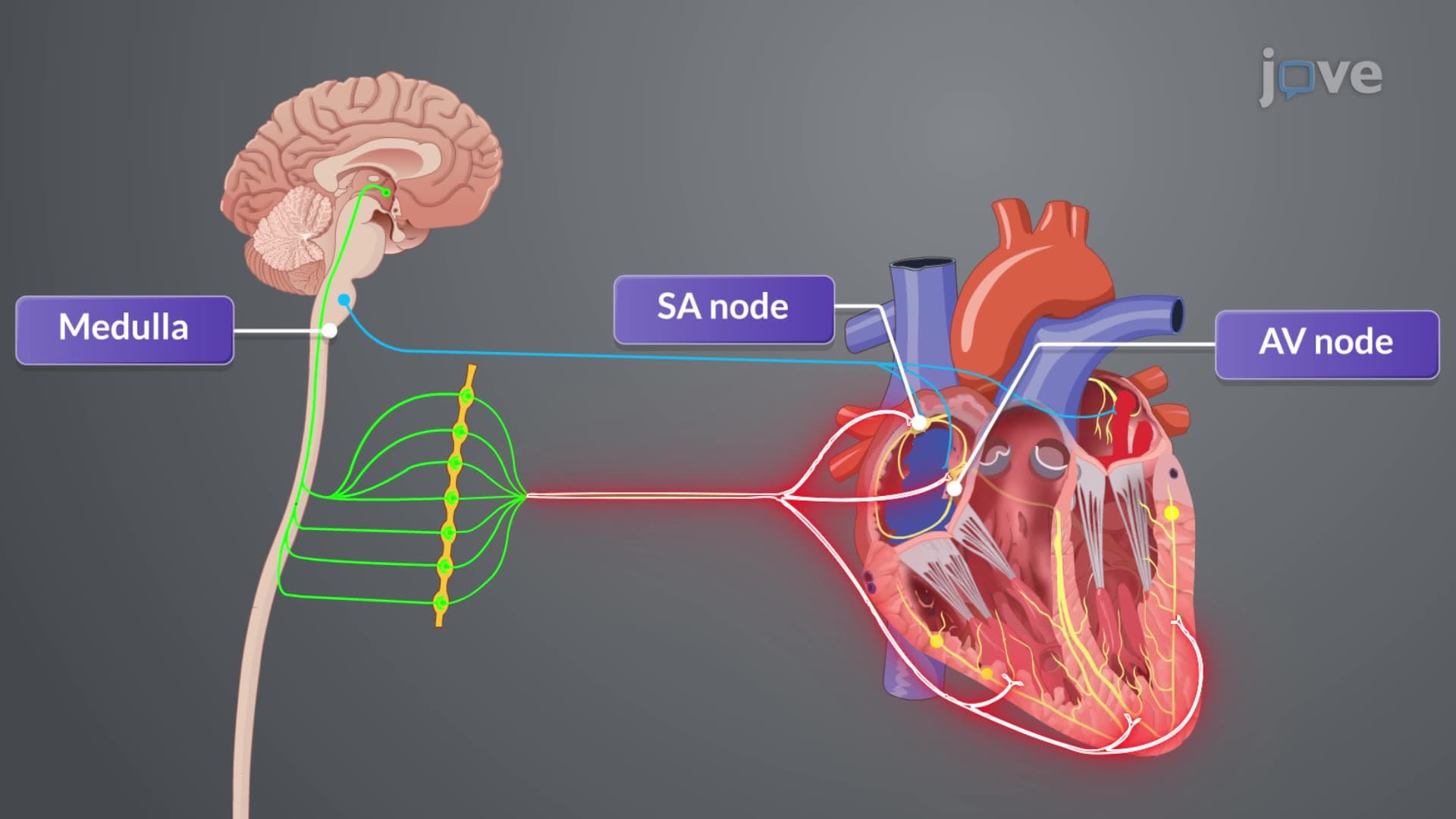
Located where the superior vena cava meets the right atrium, the SA node serves as the primary cardiac pacemaker conduction center. These specialized cells spontaneously depolarize 60-100 times per minute, establishing normal sinus rhythm. The action potential conduction heart begins here when sodium and calcium channels open, creating the characteristic upstroke seen on electrocardiograms (EKGs) in US hospitals.
When studying for the MCAT or AP Biology, remember that SA node dysfunction can cause bradycardia (slow heart rate) or sick sinus syndrome, conditions frequently tested in clinical scenarios. The node's automaticity means it doesn't require external stimulation-a crucial concept for understanding cardiac independence from nervous system control.
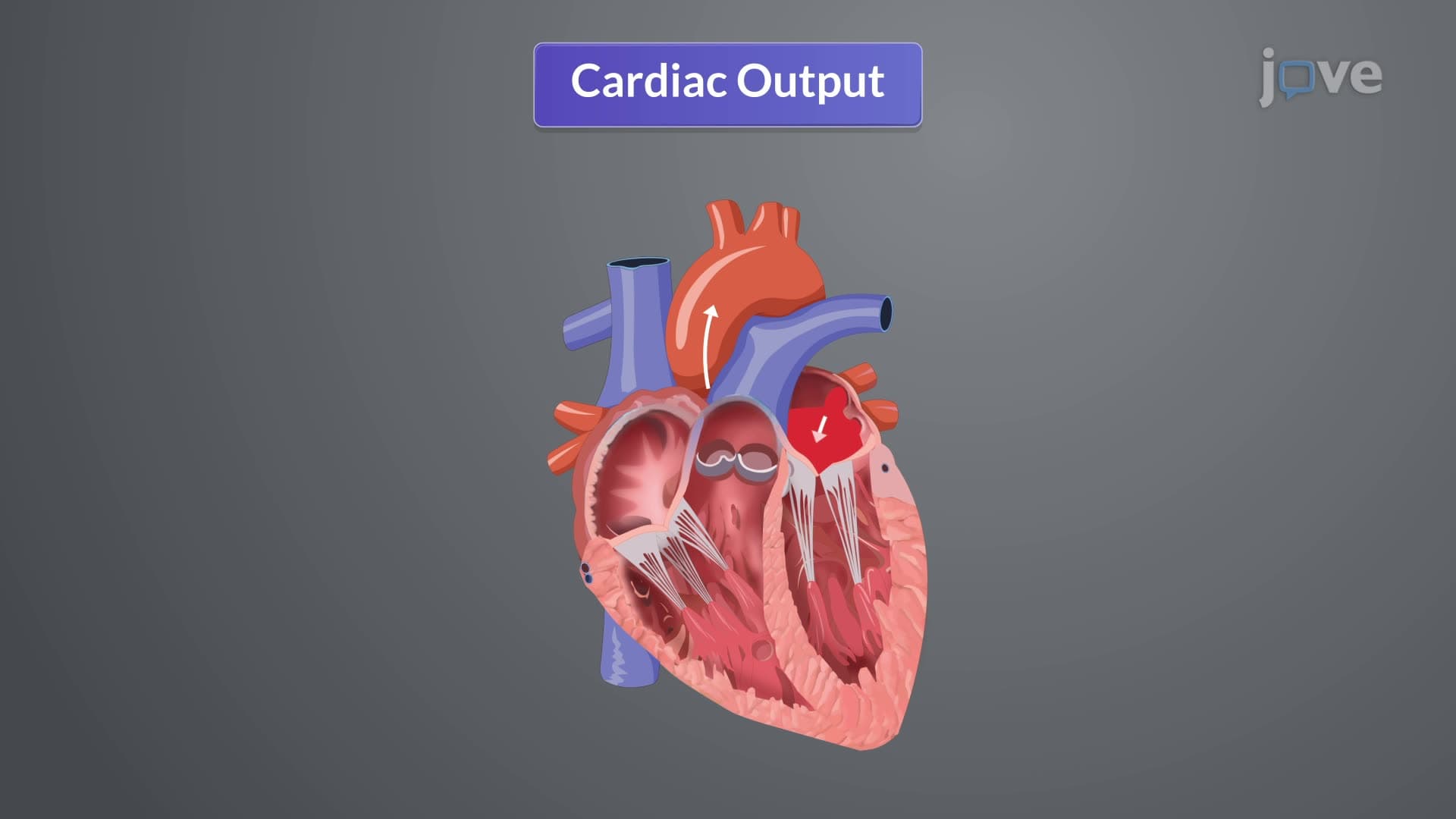
The AV node creates a critical 0.1-second delay, allowing complete atrial emptying before ventricular contraction. This electrical conduction heart timing prevents backflow and maximizes stroke volume-the amount of blood pumped per heartbeat. College physiology courses emphasize this delay's importance in maintaining cardiac efficiency.
From the AV node, impulses travel through the bundle of His Purkinje system, splitting into right and left bundle branches. The Purkinje fibers then distribute electrical signals throughout ventricular muscle, ensuring synchronized contraction from apex to base. This bottom-to-top squeezing motion, like toothpaste from a tube, optimizes blood ejection into the pulmonary artery and aorta.
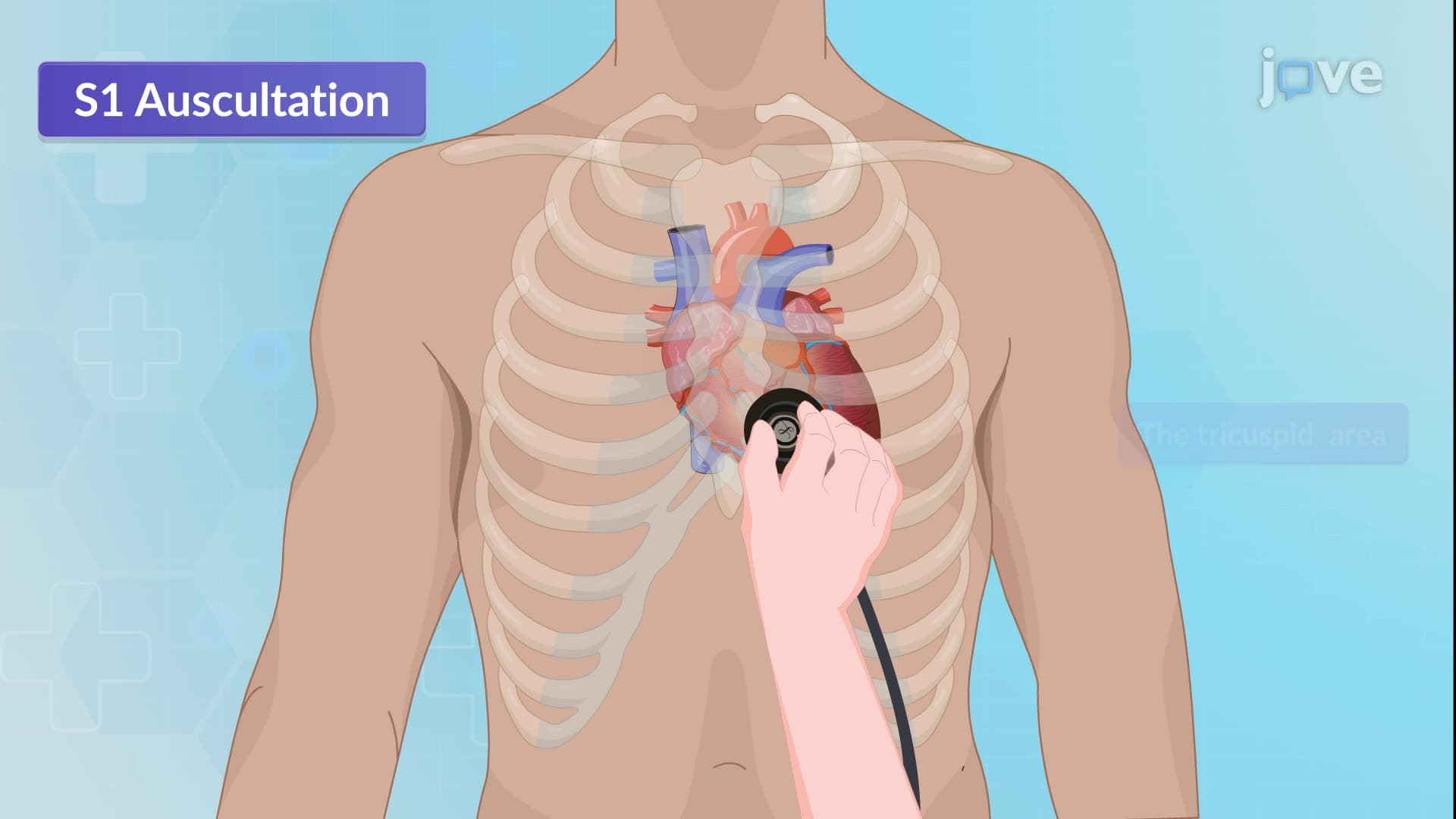
Understanding heart conduction system anatomy proves essential for interpreting EKGs, a skill tested on USMLE Step 1 and NCLEX examinations. Bundle branch blocks, visible as widened QRS complexes, indicate conduction delays that can compromise cardiac output. US medical schools emphasize pattern recognition of these abnormalities since they affect treatment decisions in emergency departments nationwide.
Related Micro-courses