Loading video…


 14 Concepts
 25.7K views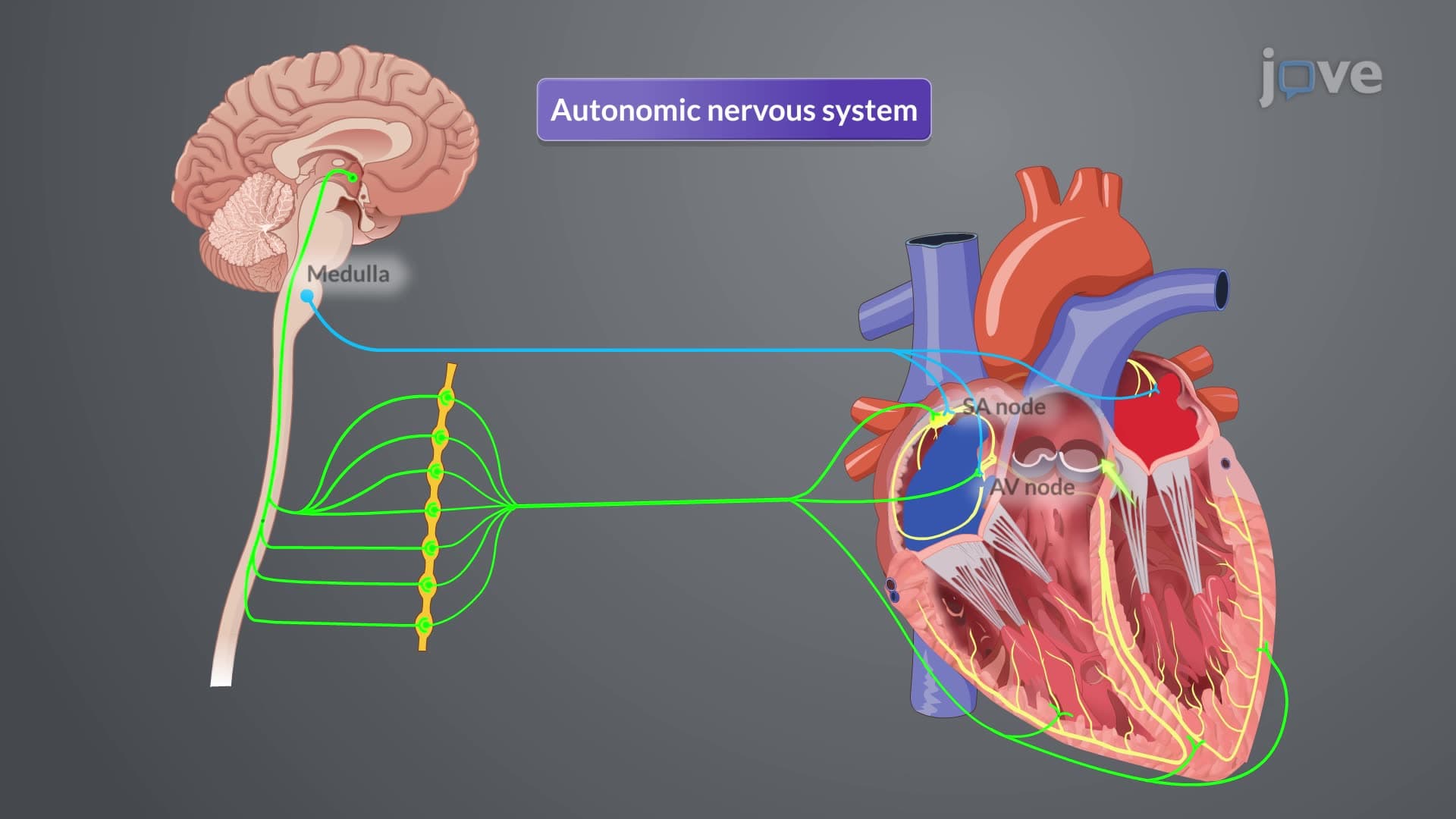

Video Summary: What Is Regulation Cardiovascular System
Did you know your heart rate can change by 20-30 beats per minute just from standing up? The regulation cardiovascular system orchestrates this remarkable adaptation through neural pathways and specialized sensors that constantly monitor your blood pressure and chemistry. Consider how athletes at Stanford University maintain stable blood flow during intense training-their cardiovascular regulation systems work overtime to deliver oxygen efficiently. Understanding what is regulation cardiovascular system reveals the intricate mechanisms that keep us alive every second. Watch the full video on JoVE Coach to master this concept with expert-led visuals and step-by-step explanations.
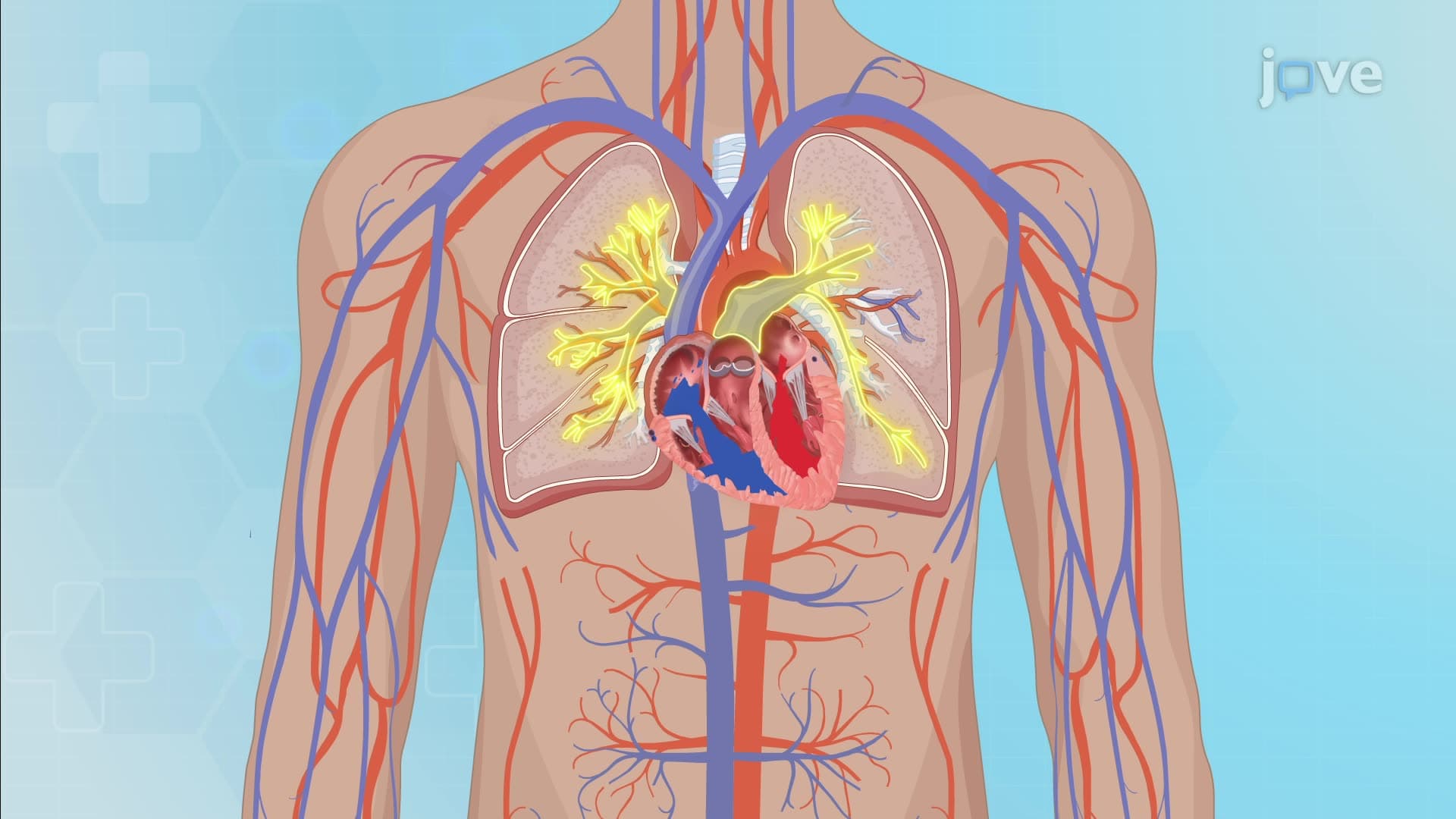
The regulation cardiovascular system represents one of biology's most sophisticated control networks, ensuring that every cell receives adequate oxygen and nutrients while removing metabolic waste. This regulatory framework operates through multiple interconnected mechanisms that respond within seconds to changing physiological demands, from climbing stairs to experiencing emotional stress.
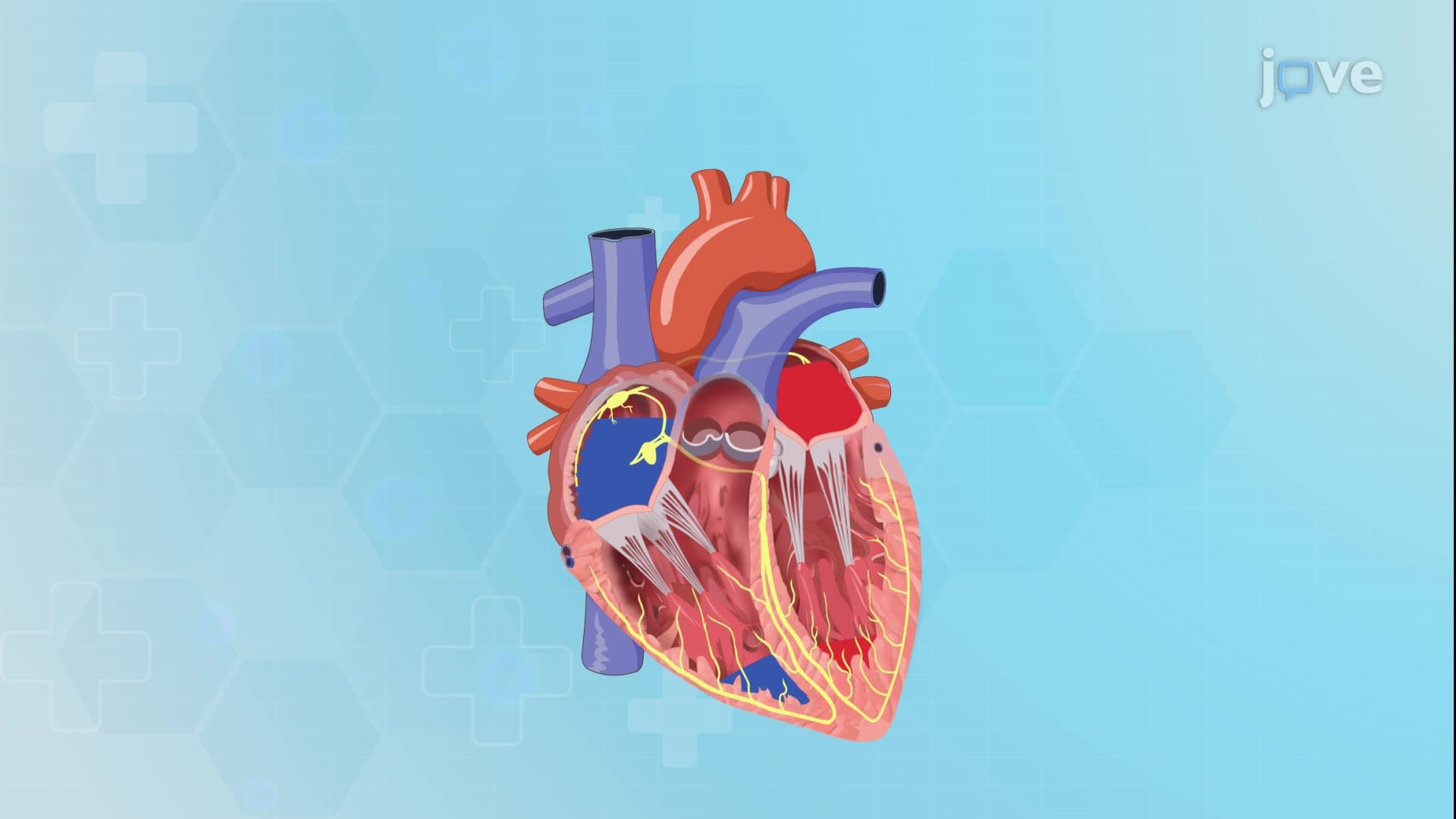
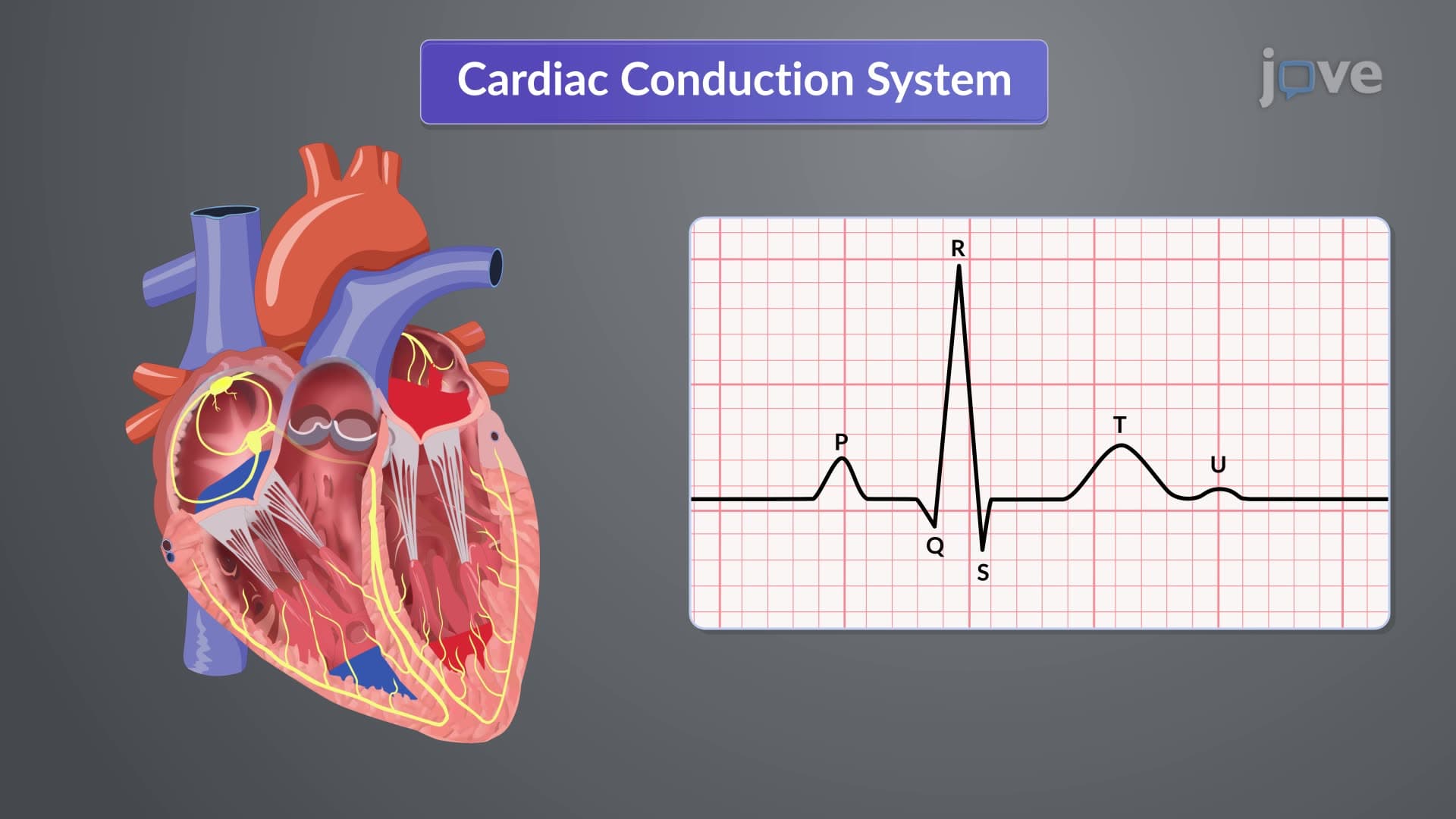
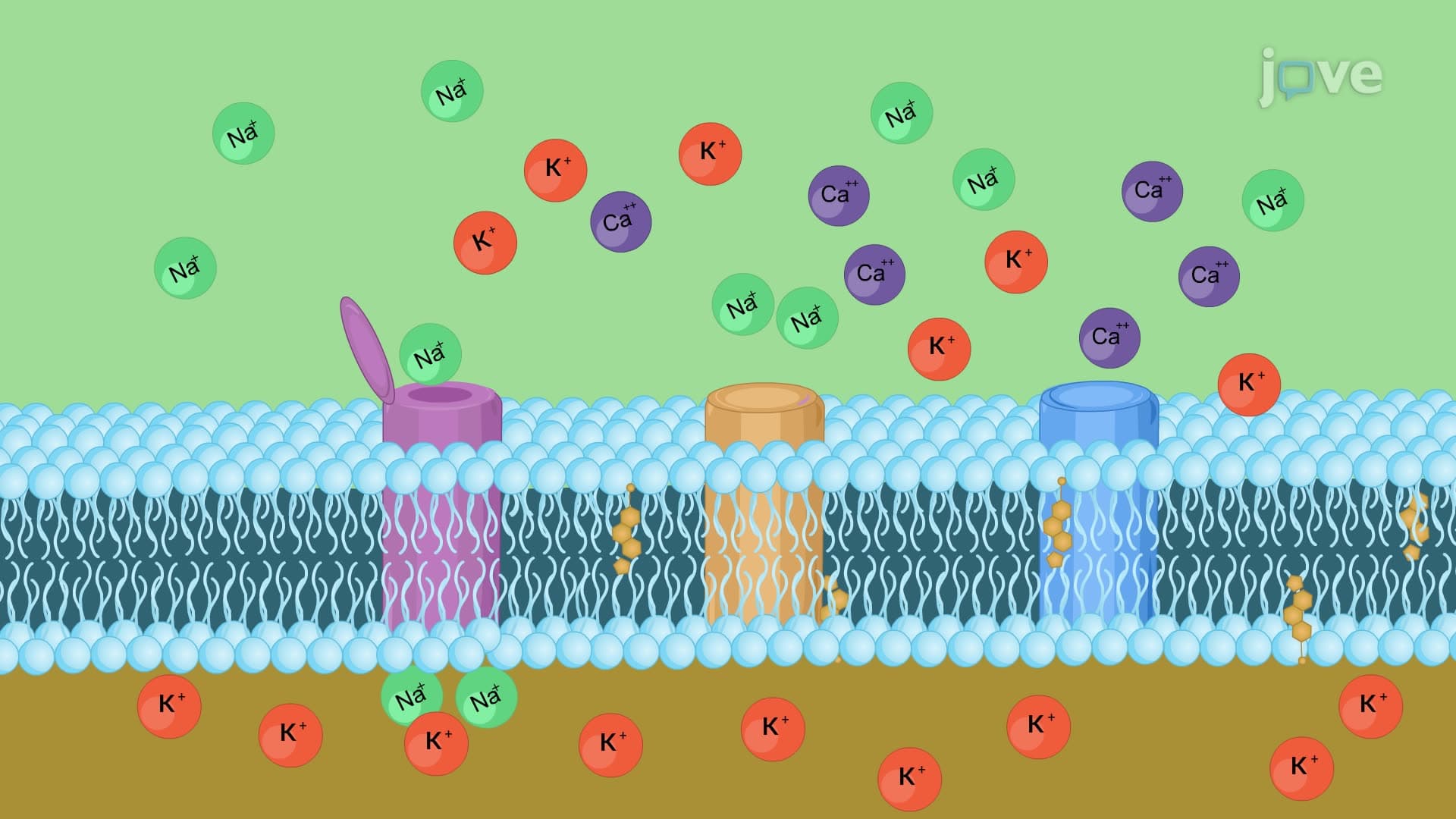
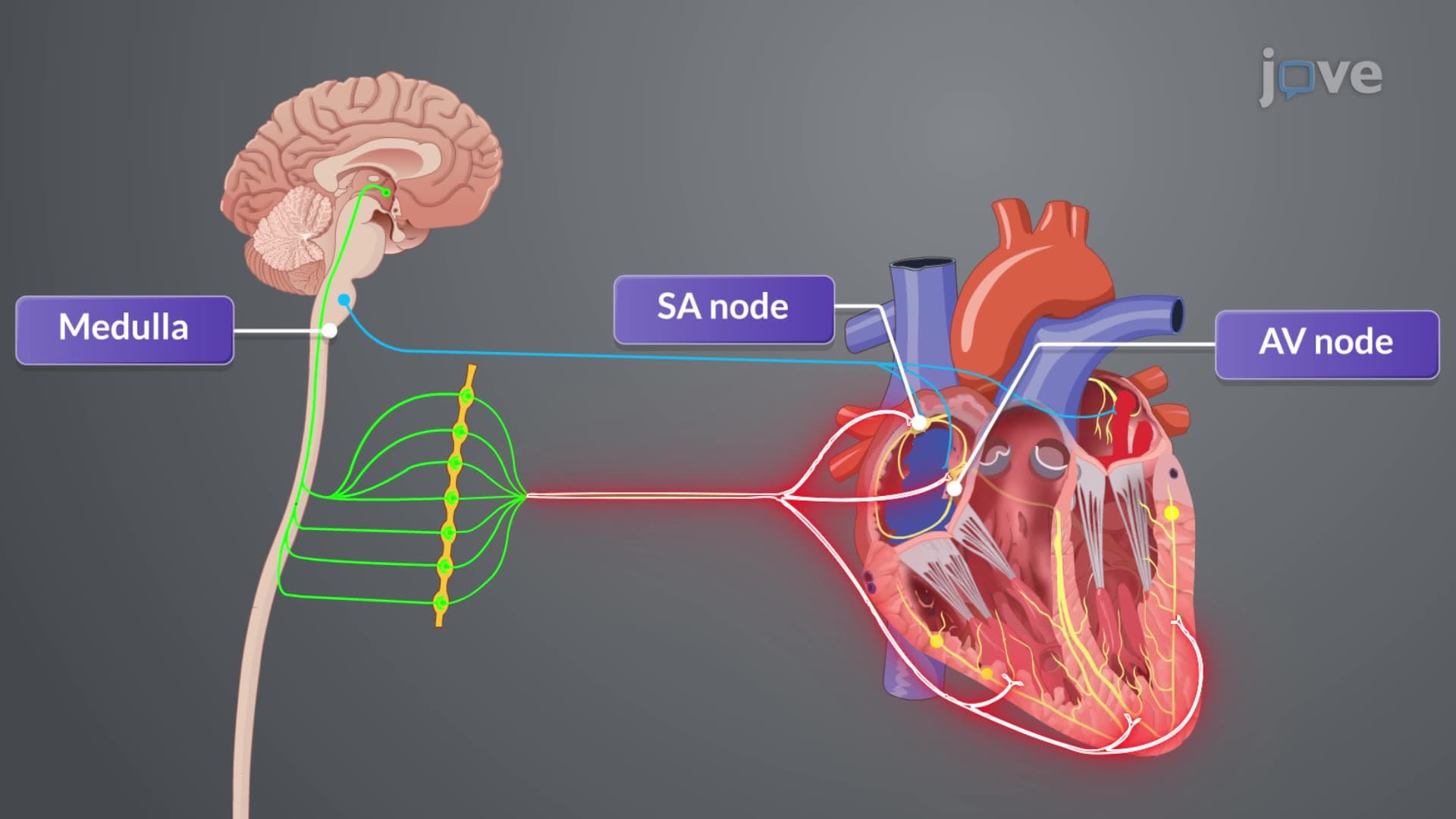
The autonomic nervous system serves as the primary controller of cardiovascular function through its sympathetic and parasympathetic divisions. During exercise at UCLA's track field, sympathetic activation releases norepinephrine, which binds to beta-1 receptors in the heart, dramatically increasing heart rate and contractile force. This system also stimulates alpha-1 receptors in blood vessels, causing vasoconstriction that redirects blood flow to active muscles. Conversely, the parasympathetic system, operating through the vagus nerve, dominates during rest periods, releasing acetylcholine that slows heart rate by hyperpolarizing pacemaker cells in the sinoatrial node.
Baroreceptors function as the cardiovascular system's pressure sensors, strategically located in the aortic arch and carotid sinuses where they monitor arterial pressure continuously. When a student stands up quickly during a Harvard Medical School lecture, blood pools in leg vessels, temporarily reducing venous return and arterial pressure. Baroreceptors detect this decrease and immediately signal the medullary cardiovascular center to increase sympathetic outflow, restoring blood pressure before dizziness occurs. This reflex proves essential for AP Biology students studying homeostatic mechanisms and frequently appears on MCAT examinations.
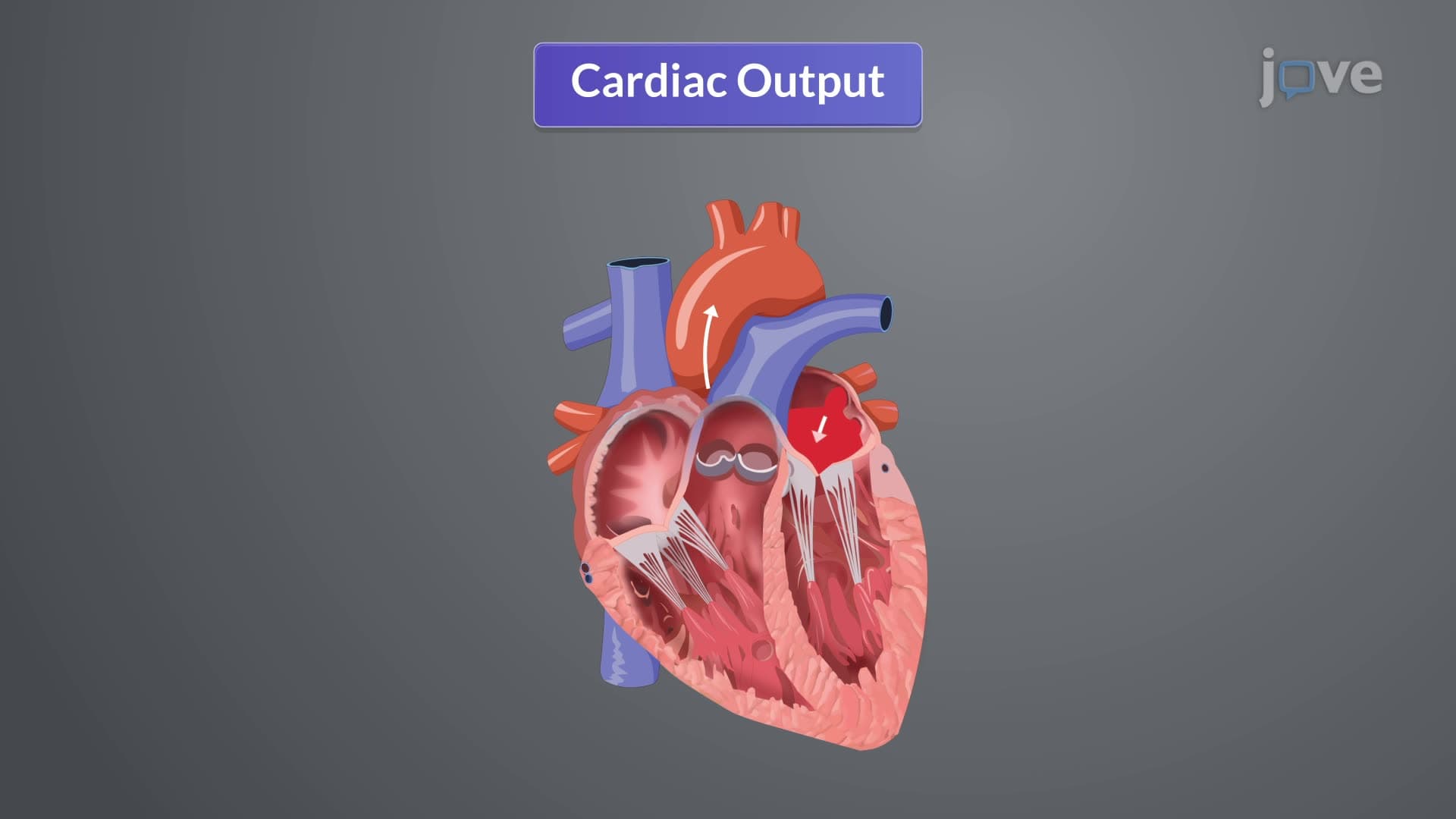
Chemoreceptors in the aortic bodies, carotid bodies, and medulla oblongata monitor blood chemistry parameters, particularly oxygen, carbon dioxide, and pH levels. During high-altitude training at Colorado's Olympic Training Center, decreased oxygen partial pressure activates peripheral chemoreceptors, triggering increased heart rate and cardiac output to enhance oxygen delivery. Central chemoreceptors primarily respond to carbon dioxide changes, stimulating the vasomotor center when CO2 levels rise, such as during breath-holding experiments commonly performed in college physiology labs.
This integrated regulation cardiovascular system concept appears extensively in USMLE Step 1 questions, particularly regarding pathophysiology scenarios. Students preparing for nursing entrance exams like NCLEX or HESI A2 must understand these mechanisms to analyze clinical situations involving shock, hypertension, or heart failure.
Related Micro-courses