Loading subject page…


2,643 views


Video Summary: Nursing Assessment Genitourinary System Ii Explained
Did you know that kidney disease affects over 37 million Americans, yet early signs are often missed during routine assessments? The nursing assessment genitourinary system ii involves systematic inspection and palpation techniques to detect urinary abnormalities before they become life-threatening. For instance, recognizing costovertebral angle tenderness can help identify kidney infections in patients presenting to emergency departments across the United States. Watch the full video on JoVE Coach to master this concept with expert-led visuals and step-by-step explanations.
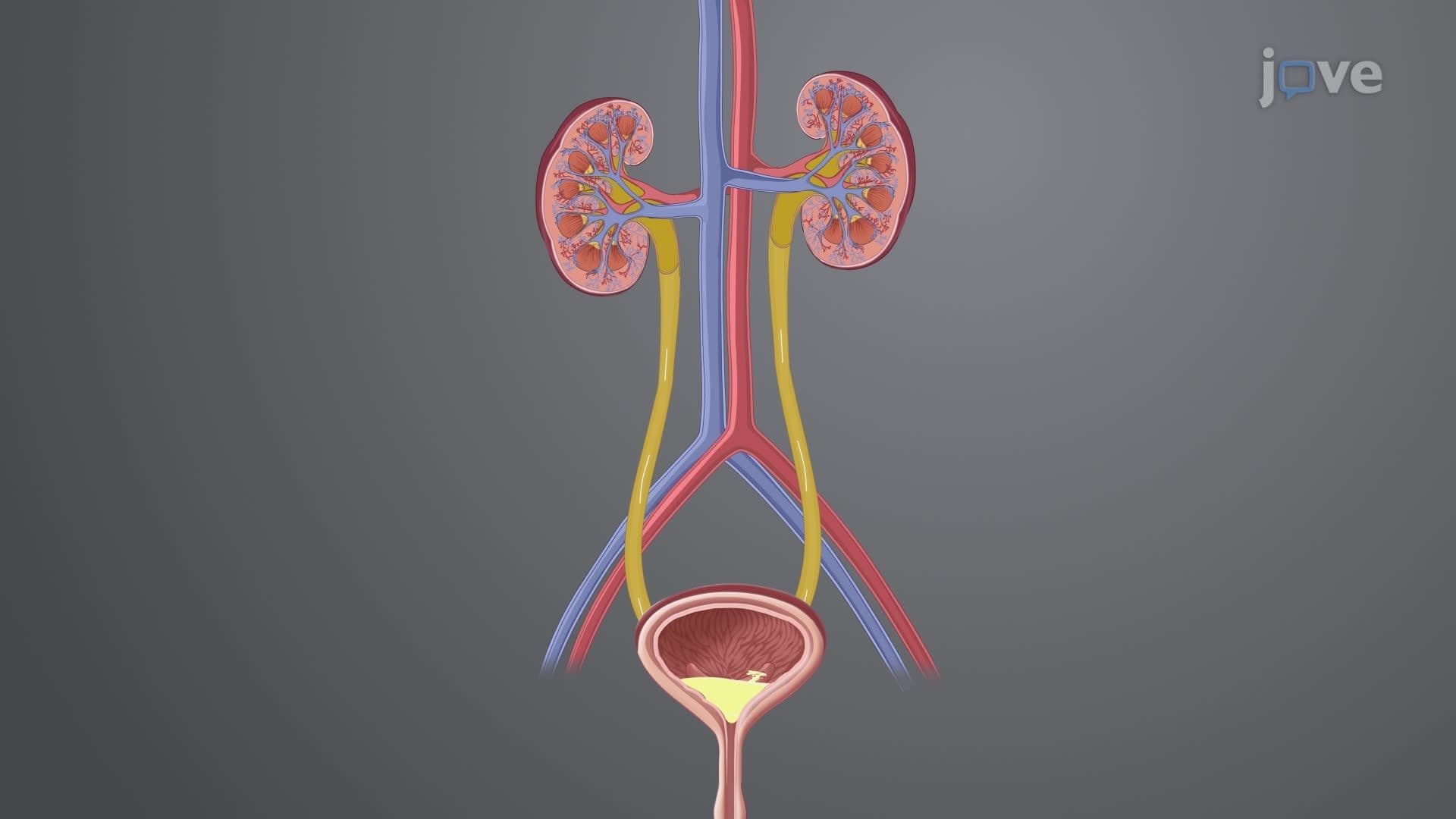
The nursing assessment genitourinary system ii represents an advanced level of clinical evaluation that builds upon basic assessment skills. This systematic approach combines visual inspection with tactile examination to identify urinary tract abnormalities that could indicate serious underlying conditions. In US healthcare settings, from community hospitals to major medical centers like Mayo Clinic and Cleveland Clinic, nurses use these assessment techniques daily to monitor patient condition changes and prevent complications.
The assessment begins with careful visual inspection, starting with the mouth to detect uremic fetor-a distinctive ammonia-like breath odor indicating advanced kidney disease. This finding often appears in patients with chronic kidney disease affecting approximately 15% of US adults. Skin assessment reveals critical information: pallor suggests anemia from decreased erythropoietin production, while yellow-gray discoloration indicates uremic toxin accumulation. Healthcare professionals in dialysis centers across the United States regularly observe these changes in patients with end-stage renal disease.
Generalized edema, particularly in facial and extremity regions, signals fluid retention mechanisms common in nephrotic syndrome. This condition affects roughly 3-5 per 100,000 adults annually in the United States, making recognition crucial for early intervention. Students preparing for NCLEX-RN examinations frequently encounter questions about edema patterns and their relationship to specific genitourinary pathologies.
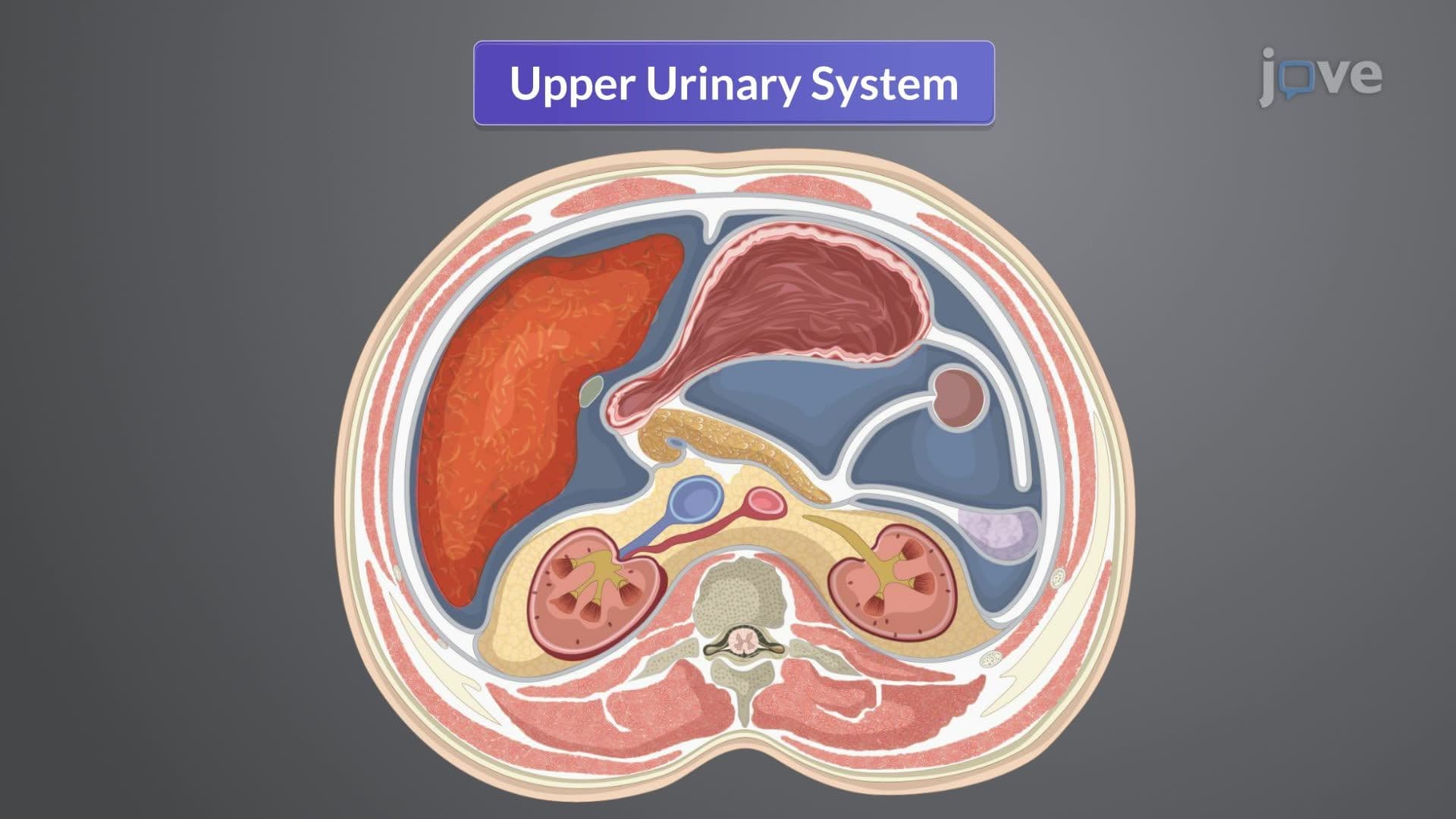
Kidney palpation requires precise technique and anatomical knowledge. The bimanual approach-positioning one hand posteriorly between ribs and iliac crest while the other palpates anteriorly-allows detection of the kidney's lower pole during inspiration. Normal kidneys are typically non-palpable except in thin individuals, making any palpable mass clinically significant.
Bladder assessment through palpation identifies distention, which presents as a smooth, firm, tender mass above the pubic symphysis. In US emergency departments, this finding often indicates urinary retention requiring immediate catheterization. Students studying for HESI A2 or TEAS examinations should understand that bladder capacity normally ranges from 400-600 mL, with distention occurring when volumes exceed this range.
Costovertebral angle tenderness assessment involves percussion or palpation at the angle between the 12th rib and spine. Positive findings suggest pyelonephritis, kidney stones, or other renal pathology. This technique proves particularly valuable in primary care settings throughout the United States, where early detection of kidney infections can prevent progression to sepsis.
These assessment skills directly support questions commonly found on AP Biology examinations regarding human body systems, MCAT biological sciences sections focusing on renal physiology, and nursing school examinations including comprehensive clinical assessments. Understanding the nursing assessment genitourinary system ii concept prepares students for real-world clinical practice while building foundational knowledge for advanced healthcare careers.
Related Micro-courses