Loading subject page…

2,643 views

Video Summary: Nursing Assessment Genitourinary System Iii Explained
Did you know that a simple "kidney punch" can reveal serious conditions like kidney stones or infections? The nursing assessment genitourinary system III involves advanced percussion and auscultation techniques that help nurses detect everything from bladder distention to vascular abnormalities. For instance, Mayo Clinic nurses use fist percussion at the costovertebral angle to identify kidney tenderness that might indicate pyelonephritis. These assessment skills are crucial for identifying conditions affecting millions of Americans annually. Watch the full video on JoVE Coach to master this concept with expert-led visuals and step-by-step explanations.
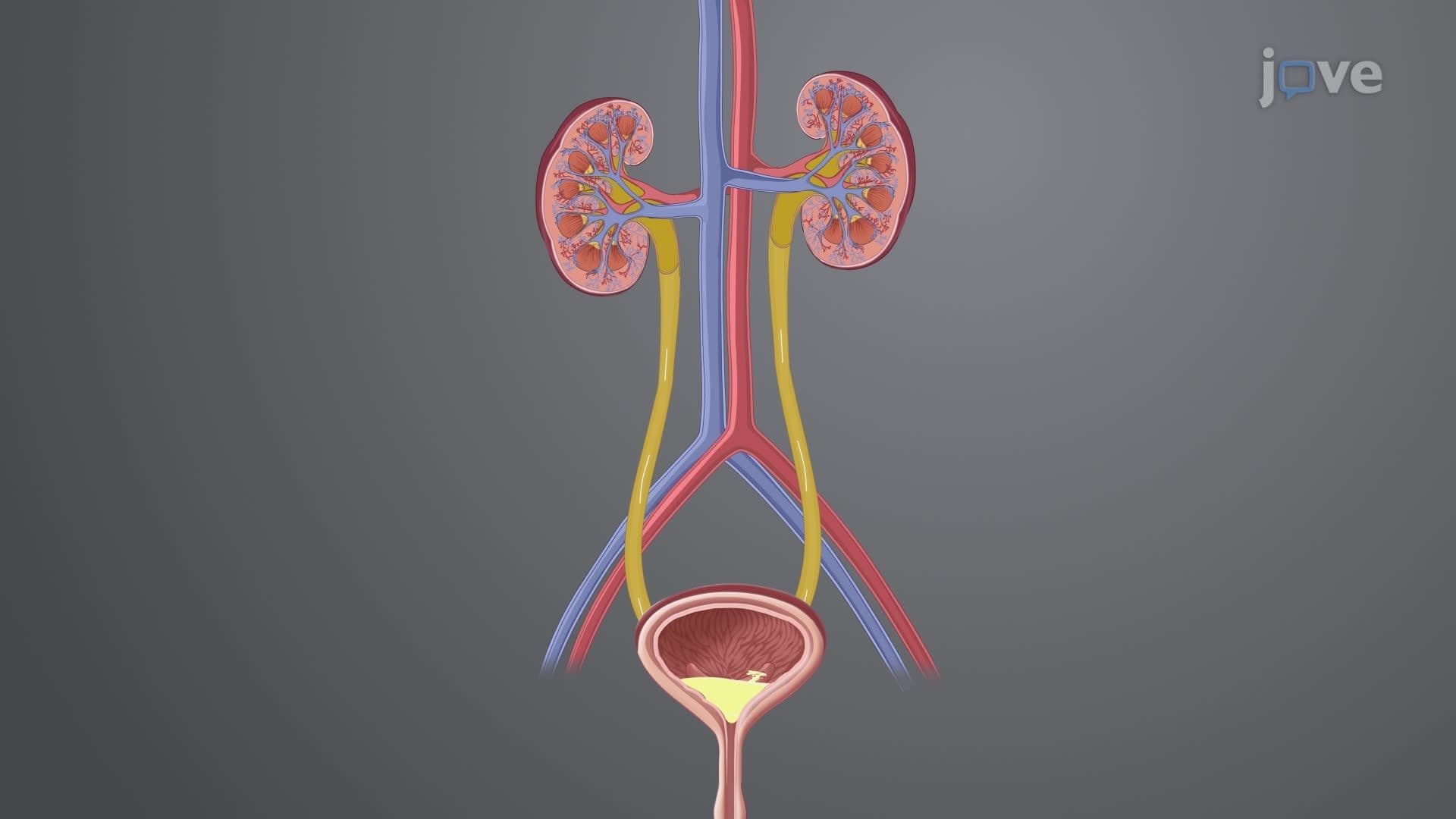
The nursing assessment genitourinary system III represents advanced physical examination techniques that go beyond basic inspection and palpation. These sophisticated assessment methods are essential for detecting serious conditions affecting the kidneys, bladder, and associated vascular structures. Unlike basic genitourinary assessments, this advanced level incorporates percussion and auscultation-techniques that require precise skill and understanding of anatomical landmarks.
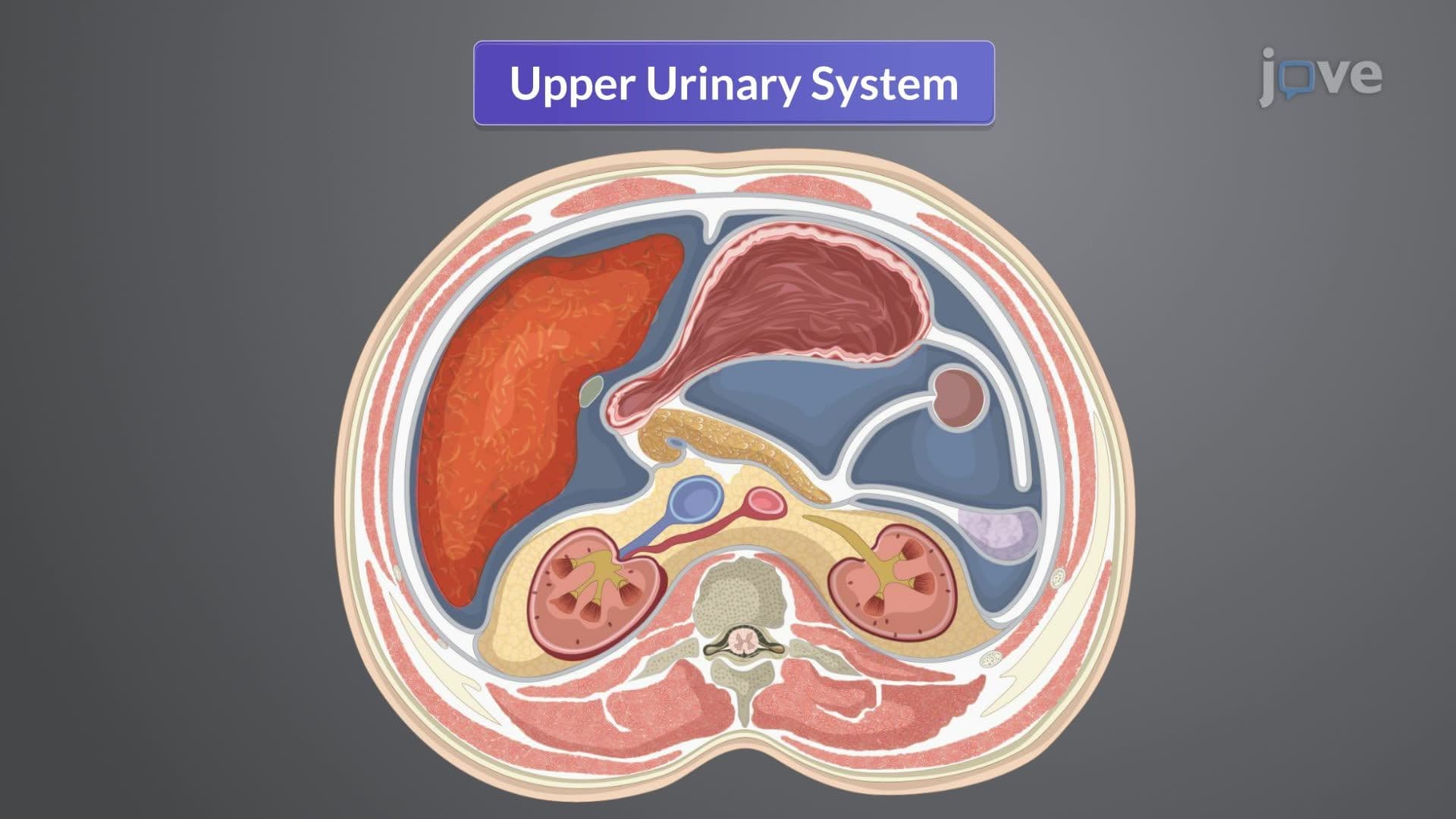
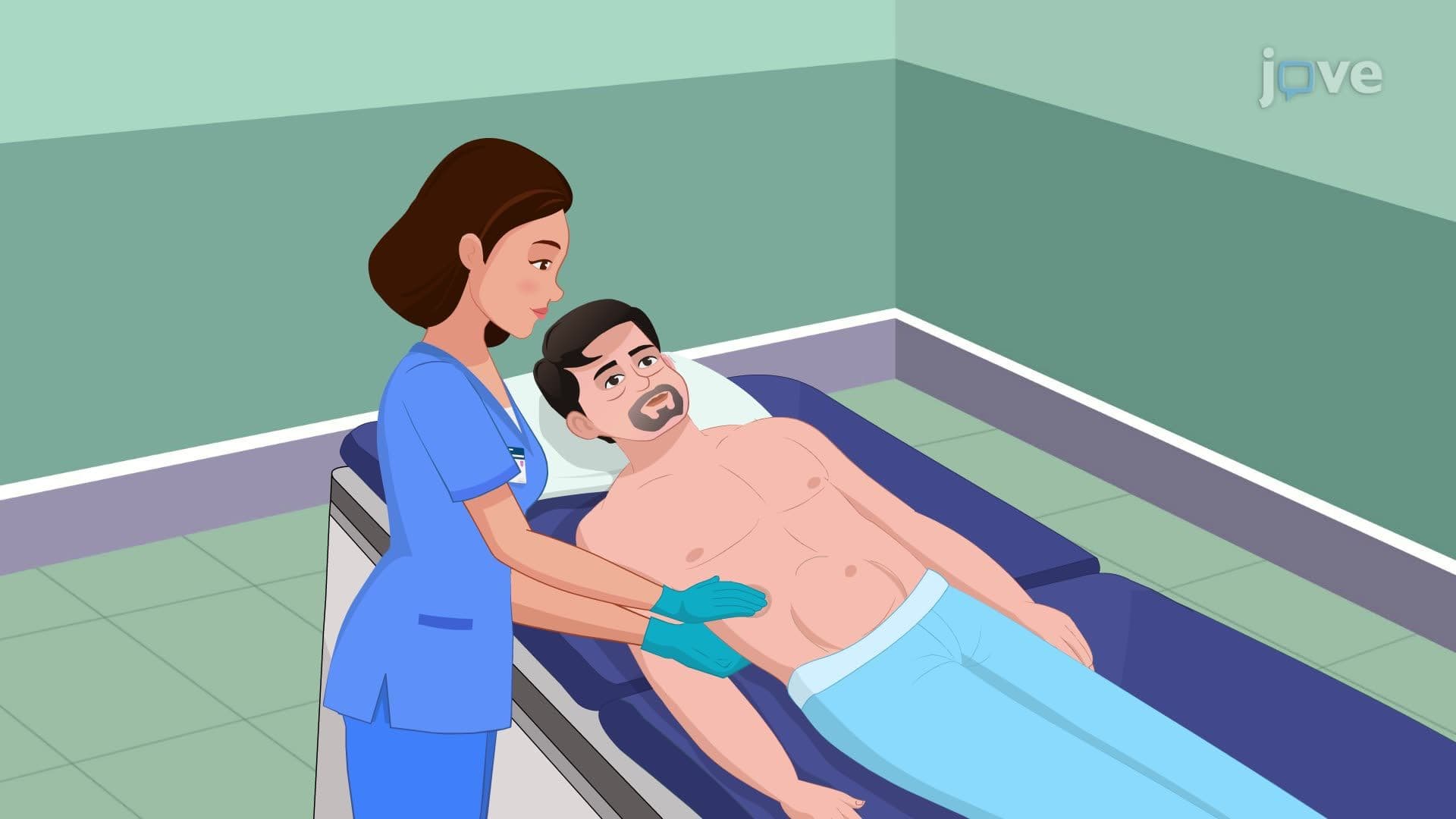
Fist percussion, commonly called the "kidney punch," serves as a cornerstone technique in advanced genitourinary assessment. This method involves striking the costovertebral angle-the junction between the spine and the 12th rib-to assess for kidney tenderness. When performed correctly, this technique can reveal conditions such as pyelonephritis, kidney stones, or other renal pathologies. The presence of pain during fist percussion often indicates inflammation or obstruction within the kidney structure.
Bladder percussion requires different technical considerations. The bladder must contain at least 150 milliliters of urine for effective assessment. Normal percussion produces a dull sound above the symphysis pubis, but in cases of severe bladder distention, this dullness extends toward the umbilicus. This finding is particularly significant in patients with urinary retention, which affects approximately 7% of hospitalized patients in US healthcare facilities.
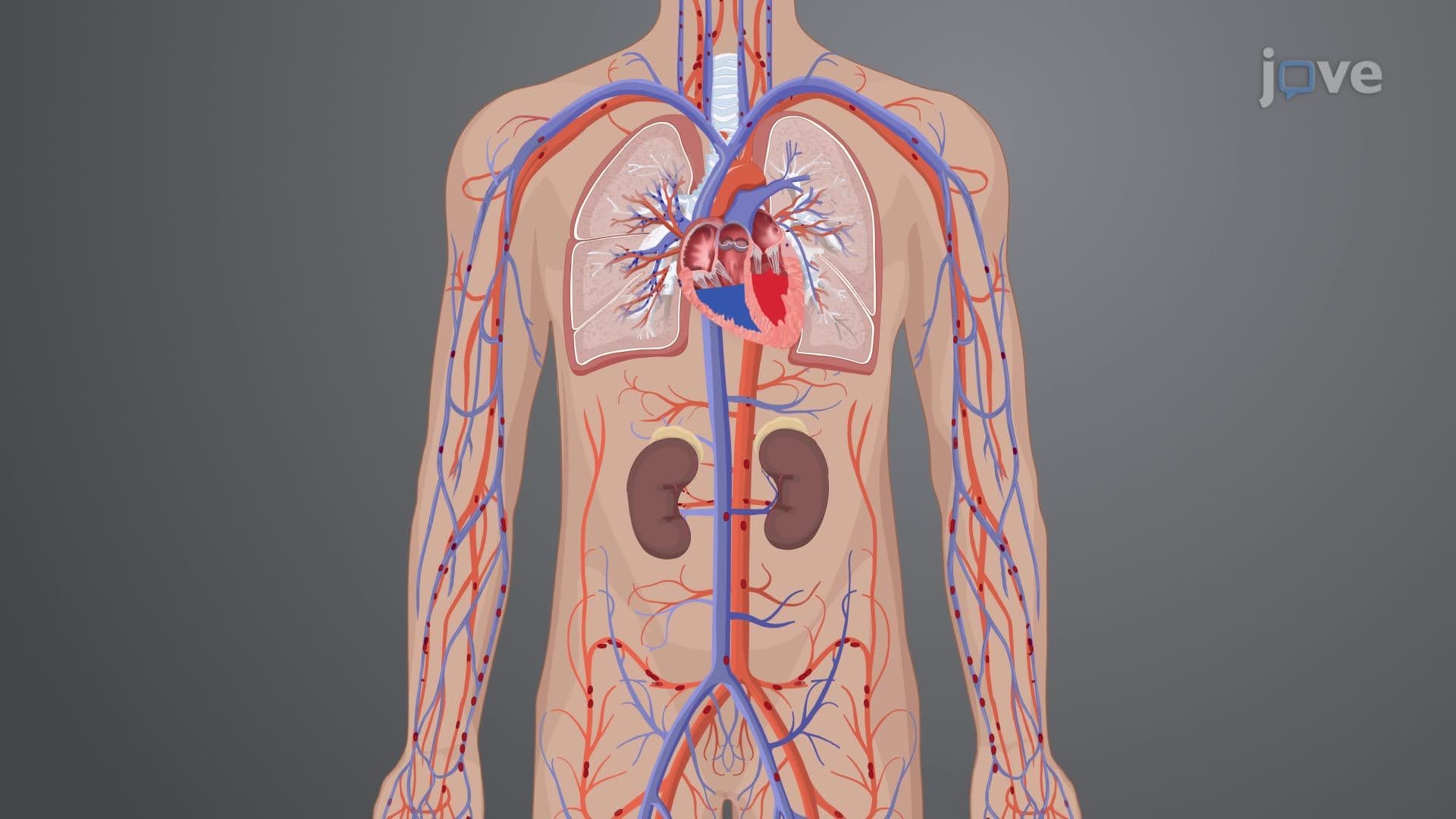
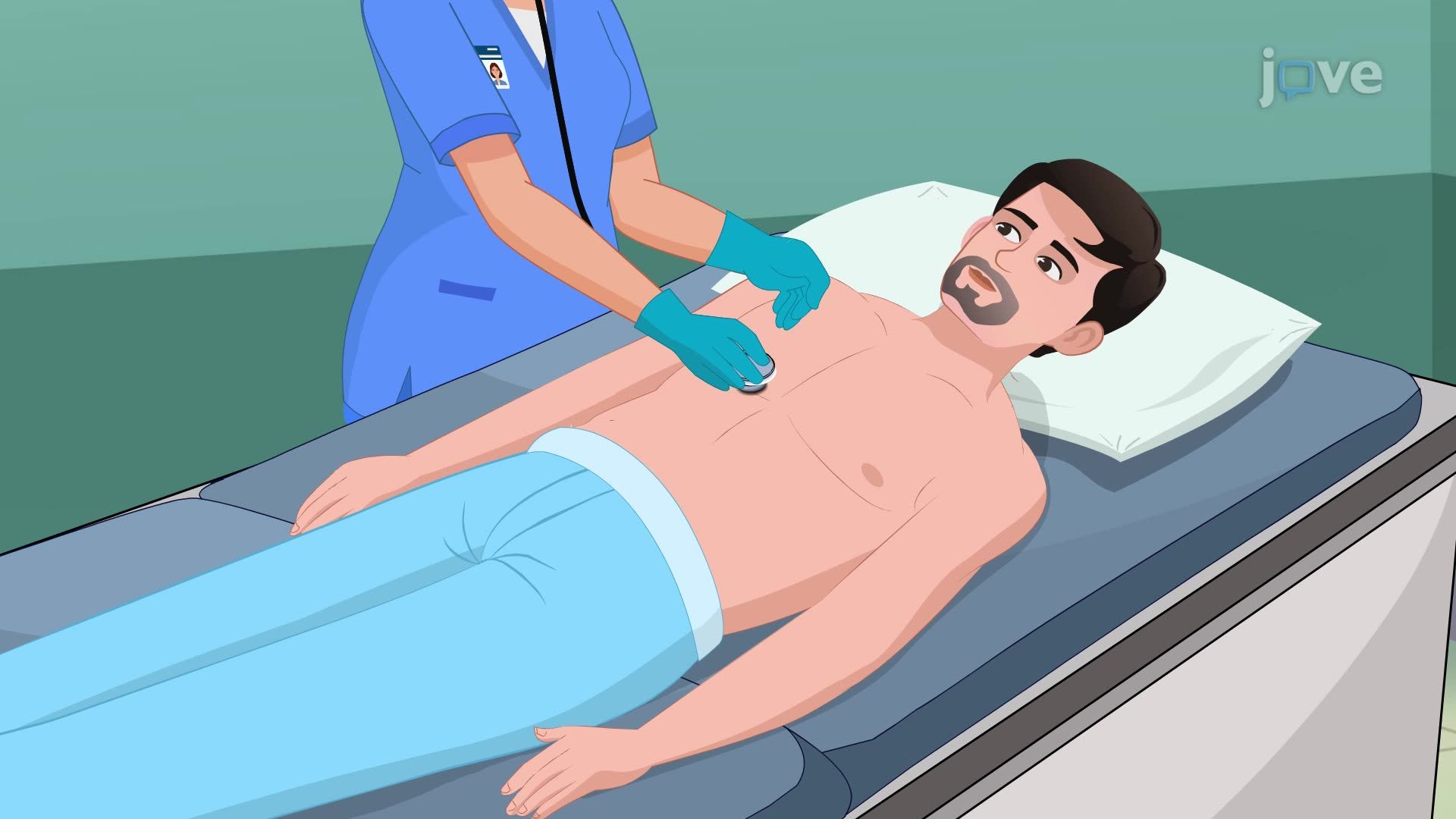
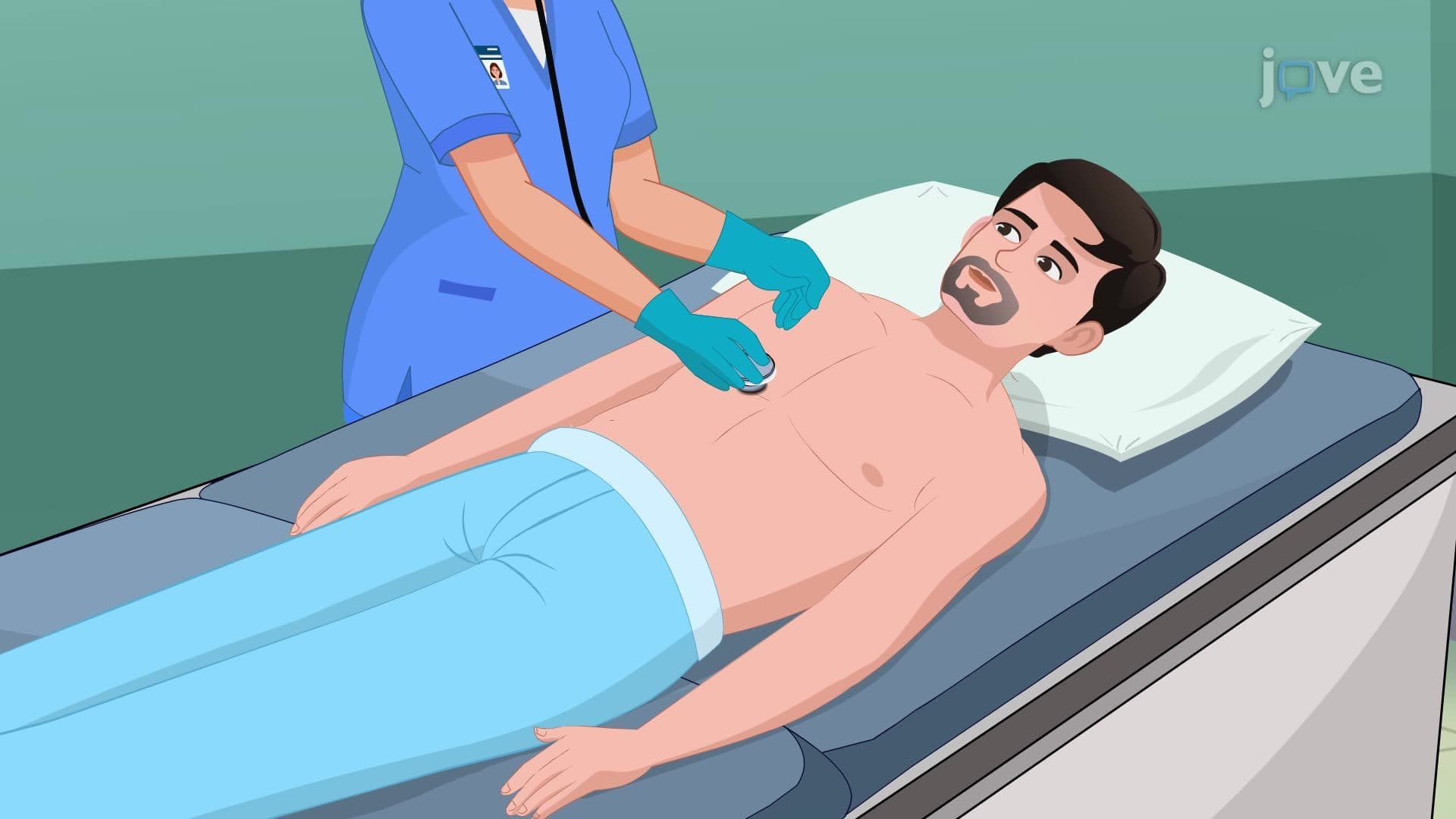
Auscultation in genitourinary assessment focuses on identifying bruits-abnormal sounds caused by turbulent blood flow. These low-pitched murmurs can indicate serious vascular conditions including renal artery stenosis, which affects about 1-5% of hypertensive patients in the United States. Proper technique requires placing the stethoscope diaphragm slightly to the right and left of the midline in the upper abdominal quadrants.
The detection of bruits becomes particularly important when assessing for abdominal aortic aneurysms, which affect approximately 200,000 Americans annually. Early detection through proper auscultation techniques can be life-saving, as undiagnosed aneurysms carry significant mortality risk.
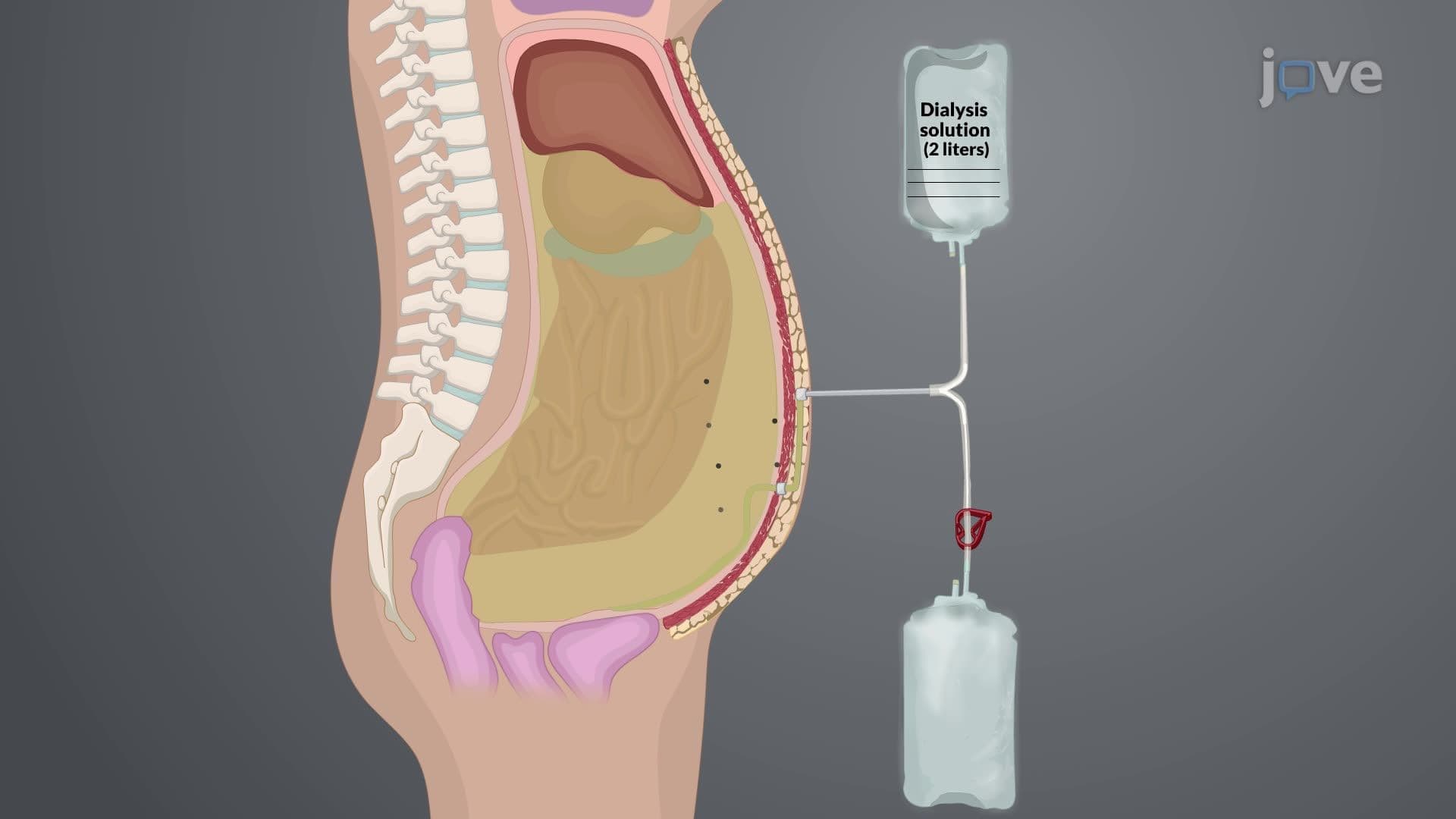
Advanced genitourinary assessment extends beyond individual techniques to encompass comprehensive evaluation of related systems. Ascites assessment-identifying fluid accumulation in the peritoneal cavity-connects genitourinary function with hepatic and cardiac systems. This holistic approach reflects the interconnected nature of body systems and emphasizes the importance of comprehensive nursing assessment skills.
These assessment techniques are frequently tested on nursing licensure examinations, including the NCLEX-RN, where candidates must demonstrate competency in advanced physical assessment skills. Additionally, students preparing for prerequisite courses for nursing programs, such as anatomy and physiology, benefit from understanding these connections between assessment techniques and underlying pathophysiology.
Related Micro-courses