Loading subject page…

2,643 views

Video Summary: Physiology Genitourinary System I Renal Explained
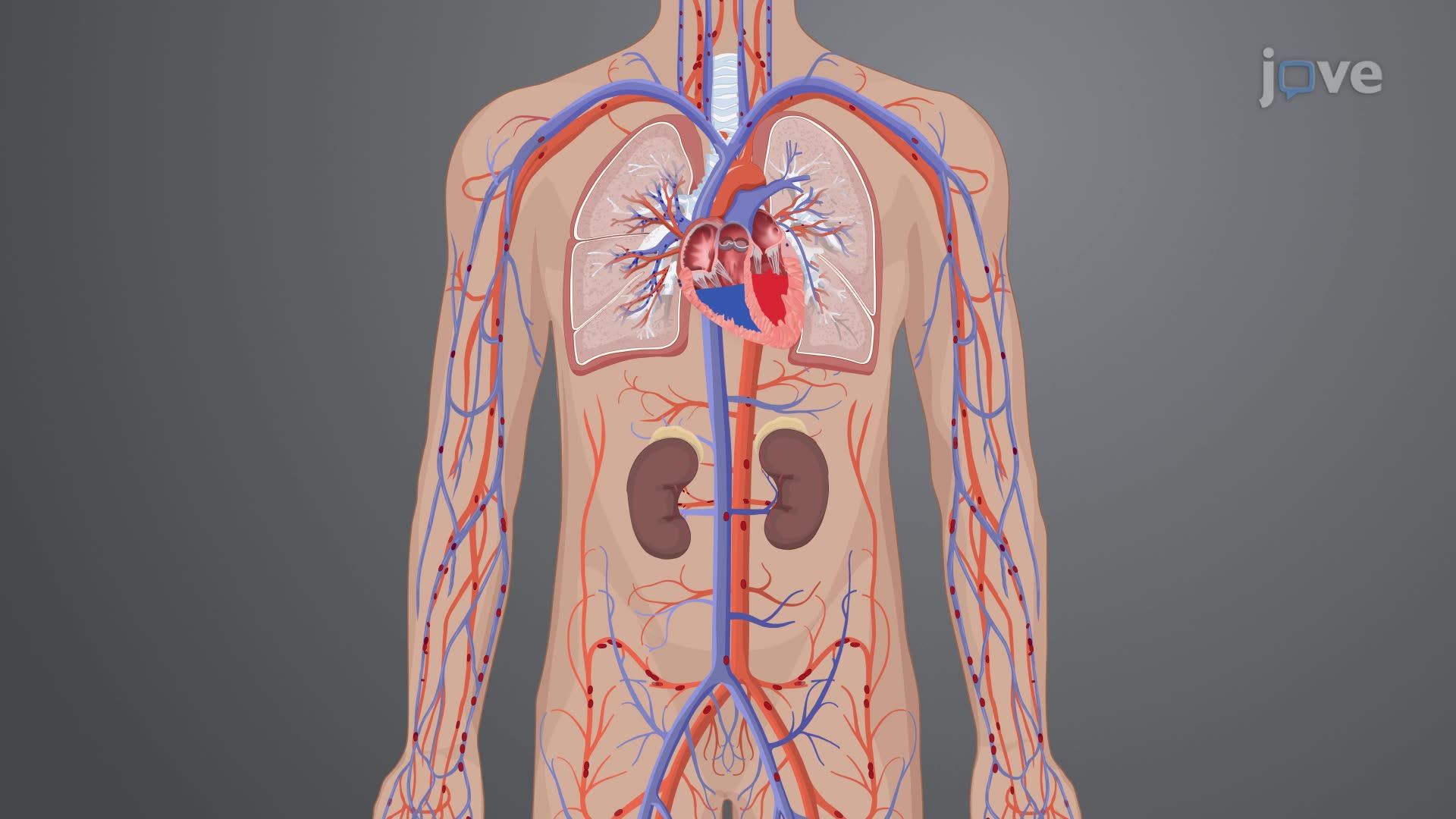
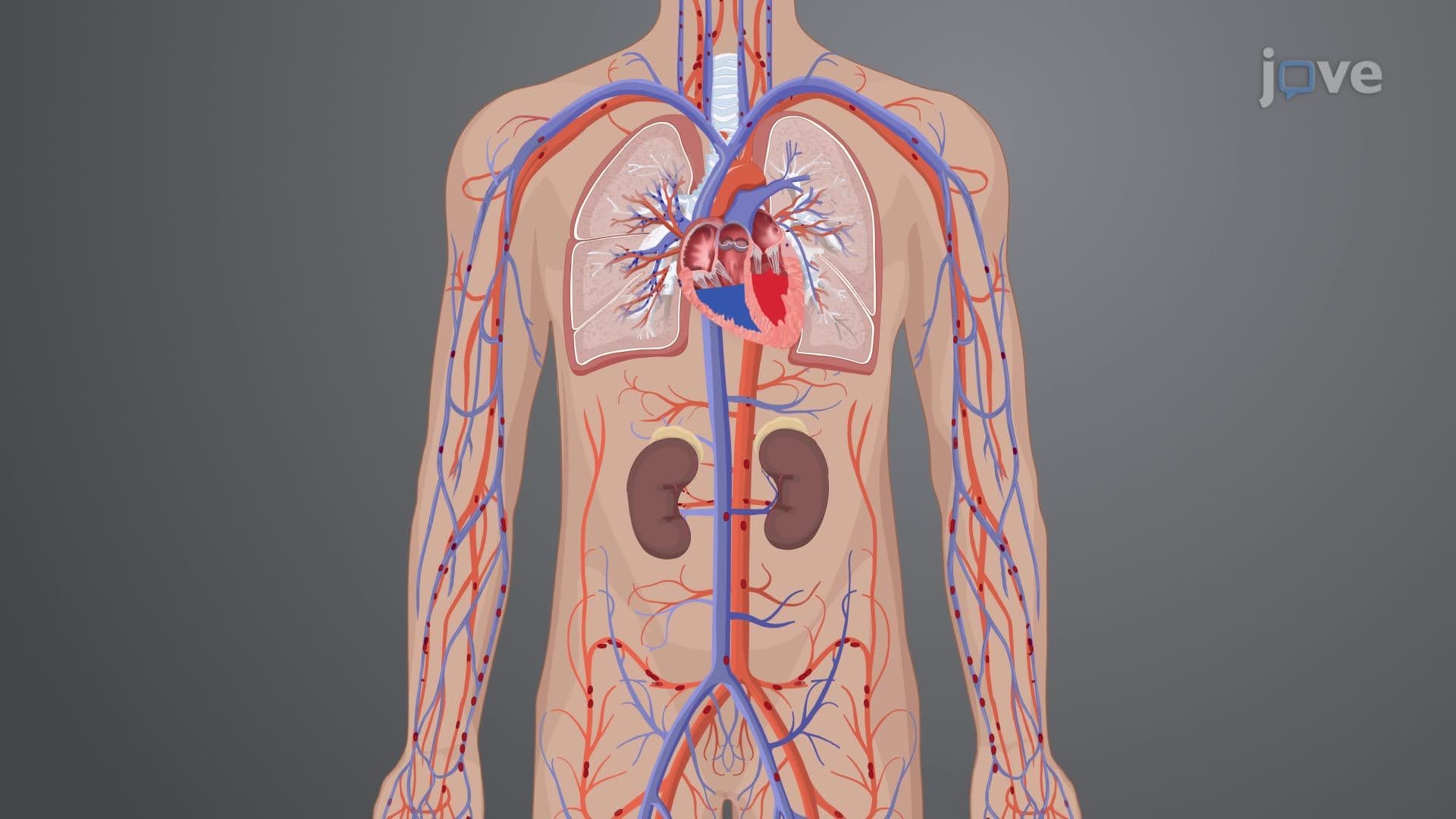
Did you know your kidneys process the equivalent of 45 gallons of blood daily-enough to fill a standard bathtub? The physiology genitourinary system i renal functions showcase one of medicine's most elegant filtration systems. At Houston Methodist Hospital, nephrologists rely on understanding glomerular filtration rates to diagnose kidney disease in thousands of patients annually. This Physiology Genitourinary System I Renal Explained concept reveals how blood pressure, filtration, and reabsorption work together to maintain life. Watch the full video on JoVE Coach to master this concept with expert-led visuals and step-by-step explanations.
The renal system represents one of the body's most sophisticated filtration networks, processing approximately 180 liters of filtrate daily while retaining essential nutrients and eliminating toxic waste. This remarkable efficiency stems from the kidney's unique vascular architecture, where specialized blood vessels create the precise pressure gradients necessary for selective filtration.
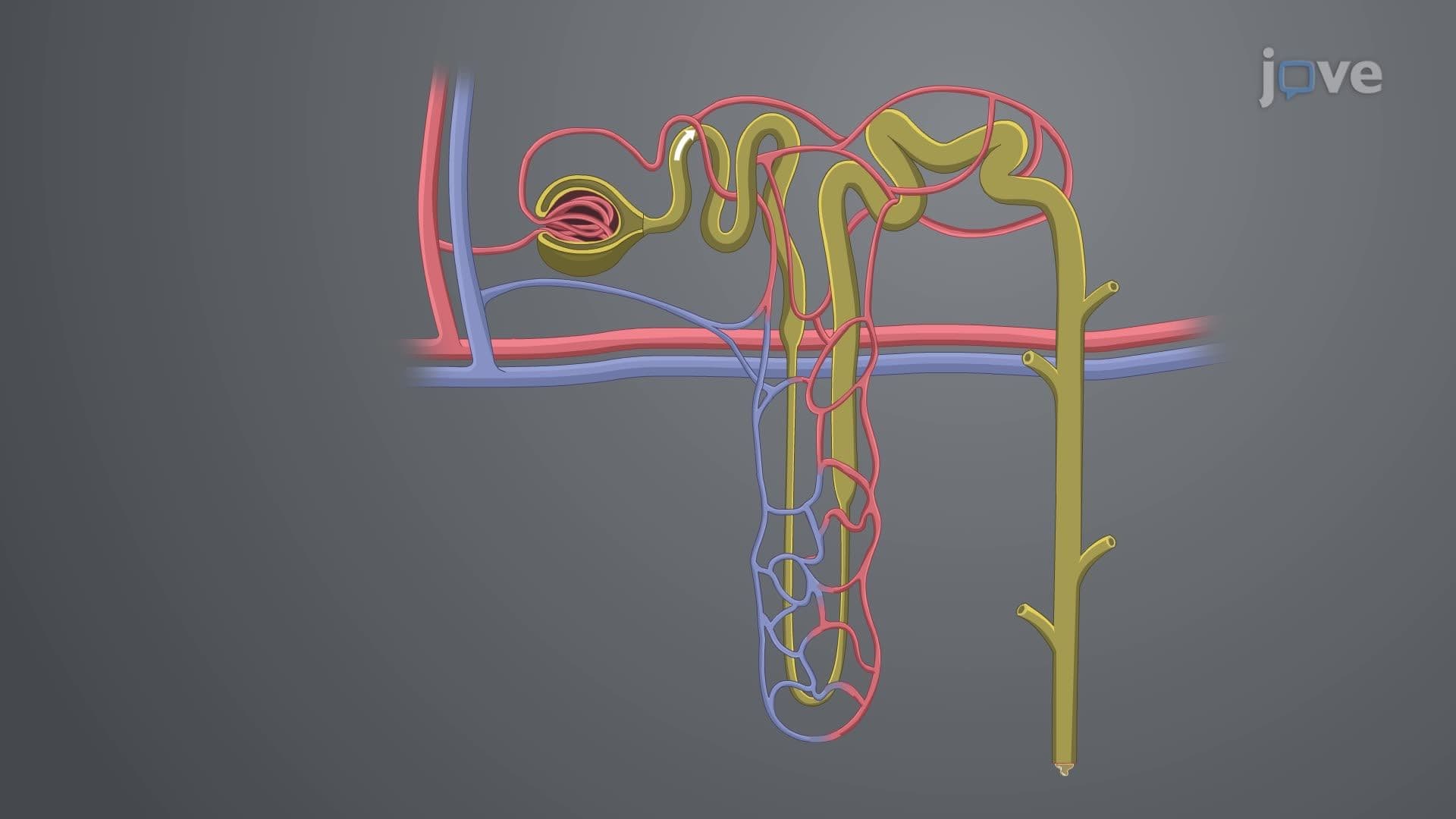
The glomerulus functions as a high-pressure filtration unit, receiving blood through the afferent arteriole at pressures reaching 60 mmHg-significantly higher than most capillary beds. This pressure differential drives water and small molecules across the glomerular basement membrane into Bowman's capsule, creating the initial filtrate. The glomerular filtration rate (GFR) of 125 mL/minute serves as the gold standard for assessing kidney function in clinical practice. At Mayo Clinic, physicians use GFR calculations to stage chronic kidney disease and guide treatment decisions for thousands of patients annually.
Following filtration, the renal tubules perform sophisticated molecular sorting through selective reabsorption and secretion. The proximal tubule reabsorbs approximately 65% of filtered sodium and water, along with virtually all glucose and amino acids under normal conditions. This process involves both passive diffusion and active transport mechanisms powered by ATP. The loop of Henle creates a concentration gradient that enables the kidney to produce urine up to four times more concentrated than blood plasma-a crucial adaptation for terrestrial life.
Understanding renal physiology proves essential for success on standardized exams including the MCAT, AP Biology, and college physiology courses. The College Board frequently tests concepts of filtration pressure, GFR regulation, and hormonal control of kidney function. Medical school curricula at institutions like Johns Hopkins emphasize renal physiology as foundational knowledge for nephrology, internal medicine, and critical care specialties. Students preparing for the USMLE Step 1 must master the intricate relationships between blood pressure, filtration, and urine concentration mechanisms.
Related Micro-courses