Loading video…


 19 Concepts
 15.5K views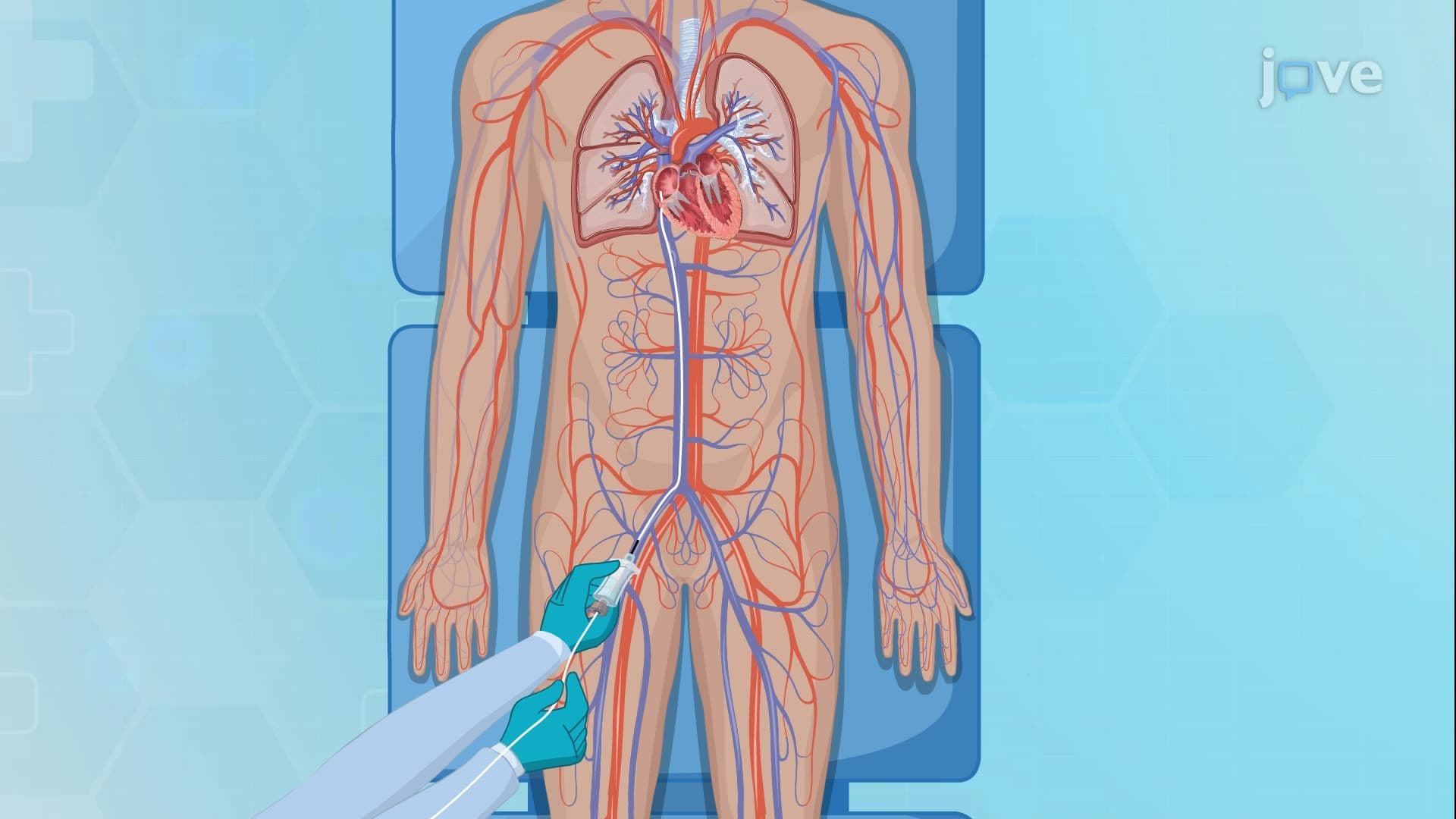

Video Summary: Cardiac Catheterization I Pre Procedure Guide
Every year, over 600,000 Americans undergo cardiac catheterization procedures at hospitals like Mayo Clinic and Cleveland Clinic to diagnose heart disease. The cardiac catheterization i pre procedure phase involves critical preparation steps including contrast allergy screening, blood work analysis, and coagulation studies to ensure patient safety. This invasive diagnostic technique uses specialized catheters inserted through major vessels to evaluate heart function and guide treatment decisions for conditions requiring interventions like bypass surgery. Watch the full video on JoVE Coach to master this concept with expert-led visuals and step-by-step explanations.
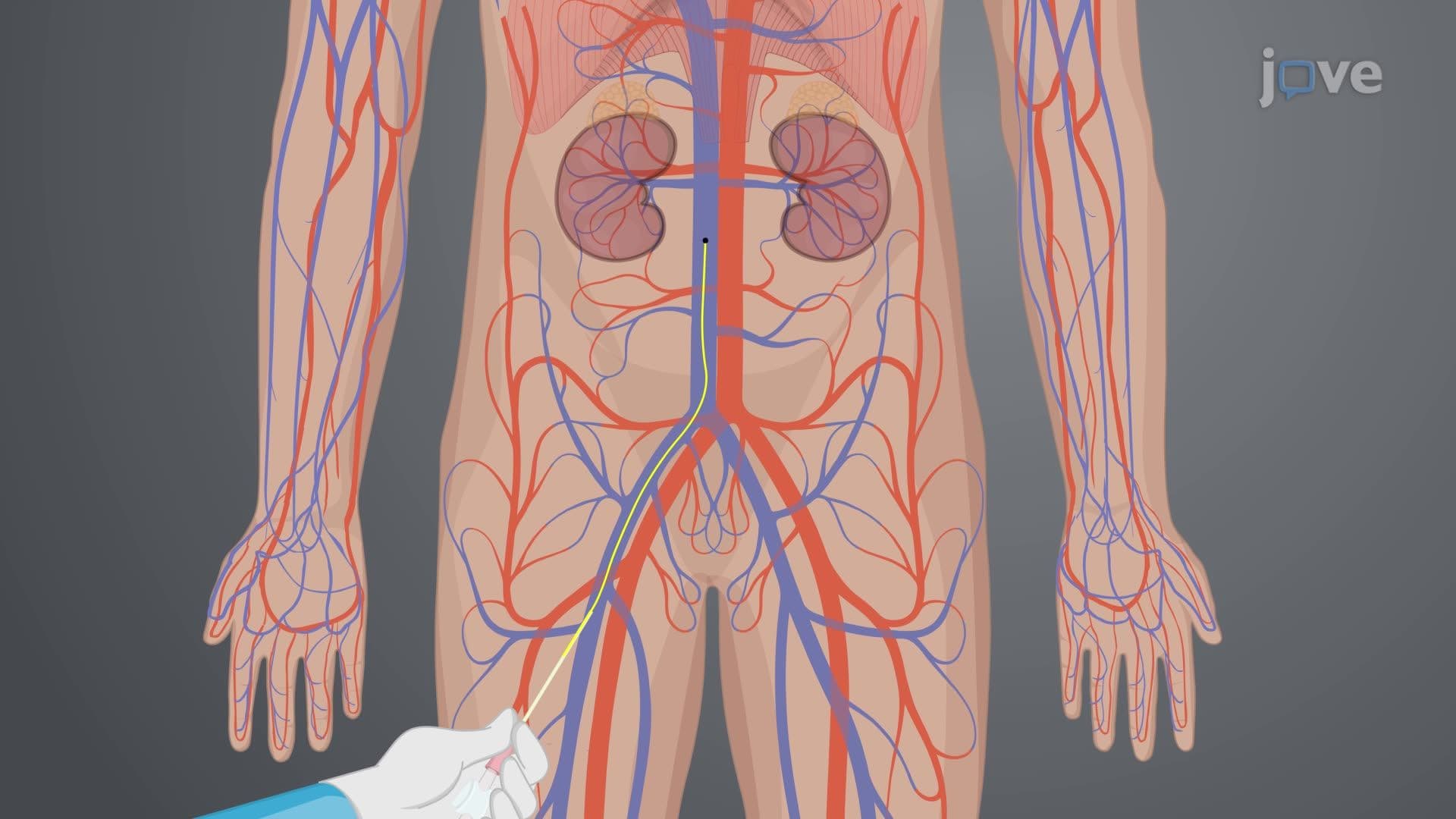
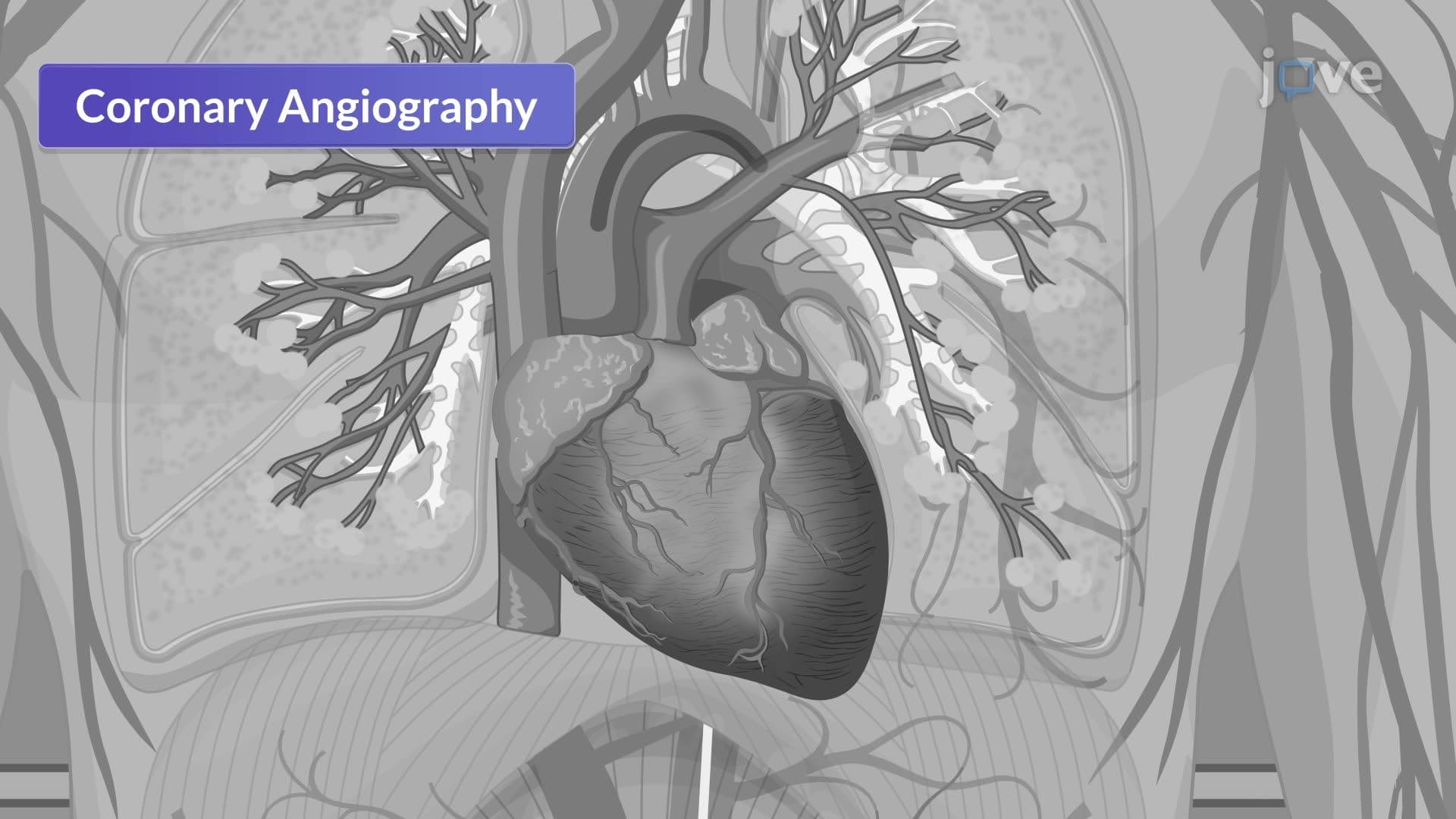
Cardiac catheterization represents one of the most critical diagnostic tools in modern cardiology, requiring meticulous pre-procedural preparation to ensure patient safety and optimal outcomes. This invasive technique involves threading specialized catheters through major blood vessels to directly visualize and assess heart function, making it invaluable for diagnosing coronary artery disease, valvular disorders, and congenital heart defects.
The cardiac catheterization i pre procedure overview encompasses several vital screening elements that directly impact patient safety. Healthcare providers must thoroughly investigate any history of contrast agent reactions, as these iodine-based substances can trigger severe allergic responses ranging from mild skin reactions to life-threatening anaphylaxis. This screening proves particularly important given that approximately 1-3% of patients experience some form of contrast reaction.
Laboratory evaluations form the cornerstone of pre-procedural preparation. Comprehensive metabolic panels assess kidney function through serum creatinine levels, which is crucial since contrast agents can cause nephrotoxicity, especially in patients with pre-existing renal impairment. Electrolyte balance evaluation helps identify conditions like hyperkalemia that could affect cardiac rhythm during the procedure.
Baseline coagulation studies, including prothrombin time (PT) and international normalized ratio (INR), guide anticoagulation strategies during catheterization. These measurements help cardiologists determine appropriate heparin dosing to prevent clot formation while minimizing bleeding risks. The INR, typically maintained between 0.9-1.1 for most procedures, ensures patients aren't at excessive bleeding risk from underlying conditions or medications like warfarin.
Complete blood count analysis, particularly hematocrit levels, establishes baseline values for monitoring post-procedural blood loss. This becomes especially important for students preparing for medical licensing exams like the USMLE Step 2 CK, where understanding the balance between procedural benefits and bleeding complications frequently appears in clinical vignettes.
For students taking AP Biology or preparing for pre-med coursework, understanding cardiac catheterization demonstrates the integration of anatomy, physiology, and clinical medicine. The procedure's dual approach-right heart catheterization for evaluating pulmonary pressures and left heart catheterization for coronary artery assessment-illustrates how medical professionals systematically evaluate cardiovascular function.
Related Micro-courses