Loading video…


 19 Concepts
 15.5K views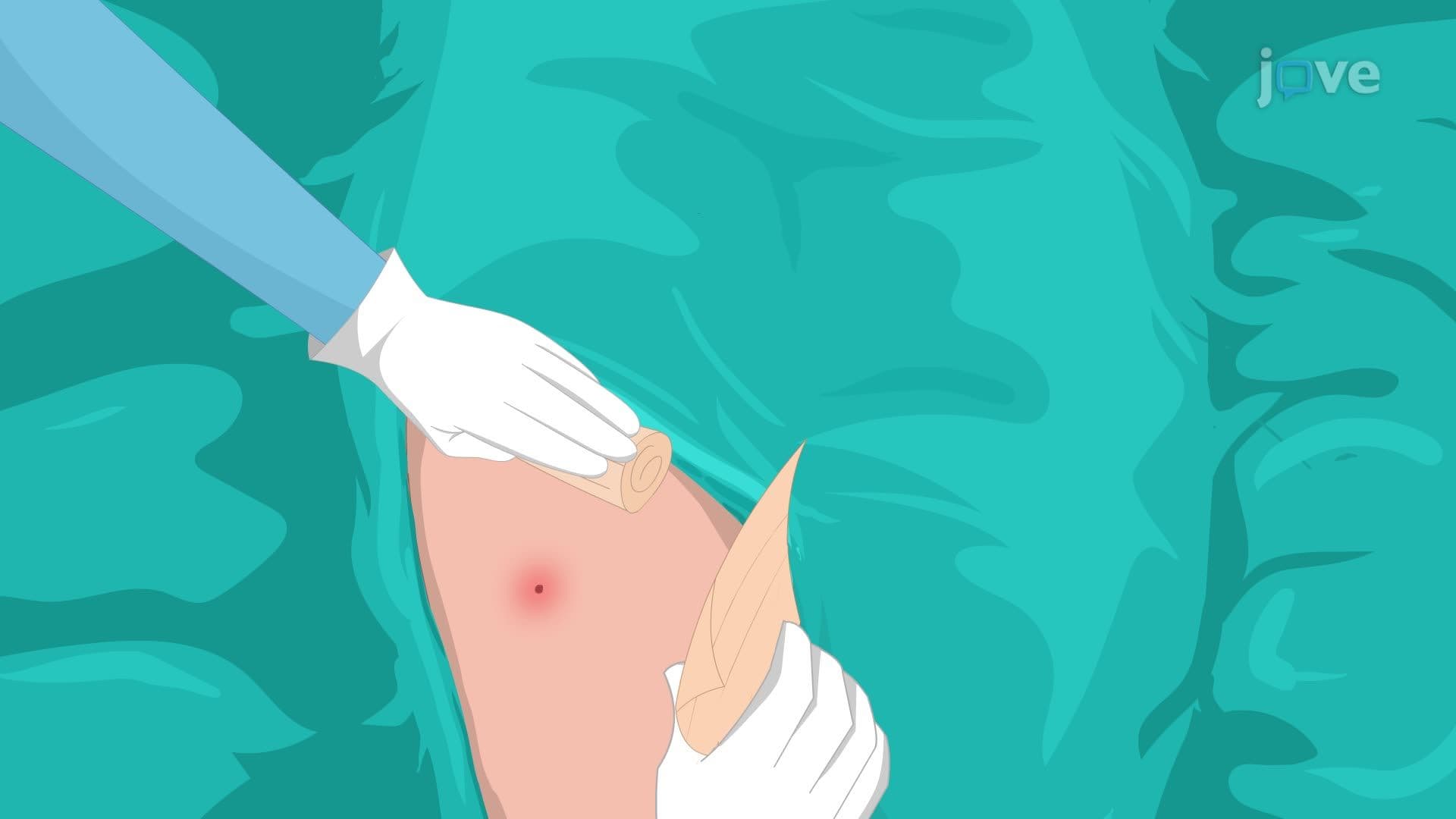

Video Summary: Cardiac Catheterization Iv Nursing Management Explained
Did you know that over 2 million cardiac catheterizations are performed annually in US hospitals, making cardiac catheterization iv nursing management one of the most critical skills for healthcare professionals? At major medical centers like Mayo Clinic, specialized nurses follow precise protocols to ensure patient safety during these life-saving procedures. Cardiac Catheterization IV Nursing Management Explained covers essential pre- and post-procedure care techniques that can mean the difference between successful outcomes and serious complications. Watch the full video on JoVE Coach to master this concept with expert-led visuals and step-by-step explanations.
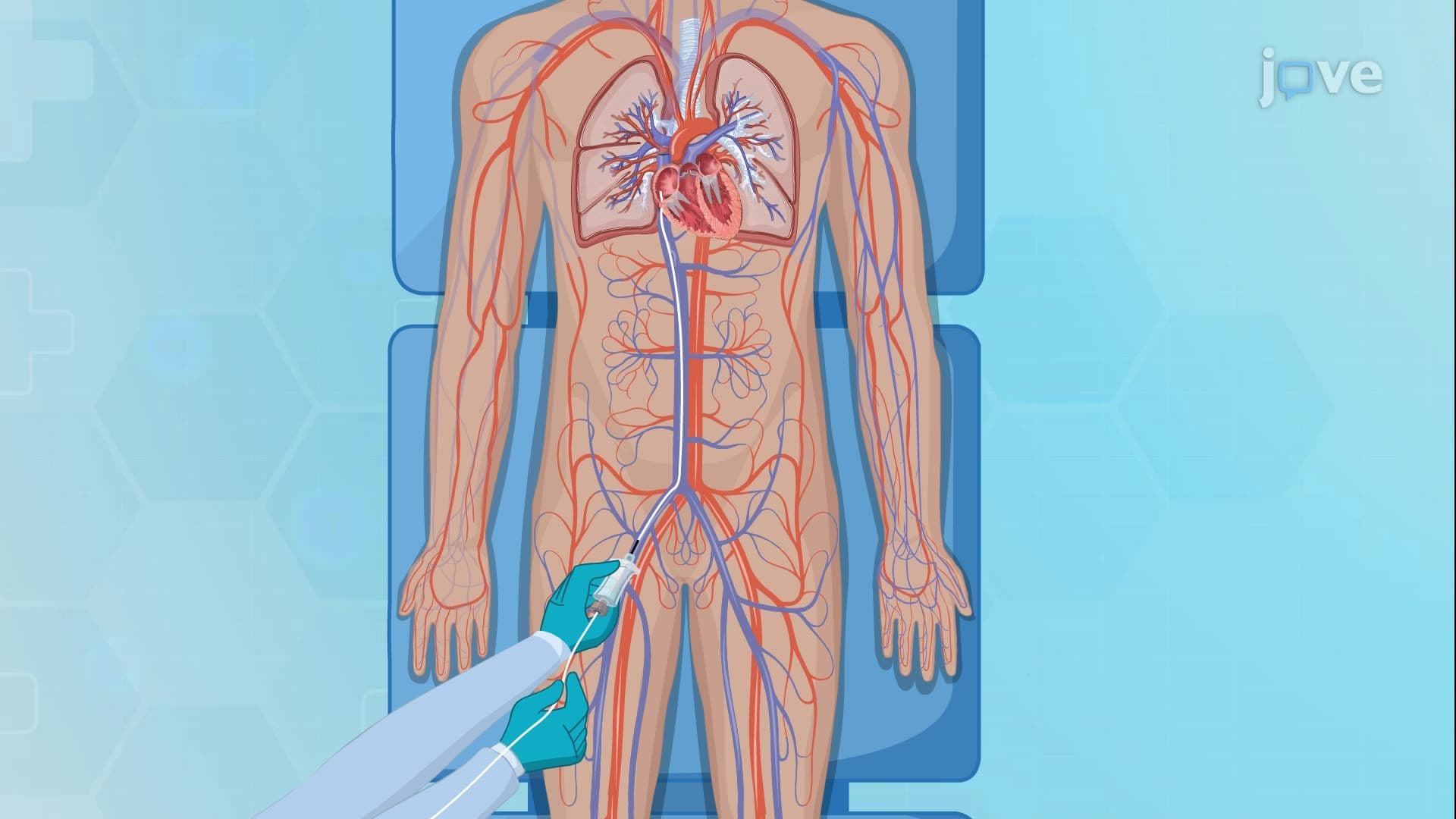
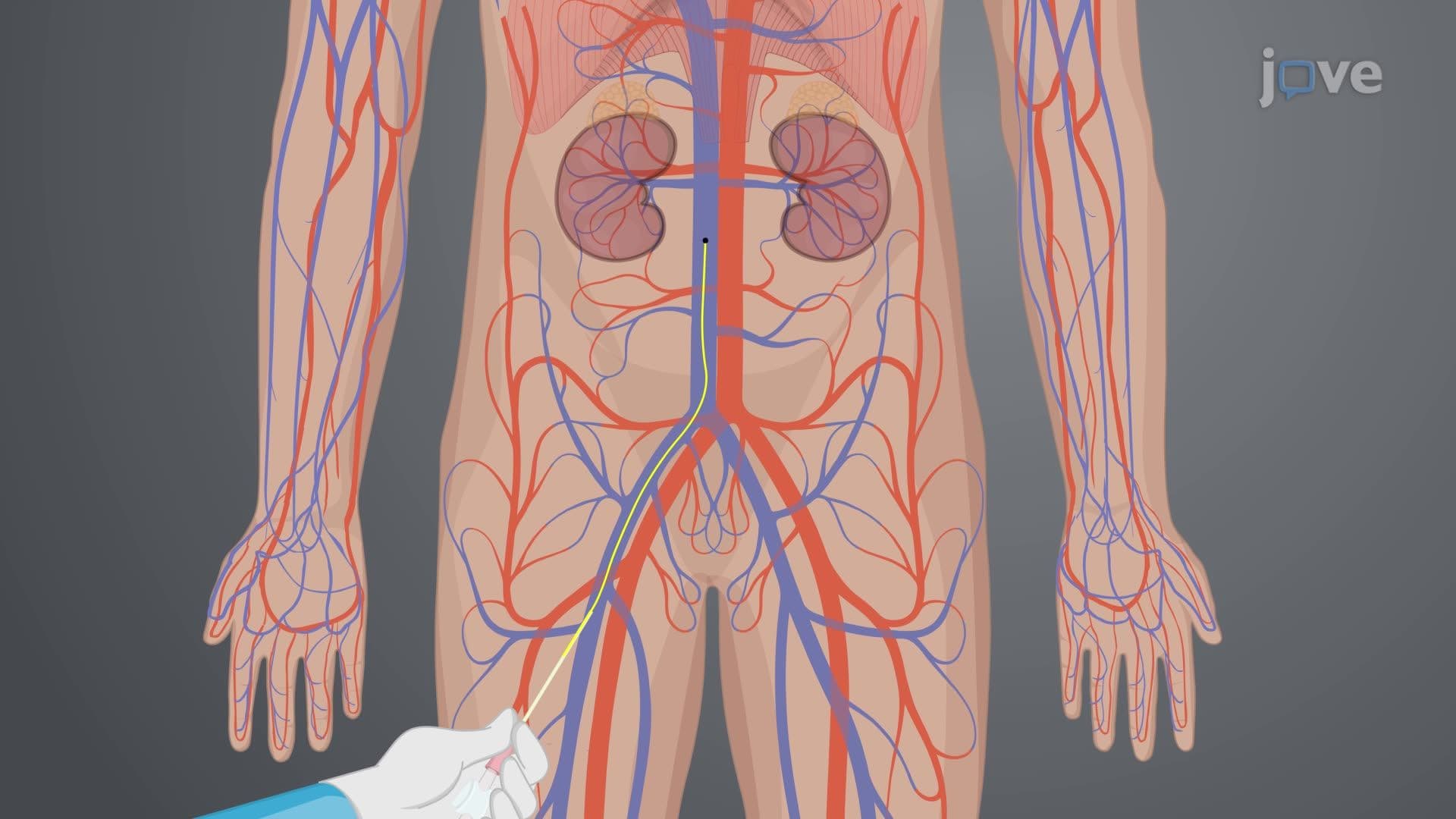
Cardiac catheterization iv nursing management represents a specialized area of cardiovascular nursing that requires meticulous attention to detail and systematic assessment skills. This invasive diagnostic and therapeutic procedure involves threading a catheter through blood vessels to reach the heart, making comprehensive nursing care essential for patient safety and optimal outcomes.
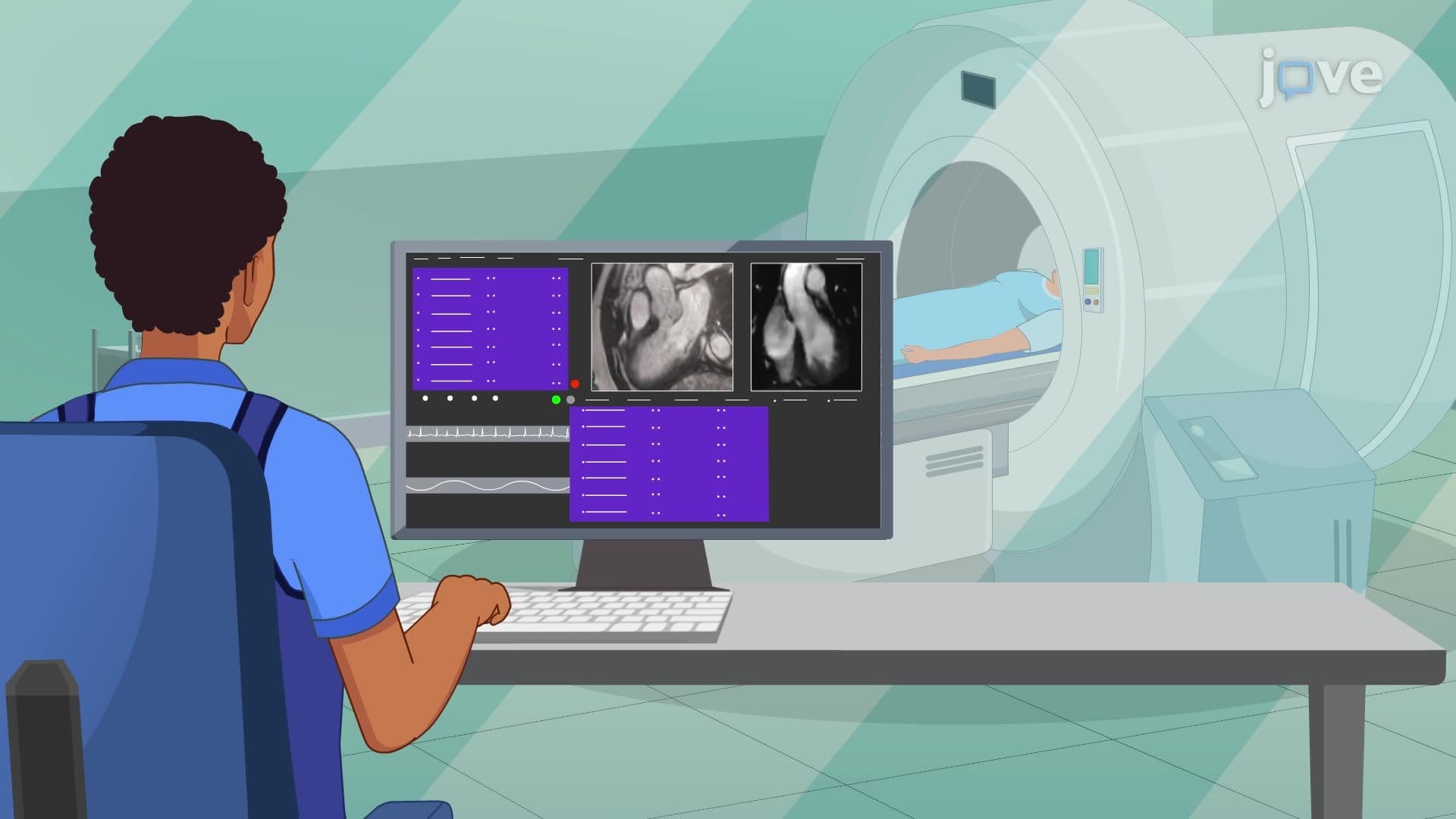
The cardiac catheterization iv nursing management tutorial emphasizes that successful outcomes begin with thorough pre-procedure preparation. Nurses must conduct comprehensive allergy assessments, particularly focusing on contrast dye sensitivities that could trigger life-threatening anaphylactic reactions. At leading cardiac centers like Cleveland Clinic, nurses systematically evaluate baseline parameters including vital signs, oxygen saturation, heart sounds, breath sounds, and complete neurovascular assessments of all extremities.
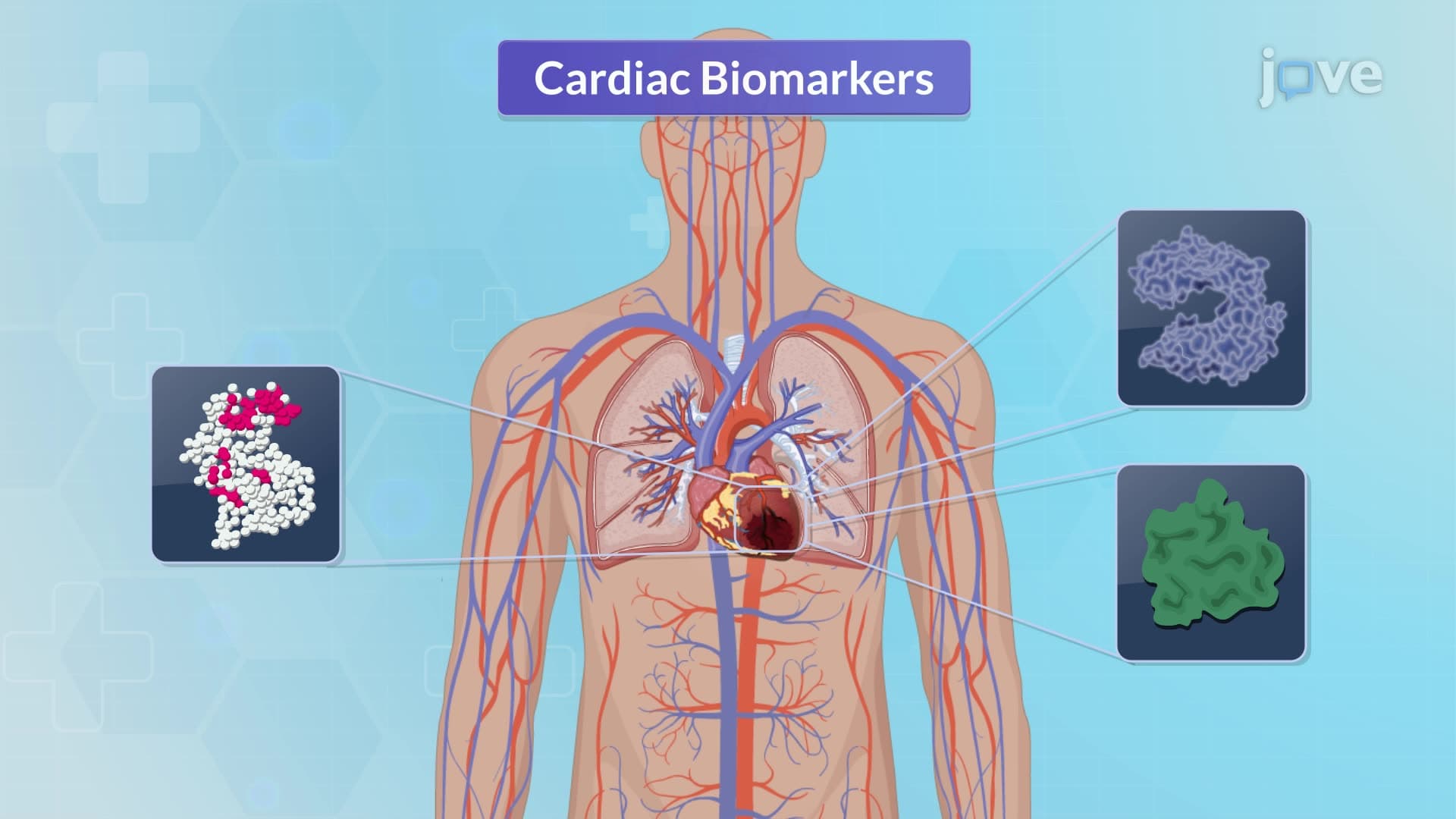
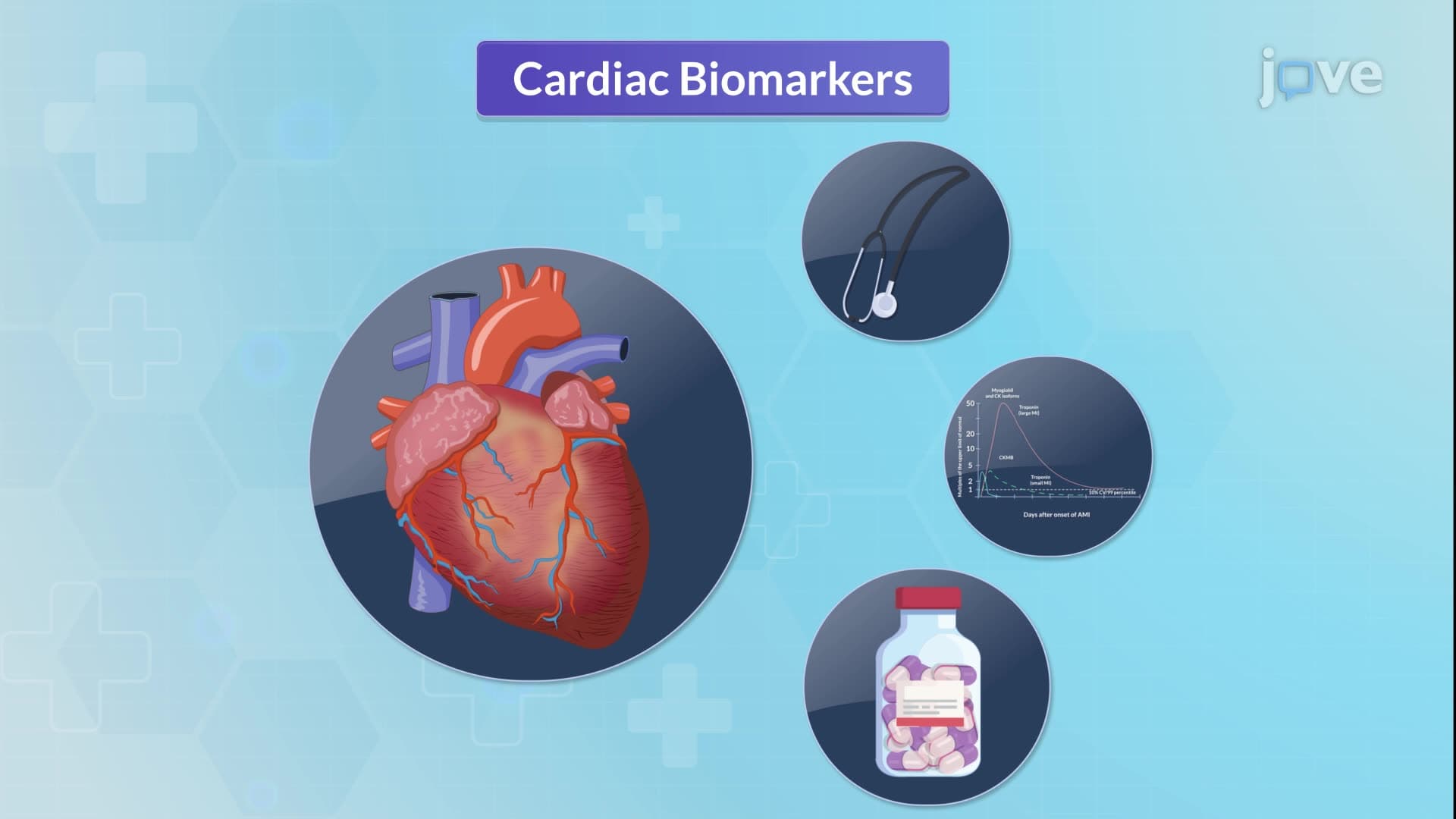
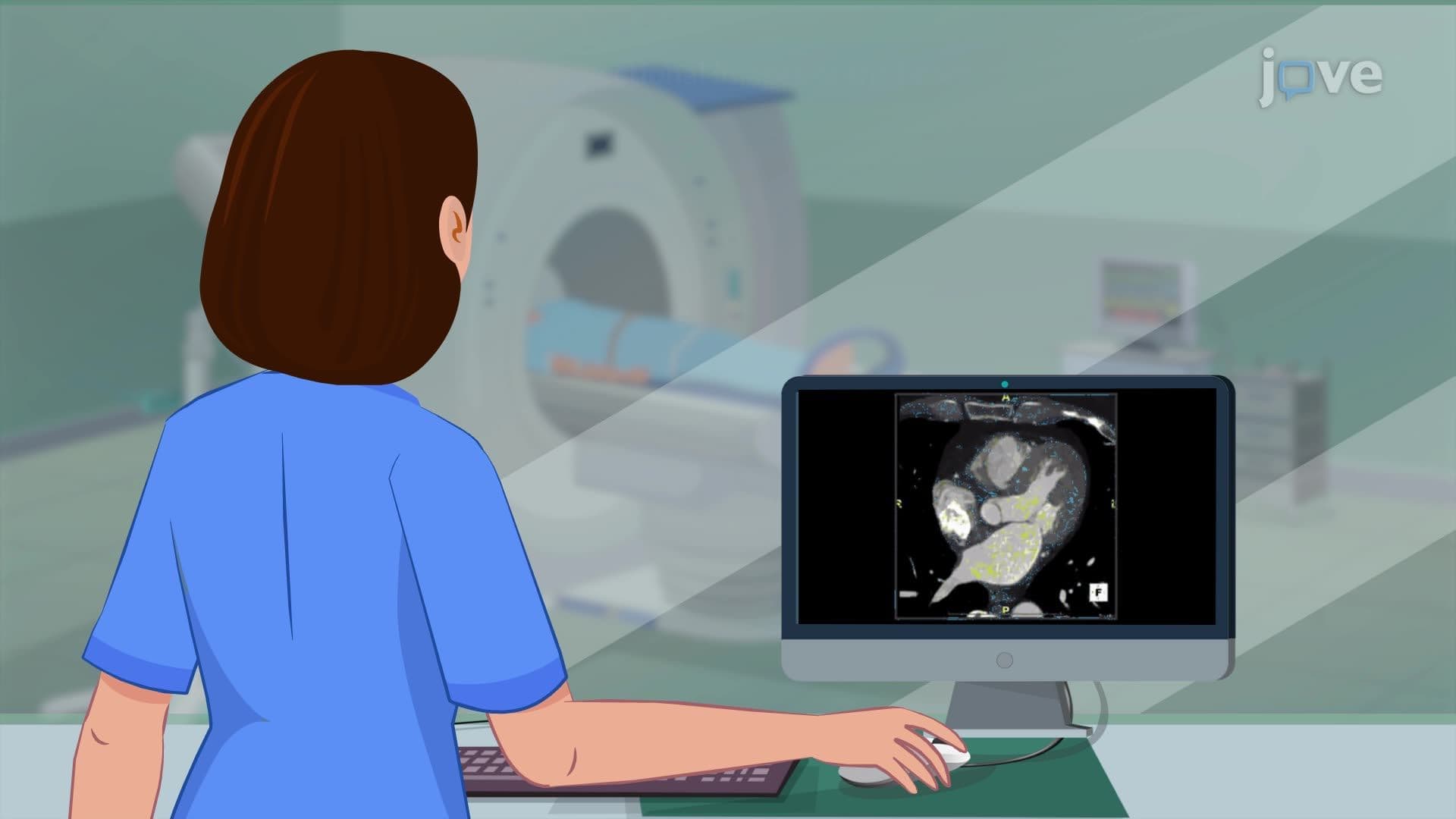
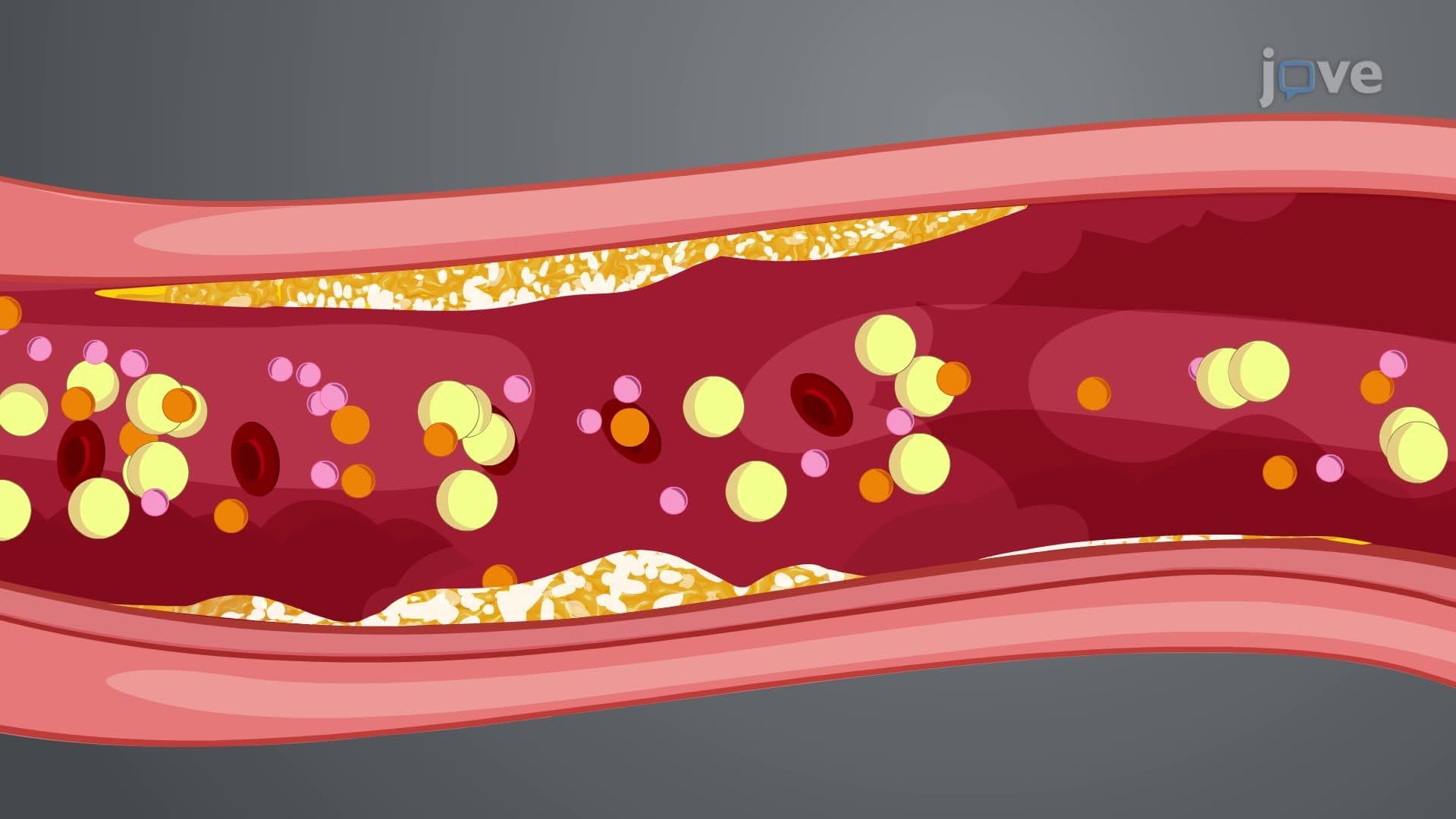
Laboratory value interpretation plays a crucial role in this phase. Nurses must review cardiac biomarkers such as troponin levels and creatinine values to assess kidney function before contrast administration. The cardiac catheterization iv basics require understanding that elevated creatinine levels may contraindicate the procedure due to increased risk of contrast-induced nephropathy, a serious complication that can lead to acute kidney injury.
Patient education forms another cornerstone of pre-procedure care. Nurses explain that patients may experience a warm, flushed sensation during contrast injection and possible pounding sensations when the catheter contacts the heart's inner lining (endocardium). This cardiac catheterization iv nursing management concept helps reduce patient anxiety and ensures informed consent.
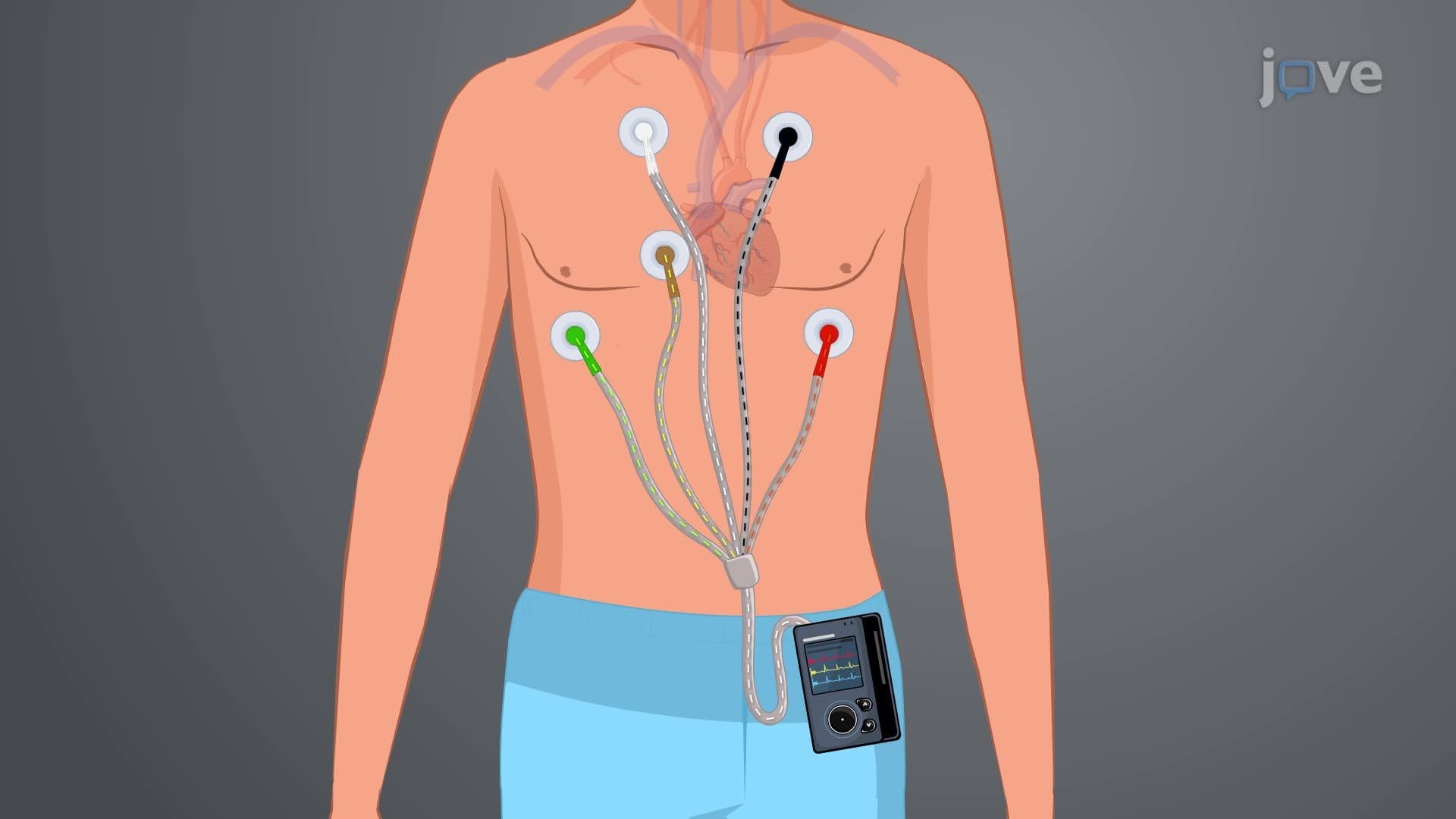
How cardiac catheterization iv nursing management works becomes most apparent in the post-procedure phase, where vigilant monitoring prevents serious complications. Nurses compare all vital signs and cardiac assessments to pre-procedure baselines, watching for signs of hemodynamic instability or cardiac tamponade.
Insertion site assessment requires specialized skills, as nurses must differentiate between normal post-procedure changes and dangerous complications like hematomas or active bleeding. The cardiac catheterization iv nursing management study guide protocols specify precise timing: neurovascular checks every 15 minutes for the first hour, then every 30 minutes for the second hour, focusing on peripheral pulses, skin color, temperature, and sensation.
This systematic approach to understanding cardiac catheterization iv nursing management directly applies to nursing school curricula and professional certification exams like the NCLEX-RN, where cardiovascular nursing questions frequently test these specific monitoring protocols and complication recognition skills.
Related Micro-courses