Loading subject page…


1,928 views


Video Summary: Complete Information and Asymmetric Information Meaning Explained
Ever wonder why car dealerships offer warranties while health insurance requires medical exams? Complete information asymmetric information explains this market puzzle perfectly. In complete information scenarios, all parties know everything relevant about a transaction, like stock prices on NASDAQ. However, asymmetric information occurs when one party knows more than another-like when you know your driving habits better than your auto insurer. These information gaps create fascinating economic dynamics that shape everything from college admissions to mortgage lending. Watch the full video on JoVE Coach to master this concept with expert-led visuals and step-by-step explanations.
Complete information represents an idealized market condition where all participants possess identical, perfect knowledge about every relevant aspect of a transaction. This includes product quality, prices, availability, and future market conditions. Think of the New York Stock Exchange, where stock prices, trading volumes, and company financials are instantly available to all participants. In these markets, no trader has an information advantage over others.
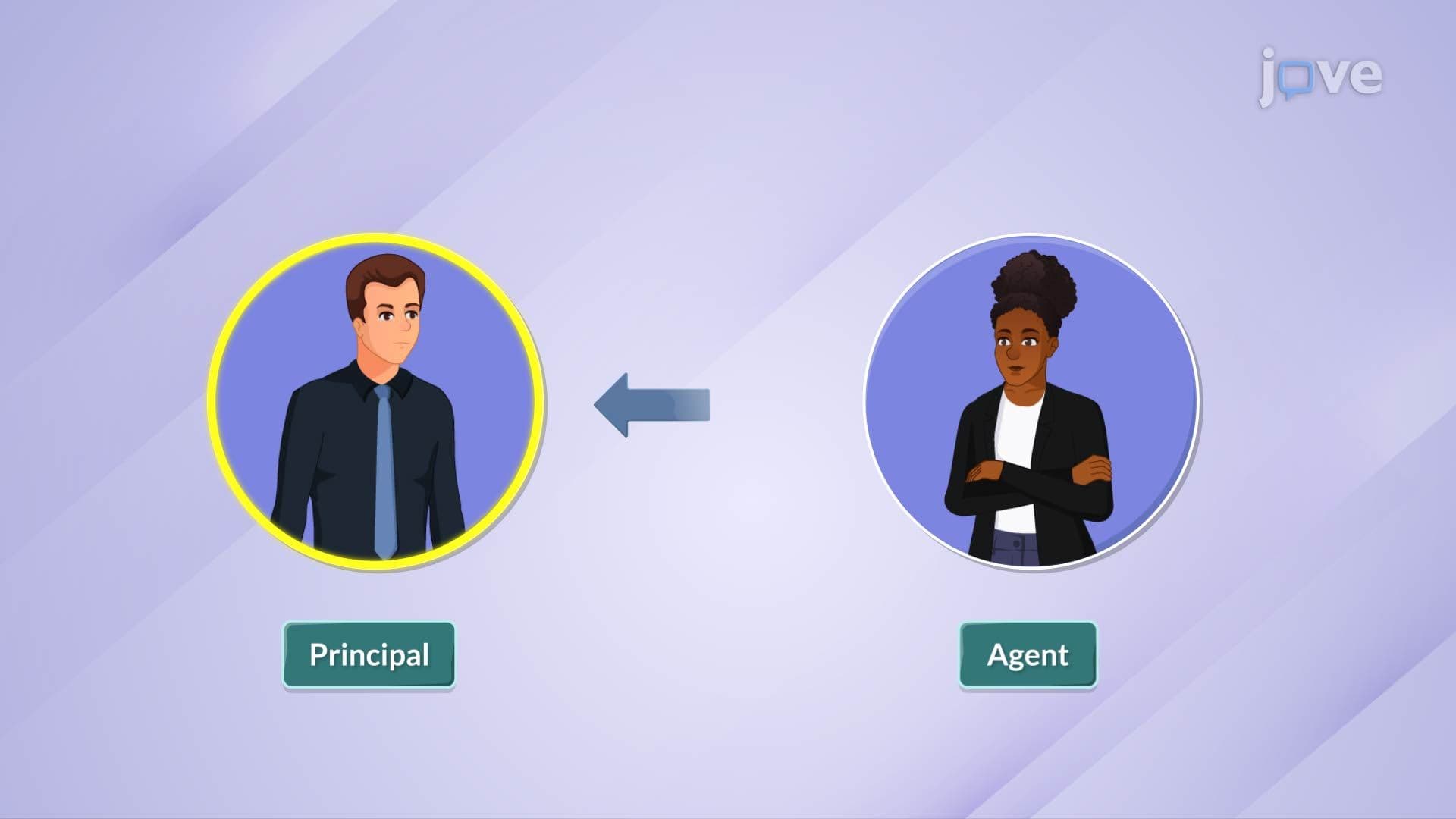
Asymmetric information, conversely, describes real-world situations where knowledge is unevenly distributed among market participants. One party always knows something the other doesn't, creating information imbalances that significantly impact market outcomes and efficiency.
Adverse Selection occurs before transactions, when one party has superior information about their own characteristics. Health insurance markets exemplify this perfectly. Applicants know their smoking history, family medical background, and lifestyle choices better than insurers. High-risk individuals are more likely to purchase comprehensive coverage, while healthy people might opt for minimal plans. This selection bias can destabilize insurance pools.
Moral Hazard emerges after transactions, when one party's behavior changes because they're insulated from risk consequences. Consider how comprehensive auto insurance might make drivers slightly less cautious, knowing their damages are covered.
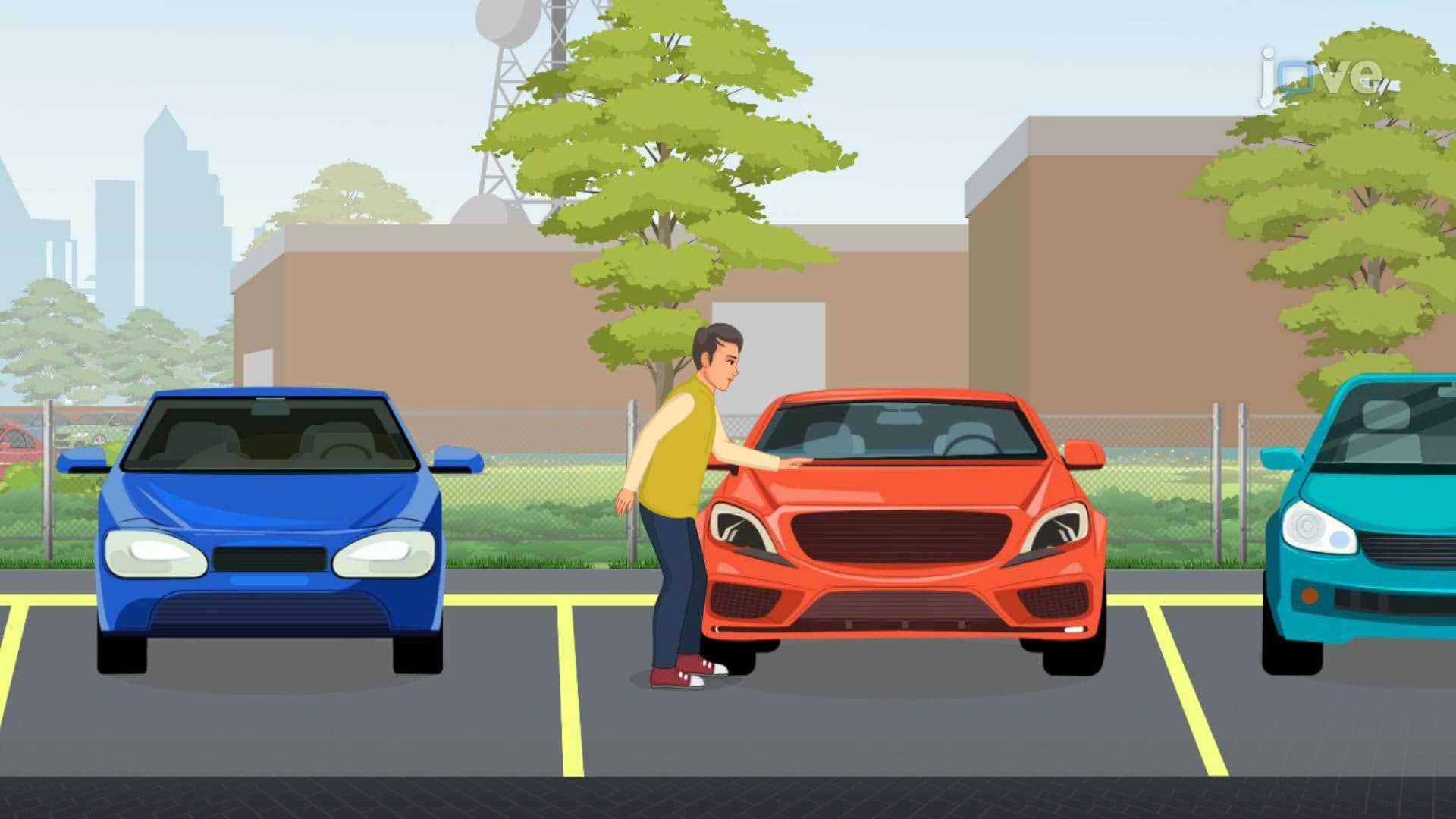
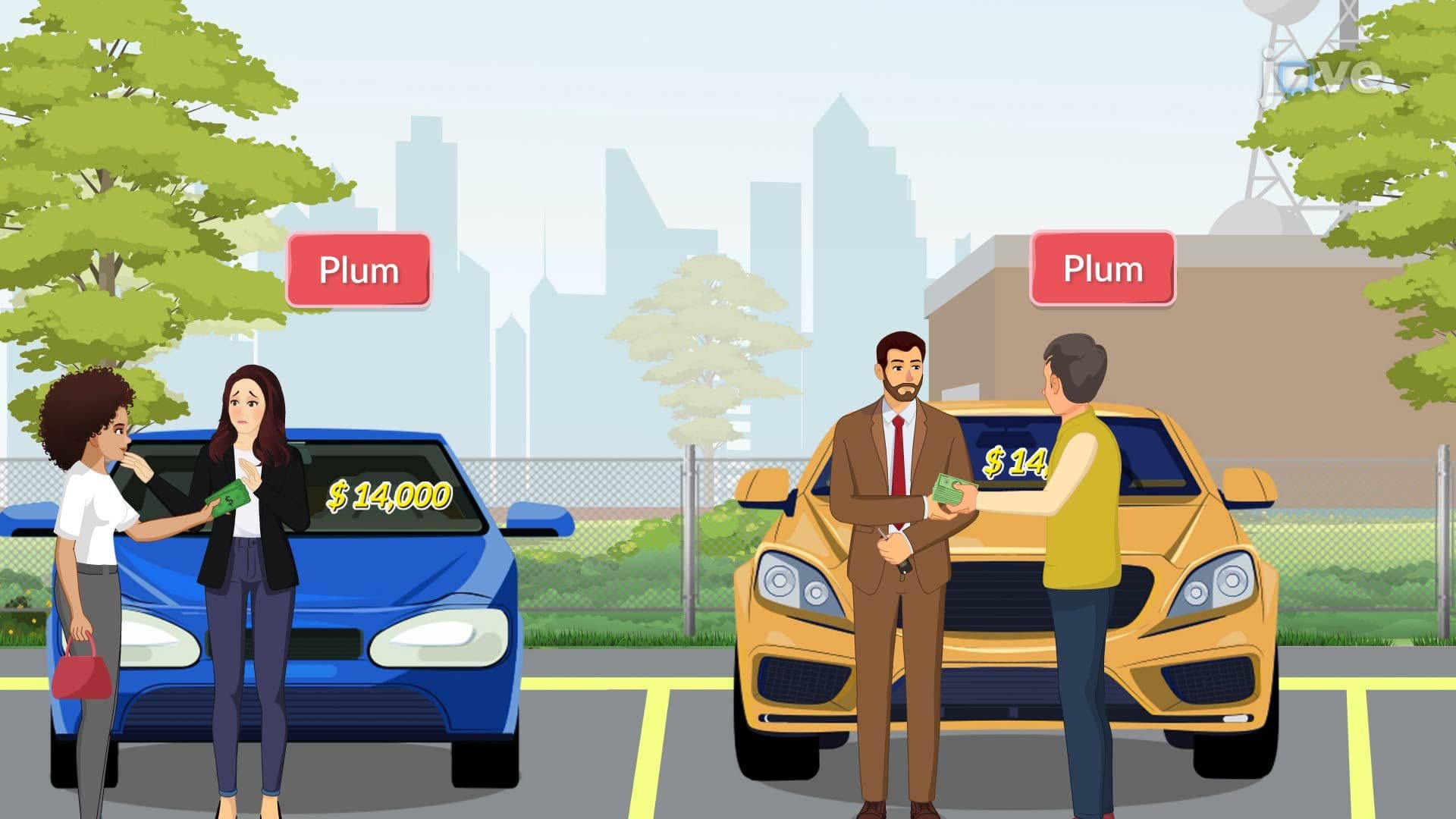
The used car market demonstrates classic asymmetric information. Sellers know their vehicle's accident history, maintenance records, and hidden problems. Buyers can only observe surface conditions during brief test drives. This information gap explains why used cars depreciate significantly the moment they leave dealer lots.
Information asymmetries often lead to market failures. In extreme cases, markets can completely collapse-like the "lemons problem" where only poor-quality goods remain available because buyers can't distinguish quality beforehand.
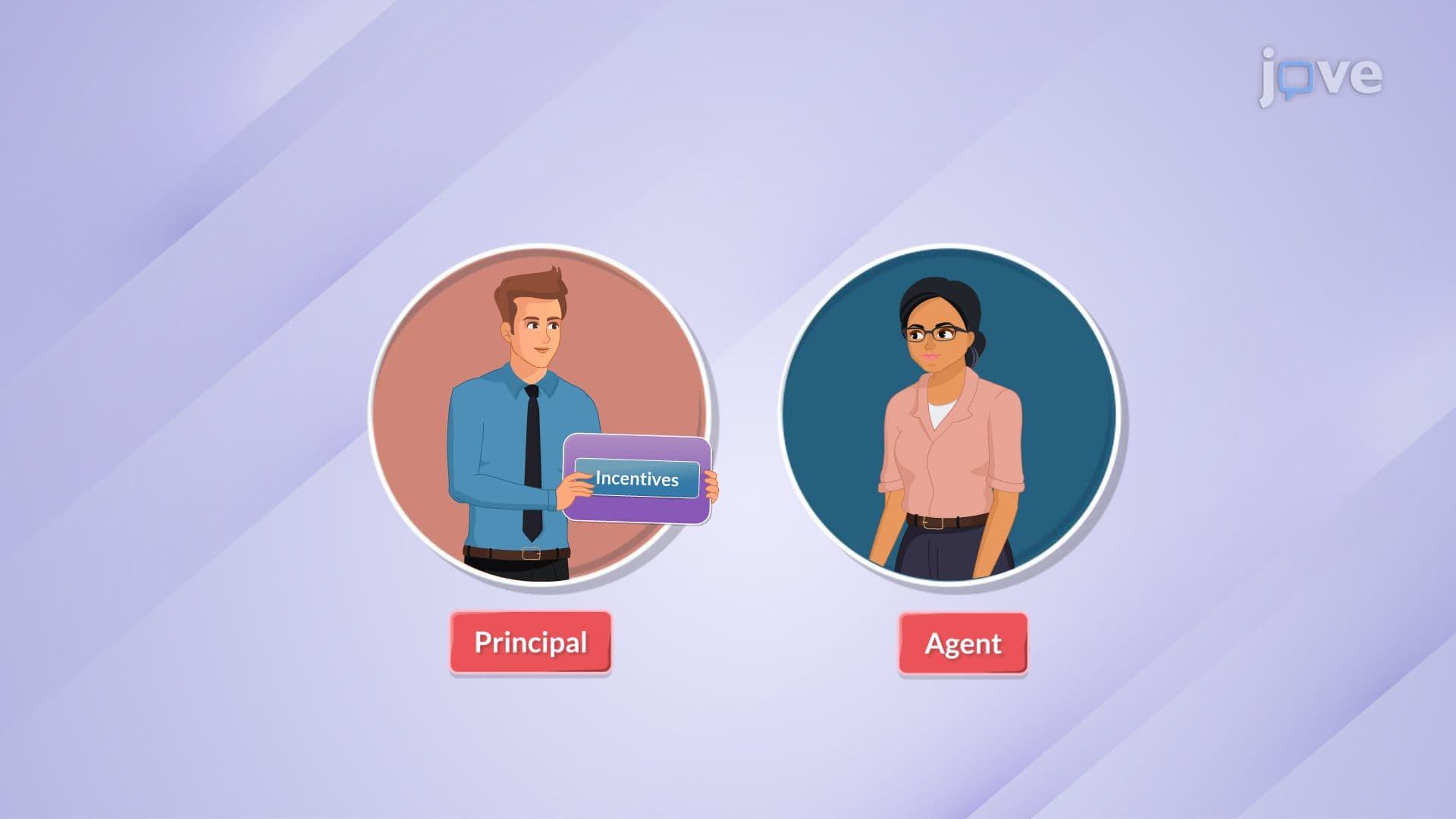
However, markets develop ingenious solutions. Signaling allows informed parties to credibly communicate their private information. College degrees signal worker productivity to employers. Warranties signal product quality to consumers. Screening helps uninformed parties elicit information from informed ones. Credit checks screen borrowers, while medical exams screen insurance applicants.
These concepts frequently appear on AP Economics exams, particularly in market failure and government intervention questions. College microeconomics courses extensively cover information economics, while business school curricula apply these principles to corporate finance and strategy decisions.
Related Micro-courses