Loading subject page…

- Microeconomics
- Asymmetric Information and Moral Hazard
- Mitigating Lemons Problem III: Truthful Quality Reporting
Micro-course: Asymmetric Information and Moral Hazard
1,928 views
Learn key concepts and earn your certificate.



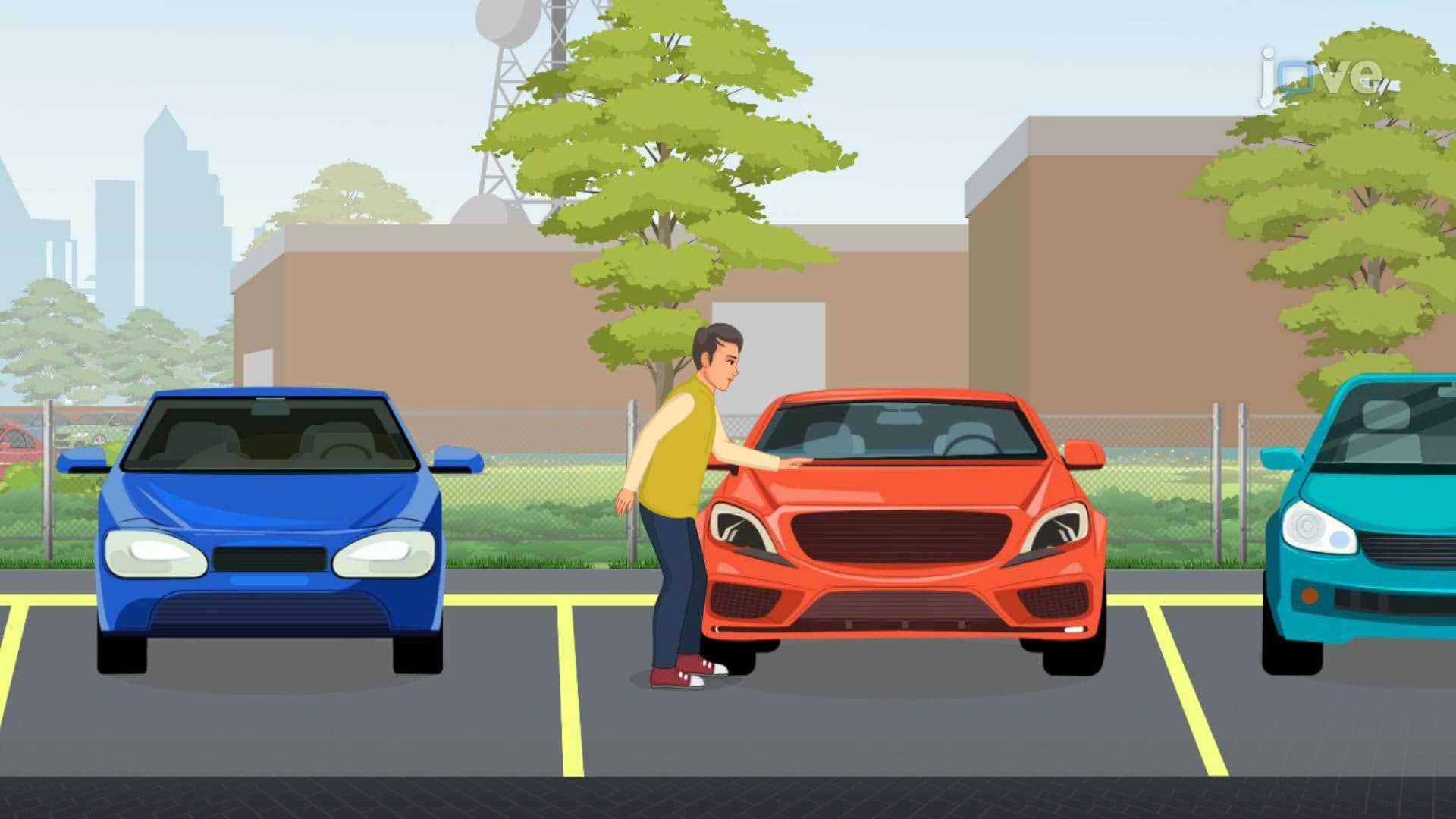











Mitigating Lemons Problem III: Truthful Quality Reporting


00:00
01:29
Video Summary: Mitigating Lemons Problem Iii Truthful Explained
When shopping for furniture online, how can buyers trust quality without touching the product first? Mitigating lemons problem III truthful explained demonstrates how businesses combat information asymmetry through honest quality signals. Companies like Wayfair use customer reviews, warranties, and third-party certifications to build consumer trust when physical inspection isn't possible. Watch the full video on JoVE Coach to master this concept with expert-led visuals and step-by-step explanations.
- Understand how mitigating lemons problem III truthful explained helps businesses overcome information asymmetry between sellers and buyers
- Identify three primary methods of truthful quality reporting: reputation systems, warranties, and third-party certifications
- Analyze how consumer review systems create transparent feedback loops that benefit both buyers and sellers
- Compare the effectiveness of different warranty structures in signaling product quality to hesitant consumers
- Evaluate the role of third-party certifications in establishing credibility for businesses in competitive markets
- Apply truthful reporting strategies to various industries beyond furniture, including automotive, electronics, and healthcare services
- Recognize how these solutions address the fundamental information gap that creates market inefficiencies
- Explore the economic incentives that motivate sellers to adopt honest quality signaling practices
Understanding Mitigating Lemons Problem III Truthful Explained
The concept of mitigating lemons problem III truthful explained addresses a fundamental challenge in modern commerce: how do buyers make informed decisions when they know less about product quality than sellers? This information asymmetry, first identified by economist George Akerlof in his groundbreaking "Market for Lemons" theory, can lead to market failure if left unchecked. The truthful approach focuses on creating transparency through honest quality signals that benefit both parties.
Reputation Systems and Consumer Reviews
Digital marketplaces have revolutionized how reputation functions in commerce. Companies like Amazon, eBay, and Etsy have built entire ecosystems around customer feedback. These platforms aggregate thousands of individual experiences into meaningful quality indicators through star ratings and detailed reviews. For furniture retailers like West Elm or CB2, online reviews provide crucial information about durability, assembly difficulty, and actual appearance versus photos. This system creates powerful incentives for sellers to maintain quality standards, as poor performance immediately becomes visible to future customers.
The economic logic is compelling: businesses with consistently positive reviews can charge premium prices, while those with poor ratings must either improve quality or accept lower margins. This market-driven feedback loop naturally separates high-quality providers from those offering inferior products, reducing the information gap that creates the lemons problem.
Warranties as Quality Signals
Warranties represent perhaps the most direct form of quality signaling available to businesses. When Herman Miller offers a 12-year warranty on their office chairs or when Craftsman provides lifetime guarantees on their tools, they're essentially betting their reputation on product durability. This financial commitment credibly signals confidence in quality because offering extensive warranties on poor products would be economically devastating.
Different warranty structures serve different market needs. Full replacement warranties signal premium quality, while limited warranties covering specific components indicate targeted quality assurance. Extended warranties often reveal manufacturers' confidence levels, companies wouldn't offer 10-year coverage if they expected widespread failures within that timeframe.
Third-Party Certifications and Industry Standards
Independent certification bodies play crucial roles in establishing trust across industries. The Business and Institutional Furniture Manufacturers Association (BIFMA) certifies furniture safety and durability standards. Similarly, ENERGY STAR ratings help consumers identify efficient appliances, while organic certifications guide food purchasing decisions. These third-party validations carry weight because certifying organizations stake their credibility on accurate assessments.
For students preparing for AP Economics or college microeconomics courses, understanding these mechanisms helps explain how markets can self-correct information asymmetries without government intervention. These concepts frequently appear in exam questions about market failures and solutions, making mastery essential for academic success.
Frequently Asked Questions
It's how businesses solve the trust problem when buyers can't fully judge product quality before purchasing. Companies use honest quality signals like customer reviews, warranties, and certifications to bridge the information gap. This approach helps markets function efficiently by giving buyers reliable quality information.
AP Microeconomics frequently tests understanding of information asymmetry and market solutions through multiple-choice and free-response questions. Students might analyze warranty strategies, explain how reputation systems reduce adverse selection, or evaluate the effectiveness of third-party certifications. These questions often connect to broader themes about market efficiency and consumer welfare.
Most introductory microeconomics courses include information asymmetry as a key market failure topic, making this concept highly testable. Professors often use real-world examples like online marketplaces or automotive warranties to illustrate these principles. Understanding truthful quality reporting demonstrates mastery of how markets can overcome information problems without regulation.
Amazon's marketplace exemplifies truthful quality reporting through verified purchase reviews, A-to-Z guarantee protection, and seller performance metrics. Their system allows millions of transactions daily between strangers by creating transparent feedback mechanisms. This approach has enabled Amazon to become the world's largest online retailer by solving fundamental trust issues in e-commerce.
Not at all, the basic ideas are quite intuitive since everyone has experienced buying decisions with limited information. The formal economic theory builds on common experiences like reading reviews before making purchases or preferring products with good warranties. Starting with familiar examples makes the underlying economics accessible to any motivated student.
Focus on understanding the problem (information asymmetry) before memorizing solutions. Practice identifying real-world examples of each truthful reporting method, then work through how each mechanism creates proper incentives. Create flashcards linking specific strategies to economic outcomes, and practice explaining why these solutions work from both buyer and seller perspectives.
After mastering truthful quality reporting, explore signaling theory and screening mechanisms in other contexts. Adverse selection in insurance markets, moral hazard problems, and principal-agent relationships all build on these foundational ideas. These topics frequently connect in comprehensive economics courses and professional exams like the MCAT's behavioral sciences section.
Warranties work because high-quality producers can offer them profitably while low-quality producers cannot. If a company knows their product will likely fail, offering extensive warranty coverage would be financially ruinous. This creates a separating equilibrium where warranty generosity credibly signals quality, helping consumers identify reliable products in markets with hidden information.
Related Micro-courses