Loading subject page…


1,928 views


Video Summary: Moral Hazard Definition and Economic Implications
Why do insurance claims spike after major storms, even for unrelated damages? The answer lies in moral hazard: definition economic principles that shape everyday transactions. When one party can't fully monitor another's actions-like homeowners filing inflated insurance claims or contractors cutting corners on hidden work-moral hazard emerges. Consider how health insurance might lead some patients to seek unnecessary expensive treatments. Understanding Moral Hazard: Definition and Economic Implications reveals these hidden information gaps that cost the US economy billions annually. Watch the full video on JoVE Coach to master this concept with expert-led visuals and step-by-step explanations.
Moral hazard: definition economic theory centers on information asymmetry that emerges after a contract or transaction is completed. Unlike adverse selection, which occurs before agreements are made, moral hazard develops when one party cannot monitor the other's subsequent actions, creating incentives for riskier or less careful behavior.
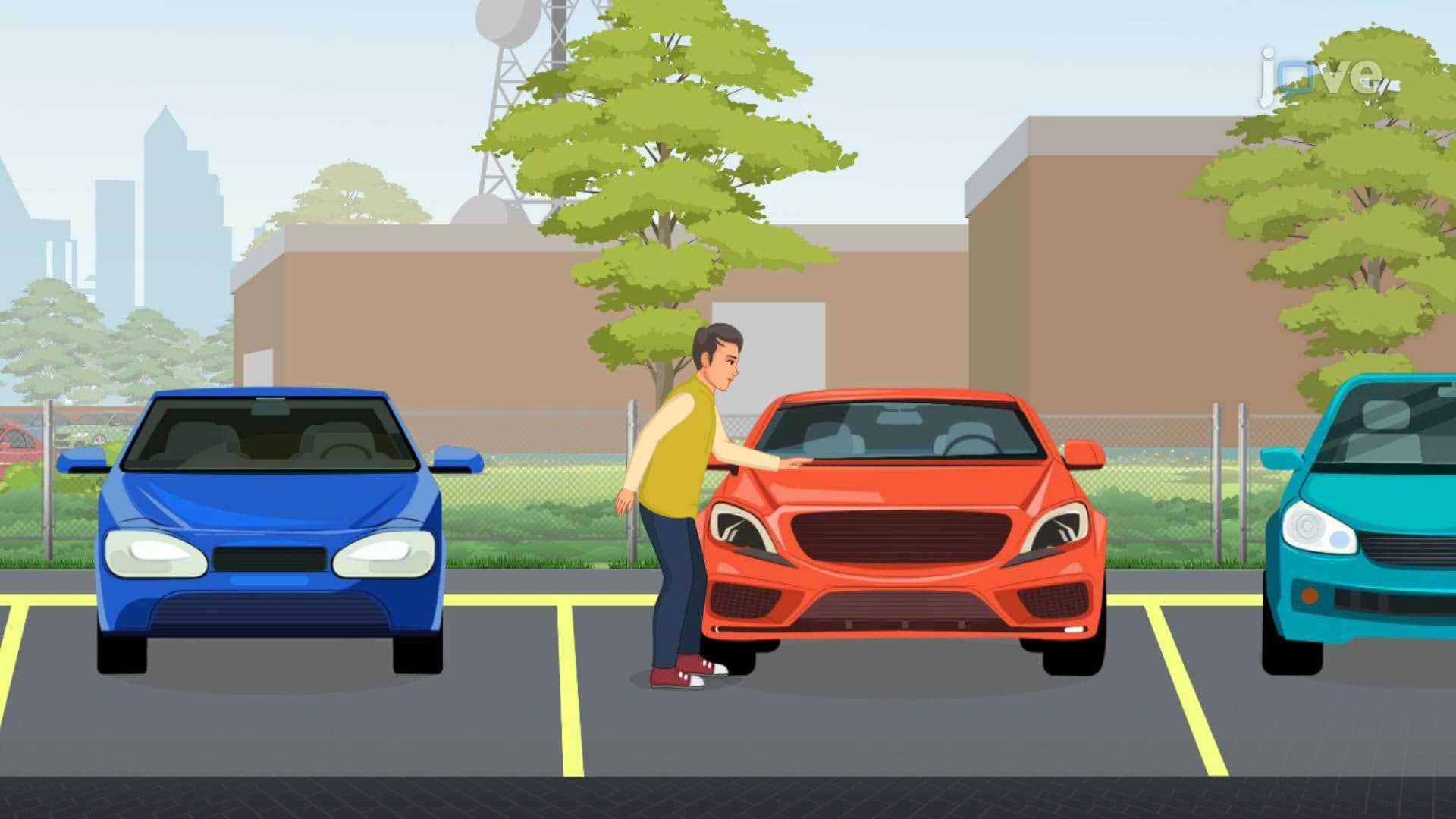
The fundamental issue behind moral hazard: overview involves unobservable actions. When Alex hires contractors for home renovation, he can easily verify visible work like new flooring or paint, but cannot assess electrical wiring quality without expertise or costly inspections. This monitoring difficulty creates opportunities for contractors to reduce effort on hidden work while maintaining the appearance of full compliance.
In insurance markets, this manifests dramatically. After purchasing comprehensive auto coverage, drivers might park in riskier neighborhoods or drive more aggressively, knowing their insurer bears the financial consequences of accidents. The Insurance Information Institute reports that moral hazard contributes to approximately 10-15% of total claim costs across various insurance lines.
What is moral hazard: definition and economic implications reveals significant efficiency losses. When parties cannot monitor each other effectively, resources become misallocated. Banks extending loans face moral hazard when borrowers use funds differently than promised. The 2008 financial crisis exemplified this-mortgage brokers earned fees regardless of loan quality, creating incentives to approve risky borrowers.
Healthcare presents classic moral hazard scenarios. Patients with comprehensive insurance may demand expensive procedures with marginal benefits, while providers might recommend unnecessary tests knowing insurance covers costs. The Congressional Budget Office estimates moral hazard increases healthcare spending by 13-25% annually.
Economic theory suggests several approaches to minimize moral hazard problems. Deductibles and co-payments in insurance create cost-sharing that maintains incentives for careful behavior. Employment contracts often include performance bonuses, stock options, or monitoring systems to align worker interests with company goals.
For students preparing for AP Economics or college microeconomics courses, understanding these mechanisms proves essential. Exam questions frequently test recognition of moral hazard situations and evaluation of potential solutions. The concept appears on standardized tests including AP Microeconomics, college midterms, and graduate school entrance exams like the GRE Economics subject test.
Related Micro-courses