Loading video…


 15 Concepts
 1.9K views

Video Summary: Moral Hazard in Insurance Markets
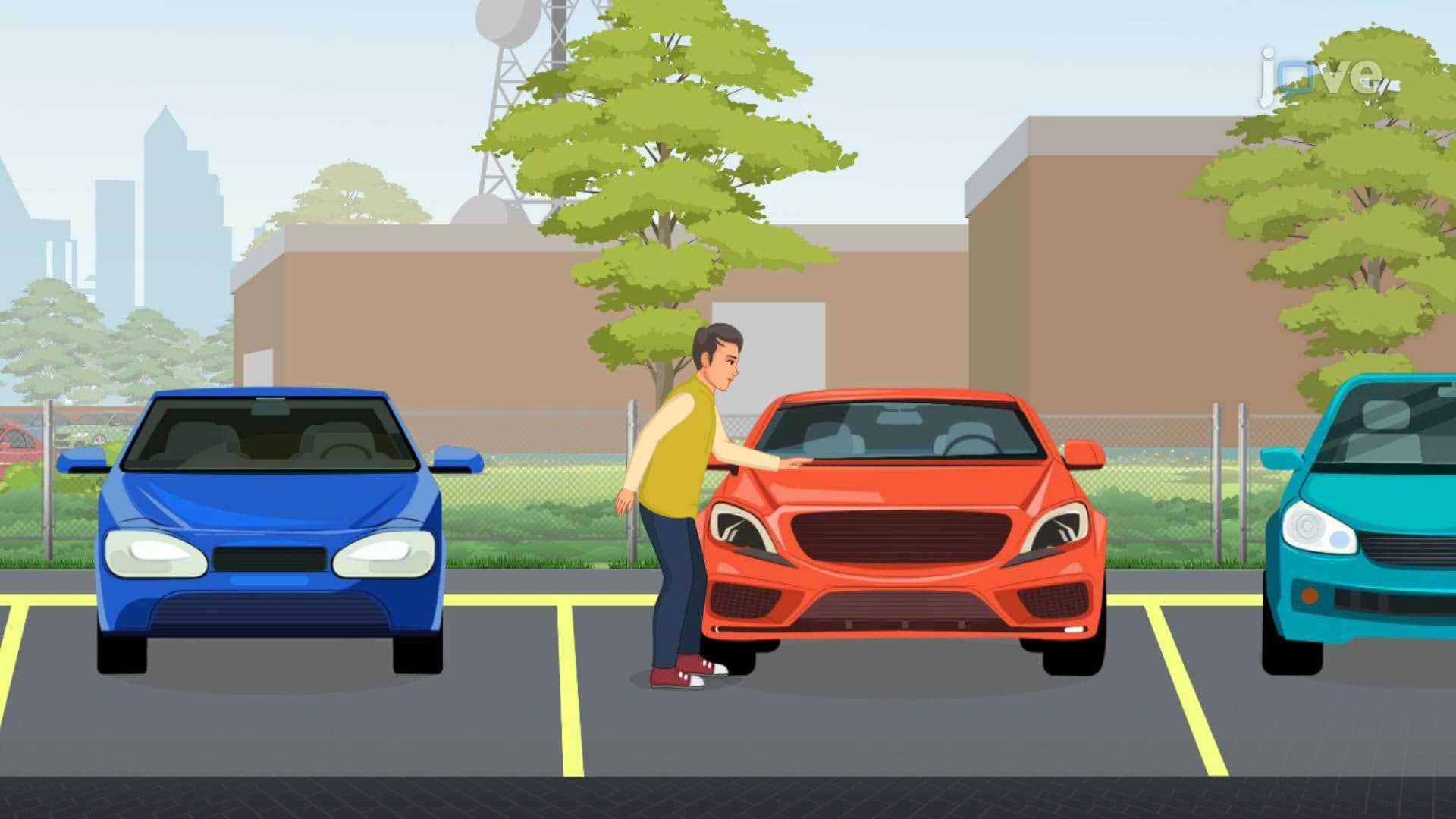
Did you know that having car insurance might actually make you a worse driver? Moral hazard in insurance markets occurs when people take greater risks after purchasing coverage, knowing someone else bears the cost. Consider a driver who becomes less careful about locking their car after buying comprehensive auto insurance. This behavioral shift creates moral hazard insurance markets where insurers face increased claims due to reduced policyholder vigilance. Watch the full video on JoVE Coach to master this concept with expert-led visuals and step-by-step explanations.
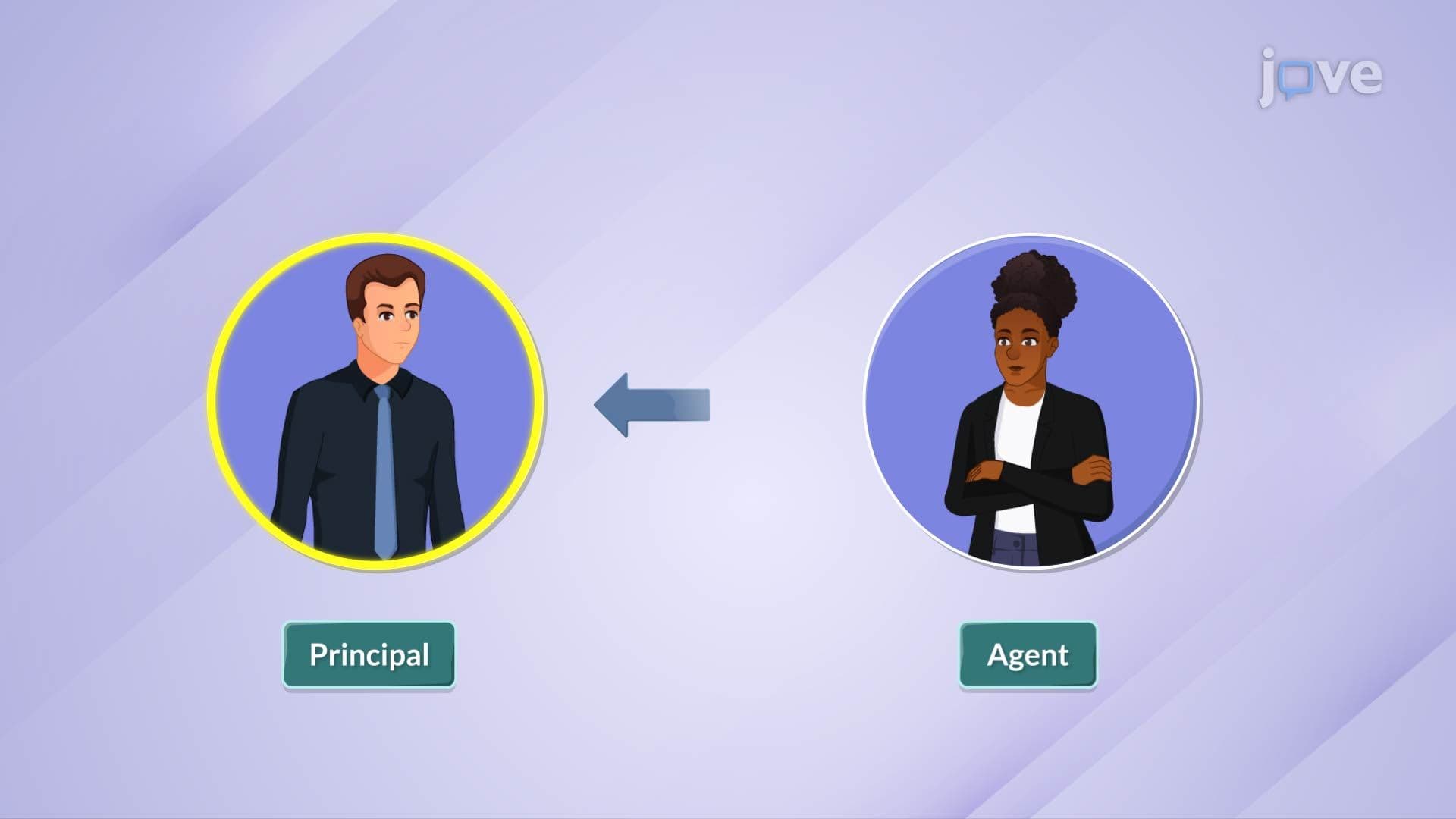
Moral Hazard in Insurance Markets represents a fundamental challenge in risk management where insurance coverage inadvertently encourages riskier behavior. Unlike the moral implications its name suggests, this economic concept describes a purely rational response to changed incentives. When individuals transfer risk to insurers, they may logically reduce their own prevention efforts since they no longer bear the full cost of potential losses.
The core issue stems from information asymmetry-insurers cannot constantly monitor policyholder behavior after issuing coverage. This creates an environment where individuals can engage in moral hazard without immediate detection. For example, a college student with comprehensive health insurance might participate in riskier activities like extreme sports, knowing their medical expenses are covered. Similarly, a homeowner with flood insurance might delay installing proper drainage systems, reasoning that flood damage will be compensated.
American insurance markets provide numerous examples of moral hazard effects. In healthcare, patients with generous insurance plans may seek unnecessary procedures or brand-name medications over generics. The RAND Health Insurance Experiment, a landmark US study, demonstrated that people with more comprehensive coverage used significantly more healthcare services. In auto insurance, drivers with collision coverage might park in riskier areas or drive more aggressively. Property insurers frequently observe that homeowners become less diligent about maintenance and security measures after purchasing comprehensive policies.
Moral hazard creates a vicious cycle affecting all market participants. As insured individuals take greater risks, claim frequencies and costs increase. Insurers respond by raising premiums to maintain profitability, making insurance more expensive for everyone. This phenomenon appears frequently on economics exams, including AP Microeconomics tests and college-level courses in risk management and insurance economics. Students should understand that moral hazard differs from adverse selection-while adverse selection involves hidden information at the time of purchase, moral hazard involves hidden actions after purchase.
To combat moral hazard, insurers employ various strategies including deductibles, co-payments, policy exclusions, and monitoring systems. These mechanisms help realign incentives by ensuring policyholders retain some financial stake in preventing losses.
Related Micro-courses