Loading subject page…


1,928 views

Video Summary: The Lemons Problem Sellers Have Explained
Ever wonder why used car dealers seem to know something you don't? The lemons problem sellers have creates a fascinating economic puzzle where information asymmetry drives market failure. When sellers know their car's true quality but buyers can't distinguish between reliable vehicles and accident-damaged "lemons," the entire market pricing system breaks down. Consider how a flood-damaged Honda Civic might look identical to a well-maintained one on a CarMax lot. Watch the full video on JoVE Coach to master this concept with expert-led visuals and step-by-step explanations.
The lemons problem sellers have represents one of economics' most elegant demonstrations of how information asymmetry can destroy otherwise functional markets. Nobel Prize winner George Akerlof first articulated this concept, showing how markets can unravel when one party possesses significantly more information than the other.
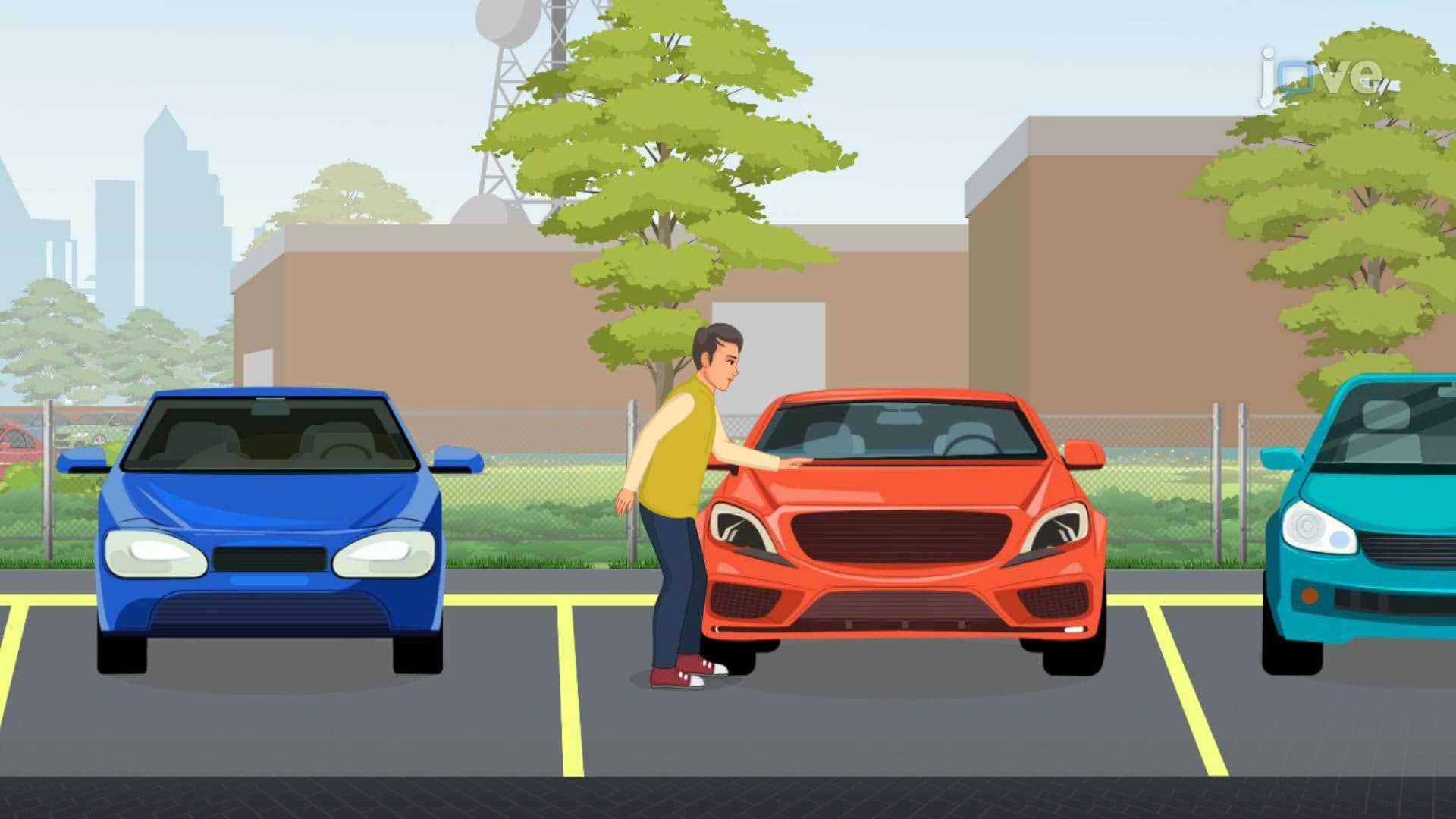
In the classic used car scenario, sellers possess complete knowledge about their vehicle's history, maintenance records, and hidden defects. Meanwhile, buyers can only observe superficial characteristics like appearance and basic functionality. This information gap creates a fundamental imbalance that distorts normal supply and demand relationships.
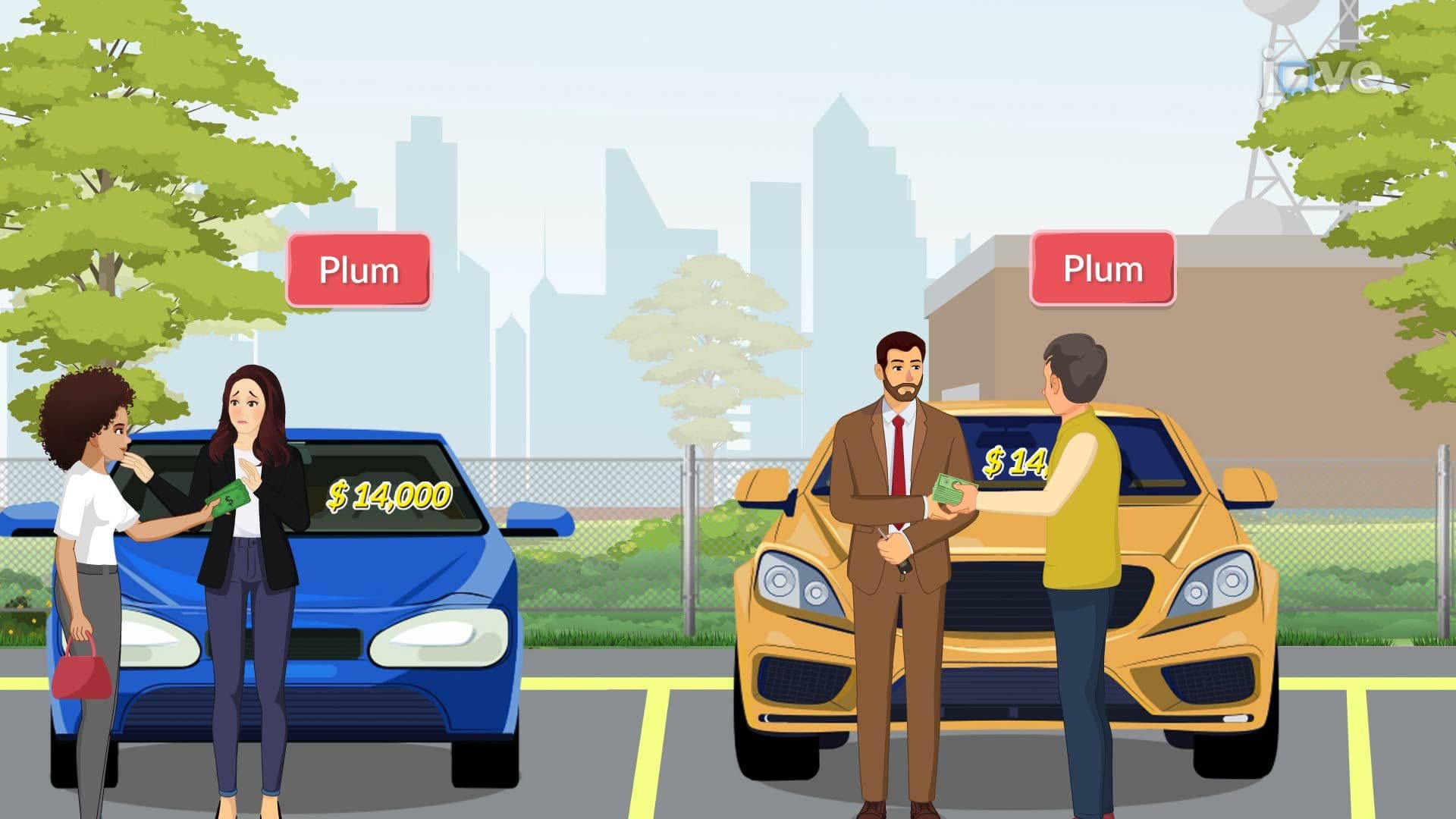
Consider a typical scenario at a used car dealership in Texas. Two identical 2020 Toyota Camrys sit side by side, both priced at $18,000. One has meticulous maintenance records and highway-only miles, while the other survived Hurricane Harvey flooding but received professional restoration. External inspection reveals no meaningful differences, yet their true values differ dramatically.
Rational buyers, understanding they cannot distinguish quality, base their offers on expected value calculations. If buyers know that 50% of cars are high-quality ($20,000 value) and 50% are low-quality ($8,000 value), they calculate: Expected Value = (0.5 × $20,000) + (0.5 × $8,000) = $14,000.
This mathematical approach seems logical but creates perverse incentives. Owners of genuine high-quality vehicles refuse to sell at $14,000 when their cars are worth $20,000, while lemon owners eagerly accept prices above their vehicles' true $8,000 value.
This concept appears frequently on AP Economics exams, college microeconomics midterms, and business school case studies. Students encounter lemons problems across various markets: health insurance (where sick individuals are more likely to purchase coverage), employment markets (where less productive workers may oversell their abilities), and online marketplaces (where product quality varies dramatically).
Understanding adverse selection helps explain why companies like CarMax offer warranties, why employers require extensive interviews, and why insurance companies mandate medical examinations. These mechanisms represent market responses to information asymmetry challenges.
Related Micro-courses