Loading subject page…


1,928 views

Video Summary: What Is Principal Agent Relationships
Ever wonder why your school principal might make decisions that don't align with what students want? Principal agent relationships explain this exact dynamic-when one party (the agent) makes decisions that affect another party (the principal). In corporate America, this plays out when CEOs of companies like Apple make strategic choices that impact shareholder wealth. The concept reveals why conflicts arise when the decision-maker's personal interests don't match those they represent. Watch the full video on JoVE Coach to master this concept with expert-led visuals and step-by-step explanations.
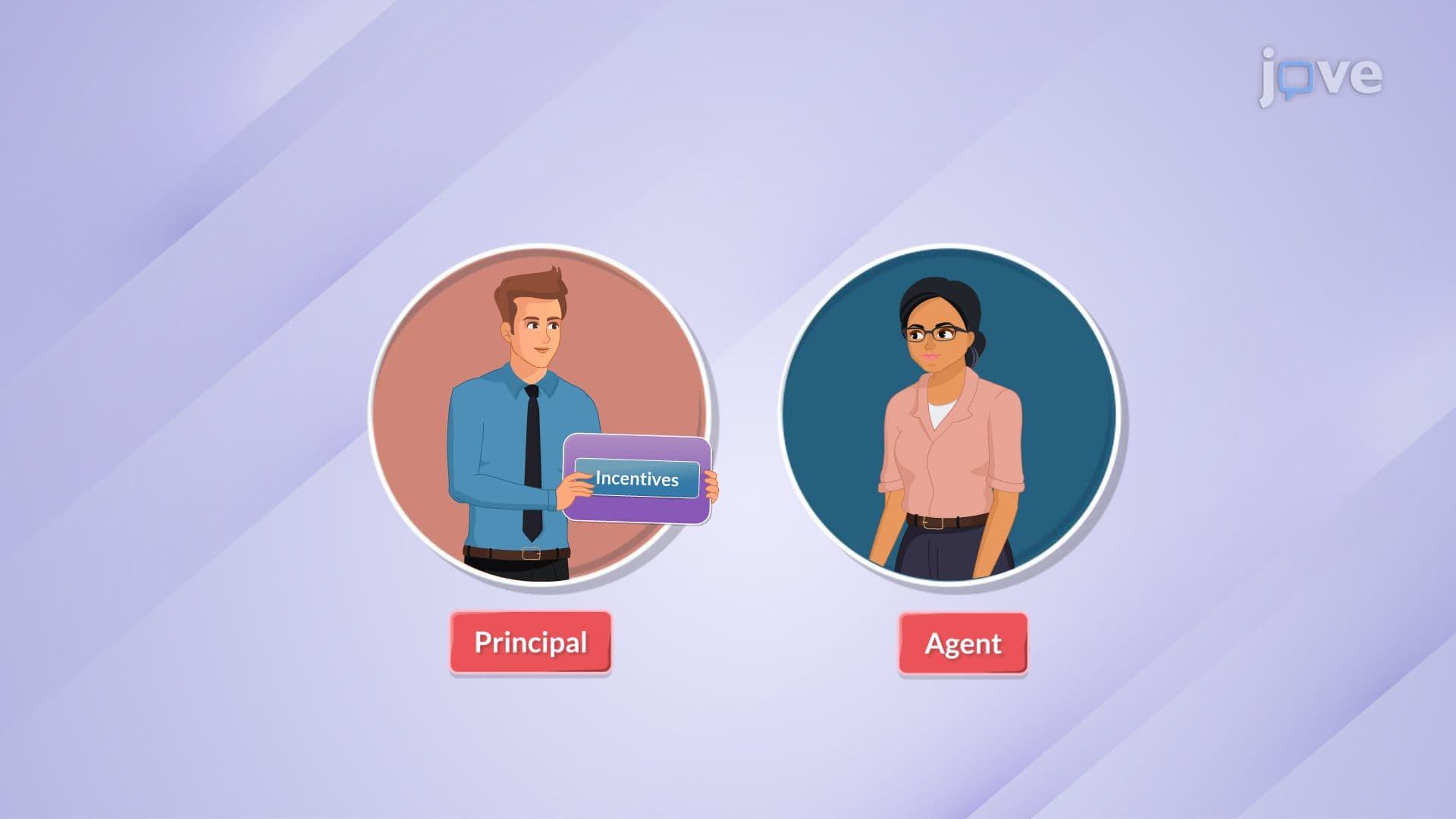
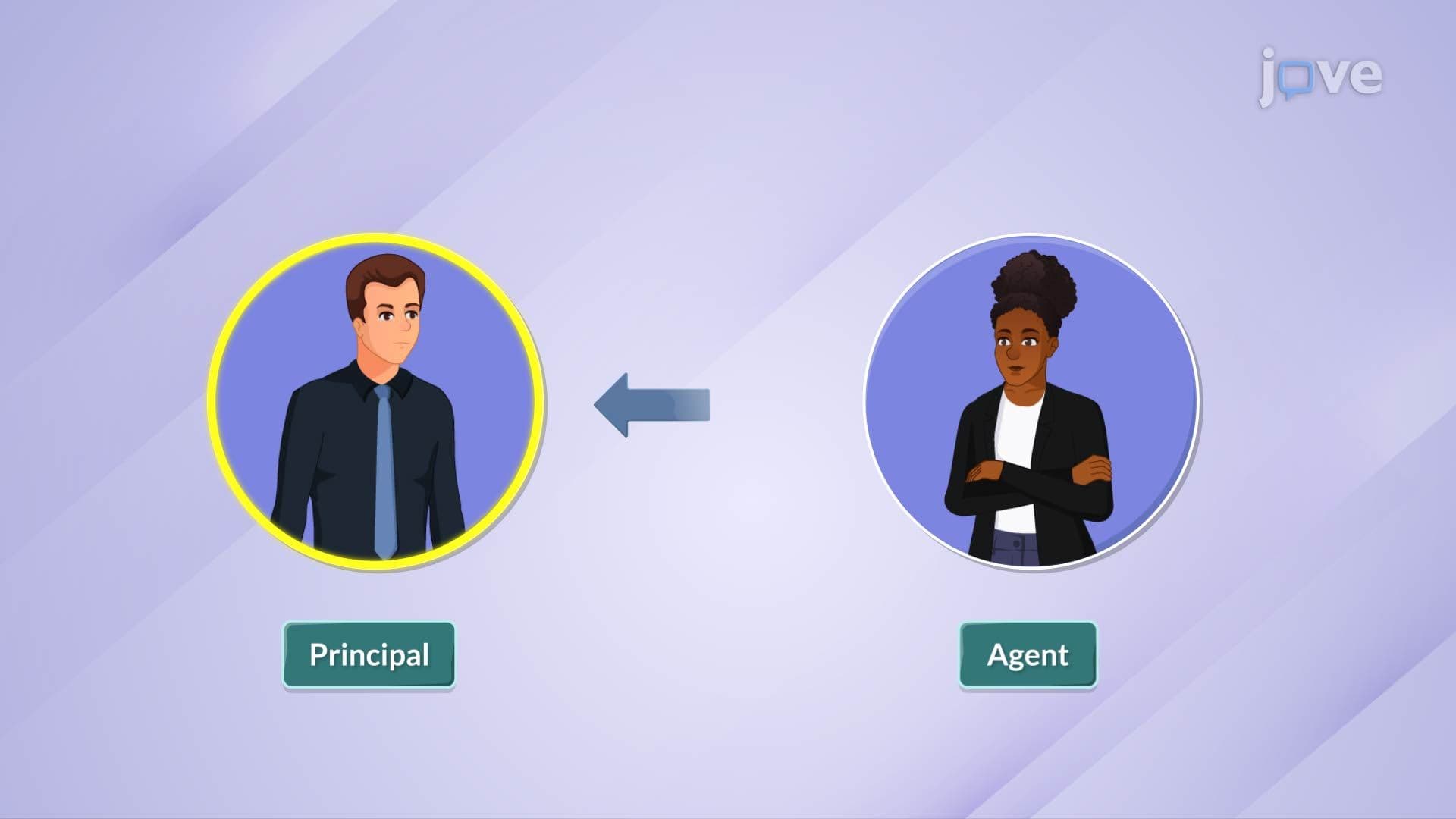
Principal agent relationships form the backbone of modern business and organizational structures. This fundamental concept describes situations where one party (the principal) delegates decision-making authority to another party (the agent), creating potential conflicts when their interests diverge.
In any principal-agent relationship, three key elements exist: the principal who owns resources or has ultimate authority, the agent who acts on the principal's behalf, and the inherent information asymmetry between them. Consider Fortune 500 companies where shareholders (principals) rely on executive teams (agents) to maximize company value. The executives possess detailed operational knowledge that shareholders lack, creating opportunities for misaligned decision-making.
This concept frequently appears in AP Economics courses and college-level business classes, where students analyze how agency costs affect market efficiency. Understanding these relationships helps explain everything from executive compensation packages to corporate scandals like those at Enron or Wells Fargo.
Principal-agent dynamics extend far beyond corporate boardrooms. In healthcare, patients (principals) depend on doctors (agents) for medical decisions, yet physicians might recommend more expensive treatments that increase their revenue. The insurance industry faces similar challenges when policyholders rely on agents who earn commissions from specific product sales.
Government represents another classic example, where citizens (principals) elect officials (agents) to represent their interests. However, politicians might prioritize reelection campaigns over constituent needs, illustrating how personal incentives can override fiduciary responsibilities.
The central challenge in principal-agent relationships stems from moral hazard and adverse selection. Moral hazard occurs when agents take risks they wouldn't assume if bearing full consequences, like investment bankers approving risky mortgages before the 2008 financial crisis. Adverse selection happens when agents possess superior information they use for personal advantage.
These problems create measurable economic costs through monitoring expenses, bonding costs, and residual losses. Companies spend billions annually on internal audits, compliance programs, and executive oversight to minimize agency conflicts-costs ultimately passed to consumers and shareholders.
Related Micro-courses