Loading subject page…


1,364 views

Video Summary: What Is Behavioral Economics
Ever wonder why you choose "Buy One, Get One Free" over "50% off" even though the savings are identical? Behavioral economics reveals how psychology drives our financial decisions, challenging the myth that people always act rationally with money. Unlike traditional economics, this field recognizes that emotions, biases, and social pressures heavily influence choices-like why Amazon's "limited time offers" create shopping urgency. Watch the full video on JoVE Coach to master this concept with expert-led visuals and step-by-step explanations.
Behavioral economics represents a revolutionary approach to understanding human decision-making that bridges psychology and economic theory. Unlike classical economics, which assumes people are perfectly rational actors who always maximize their self-interest, behavioral economics acknowledges that humans are wonderfully complex-and often predictably irrational.
This field emerged from the groundbreaking work of psychologists Daniel Kahneman and Amos Tversky, whose research earned Kahneman the 2002 Nobel Prize in Economics. Their insights fundamentally challenged how economists view human behavior in markets and financial decision-making.
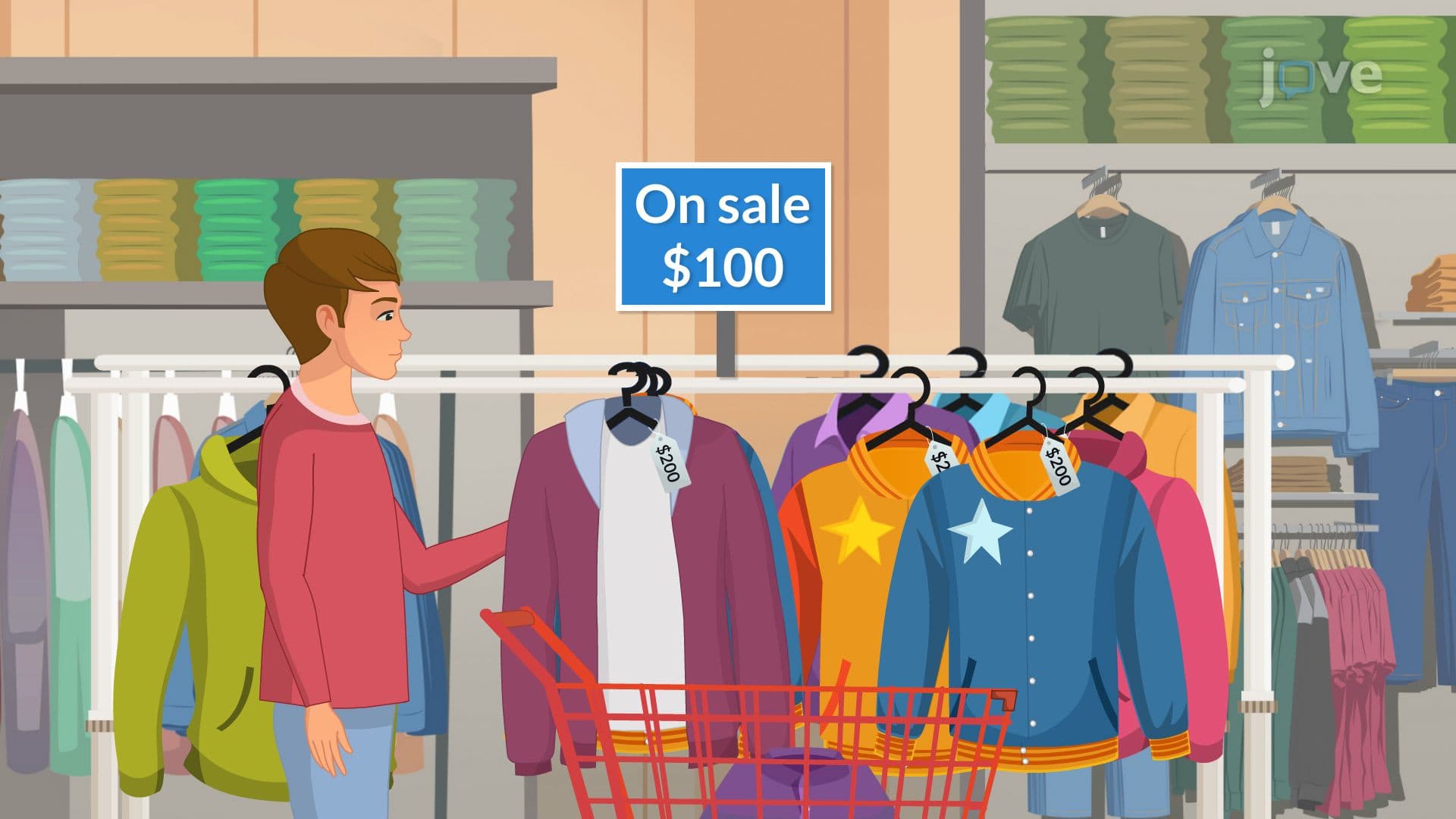
Behavioral economics identifies several key psychological influences on economic choices. Cognitive biases play a massive role-for instance, the "anchoring effect" explains why Starbucks can charge $5 for coffee by first introducing customers to their premium $7 drinks. The initial high price becomes the reference point, making $5 seem reasonable.
Loss aversion is another crucial concept, demonstrating that people feel the pain of losing $100 more intensely than the pleasure of gaining $100. This explains why credit card companies offer "cash back" rather than "fee reduction"-psychologically, gaining something feels better than avoiding a loss.
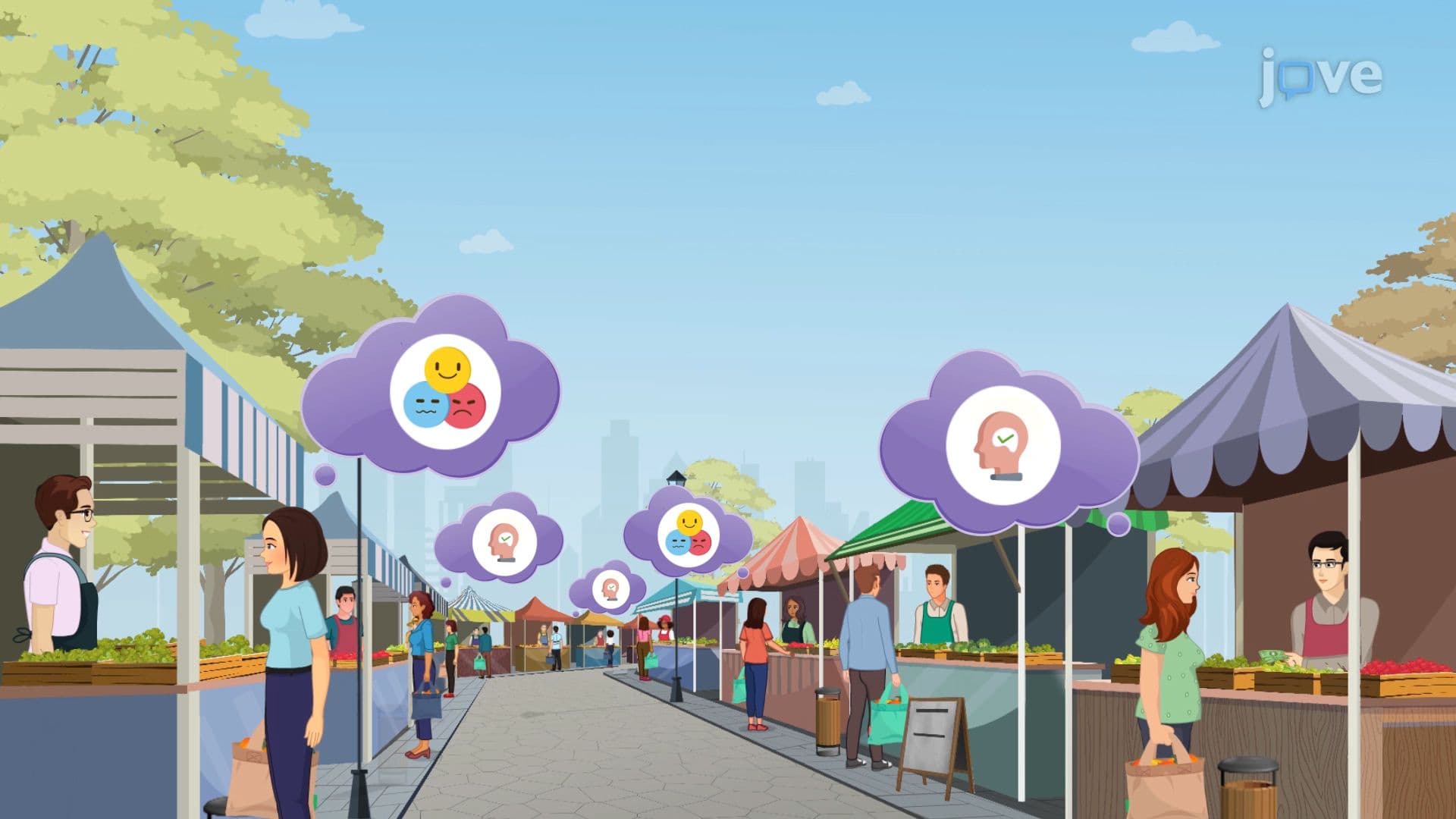
Social influences also drive economic behavior. Social proof explains why restaurants display "most popular" items or why investment apps show what stocks your friends are buying. We naturally follow crowd behavior, even in financial decisions.
American businesses leverage behavioral economics extensively. Target uses predictive analytics to identify pregnant customers through purchasing patterns, then sends targeted coupons to influence shopping behavior. Netflix's "limited time" content creates artificial scarcity, encouraging immediate viewing decisions.
In public policy, behavioral economics has influenced "nudging" strategies. The Obama administration established the Social and Behavioral Sciences Team, using behavioral insights to improve government programs. For example, changing default settings in retirement savings plans dramatically increased participation rates among federal employees.
For students preparing for AP Economics exams, understanding behavioral economics is increasingly important as the College Board includes these concepts in both AP Microeconomics and AP Macroeconomics curricula. College courses in economics, psychology, and business strategy frequently explore these intersections.
The MCAT includes behavioral economics concepts in its Psychological, Social, and Biological Foundations section, particularly regarding decision-making processes and social influences on behavior.
Related Micro-courses