Loading subject page…


2,182 views

Video Summary: Tax Size and Deadweight Loss Explained
Did you know that a 10% tax on cigarettes in New York State generates over $1 billion annually but also eliminates thousands of potential transactions? Tax size deadweight loss reveals the hidden economic cost of taxation-the value lost when trades that would benefit both buyers and sellers simply don't happen. Understanding Tax Size And Deadweight Loss Explained helps clarify why economists worry about efficiency alongside revenue generation, using examples like pottery markets where higher taxes create larger "dead zones" of foregone economic activity. Watch the full video on JoVE Coach to master this concept with expert-led visuals and step-by-step explanations.
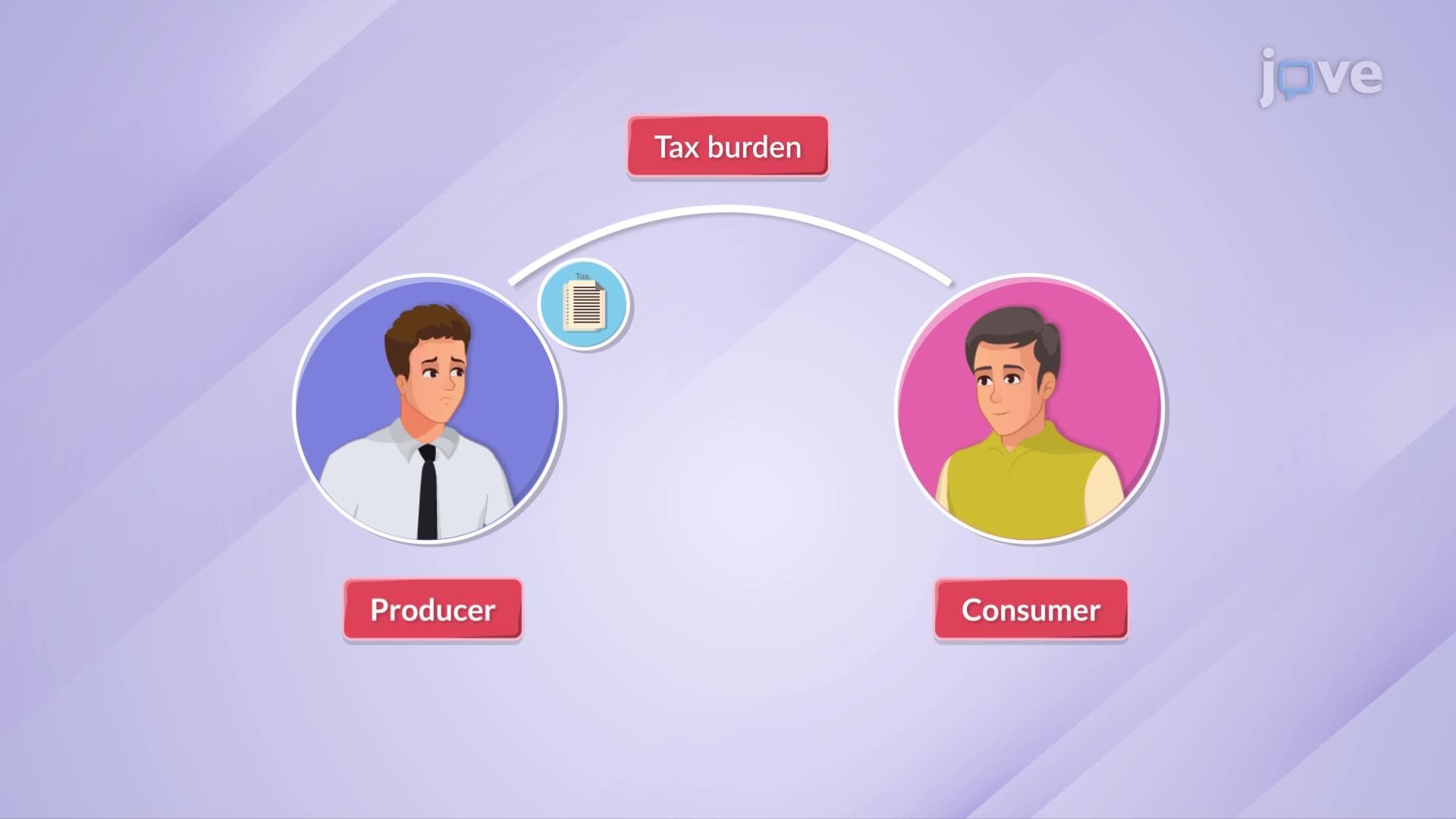
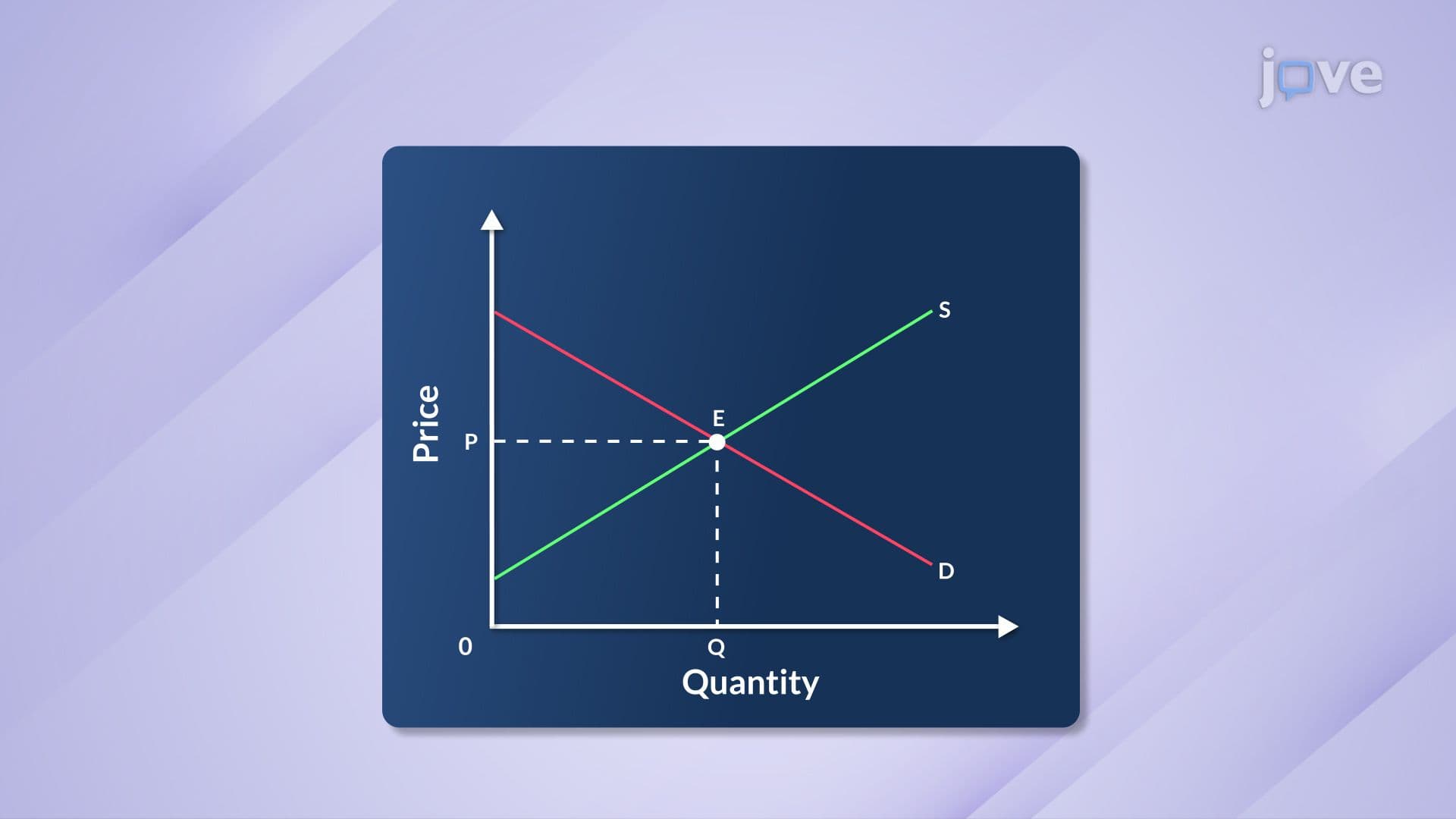
Tax size deadweight loss represents one of economics' most important efficiency concepts. When governments impose taxes on goods or services, they create a wedge between what consumers pay and what producers receive. This price wedge eliminates mutually beneficial transactions that would occur in an untaxed market, creating what economists call deadweight loss-economic value that simply vanishes.
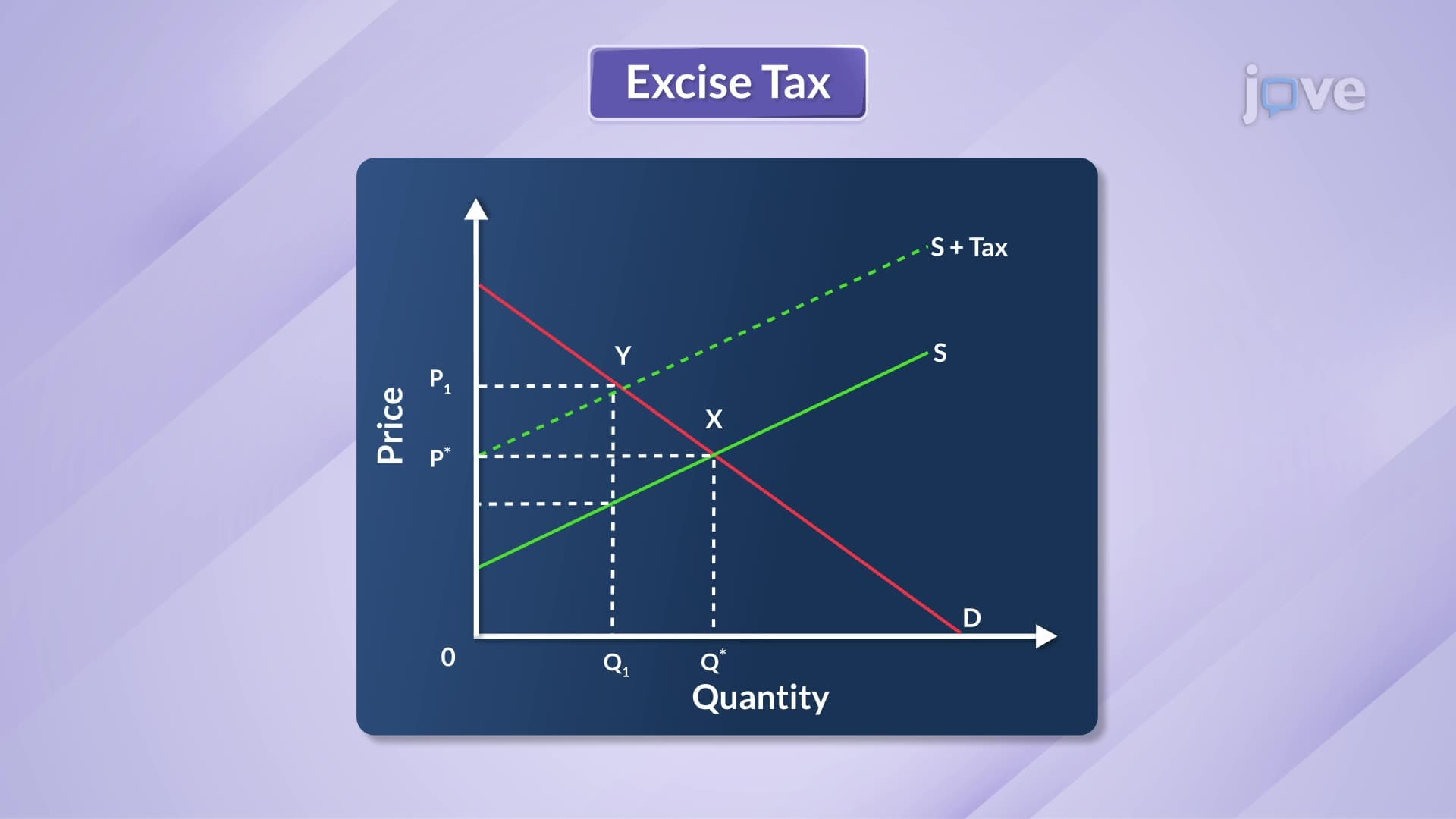
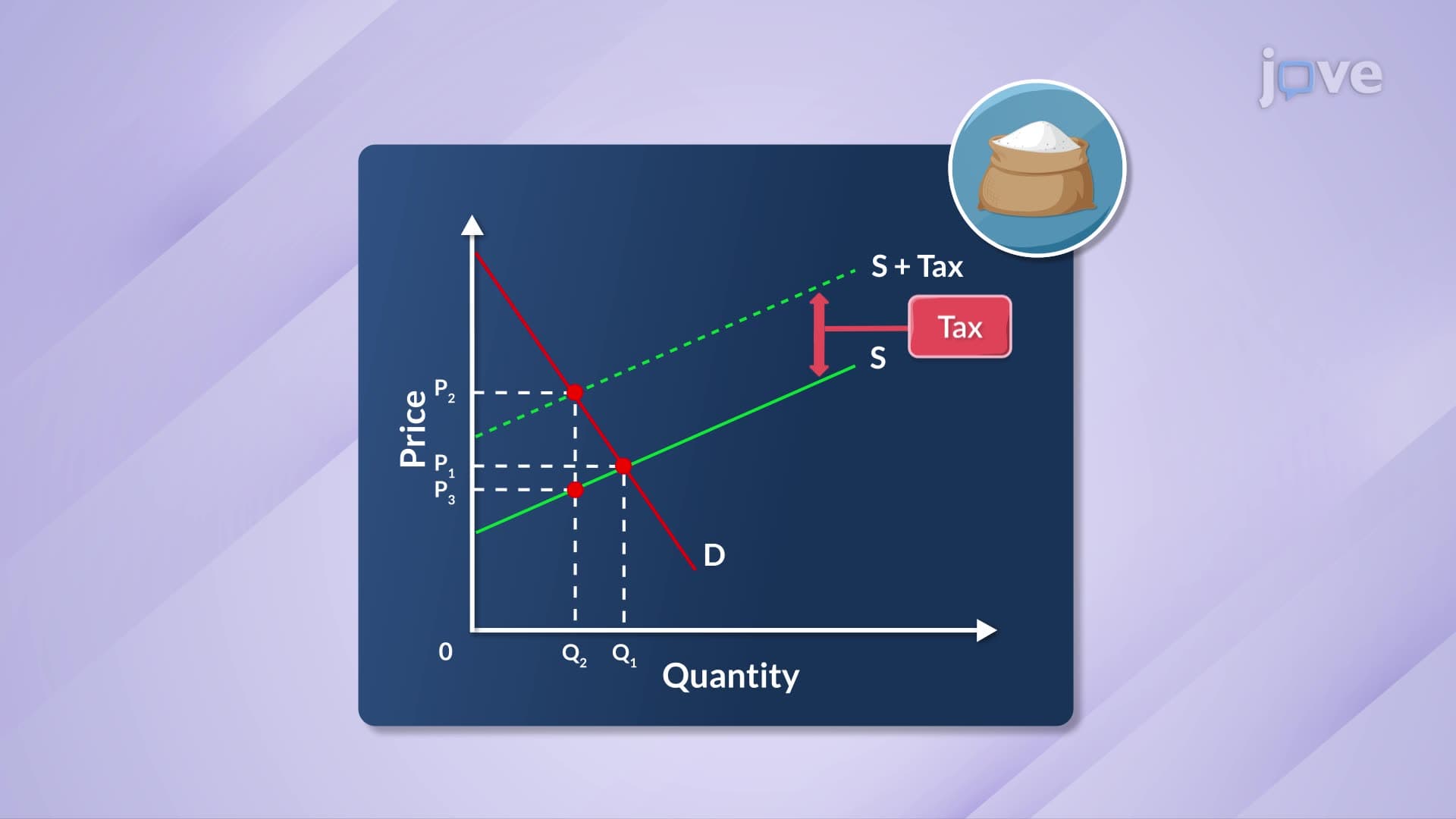
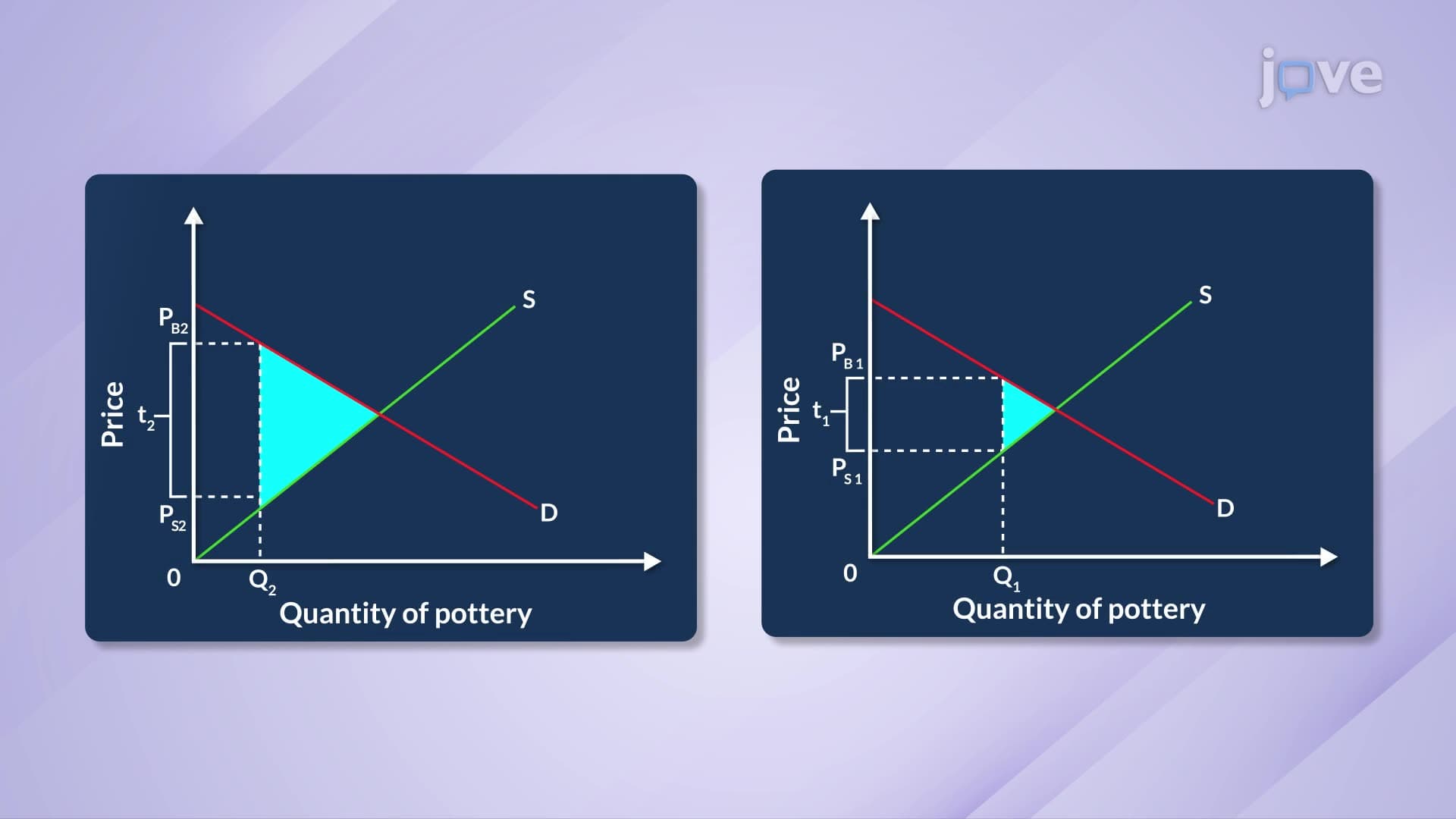
The tax size deadweight definition centers on lost economic surplus. Consider California's gasoline tax, currently around $0.68 per gallon. Before the tax, consumers paid producers directly. After implementation, consumers pay a higher price (PB) while producers receive a lower net price (PS) after remitting taxes. The triangular area between these price points on a supply-and-demand graph represents deadweight loss-transactions that would create value for both parties but no longer occur due to the tax wedge.
This tax size overview reveals why economists emphasize efficiency costs. Small taxes generate relatively modest deadweight losses because they eliminate fewer marginal transactions. However, deadweight loss grows quadratically with tax size-doubling a tax typically quadruples the efficiency loss, making large taxes particularly problematic from an economic perspective.
Understanding what is tax size and deadweight loss proves crucial for analyzing actual policy debates. When Seattle implemented a $275-per-employee "head tax" on large businesses in 2018 (later repealed), economists predicted significant deadweight losses as companies might relocate or reduce hiring. Similarly, luxury taxes on items like expensive cars or boats often generate substantial deadweight losses because wealthy consumers can easily substitute to untaxed alternatives or delay purchases.
This tax size and deadweight loss concept explained appears frequently on AP Economics exams, particularly in free-response questions asking students to draw graphs and calculate efficiency losses. College microeconomics courses often test this concept through numerical problems requiring students to compute deadweight loss triangles using the formula: DWL = 0.5 × tax amount × quantity reduction.
The concept also connects to broader economic principles tested on standardized exams. Students must understand how deadweight loss relates to consumer surplus, producer surplus, and total economic welfare-concepts that appear across multiple economics assessments and provide foundation knowledge for advanced courses in public finance and policy analysis.
Related Micro-courses