Loading video…


 11 Concepts
 2.2K views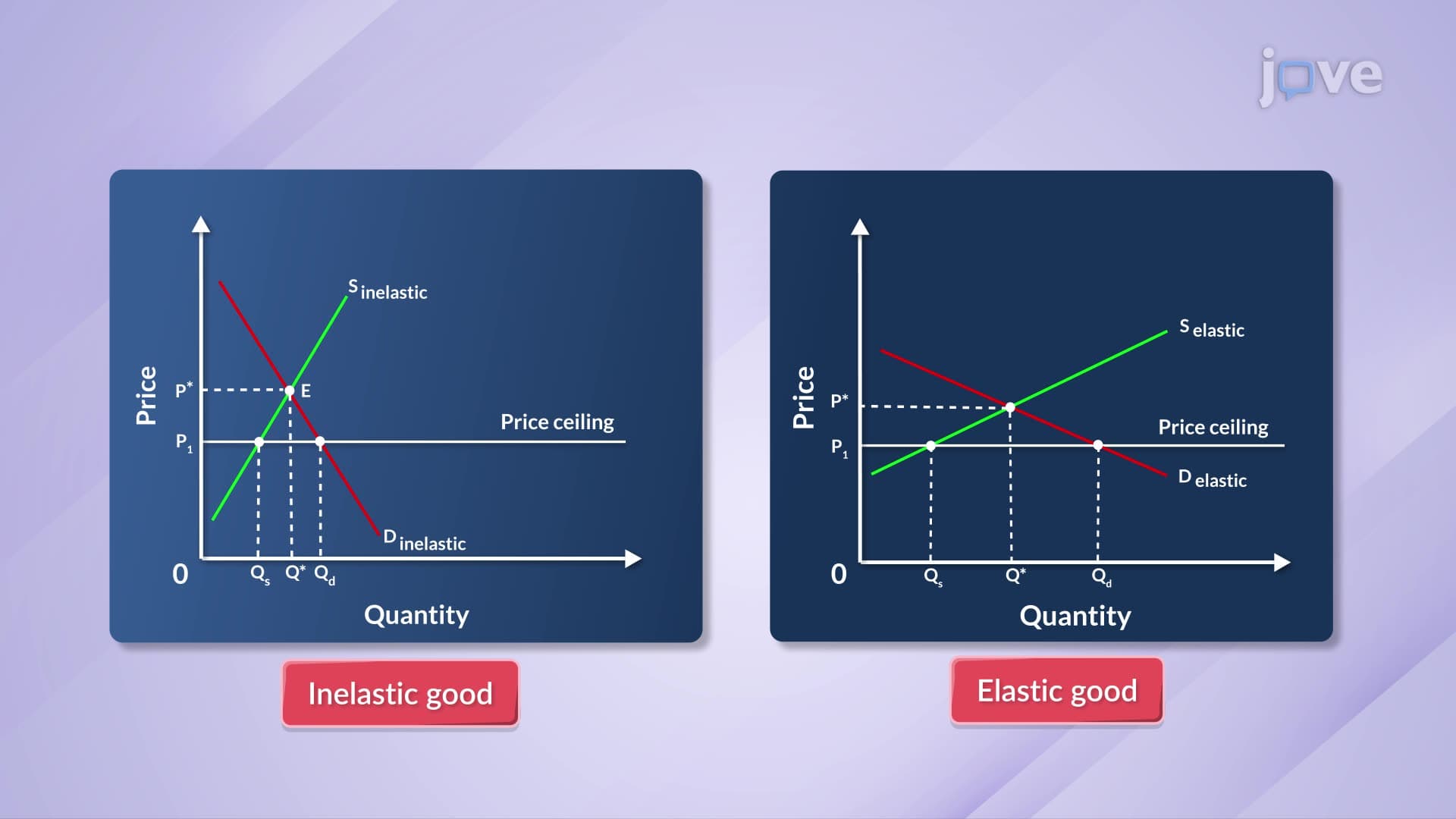

Video Summary: Price Ceiling and Inelastic Demand Explained
Ever wonder why prescription drug price caps don't drastically change how much insulin diabetics buy? Price ceiling inelastic demand explains this fascinating economic phenomenon where government-imposed maximum prices have minimal impact on quantities bought and sold. Unlike elastic goods, essential products like medications maintain relatively stable demand even when prices change. The smaller mismatch between supply and demand creates less economic inefficiency than typical price controls. Watch the full video on JoVE Coach to master this concept with expert-led visuals and step-by-step explanations.
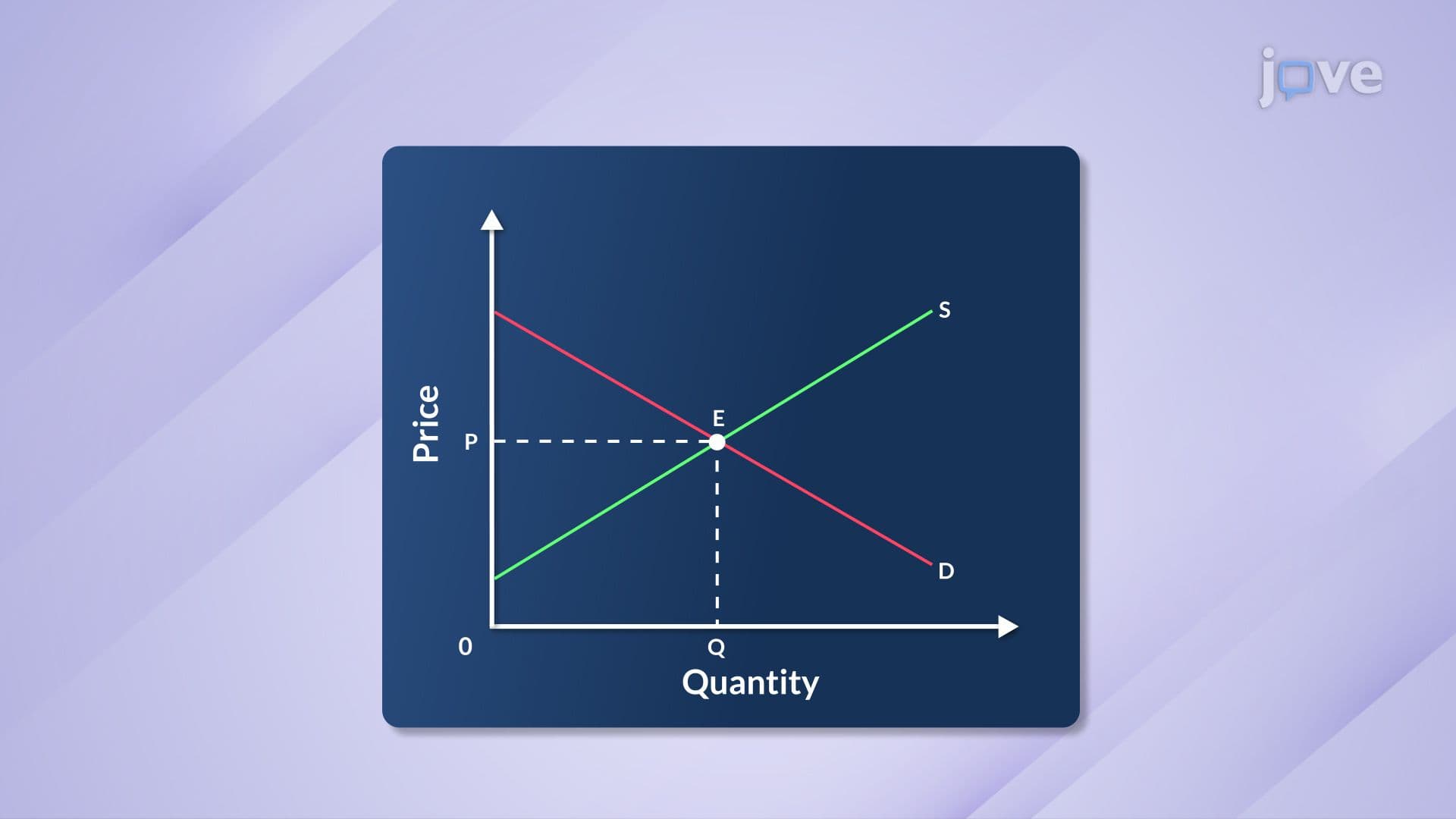
When governments impose maximum allowable prices on goods with inelastic demand, the resulting market behavior differs dramatically from typical price control scenarios. Inelastic demand occurs when consumers' purchasing decisions remain relatively unchanged despite price fluctuations-a characteristic common in essential goods like prescription medications, basic utilities, and emergency supplies.
The mathematical relationship shows that when price elasticity of demand is less than 1 (in absolute value), quantity demanded changes proportionally less than price changes. For instance, if insulin prices drop 20% due to a price ceiling, diabetic patients might only increase their consumption by 5%, reflecting the medical necessity rather than price sensitivity.
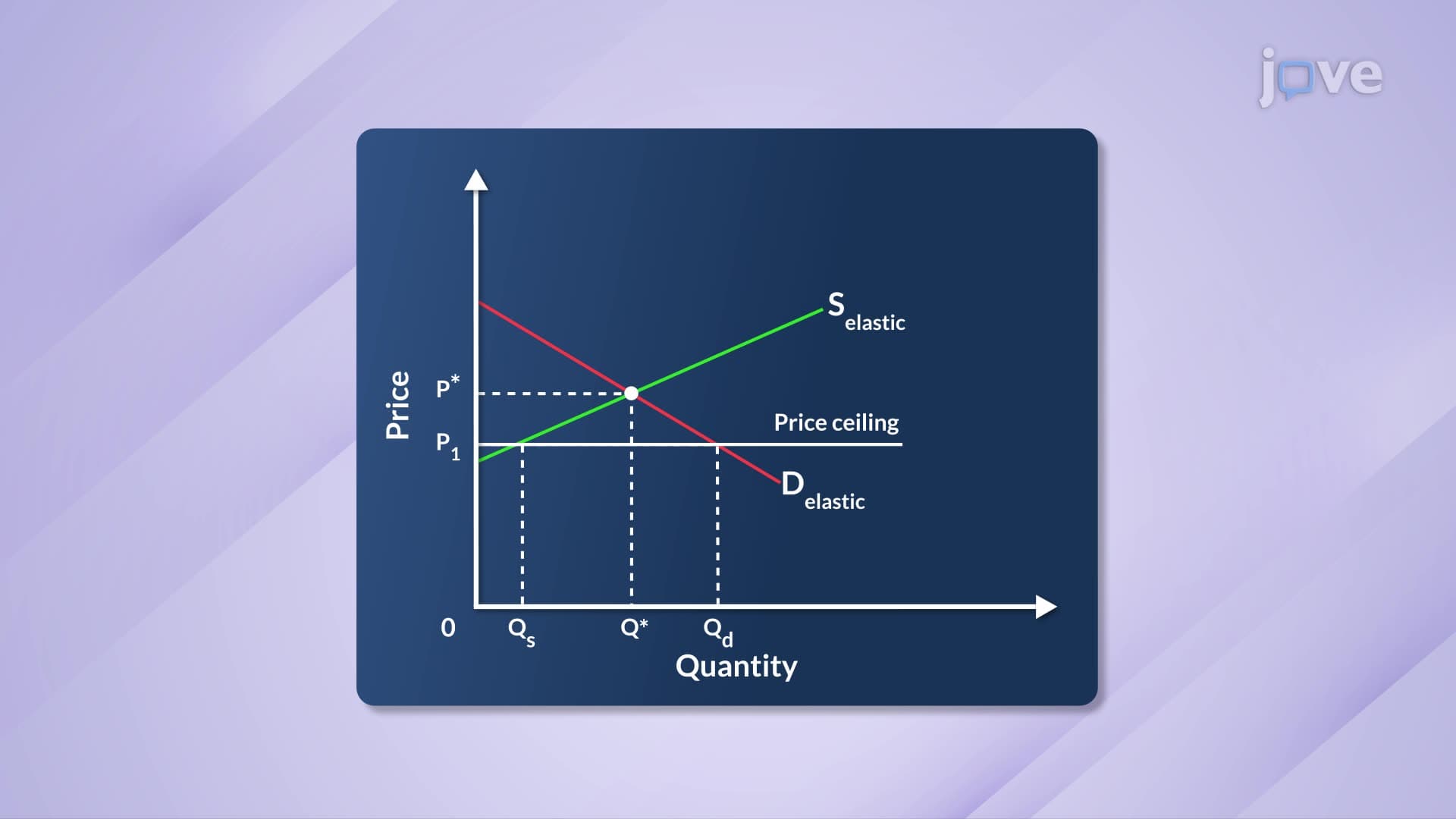
Unlike elastic goods where price ceilings create significant shortages, inelastic markets experience smaller disruptions. Consider the 2021 Texas energy crisis when electricity price caps were implemented. Despite maximum price limits, both energy demand and supply remained relatively stable because heating and cooling represent basic necessities with limited substitutes.
This stability occurs because consumers cannot easily reduce consumption of essentials, while producers often continue supplying near-normal quantities since their costs and production constraints remain unchanged in the short term. The Federal Trade Commission has documented this pattern in pharmaceutical markets, where price controls on life-saving drugs maintain relatively balanced supply-demand relationships.
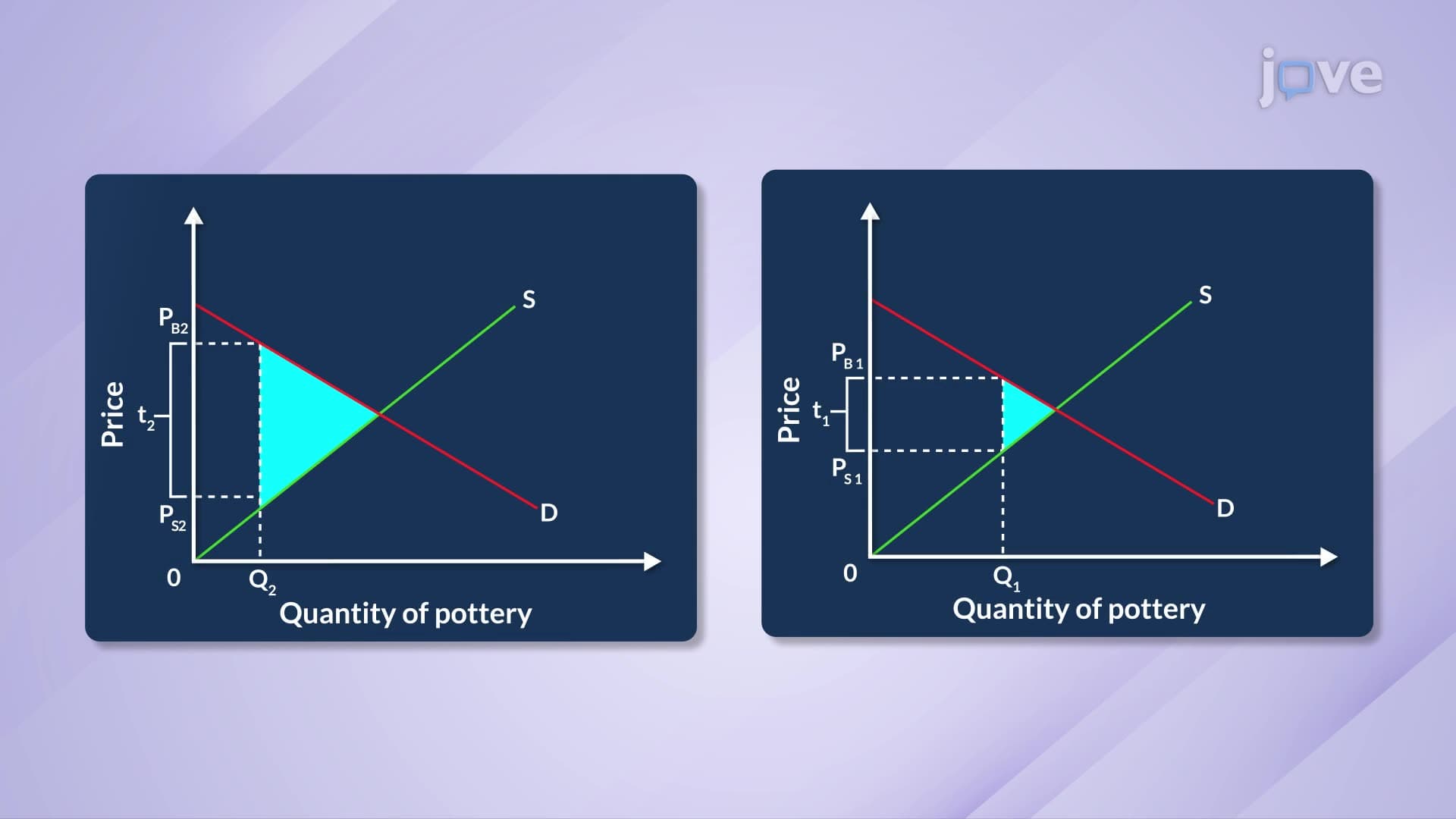
The deadweight loss-representing lost economic value from prevented mutually beneficial trades-remains significantly smaller in inelastic markets under price ceilings. When Harvard economists analyzed Medicare's prescription drug price negotiations, they found minimal efficiency losses compared to competitive markets because both patient demand and pharmaceutical supply showed low price responsiveness.
This reduced inefficiency makes price ceilings more economically viable for essential goods, explaining why policymakers frequently target medications, utilities, and basic foods during emergencies. The 2020 state-level price gouging laws on sanitizers and masks demonstrated this principle, as demand remained constant regardless of price restrictions.
US healthcare policy extensively utilizes this economic principle. Medicaid's pricing structures for essential drugs recognize that patient consumption patterns won't dramatically shift with price changes, making cost controls more predictable. Similarly, state utility commissions regulate electricity and water prices knowing that household consumption remains relatively fixed.
However, long-term supply risks emerge when price ceilings persistently reduce producer profitability. The 1970s gasoline price controls created eventual shortages as refiners reduced capacity expansion, illustrating how even inelastic markets face supply constraints over extended periods.
Related Micro-courses