Loading subject page…

Micro-course: Analysis of Competitive Markets
2,182 views
Learn key concepts and earn your certificate.


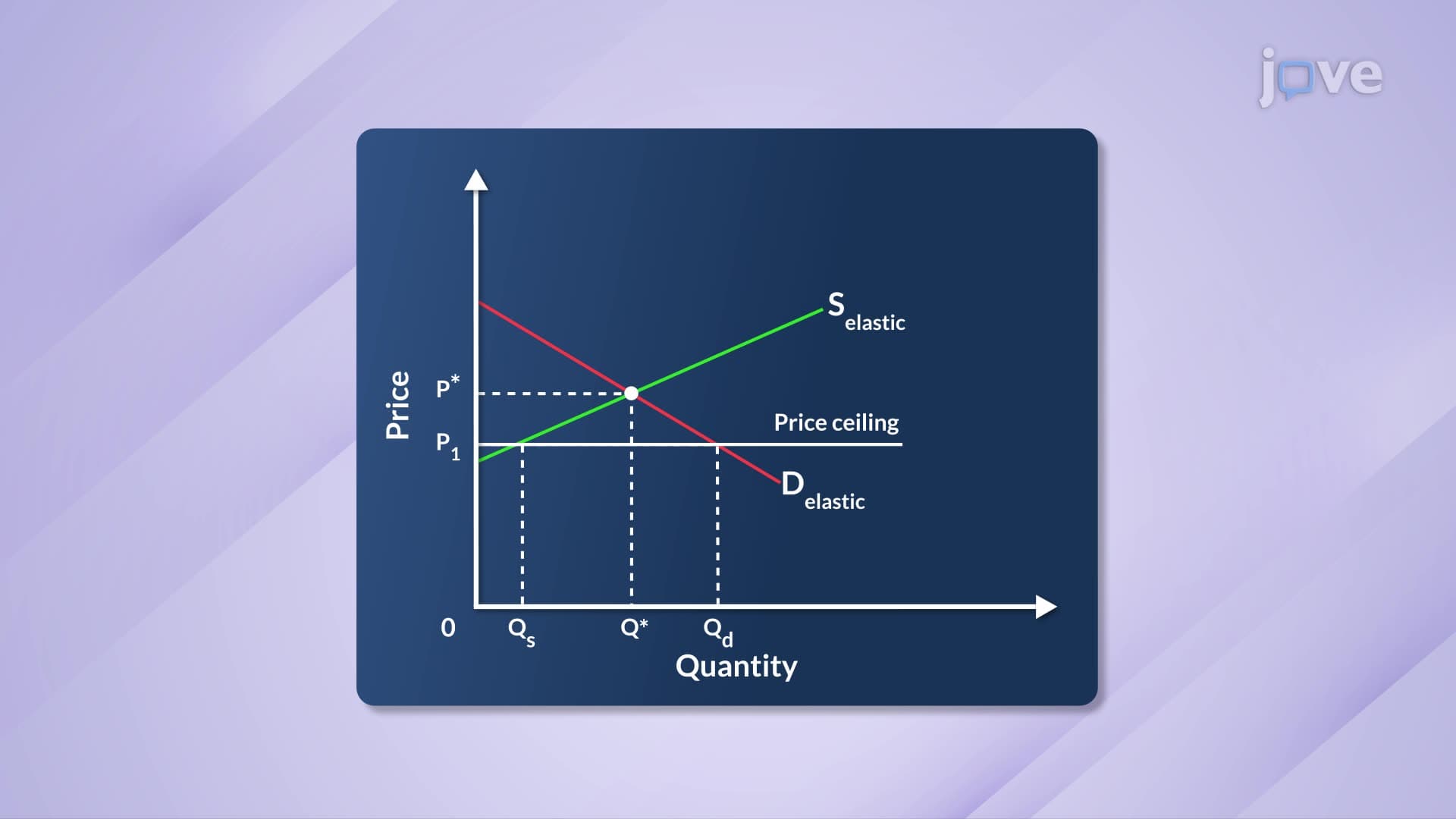
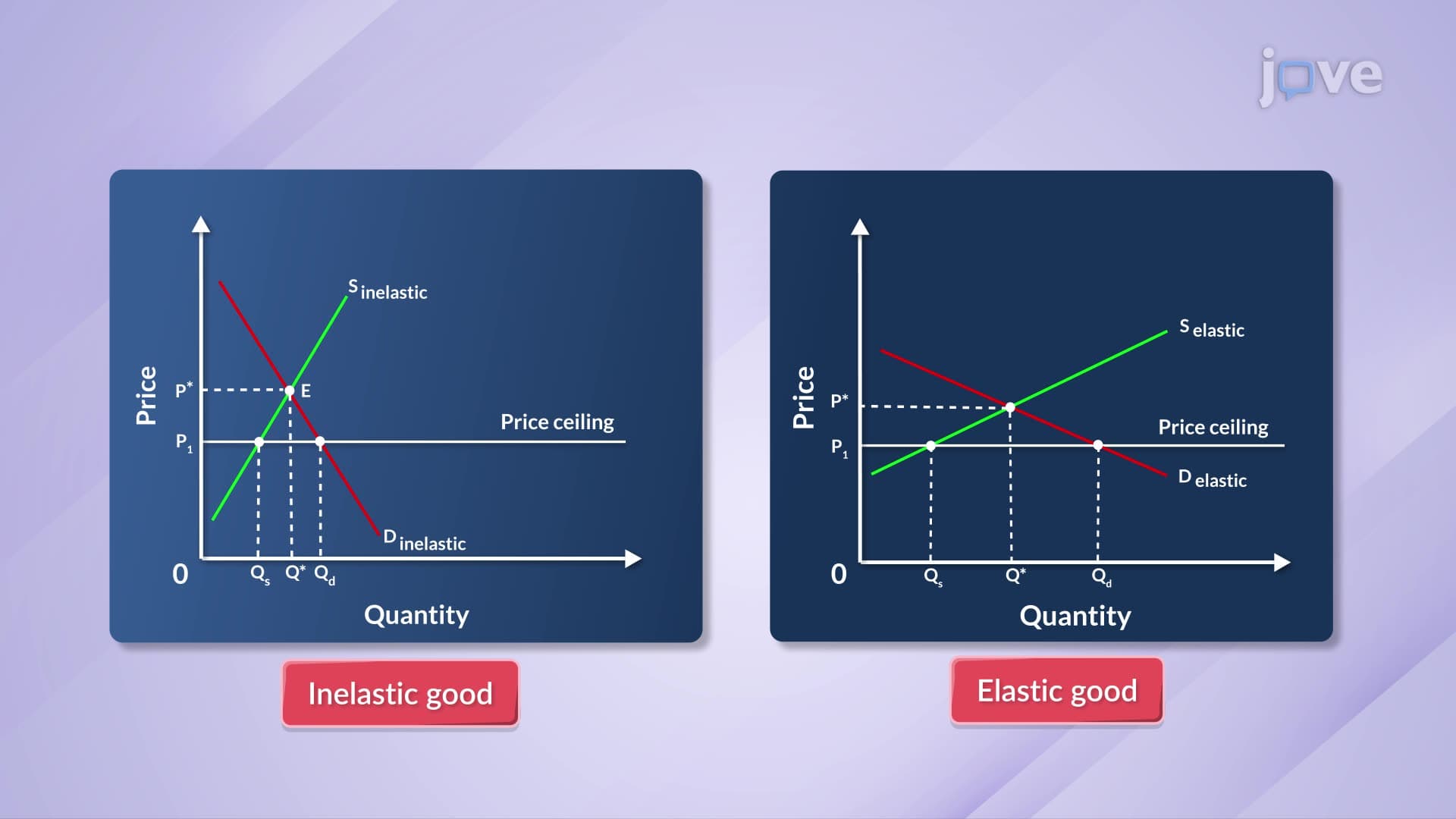

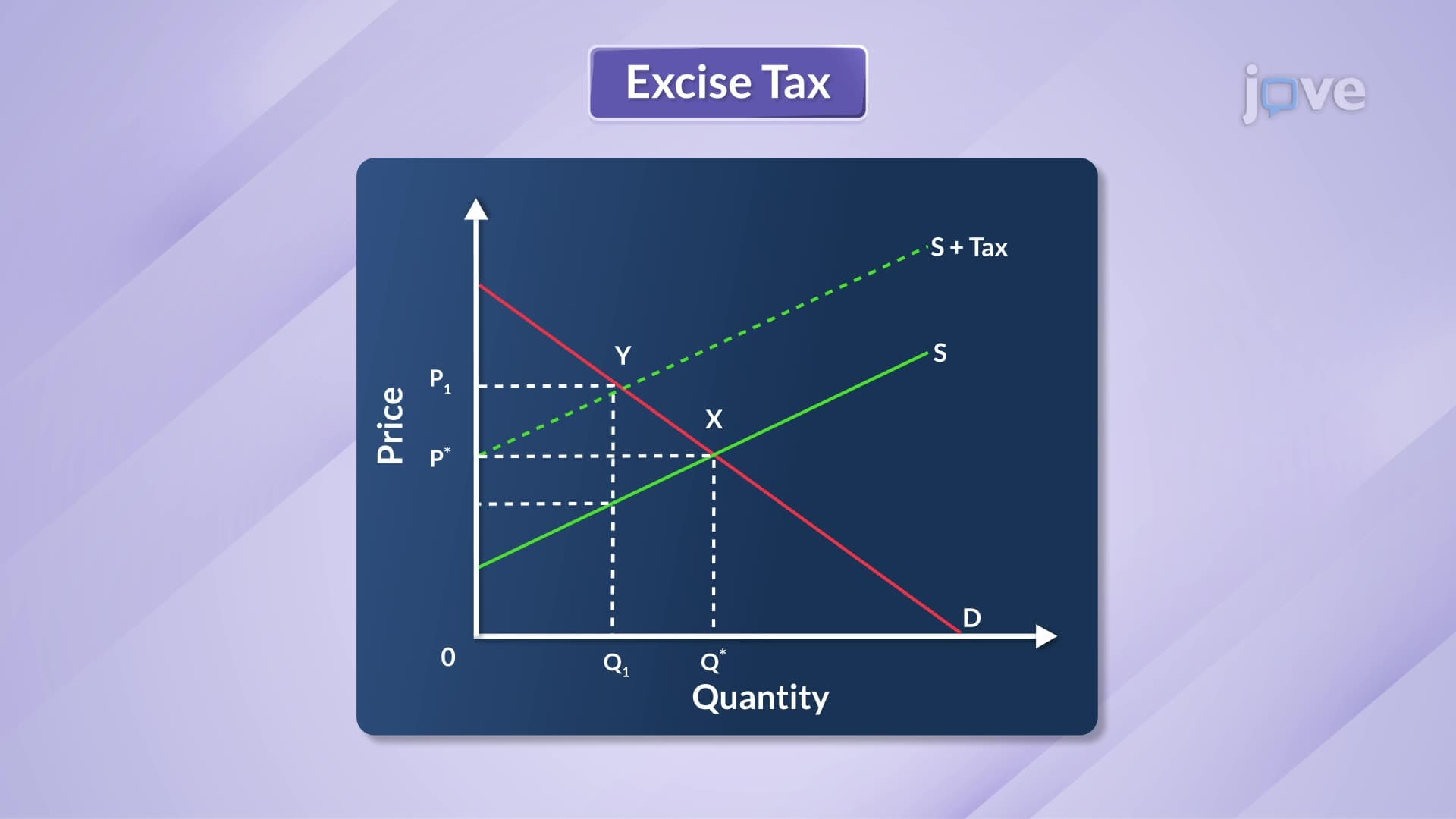
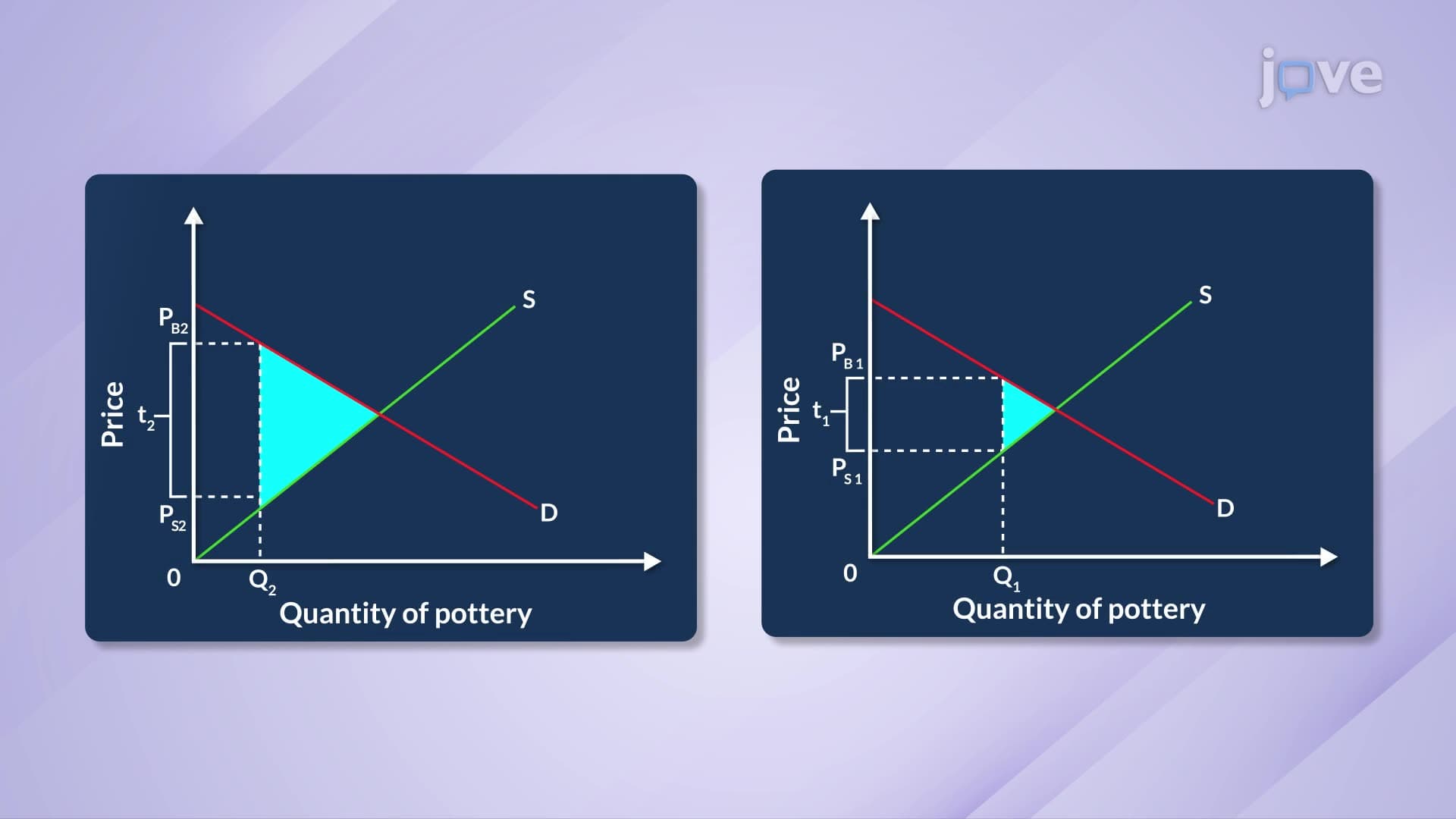

Tariffs

00:00
01:20
Video Summary: What are Tariffs
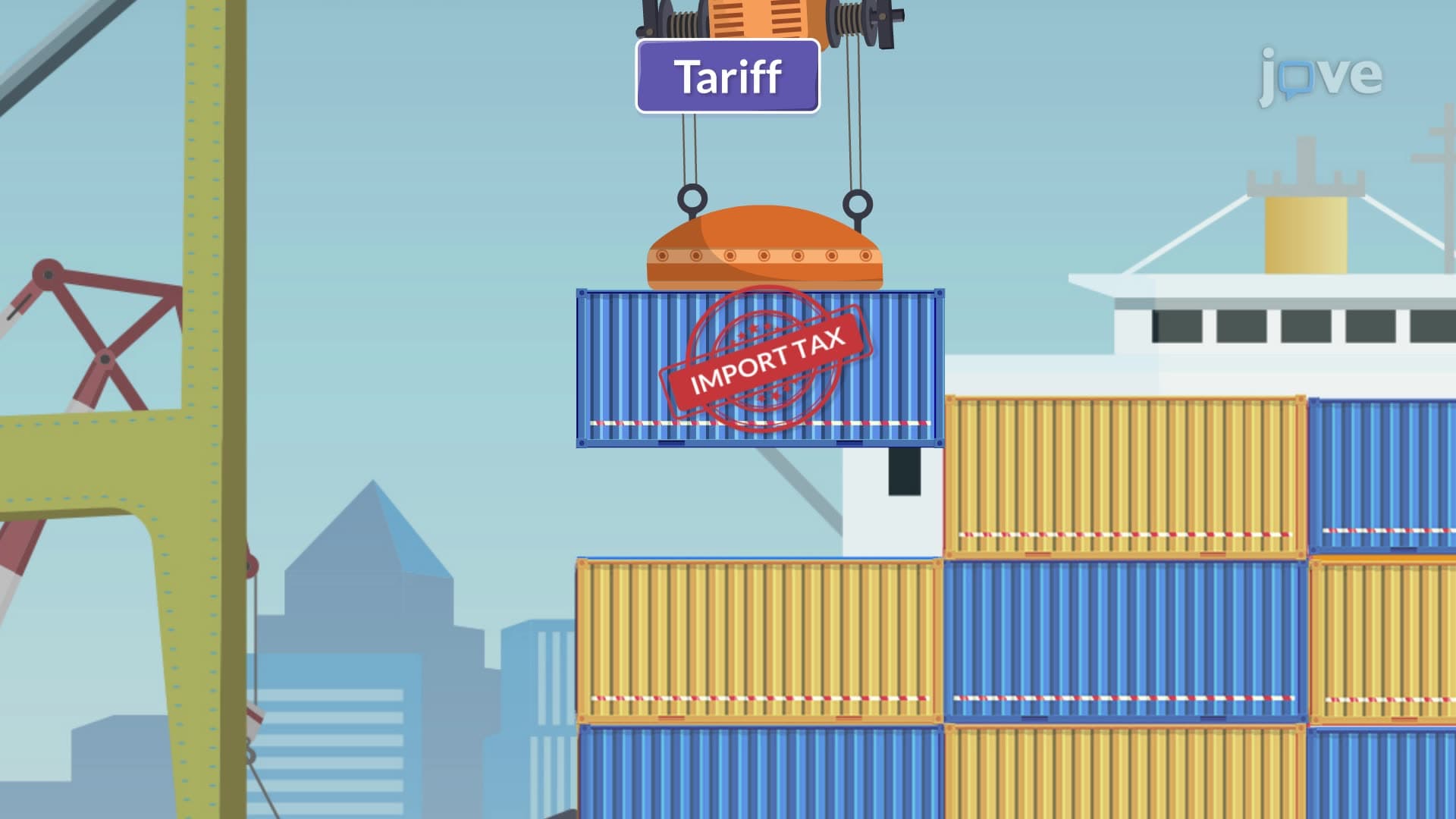
Did you know that tariffs on washing machines increased their prices by nearly $100 in 2018? Tariffs are government-imposed taxes on imported goods that raise prices to protect domestic industries from foreign competition. When the U.S. places tariffs on products like steel or agricultural imports from other countries, it creates complex economic effects including higher consumer costs, increased domestic producer profits, and potential market inefficiencies. Watch the full video on JoVE Coach to master this concept with expert-led visuals and step-by-step explanations.
- Understand what are tariffs and how they function as protective trade policies in international economics
- Identify the three main economic effects: reduced consumer surplus, increased producer surplus, and government revenue generation
- Analyze how tariffs create deadweight loss and reduce overall economic efficiency
- Compare the costs and benefits of tariff implementation on different economic stakeholders
- Evaluate real-world tariff scenarios using supply and demand curve analysis
- Apply tariff concepts to calculate changes in consumer and producer welfare
- Recognize how tariffs influence domestic production decisions and international competitiveness
- Explore the relationship between tariff rates, import quantities, and government revenue collection
Understanding What Are Tariffs: The Economic Foundation
Tariffs represent one of the most significant tools in international trade policy, functioning as taxes imposed by governments on imported goods. Unlike domestic taxes, tariffs specifically target foreign-produced items entering a country's market, creating artificial price advantages for domestic producers. The tariffs definition explained in economic terms reveals their dual nature: while protecting domestic industries, they simultaneously impose costs on consumers and create market distortions.
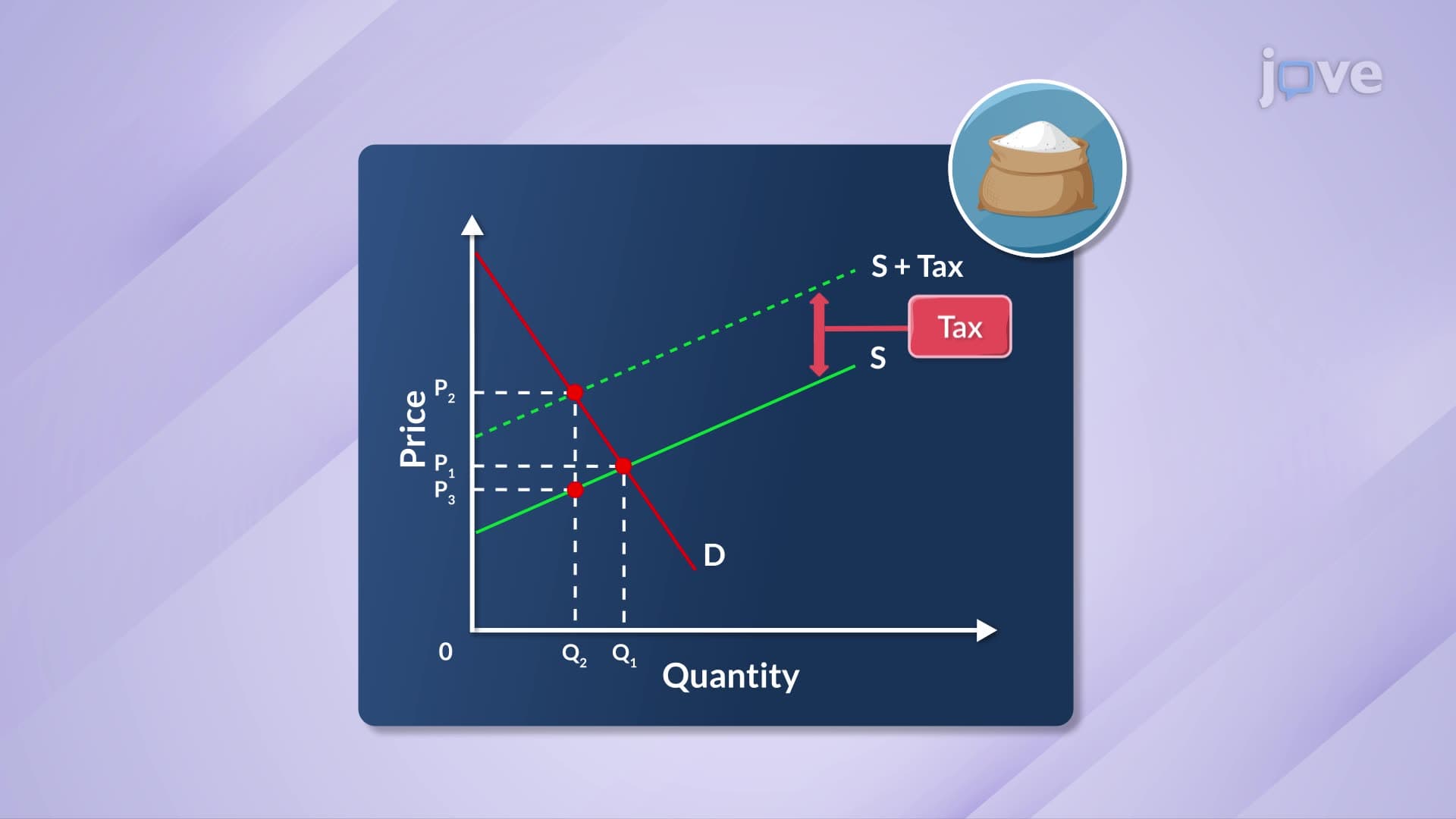
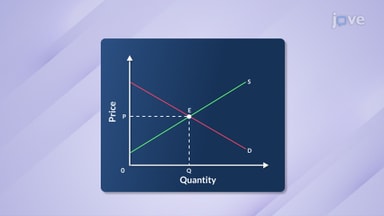
The mechanism behind tariffs operates through basic supply and demand principles. When the U.S. government imposes a 25% tariff on imported steel, for example, foreign steel becomes 25% more expensive for American buyers. This price increase makes domestically produced steel more competitive, potentially saving American steel jobs while raising costs for industries that use steel, such as automotive manufacturing.
Economic Effects: Winners, Losers, and Government Revenue
The tariffs concept explained through economic analysis reveals three primary stakeholders affected differently. Consumers experience reduced surplus due to higher prices and decreased quantity of available goods. The 2018-2019 U.S.-China trade war demonstrated this effect when tariffs on consumer electronics and household goods directly increased costs for American families.
Domestic producers benefit significantly from tariff protection. American farmers, for instance, gain competitive advantages when tariffs are placed on agricultural imports. The increased producer surplus represents the additional profit domestic companies earn by selling at higher market prices without facing full international competition. This protection can be crucial for industries facing unfair foreign competition or those considered strategically important for national security.
Government revenue generation forms the third major effect. Tariff collections contributed over $80 billion to U.S. federal revenues in recent years, calculated by multiplying the tariff rate by the quantity of imported goods subject to the tax.
Market Inefficiencies and Deadweight Loss
The tariffs study guide would be incomplete without addressing deadweight loss, the economic efficiency lost when tariffs distort natural market outcomes. This loss occurs because tariffs prevent some beneficial trades between willing foreign sellers and domestic buyers. The result is reduced overall economic welfare, as resources shift to less efficient domestic production.
These concepts frequently appear on AP Economics exams, where students must analyze tariff effects using supply and demand graphs. College-level international economics courses delve deeper into tariff theory, examining optimal tariff rates and their role in strategic trade policy.
Real-World Applications in U.S. Trade Policy
Understanding tariffs proves essential for students studying current events and policy debates. Recent examples include tariffs on solar panels (protecting U.S. manufacturers while raising costs for solar installation companies), lumber tariffs affecting housing construction costs, and agricultural tariffs impacting both farmers and food processors. These cases illustrate how tariff policies create complex economic ripple effects throughout interconnected industries.
Frequently Asked Questions
Tariffs are taxes that governments place on imported goods to make foreign products more expensive than domestic ones. They protect local industries by making imports less competitive but increase costs for consumers who buy those products.
AP Economics frequently tests tariff analysis through supply and demand graphs, asking students to identify consumer surplus changes, producer surplus effects, and deadweight loss areas. Students must also calculate government revenue from tariff implementation and explain welfare effects on different economic groups.
The 2018 tariffs on washing machines raised appliance prices by approximately $86-$92 per unit for consumers. Similarly, steel and aluminum tariffs increased costs for U.S. automakers and construction companies, demonstrating how tariffs create both winners and losers in the economy.
Not at all, tariffs build on basic supply and demand concepts taught in introductory economics. With solid understanding of market graphs and consumer/producer surplus, students can master tariff analysis through practice with real-world examples and step-by-step problem solving.
Focus on drawing supply and demand graphs showing pre- and post-tariff effects. Practice calculating consumer surplus loss, producer surplus gain, government revenue, and deadweight loss. Use recent U.S. trade policy examples to connect theory with current events.
While the SAT Subject Test in Economics was discontinued, tariff concepts remain important for college placement exams and introductory economics courses. Focus on understanding the graphical analysis and real-world policy implications.
Explore related international trade concepts including quotas, subsidies, and free trade agreements like NAFTA/USMCA. These topics build on tariff knowledge and provide broader understanding of trade policy tools and their economic effects.
Economists analyze tariffs by comparing costs (consumer welfare loss, deadweight loss) against benefits (producer protection, government revenue, strategic advantages). The net welfare effect typically shows overall economic loss, though specific industries may benefit significantly from protection.
Related Micro-courses

21 Concepts

21 Concepts