Loading subject page…


2,182 views

Video Summary: What are Taxes
Did you know that every time you buy a candy bar, part of what you pay goes directly to the government? Taxes are mandatory payments that fund everything from schools to highways, but they also create fascinating economic ripple effects. When California imposed a sugary drink tax, it didn't just raise revenue-it shifted entire market dynamics, affecting both consumers and businesses in measurable ways. Understanding what are taxes reveals how these financial charges shape economic behavior beyond simple revenue collection. Watch the full video on JoVE Coach to master this concept with expert-led visuals and step-by-step explanations.
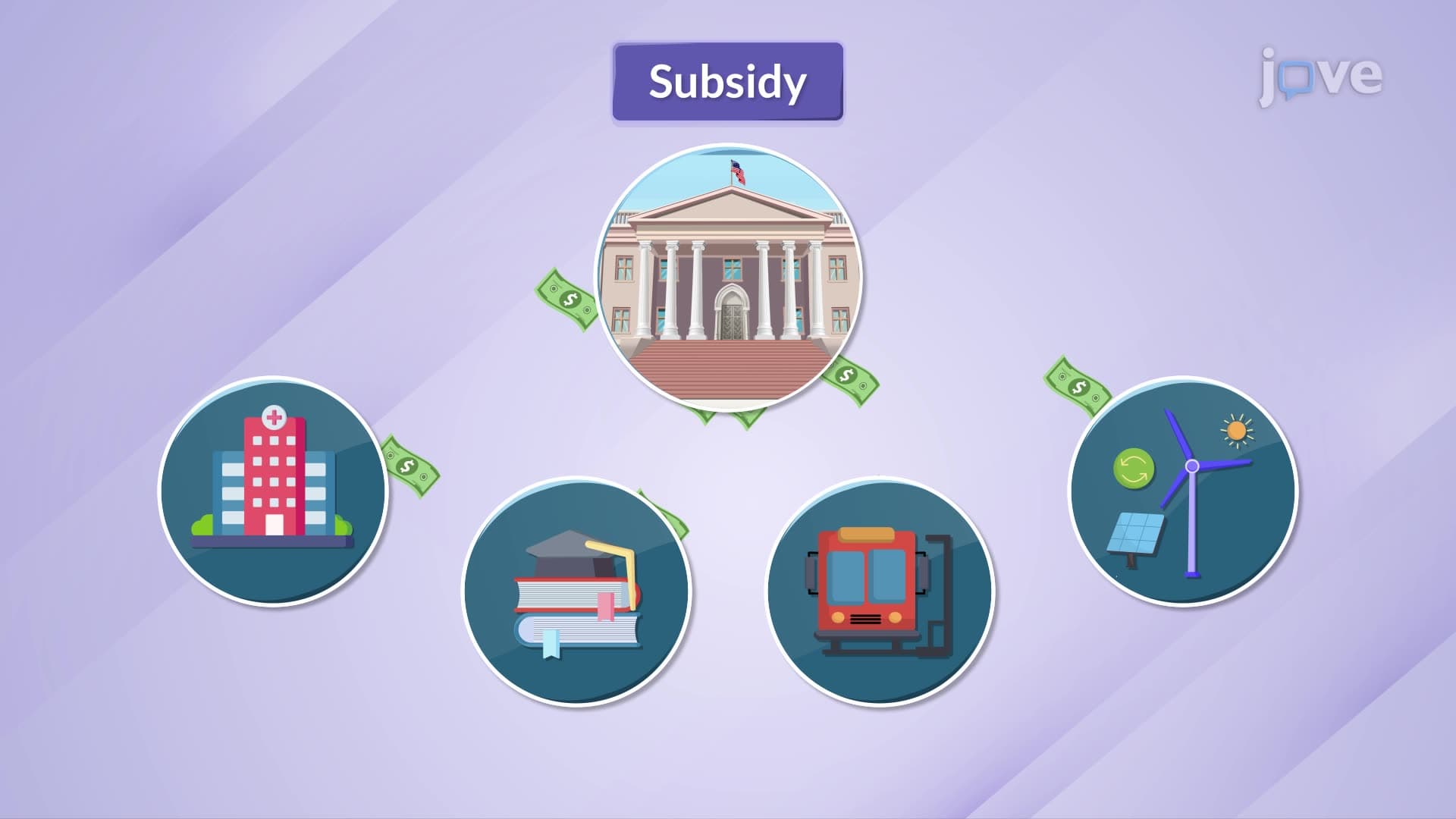
What are taxes? At their core, taxes represent the primary mechanism through which governments collect revenue to fund public services and infrastructure. These mandatory financial obligations affect virtually every economic transaction in the United States, from income taxes on your summer job earnings to sales taxes on school supplies.
The U.S. tax system operates on multiple levels-federal, state, and local-creating a complex web of obligations that students encounter in AP Economics, college microeconomics courses, and standardized tests like the SAT Subject Tests in social studies.
Excise taxes represent a particularly interesting category because they target specific goods rather than broad economic activity. The federal government imposes excise taxes on gasoline (18.4 cents per gallon), cigarettes (over $1 per pack), and alcoholic beverages. States add their own layers-New York's cigarette tax reaches $4.35 per pack, while New Hampshire charges just $1.78.
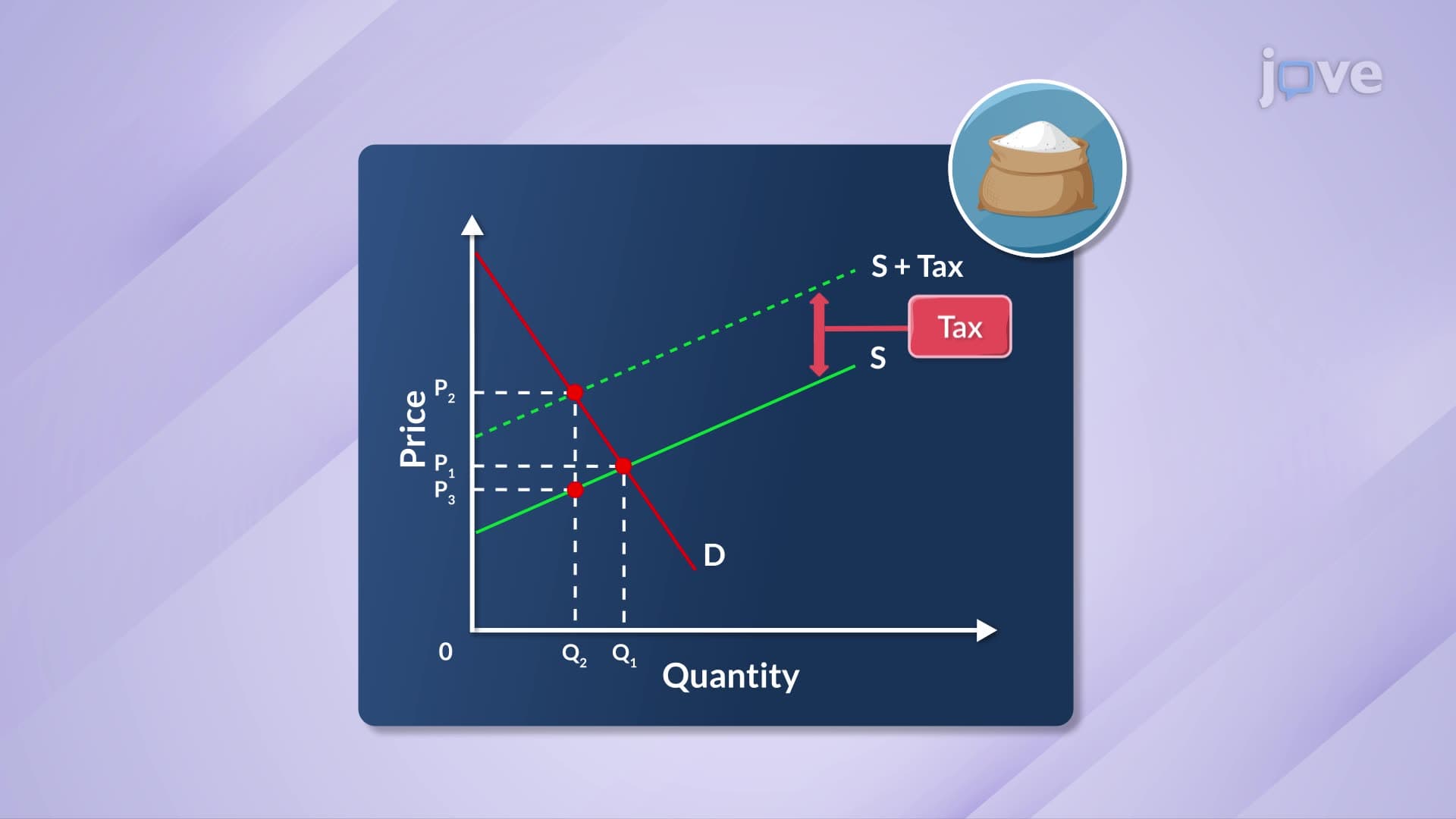
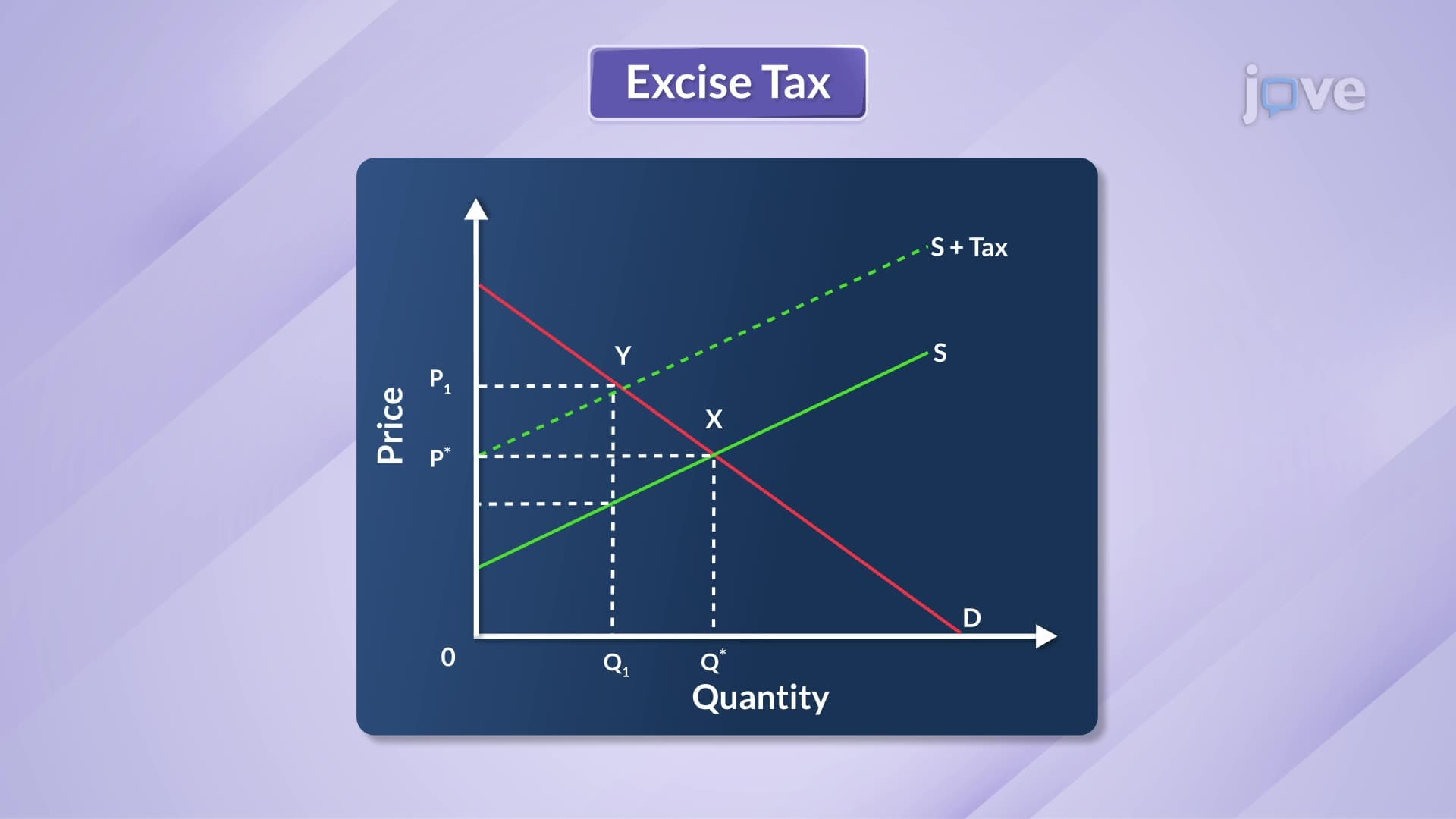
These targeted taxes serve dual purposes: generating revenue and influencing consumer behavior. When studying for AP Microeconomics exams, students must understand how excise taxes shift supply curves vertically upward by the exact tax amount, creating predictable changes in market equilibrium.
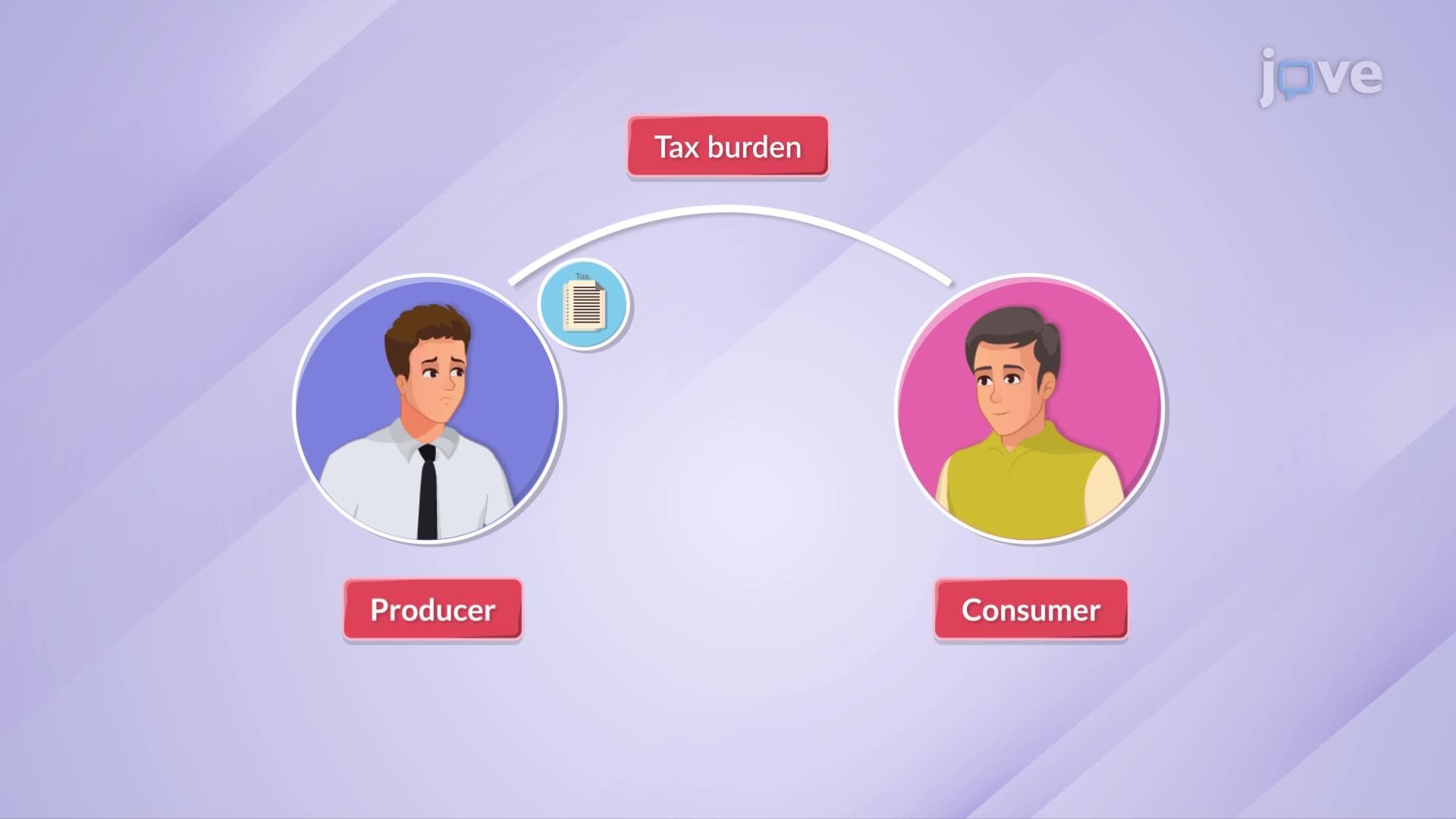
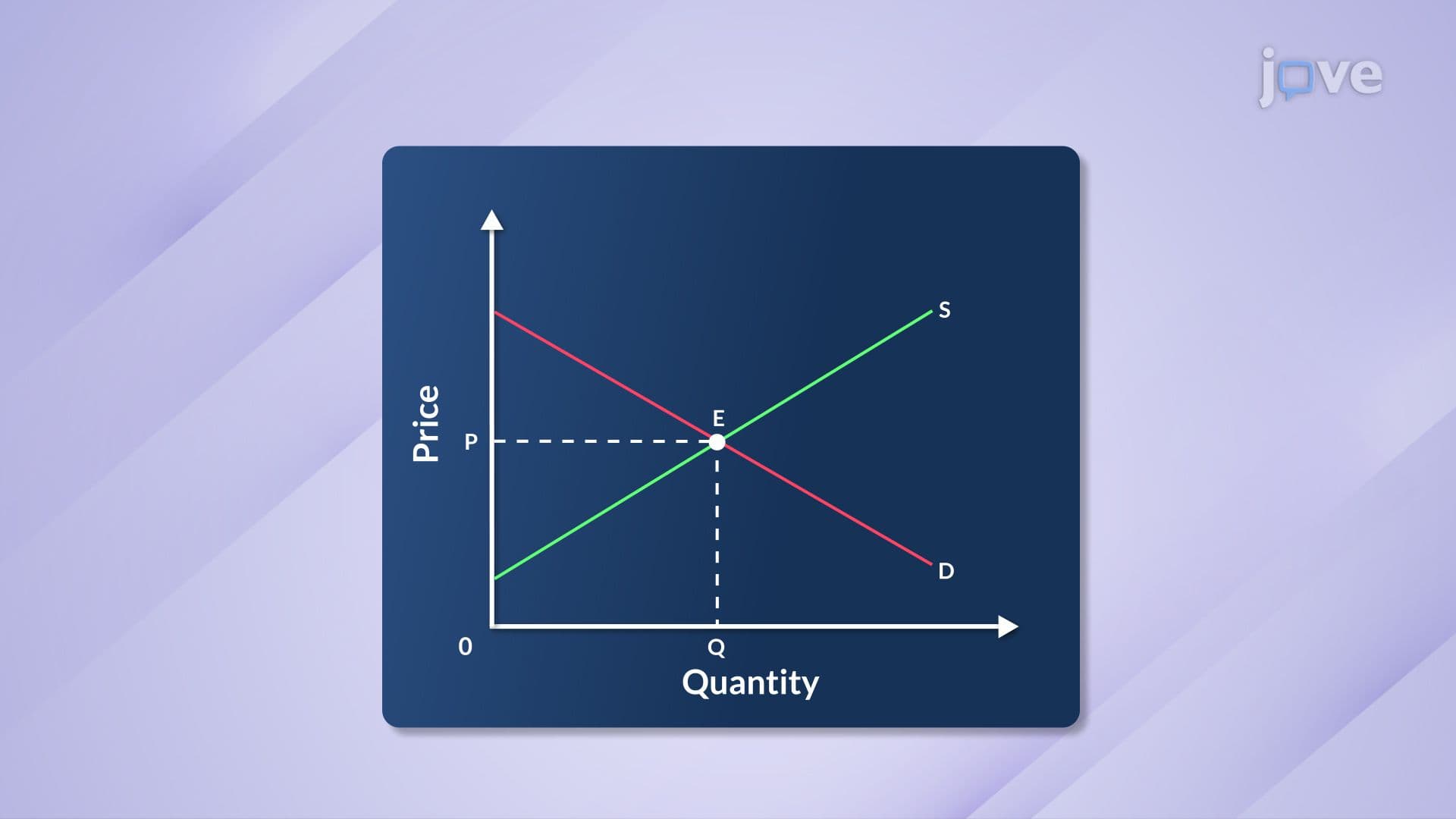
The economic mechanics of taxation reveal themselves clearly through graphical analysis. When an excise tax is imposed, the supply curve shifts upward, creating a wedge between what consumers pay and what producers receive. This fundamental concept appears regularly on college economics midterms and AP exams.
Consumer surplus decreases because buyers pay higher prices for fewer goods. Producer surplus also shrinks as sellers receive less revenue per unit after paying the tax. The government captures revenue equal to the tax rate multiplied by the quantity sold, but this transfer comes at a cost.
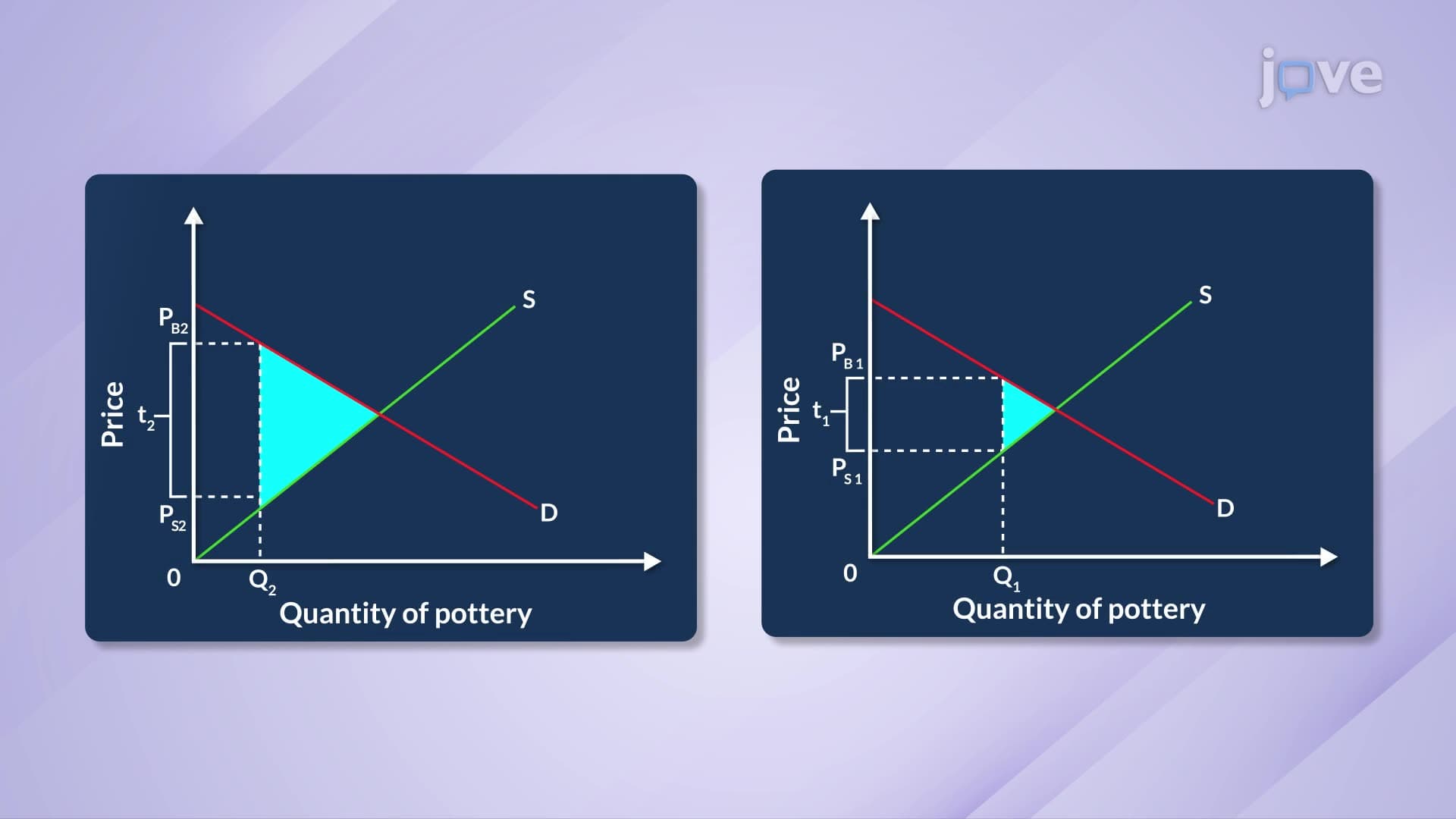
Perhaps the most crucial concept for exam success is deadweight loss-the economic value destroyed when taxes prevent beneficial transactions. This triangular area on supply and demand graphs represents transactions that would have occurred in a tax-free market but disappear due to artificial price increases.
Understanding deadweight loss helps explain why economists often prefer broad-based taxes over narrow excise taxes, and why this topic frequently appears on MCAT social science sections and college economics finals.
Related Micro-courses