Loading video…


 11 Concepts
 2.2K views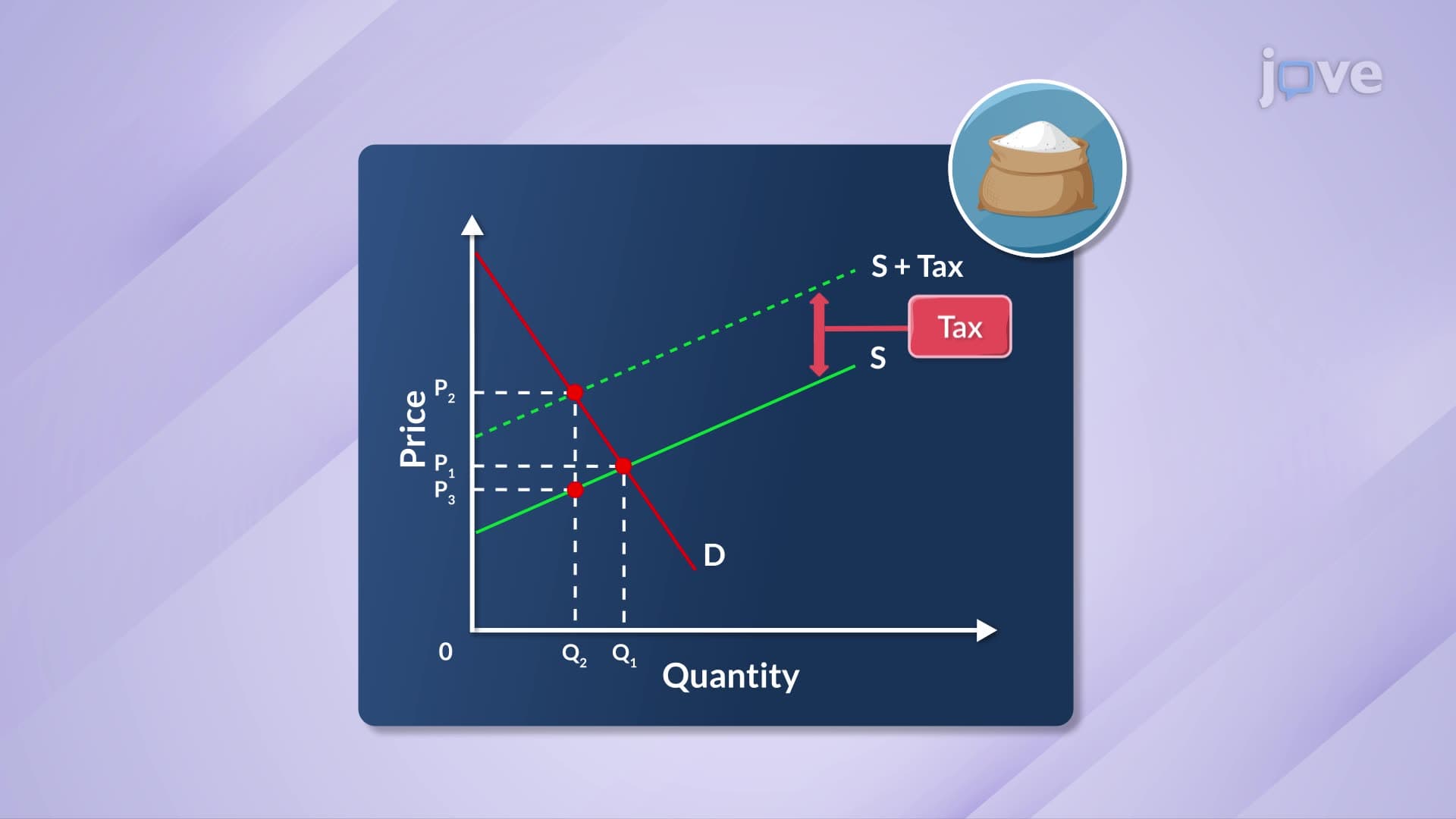

Video Summary: What Is Incidence of Tax I
Ever wonder why gas prices seem to hurt your wallet more than the gas station's profits? Incidence tax reveals who really pays when governments add taxes to goods. When the US government imposed higher cigarette taxes, smokers-not tobacco companies-absorbed most of the cost increase because cigarette demand stays relatively stable despite price hikes. Understanding what is incidence of tax I helps explain this economic phenomenon where tax burdens shift between buyers and sellers based on demand elasticity. Watch the full video on JoVE Coach to master this concept with expert-led visuals and step-by-step explanations.
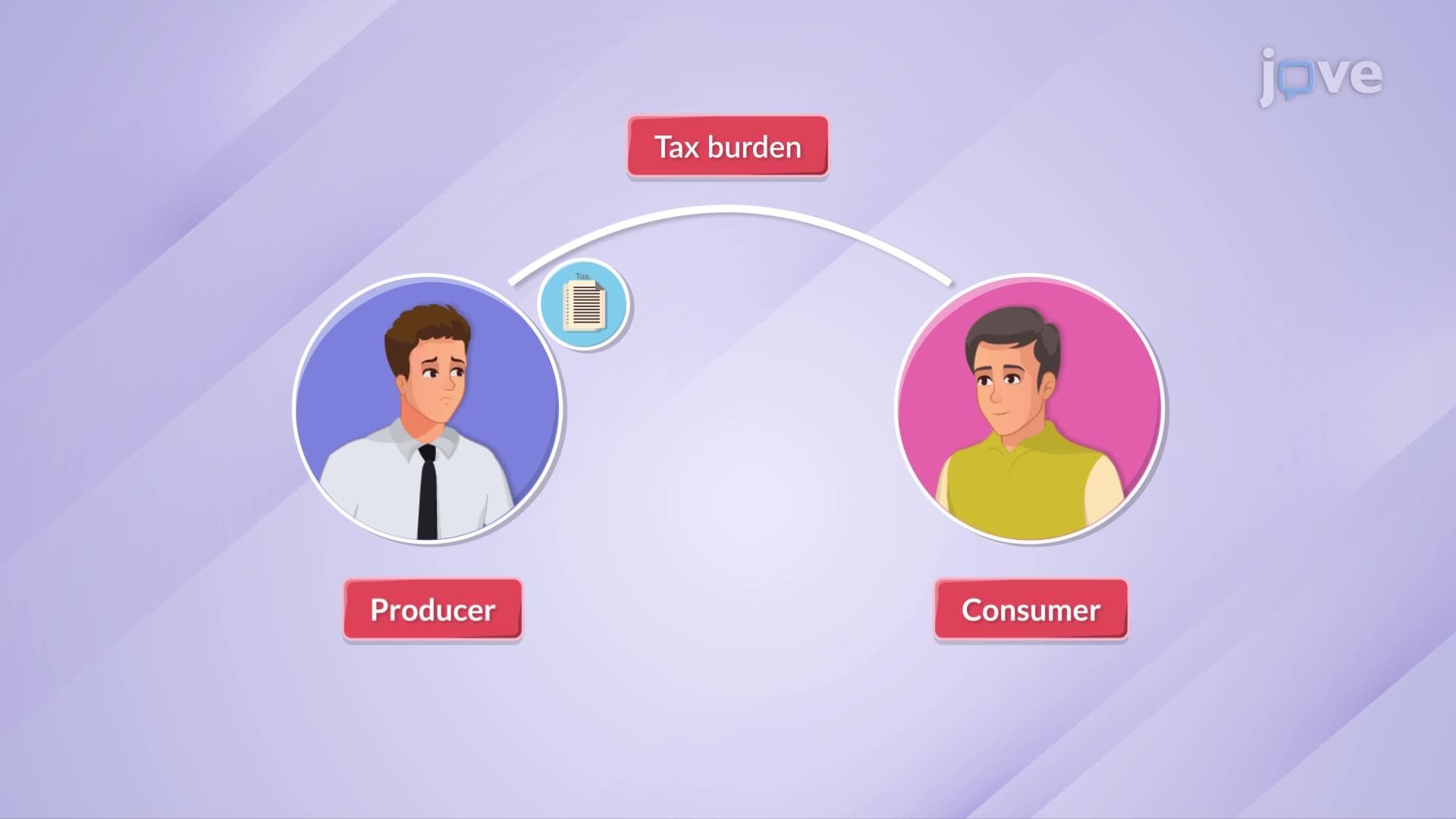
Incidence tax refers to the economic analysis of who ultimately bears the burden of a tax-consumers, producers, or both. This fundamental microeconomic concept examines how tax costs distribute between market participants based on the relative elasticity of supply and demand curves.
The key factor determining tax incidence lies in demand elasticity-how responsive quantity demanded is to price changes. When goods have inelastic demand (like gasoline, prescription medications, or basic food items), consumers continue purchasing despite price increases. For example, when states raise cigarette taxes by $1 per pack, smoking rates typically decrease by only 2-4%, meaning smokers absorb most of the tax burden rather than significantly reducing consumption.
This principle applies across numerous US markets. Healthcare services demonstrate highly inelastic demand-patients still need medical care regardless of insurance copay increases. Similarly, when California imposed carbon taxes on gasoline, drivers continued filling their tanks despite higher pump prices, effectively transferring the tax burden from oil companies to consumers.
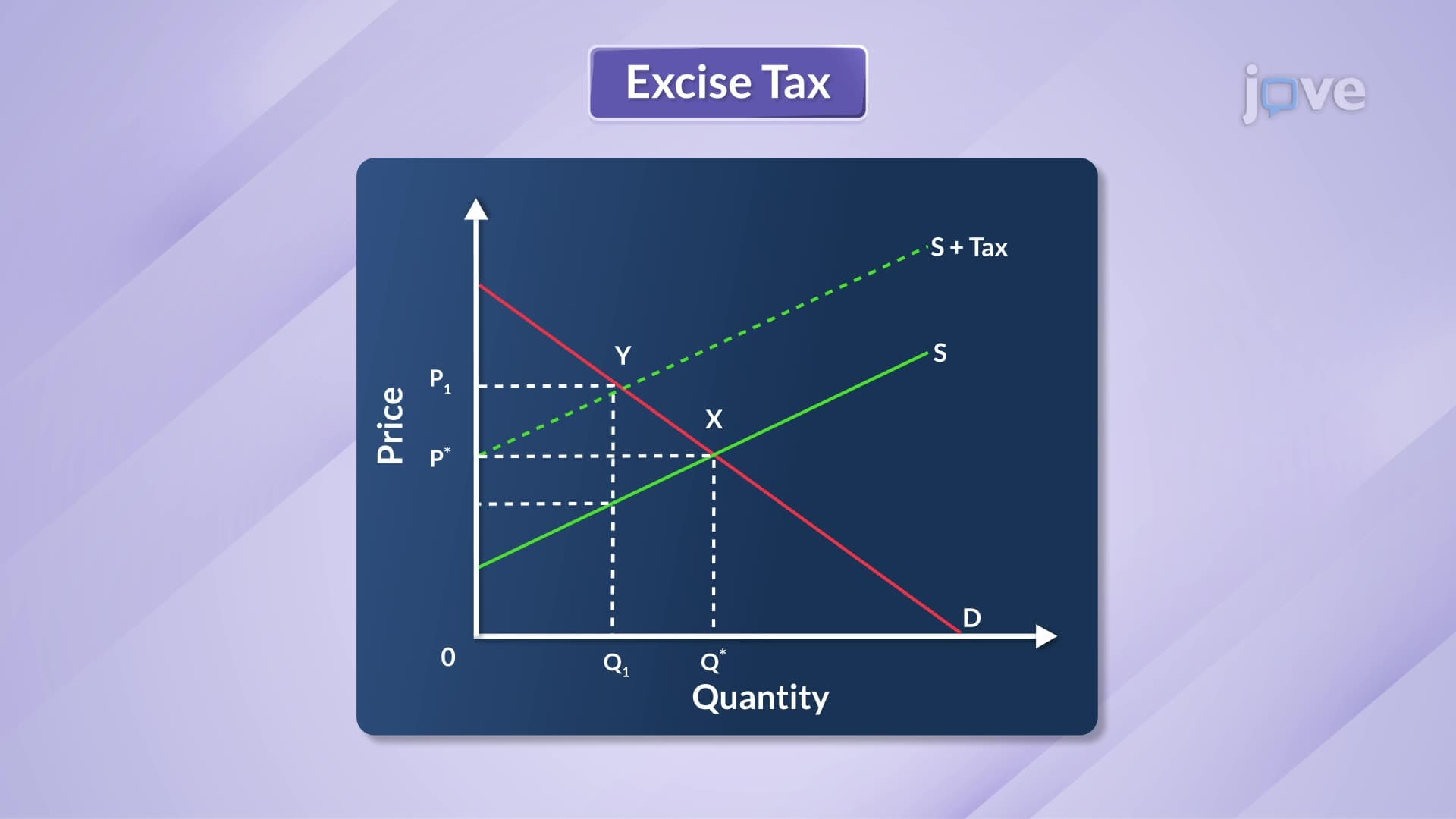
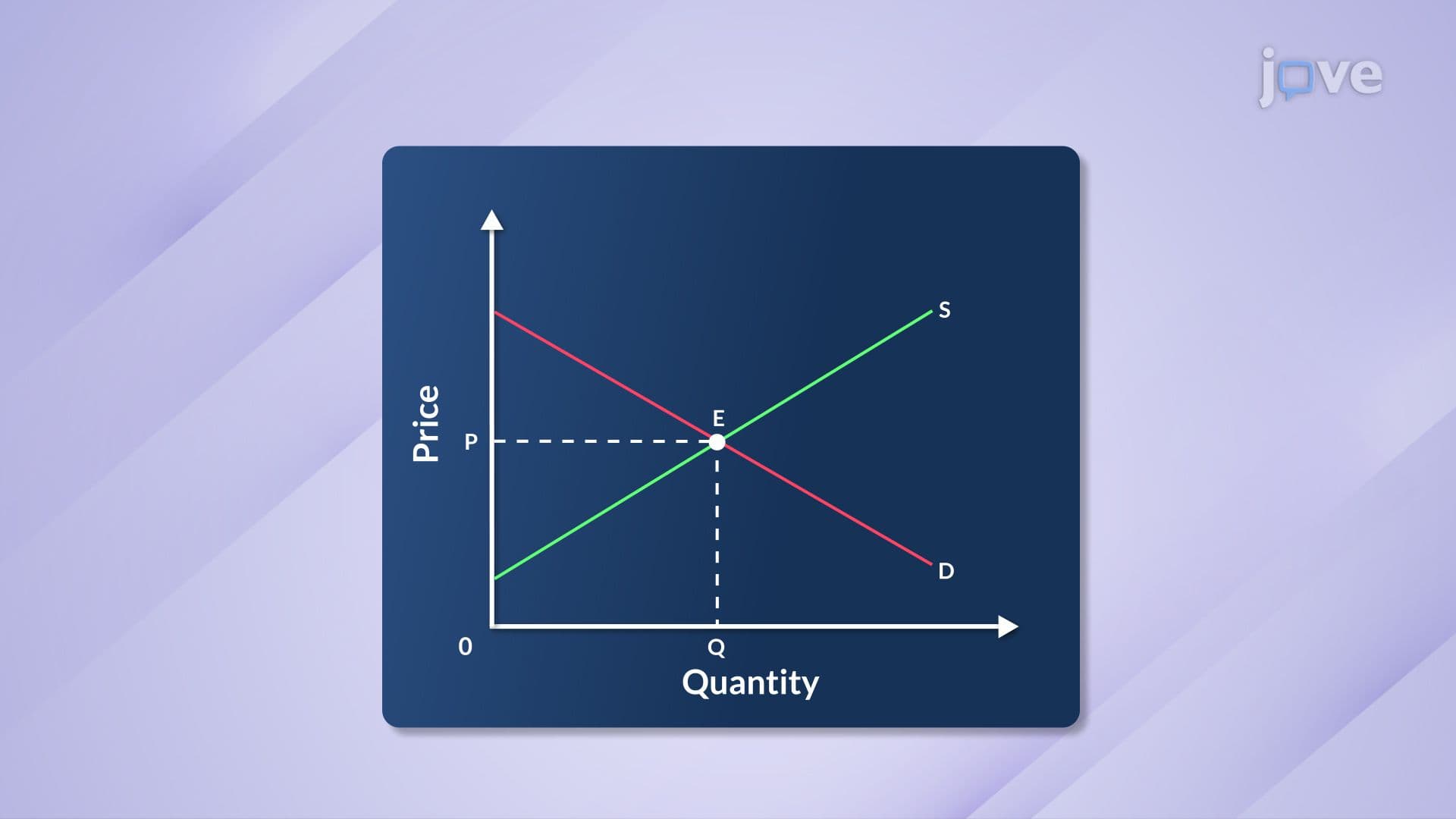
Incidence of tax definition explained through supply and demand analysis shows how taxes create market distortions. When governments impose per-unit taxes, supply curves shift leftward by the tax amount, creating a wedge between what consumers pay and what producers receive. In markets with inelastic demand, this wedge falls disproportionately on consumers.
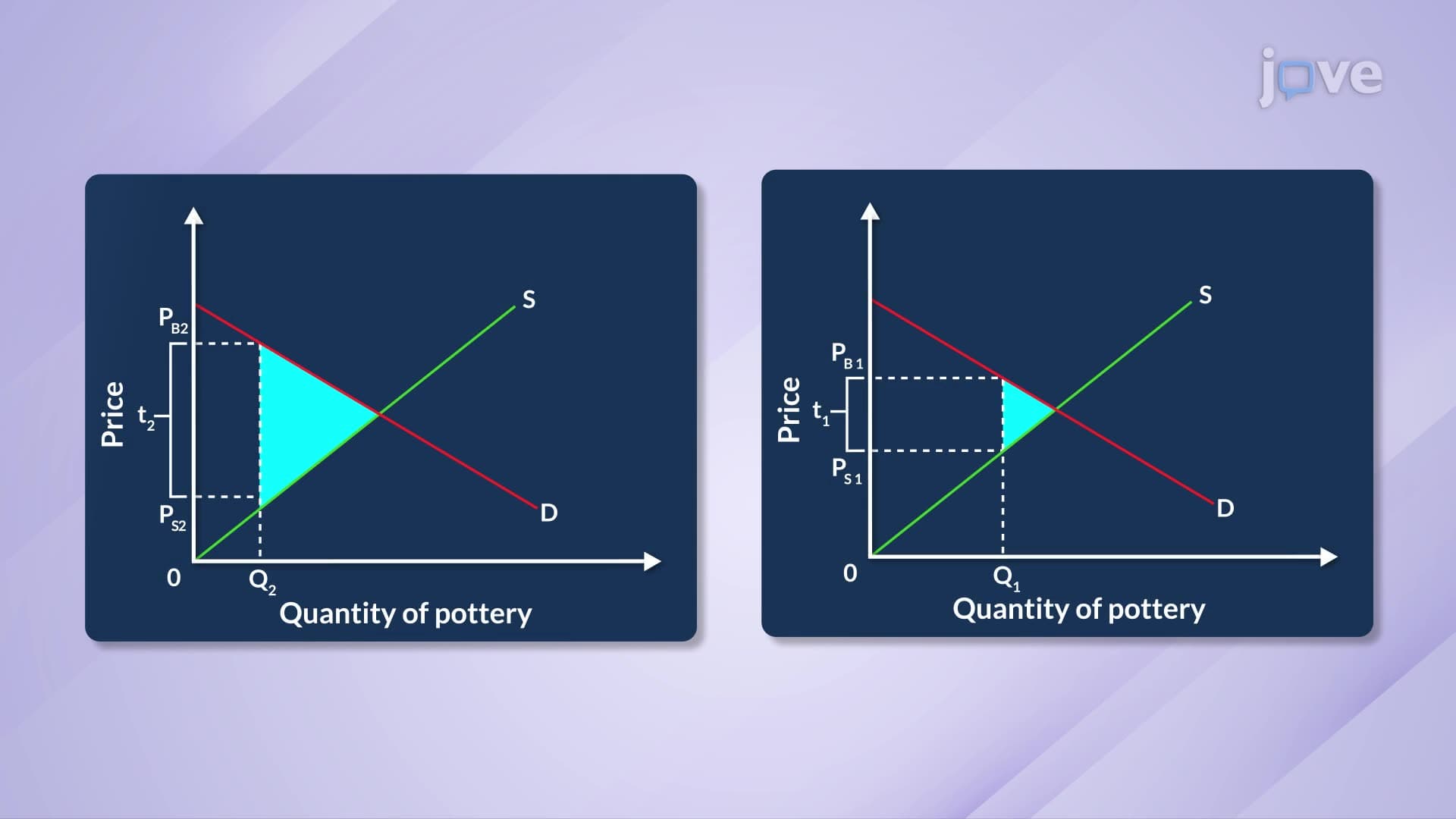
The resulting deadweight loss represents pure economic inefficiency-transactions that would have occurred without the tax but become unprofitable after its implementation. While some consumers reduce purchases due to higher prices, the majority continue buying at elevated costs, preserving producer revenues while diminishing consumer surplus.
Students encounter incidence tax concepts in AP Economics courses, particularly when analyzing government policy effects. College microeconomics exams frequently test this material through graphical analysis questions requiring students to identify tax burden distribution and calculate welfare changes. Understanding these principles proves essential for economics majors and business students analyzing real-world policy impacts on market outcomes and consumer behavior.
Related Micro-courses