Loading video…


 11 Concepts
 2.2K views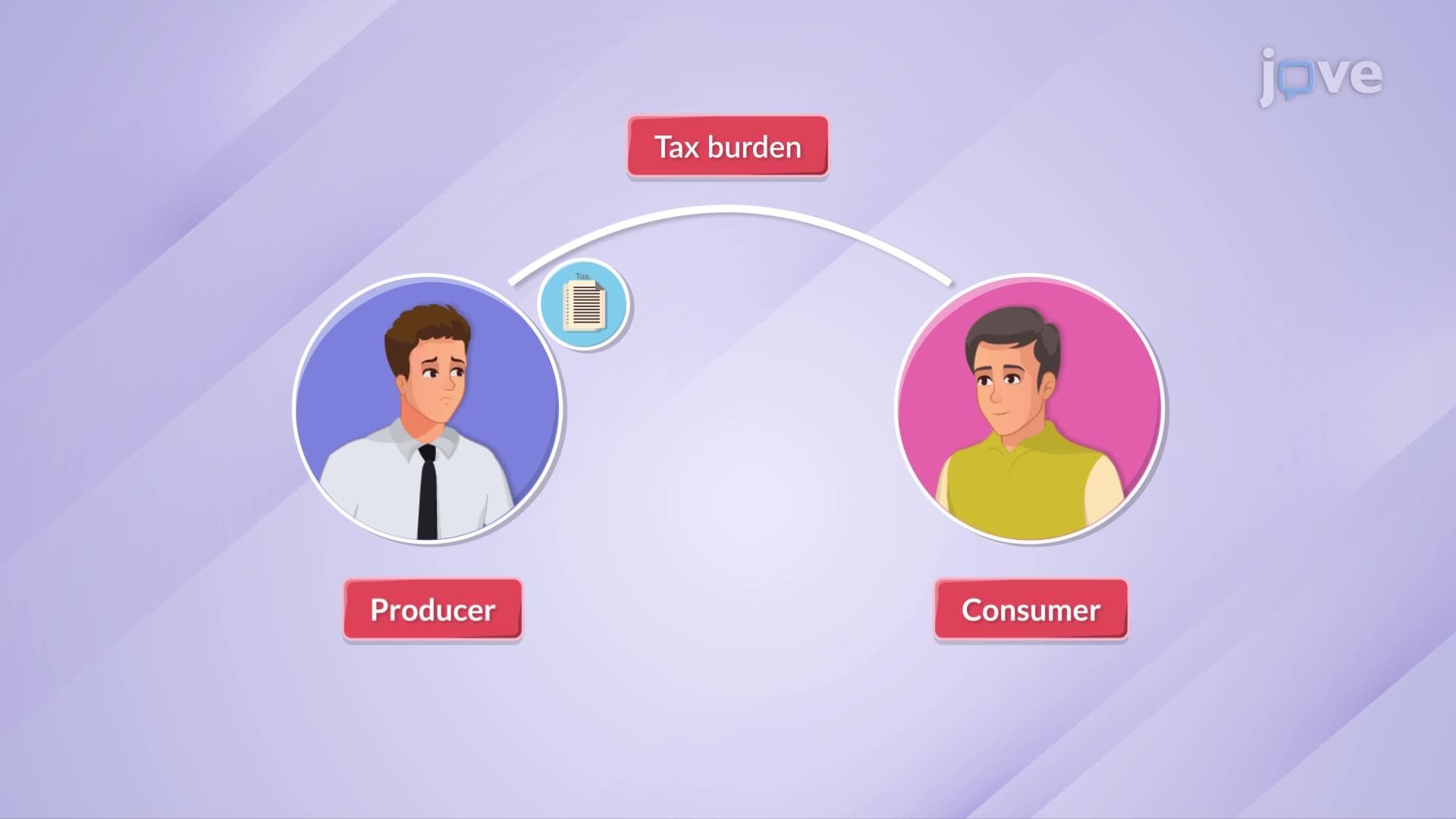

Video Summary: What Is Incidence of Tax Ii
Ever wonder why a $5 tax on luxury cars doesn't just add exactly $5 to the sticker price? Incidence tax analysis reveals the surprising reality of who actually bears the burden when governments impose levies. When Tesla faces a hefty luxury vehicle tax, the company can't simply pass all costs to buyers-elastic demand means customers will walk away, forcing Tesla to absorb much of the tax burden through reduced profits. What is Incidence of Tax II explores this complex economic dynamic where tax burden distribution depends on market elasticity. Watch the full video on JoVE Coach to master this concept with expert-led visuals and step-by-step explanations.
Incidence tax analysis examines how the economic burden of taxation distributes between market participants-producers and consumers-regardless of who technically writes the check to the government. This fundamental economic principle reveals that statutory incidence (who pays the tax legally) often differs dramatically from economic incidence (who bears the actual financial burden).
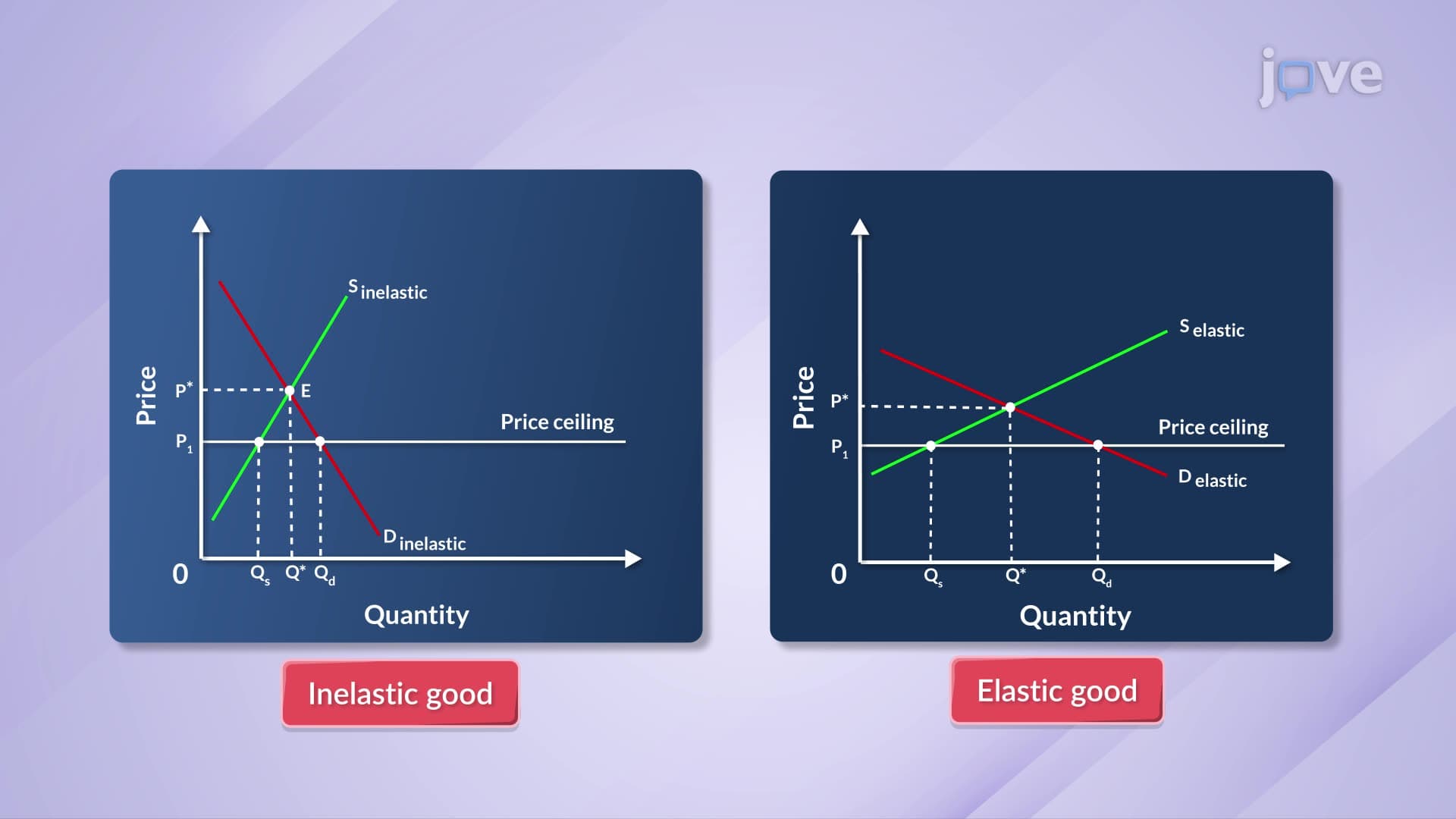
When demand exhibits high elasticity, consumers respond dramatically to price changes. Consider the luxury automotive market: a 20% tax on vehicles over $80,000 doesn't result in a simple 20% price increase. Instead, manufacturers like BMW, Mercedes-Benz, and Lexus face a critical decision. If they pass the full tax burden to consumers, sales plummet as buyers shift to lower-priced alternatives or delay purchases entirely.
The incidence of tax definition explained through this lens shows producers absorbing significant tax portions. BMW might absorb 60-70% of a luxury tax, raising prices only modestly while accepting reduced profit margins. This occurs because losing customers costs more than absorbing tax burden-elastic demand makes consumers highly price-sensitive.
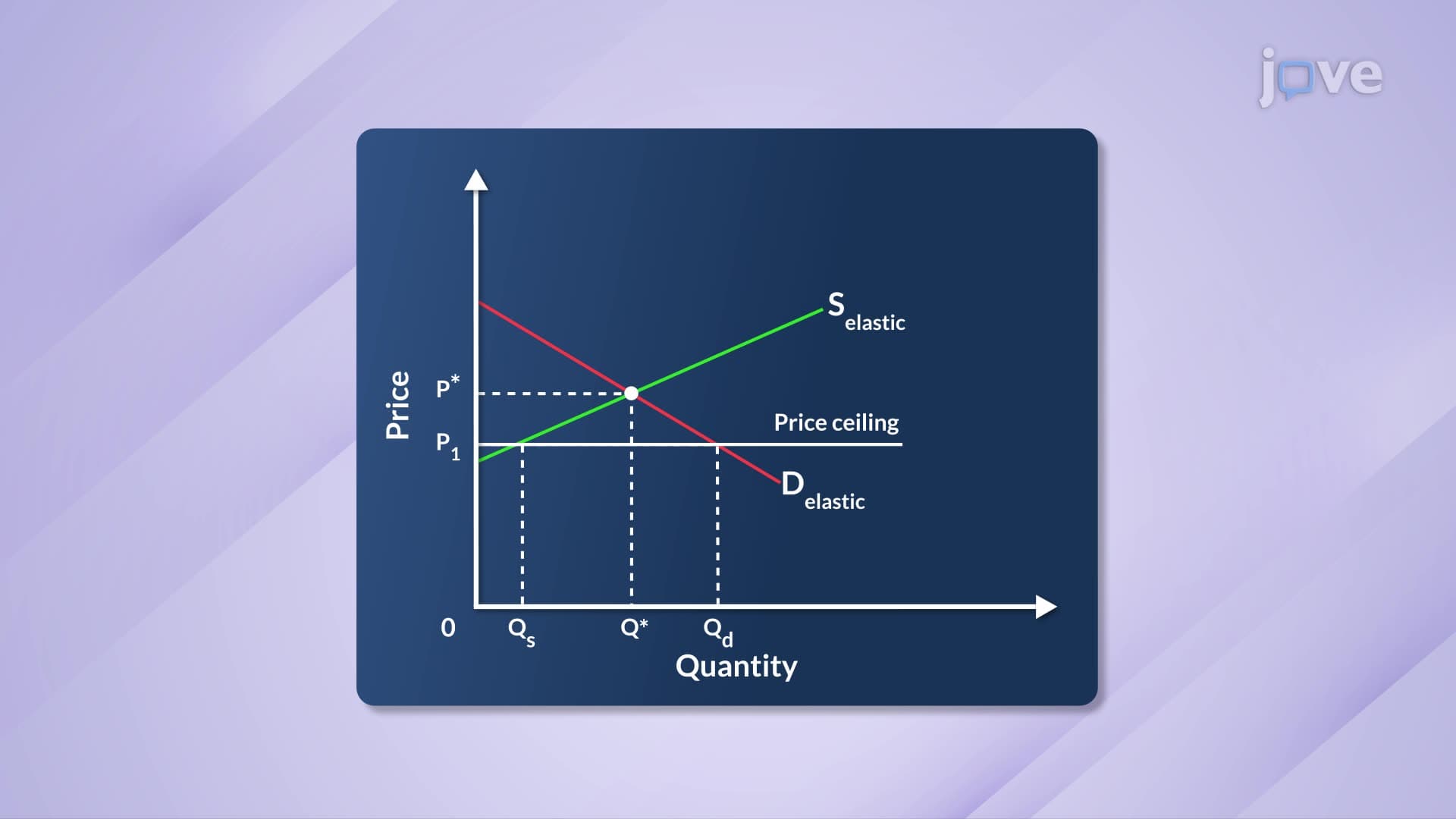
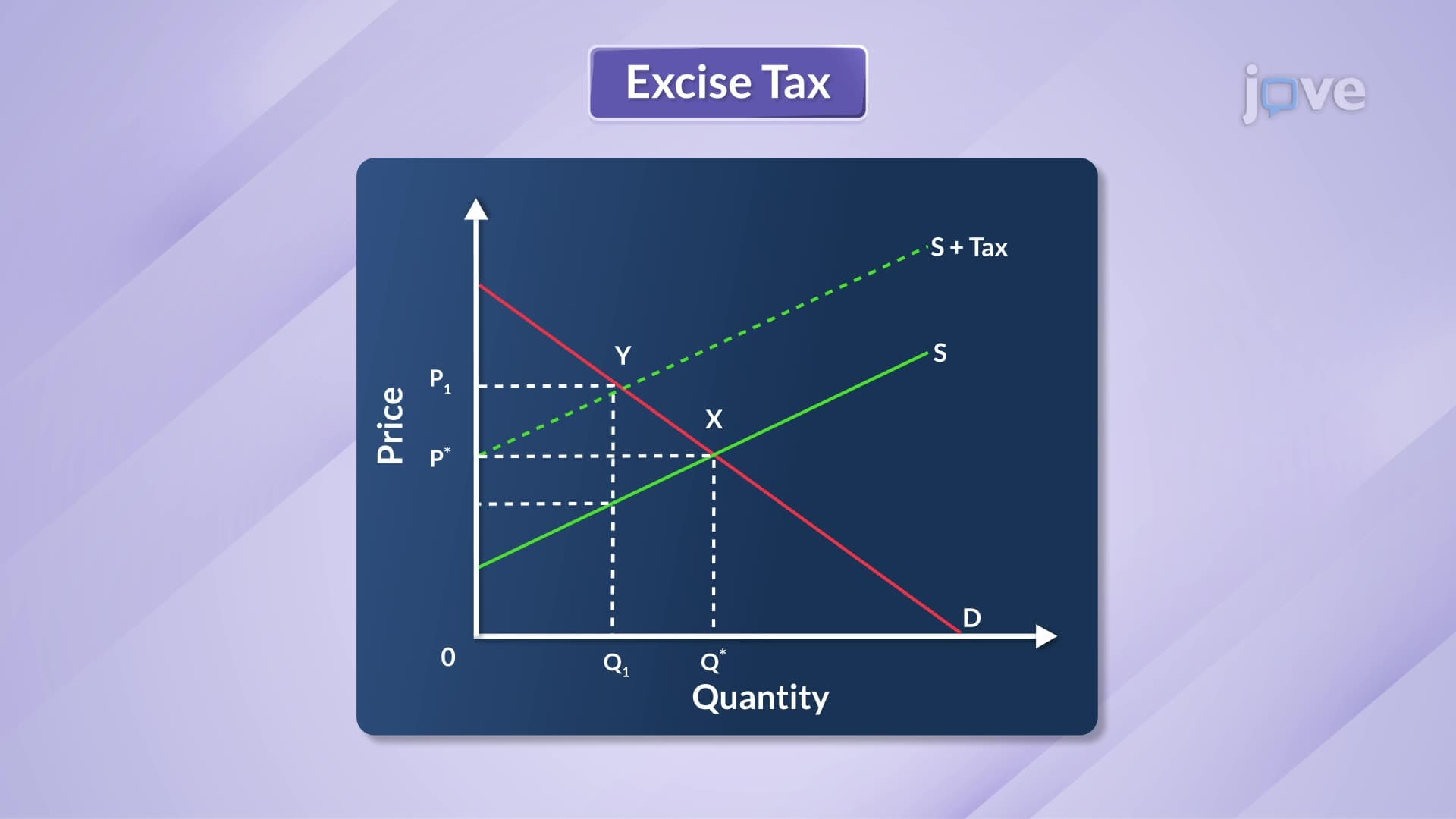
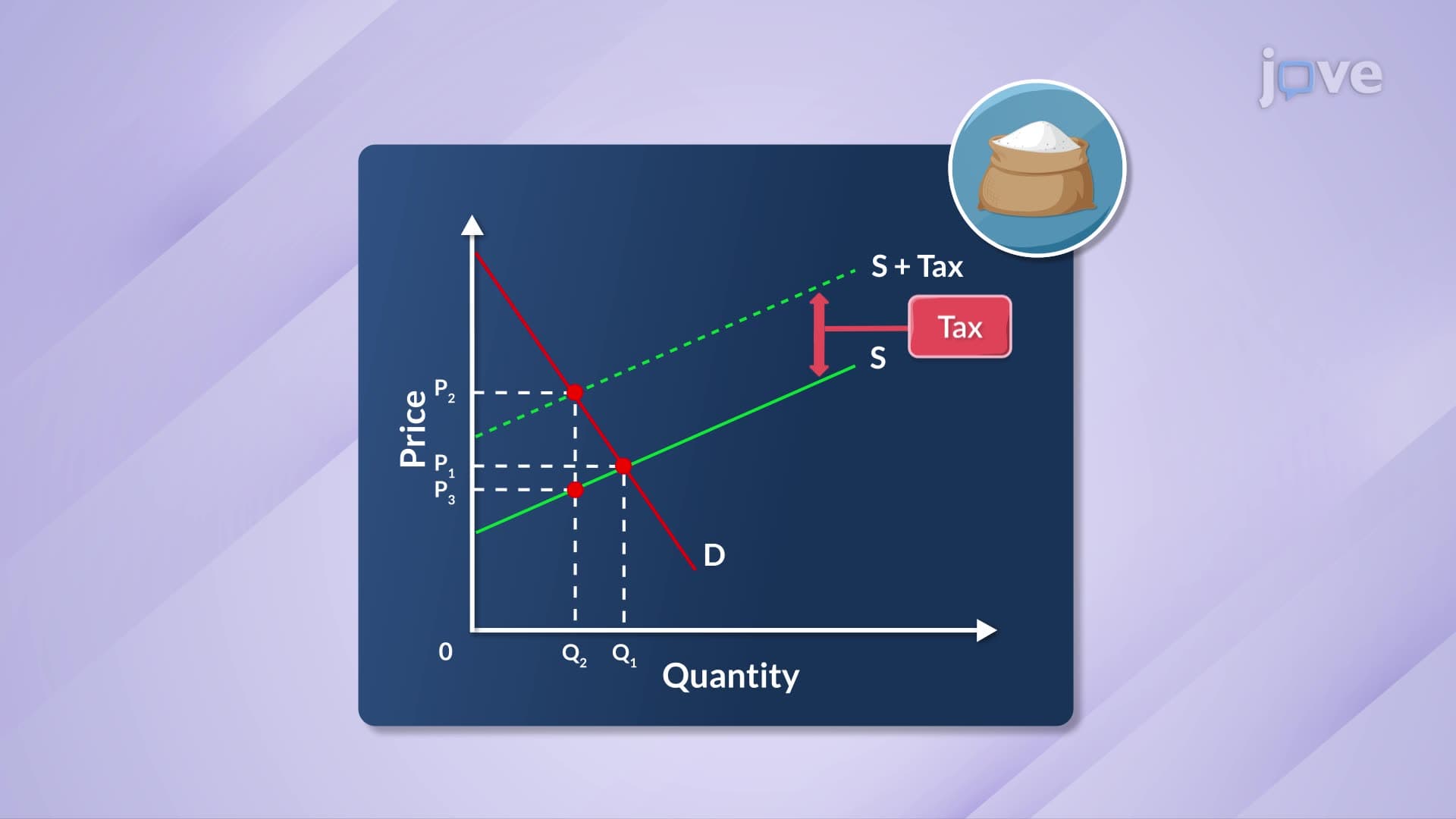
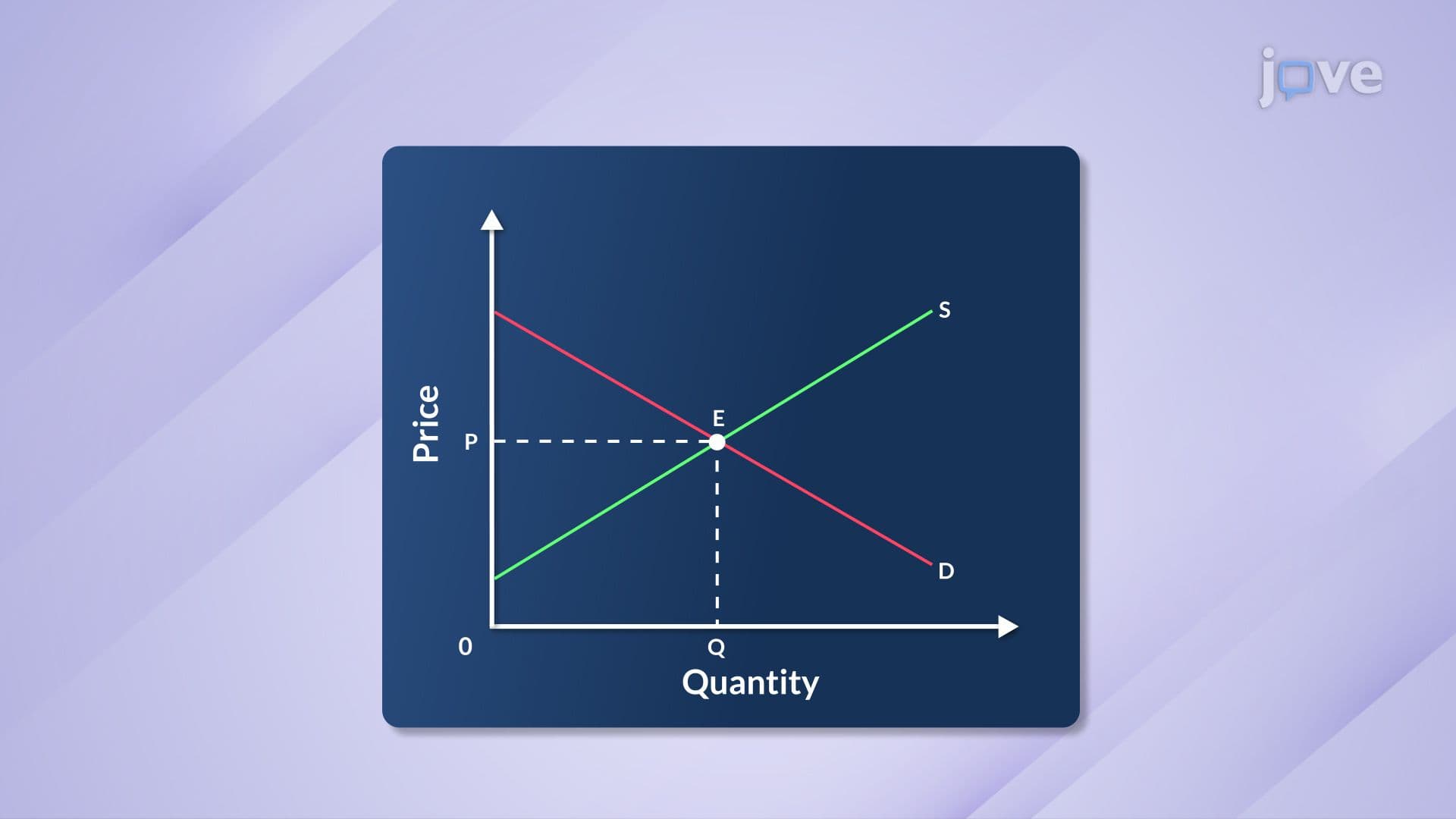
Tax imposition shifts the supply curve leftward by the tax amount, creating a new equilibrium point. However, the final price increase rarely equals the full tax amount when demand is elastic. This creates fascinating economic dynamics where both consumer surplus and producer surplus decrease, but producer surplus typically experiences larger reductions.
Real-world applications appear frequently in AP Economics exams and college microeconomics courses. Students must analyze graphs showing pre-tax and post-tax equilibrium points, calculating exact burden distributions between market participants.
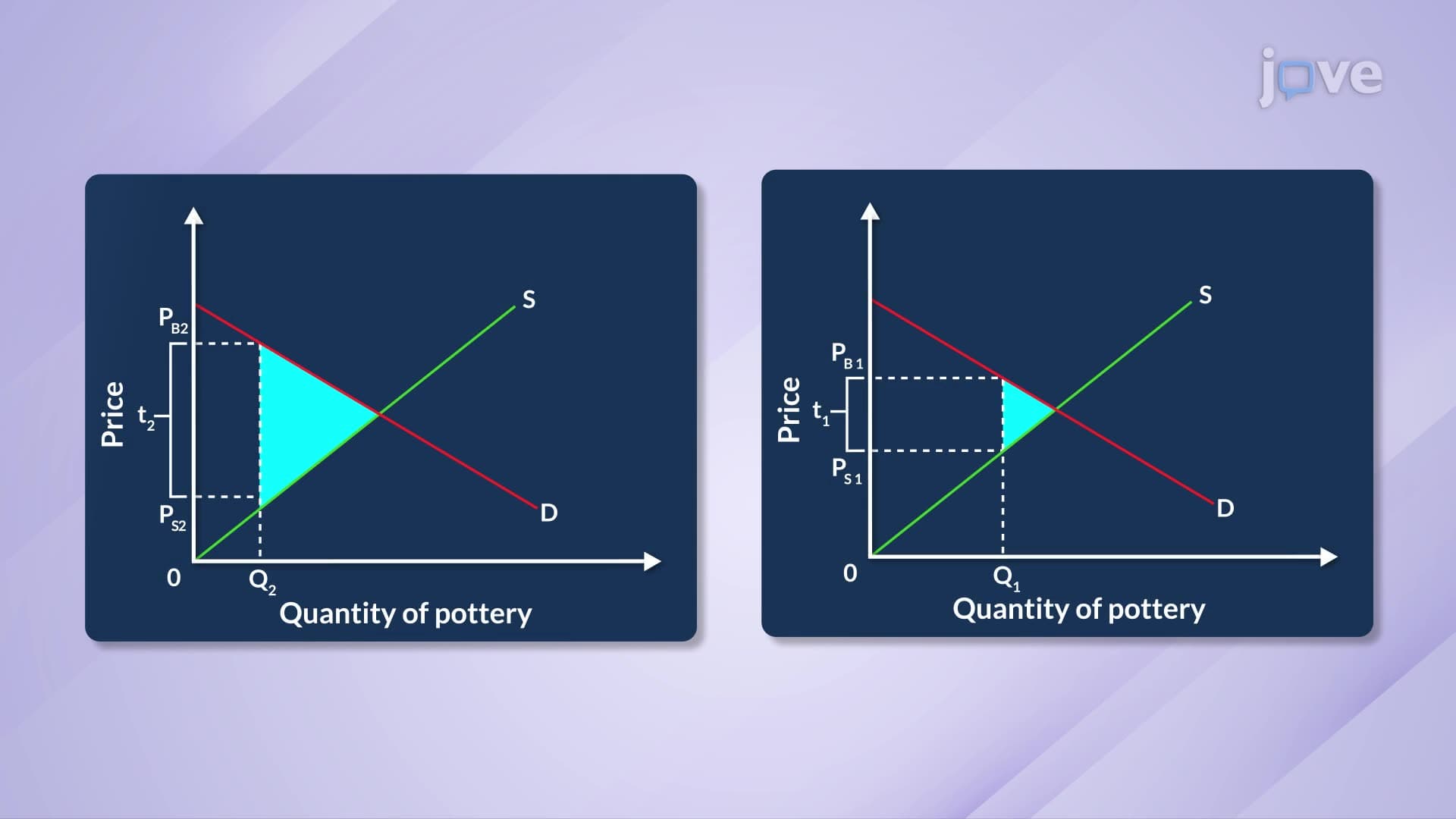
The incidence tax overview reveals how taxation creates deadweight loss-economic value destroyed when mutually beneficial transactions cease occurring. In the luxury car example, potential buyers who valued vehicles at $85,000 might refuse to purchase at post-tax prices of $95,000, even though manufacturers would willingly sell at $82,000 pre-tax. These prevented transactions represent pure economic loss, benefiting neither producers, consumers, nor government.
Understanding these concepts proves essential for business majors analyzing market interventions, economics students preparing for standardized tests, and policy students evaluating taxation effectiveness across different market structures.
Related Micro-courses