Loading subject page…

- Microeconomics
- Analysis of Competitive Markets
- Price Ceiling
Micro-course: Analysis of Competitive Markets
2,182 views
Learn key concepts and earn your certificate.



Price Ceiling

00:00
01:24
Video Summary: What Is Price Ceiling
Why can some New Yorkers pay just $500 monthly for apartments worth $3,000 on the open market? A price ceiling creates this scenario by legally capping what landlords can charge, demonstrating how government intervention directly impacts housing markets across America. This regulatory tool, designed to keep essential goods affordable, generates complex economic effects from increased consumer demand to potential housing shortages. What is price ceiling becomes crucial when examining rent control policies in cities like San Francisco and New York. Watch the full video on JoVE Coach to master this concept with expert-led visuals and step-by-step explanations.
- Understand what is price ceiling and how government-imposed maximum pricing affects market equilibrium in essential goods markets
- Identify the economic consequences of price ceiling implementation, including changes in quantity demanded and supplied
- Analyze the relationship between price ceilings and consumer surplus, producer surplus, and deadweight loss
- Compare market outcomes before and after price ceiling implementation using supply and demand graphs
- Evaluate real-world applications of price ceilings in US housing markets, healthcare, and utility sectors
- Apply price ceiling concepts to solve problems involving market shortages and allocation inefficiencies
- Recognize the trade-offs between affordability goals and market efficiency when governments intervene in pricing
- Explore policy alternatives to price ceilings that achieve similar social equity objectives
What is Price Ceiling: Fundamental Definition
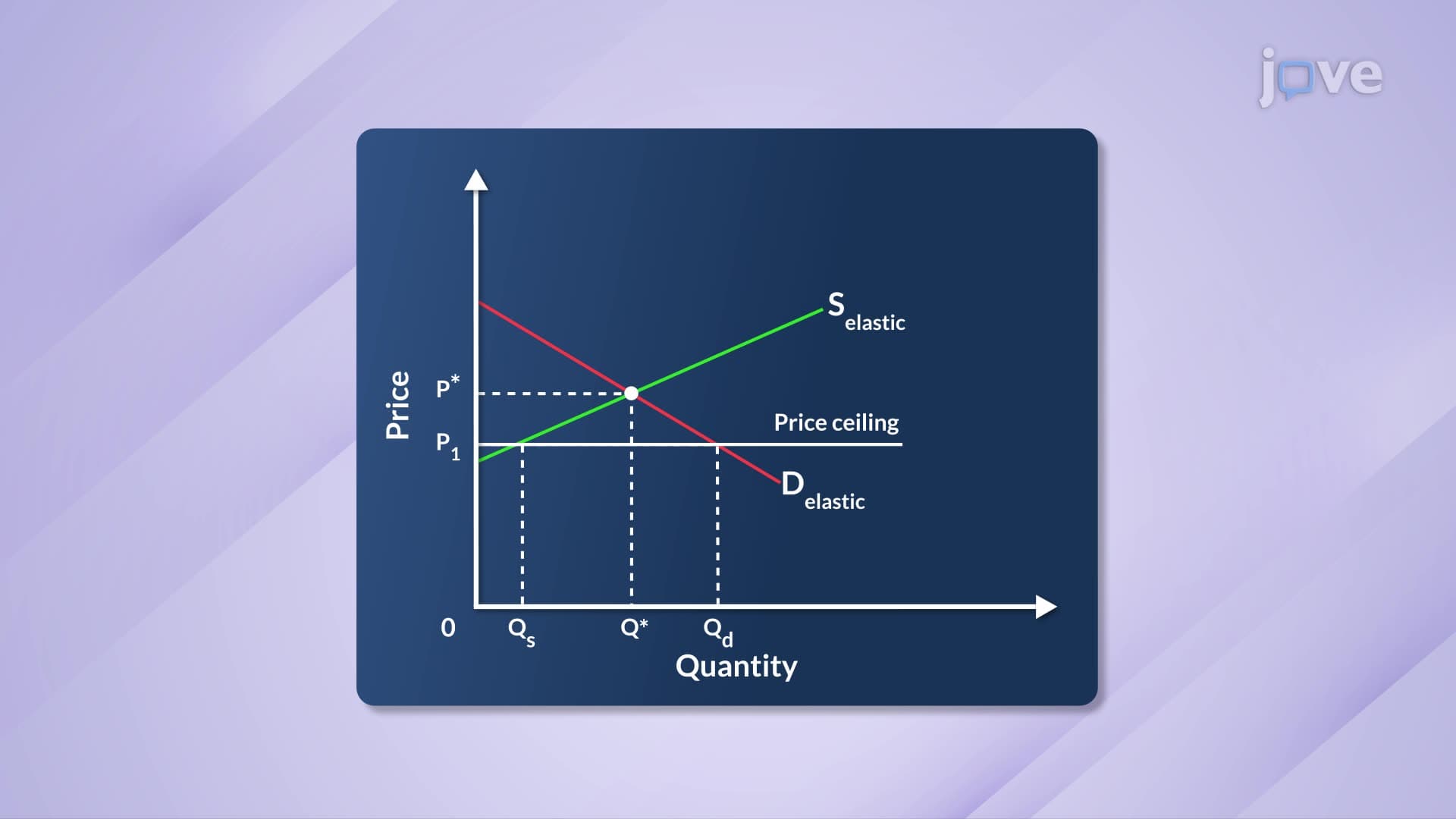
A price ceiling represents a government-mandated maximum price that sellers can legally charge for specific goods or services. This regulatory intervention occurs when policymakers believe market prices have risen beyond what consumers can reasonably afford, particularly for essential items like housing, healthcare, or utilities. The price ceiling definition explained reveals that these controls must be set below the natural equilibrium price to have any meaningful economic impact.
Economic Mechanics of Price Ceiling Implementation
When governments establish a price ceiling, several predictable market dynamics emerge. Consumer demand typically increases because the artificially lower prices make goods more accessible to broader populations. Simultaneously, supplier willingness to provide goods decreases due to reduced profit margins, creating the fundamental imbalance that characterizes price-controlled markets.
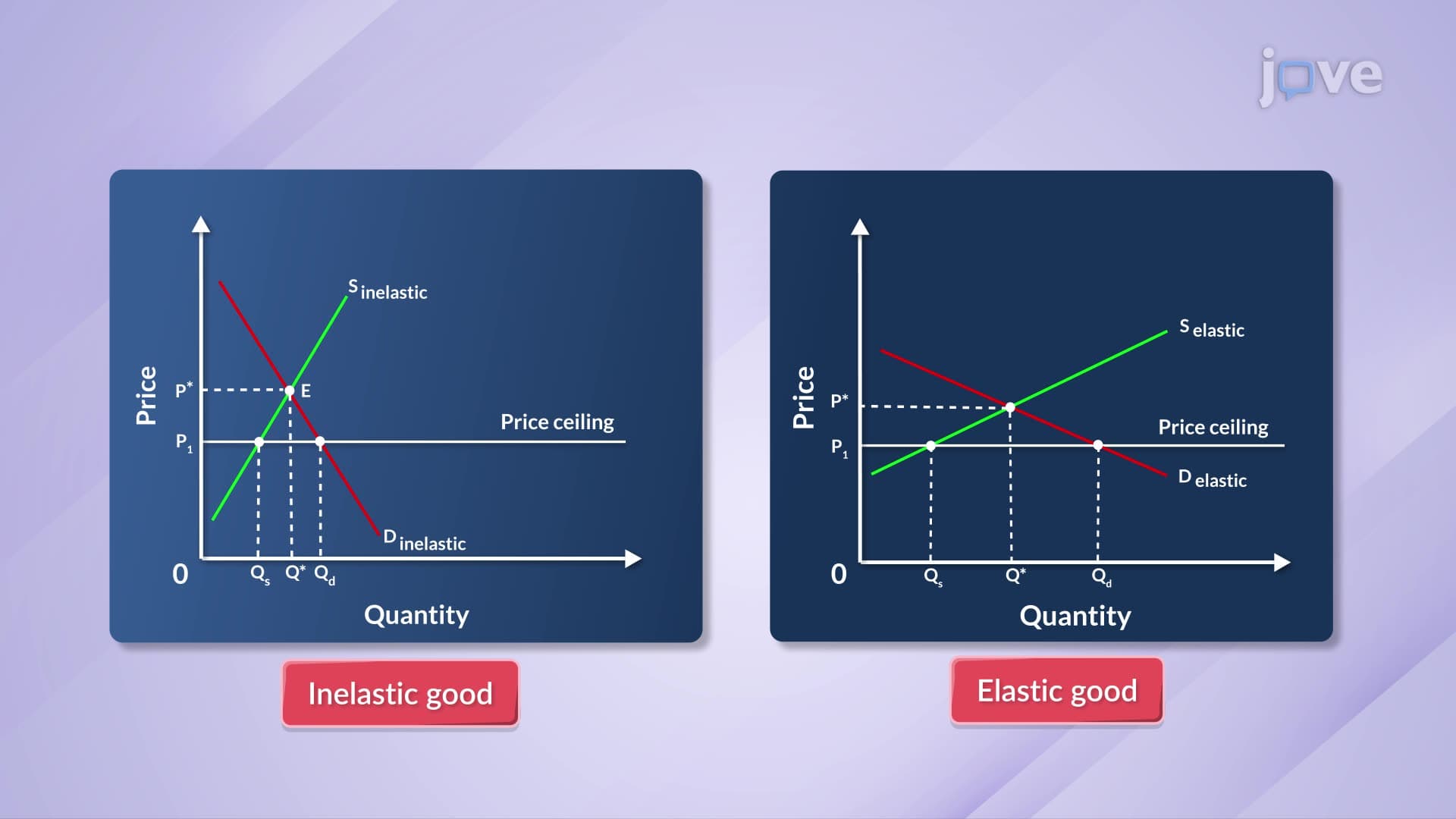
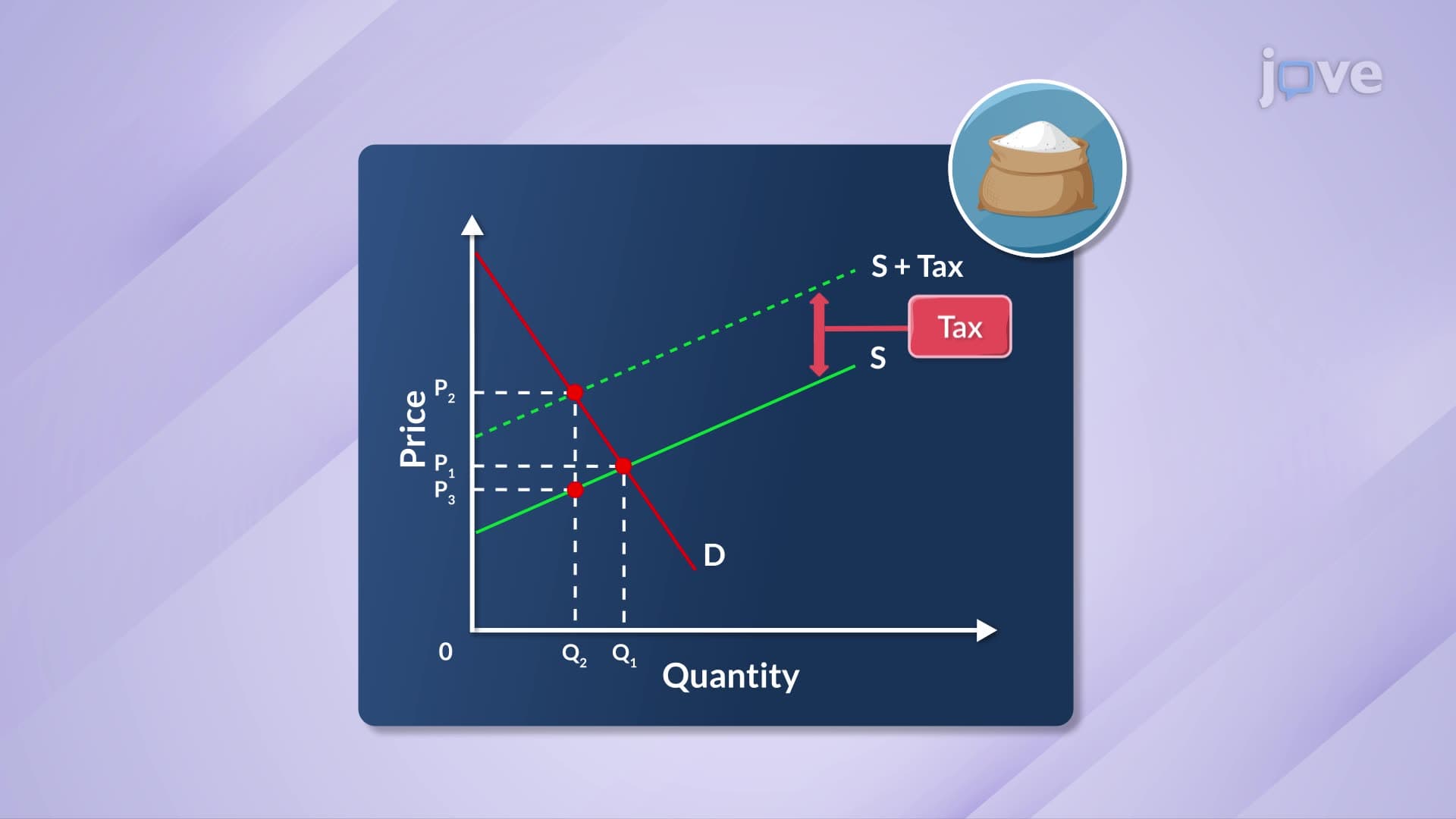
This price ceiling concept explained through supply and demand analysis shows how the gap between quantity demanded and quantity supplied generates persistent shortages. Students preparing for AP Economics exams frequently encounter these scenarios, as they perfectly illustrate how government intervention disrupts natural market clearing mechanisms.
Real-World Price Ceiling Applications in America
New York City's rent stabilization program exemplifies price ceiling implementation, covering approximately one million apartments with regulated rent increases. Similarly, San Francisco's rent control ordinances demonstrate how local governments attempt to address housing affordability through maximum pricing policies.
Healthcare provides another compelling example, where some states implement price ceilings on prescription medications or emergency medical services. California's recent legislation capping insulin prices at $35 monthly illustrates how price ceilings target life-essential products that exhibit inelastic demand characteristics.
Economic Consequences and Market Efficiency
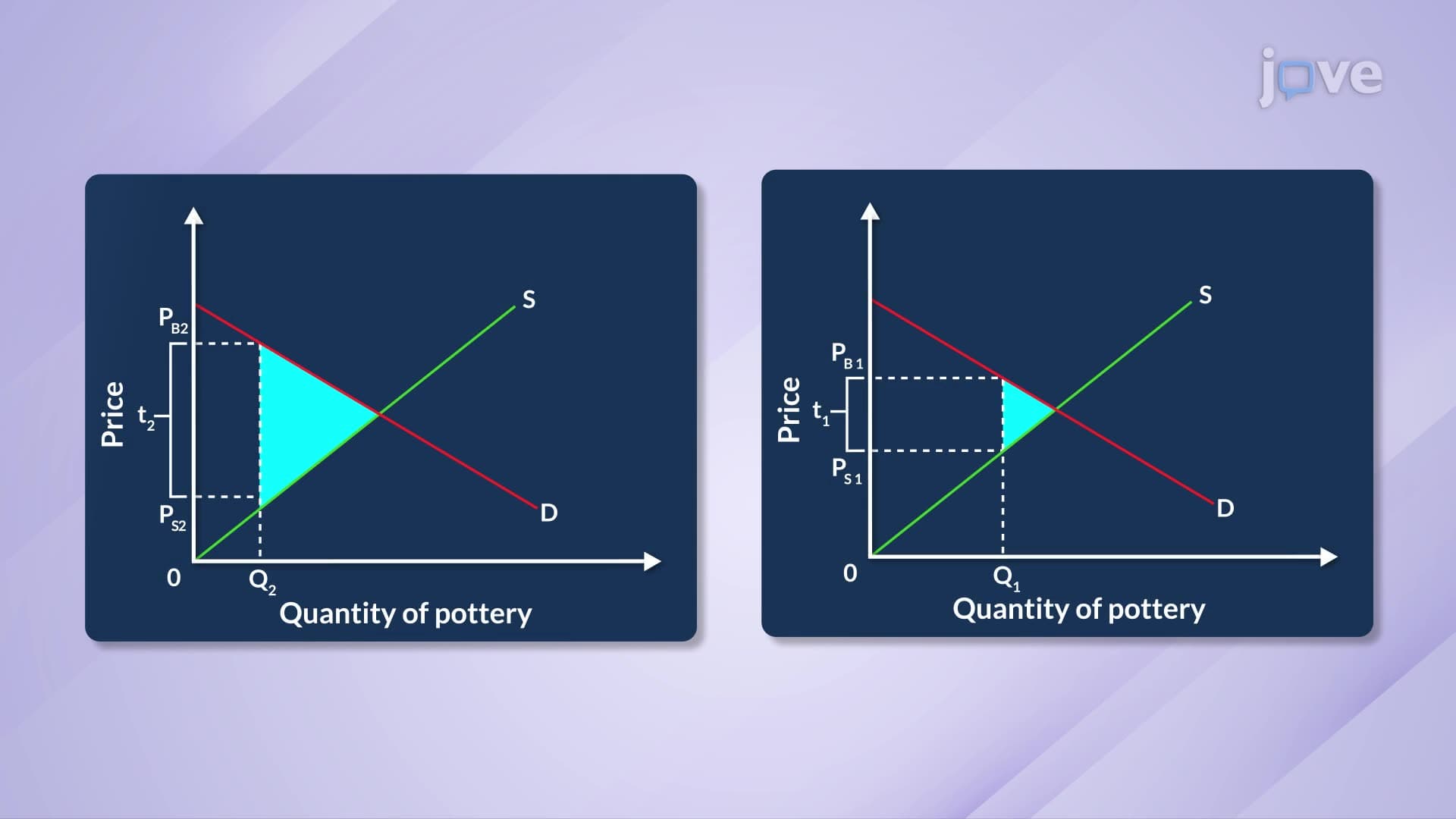
The price ceiling overview reveals complex welfare effects. While consumer surplus may increase for those successfully obtaining price-controlled goods, producer surplus invariably decreases as suppliers receive below-market compensation. The resulting deadweight loss represents genuine economic inefficiency-potential beneficial exchanges that never occur due to artificial pricing constraints.
Students studying for college microeconomics courses should understand that price ceilings create allocation problems beyond simple shortages. Black markets often emerge, quality deterioration becomes common, and alternative rationing mechanisms (waiting lists, favoritism, or lottery systems) replace price-based allocation.
These concepts frequently appear on SAT Subject Tests and AP Economics examinations, where students must graphically analyze welfare changes and calculate deadweight losses resulting from price ceiling policies.
Frequently Asked Questions
A price ceiling is a government-set maximum price that businesses can legally charge for specific products or services. It's designed to keep essential goods affordable by preventing prices from rising above a predetermined limit, commonly used in housing markets through rent control policies.
Price ceilings increase quantity demanded while decreasing quantity supplied, creating persistent shortages. When prices are artificially held below equilibrium, more consumers want the product but fewer suppliers are willing to provide it at the reduced profit margins.
Yes, price ceiling analysis is a core component of AP Microeconomics curriculum and frequently tested concept. Expect to draw supply and demand graphs, calculate welfare changes, and analyze deadweight loss resulting from government price interventions.
Focus on identifying the equilibrium price first, then determine if the ceiling is binding (set below equilibrium). Calculate consumer surplus, producer surplus, and deadweight loss using triangle area formulas, and explain the shortage quantity as the difference between quantity demanded and supplied.
New York City's rent stabilization affects over one million apartments, limiting annual rent increases to preserve housing affordability. Additionally, several states have implemented price ceilings on insulin and other prescription medications to address healthcare accessibility concerns.
No advanced mathematics required-price ceiling analysis uses basic algebra and geometry. You'll primarily work with linear supply and demand equations, calculate triangle areas for surplus measurements, and interpret straightforward graphs showing market relationships.
Explore price floors (minimum wages, agricultural price supports) to understand the opposite government intervention. Then advance to studying market failures, externalities, and other microeconomic policy tools that address similar equity and efficiency concerns in different market contexts.
Use memory aids: "ceiling" means maximum (like room ceilings limit height), so price ceilings create maximum prices that cause shortages when demand exceeds supply. Practice drawing graphs repeatedly, focusing on which curve shifts and how equilibrium points change under different policy scenarios.
Related Micro-courses

21 Concepts

21 Concepts