Loading subject page…


2,182 views

Video Summary: What Is Quotas
Ever wonder why your favorite imported chocolate costs more during certain times of the year? Quotas are government regulations that limit the quantity of goods that can be produced, imported, or exported. For instance, the U.S. sugar quota system restricts foreign sugar imports to protect domestic sugar producers, directly affecting prices at your local grocery store. This restriction creates market inefficiencies by raising prices and reducing available quantities. What is quotas and how do they reshape entire markets? Watch the full video on JoVE Coach to master this concept with expert-led visuals and step-by-step explanations.
Quotas represent one of the most direct forms of government market intervention, setting specific numerical limits on economic activity. Unlike price controls that manipulate costs, quotas control quantities-creating artificial scarcity that fundamentally alters market dynamics. The U.S. government employs quotas across various sectors, from agricultural imports to manufacturing licenses, making this concept essential for understanding modern trade policy.
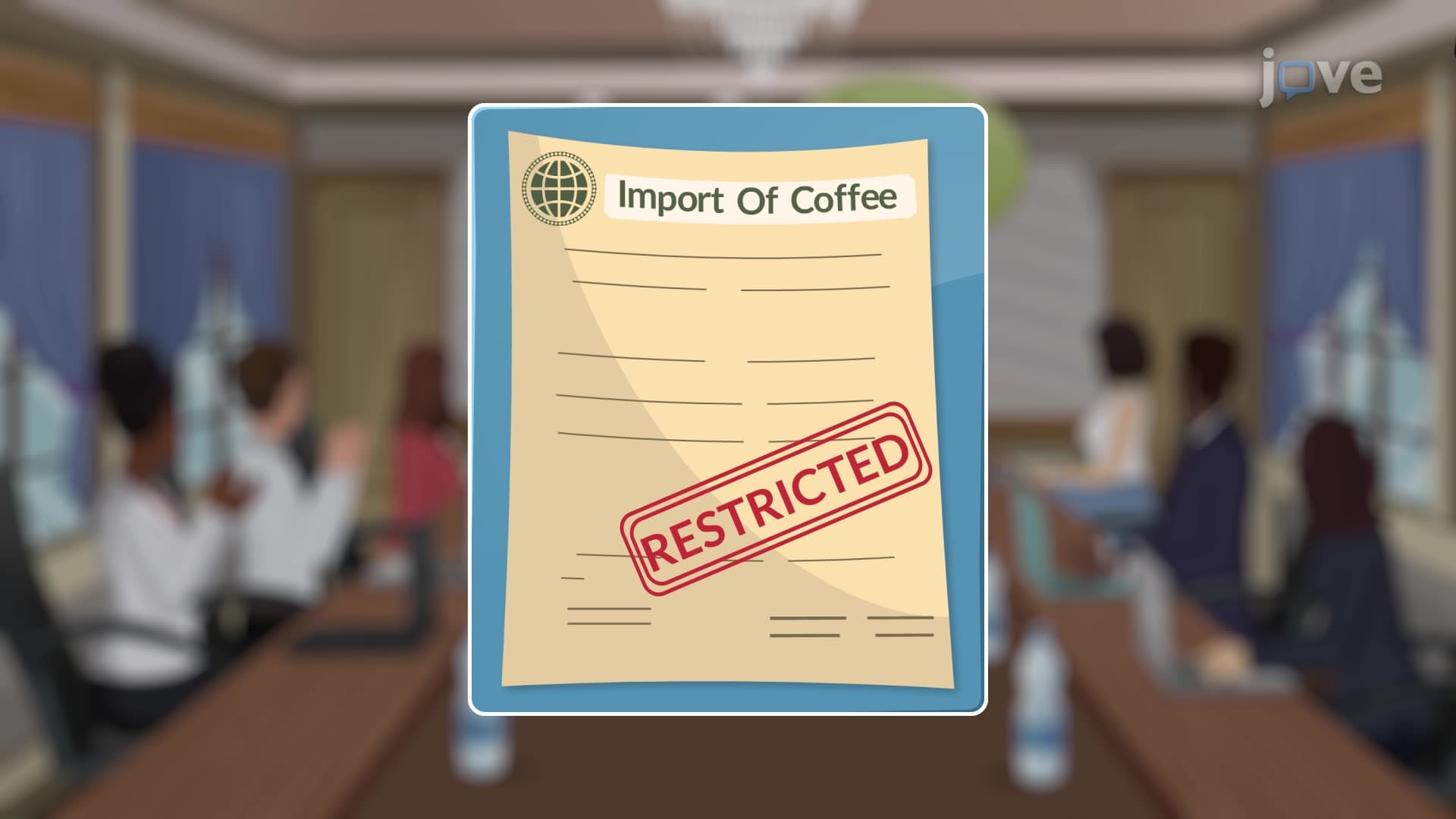
Import quotas, the most common form, restrict foreign goods entering domestic markets. The U.S. textile quota system, established under various trade agreements, limits clothing imports from specific countries to protect American manufacturers. Production quotas work differently-setting minimum or maximum output levels for domestic producers. The Federal Communications Commission, for example, uses spectrum quotas to limit how much radio frequency each broadcaster can control.
When governments impose quotas, they create predictable market distortions. Consider the U.S. sugar quota: by limiting foreign sugar imports to roughly 1.4 million tons annually, domestic sugar prices stay significantly higher than world market prices. This benefits American sugar producers through increased producer surplus but harms consumers who pay premium prices. The quota creates a "wedge" between domestic and world prices, generating what economists call quota rents-essentially windfall profits for those holding import licenses.
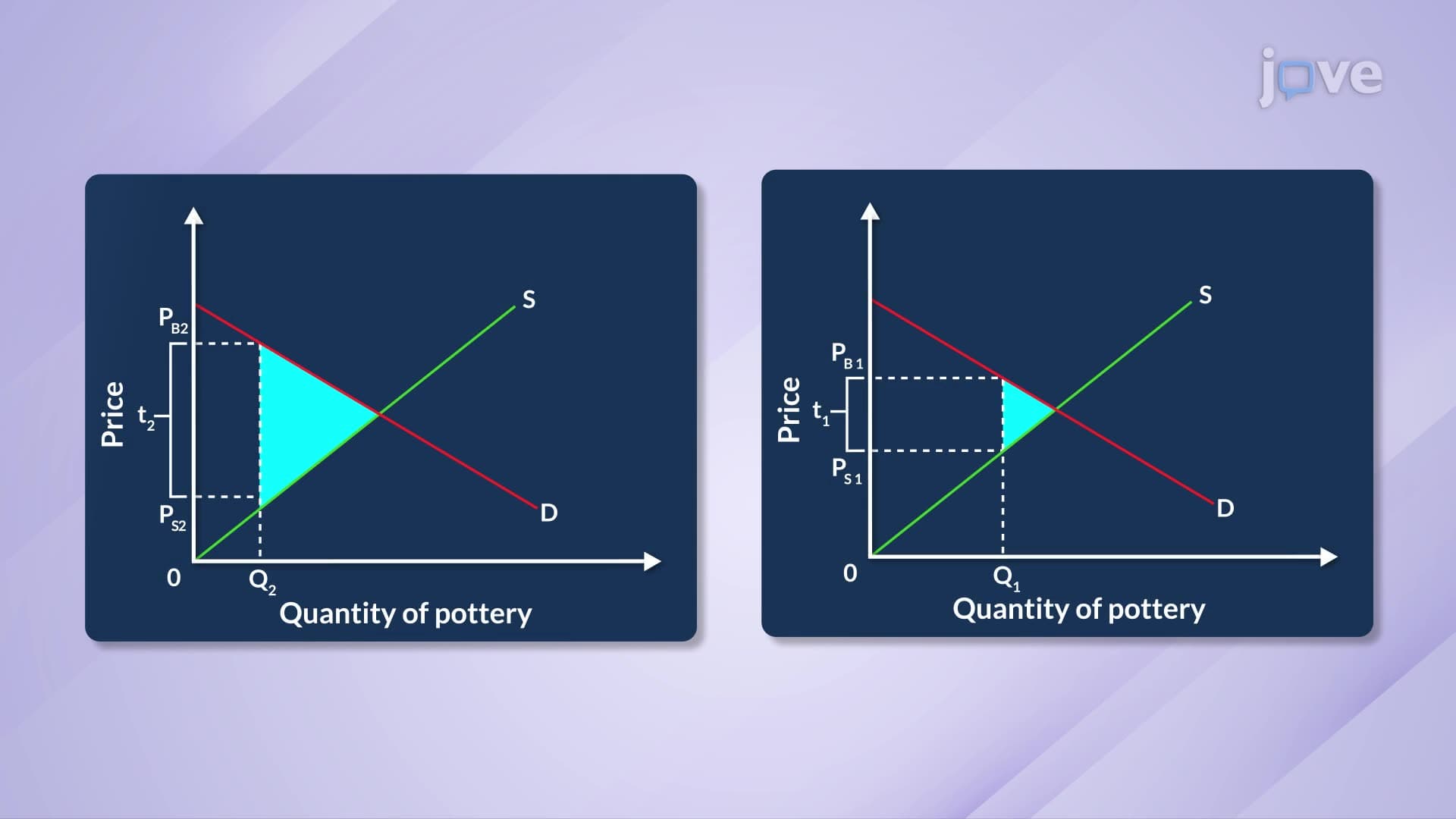
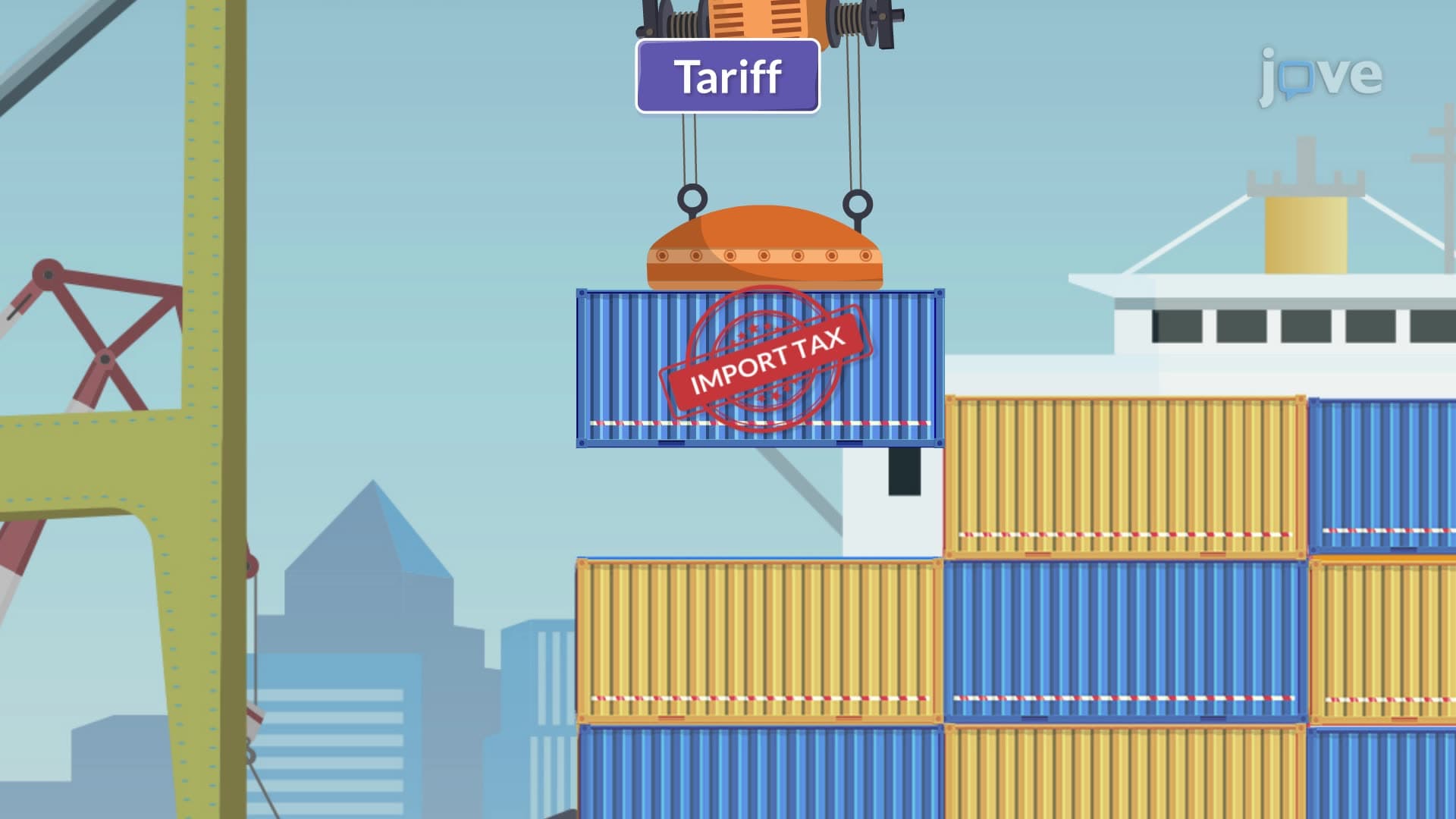
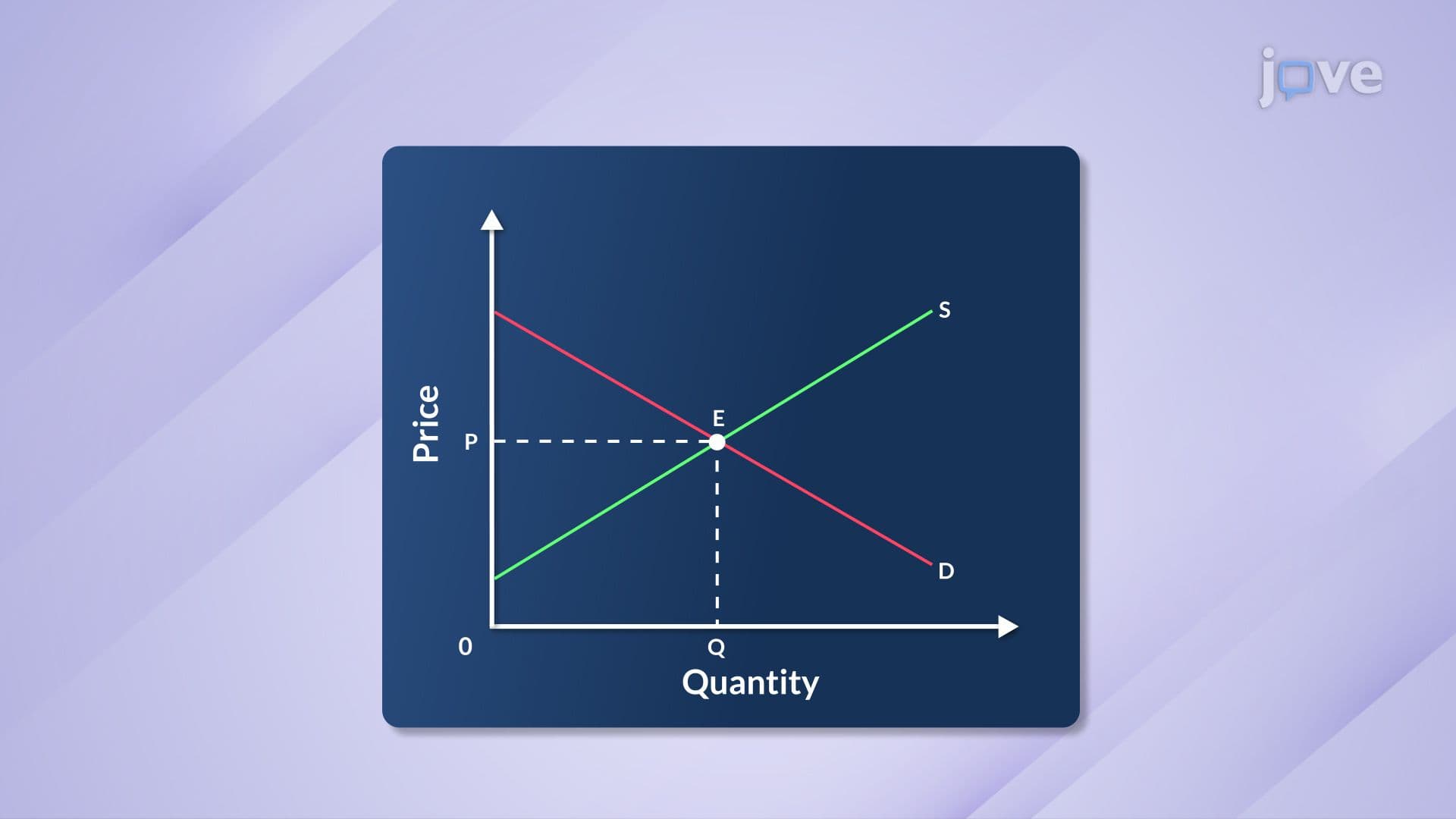
Quotas inevitably create deadweight loss-the economic value destroyed when beneficial trades cannot occur. In AP Economics courses, students learn to calculate this loss using supply and demand graphs. The restricted quantity under quota systems prevents mutually beneficial exchanges between willing buyers and sellers, reducing overall economic welfare. Unlike tariffs that generate government revenue, quotas typically transfer wealth to quota holders rather than society as a whole, making them particularly inefficient policy tools.
This concept frequently appears on college economics exams, particularly in international trade sections of AP Economics and introductory microeconomics courses, where students must analyze quota effects graphically and numerically.
Related Micro-courses