Loading subject page…

Micro-course: Analysis of Competitive Markets
2,182 views
Learn key concepts and earn your certificate.


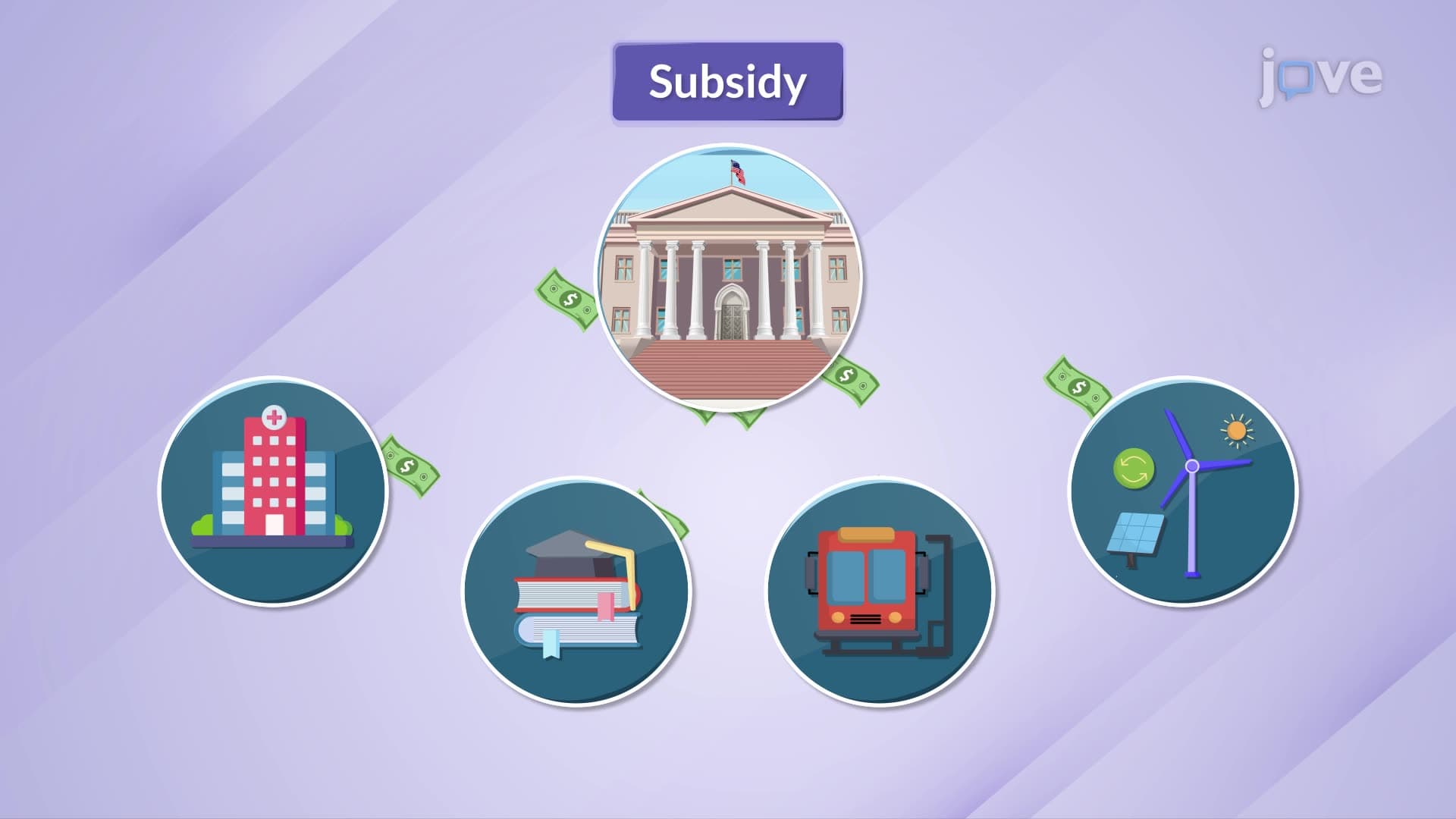
Subsidy

00:00
01:19
Video Summary: What Is Subsidy
Did you know that your morning coffee might cost twice as much without government subsidies supporting agricultural production? A subsidy is government financial assistance designed to boost production and lower consumer prices across various economic sectors. For example, the U.S. Department of Agriculture provides billions in subsidies to corn farmers, making everything from livestock feed to high-fructose corn syrup more affordable for American consumers. Understanding what is subsidy reveals how these economic interventions shape market dynamics, influence supply and demand curves, and impact both producers and consumers nationwide. Watch the full video on JoVE Coach to master this concept with expert-led visuals and step-by-step explanations.
- Understand what is subsidy and how government financial aid reduces production costs and market prices across various economic sectors
- Identify the mechanisms by which subsidies shift supply curves rightward and create measurable changes in market equilibrium
- Analyze how subsidies simultaneously increase both consumer surplus and producer surplus through lower prices and reduced production costs
- Evaluate the trade-offs between subsidy benefits and government expenditure costs using economic calculations
- Apply subsidy concepts to real-world examples like agricultural support, renewable energy incentives, and healthcare programs
- Recognize the potential negative consequences of subsidies, including deadweight loss and resource misallocation
- Compare subsidized versus unsubsidized markets to understand efficiency implications
- Explore how subsidy policies influence long-term economic behavior and market sustainability
Understanding What is Subsidy: Economic Foundation
A subsidy represents a cornerstone concept in microeconomics, functioning as government financial assistance that artificially reduces production costs or consumer prices. Unlike taxes that increase costs, subsidies work in the opposite direction-they inject money into specific economic sectors to encourage increased production, consumption, or both. This economic tool serves multiple policy objectives, from supporting struggling industries to promoting socially beneficial activities like education or renewable energy adoption.
The subsidy definition explained encompasses both direct and indirect forms of assistance. Direct subsidies involve cash payments to producers, while indirect subsidies might include tax breaks, low-interest loans, or price supports. For AP Economics students, understanding this distinction proves crucial for analyzing different policy scenarios on exams.
Market Dynamics and Supply Curve Shifts
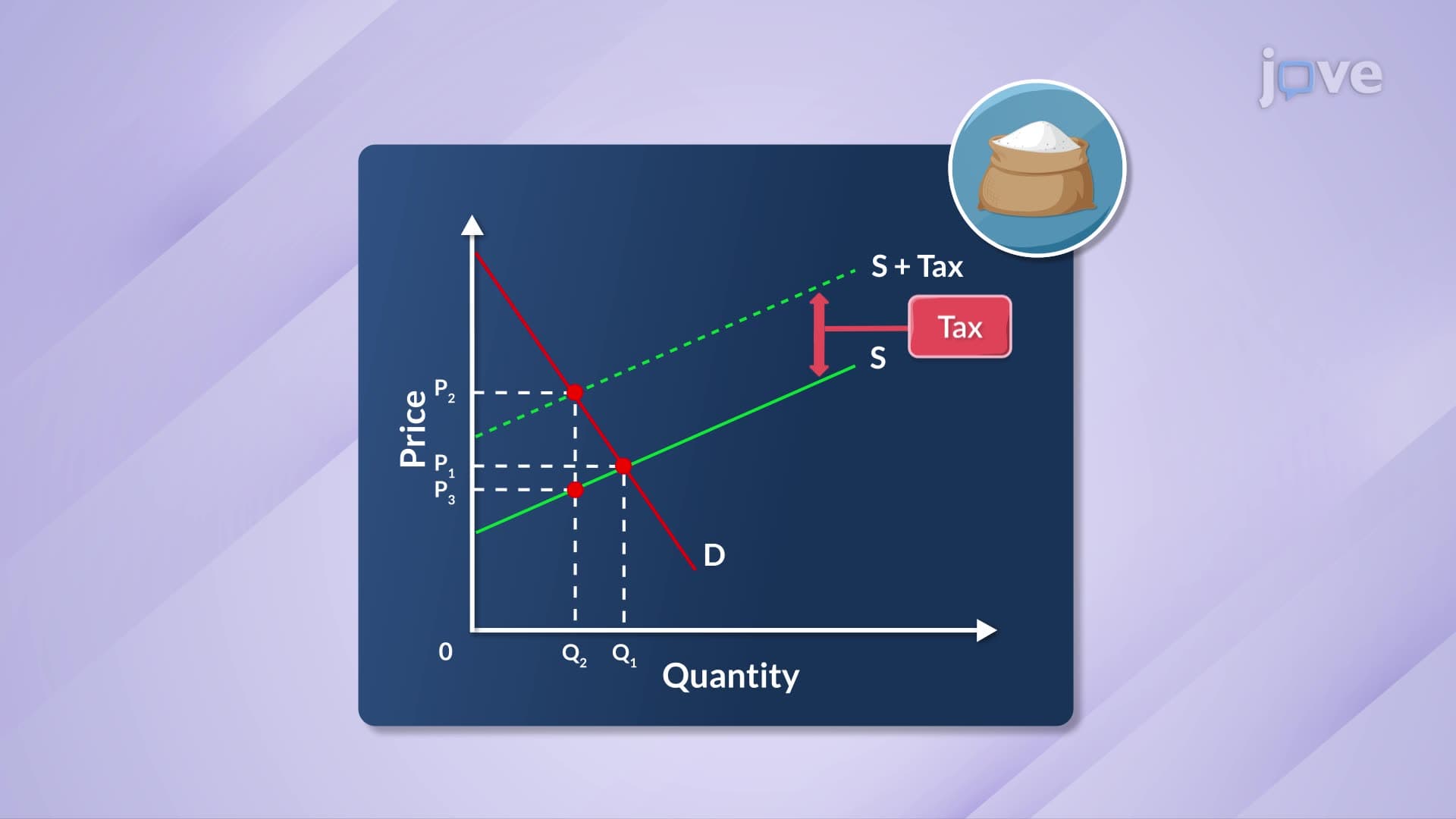
When governments implement subsidies, they fundamentally alter market equilibrium. The supply curve shifts rightward by the exact amount of the per-unit subsidy, creating a new market dynamic. This shift occurs because producers can now supply the same quantity at lower costs, or alternatively, supply more at the same price point.
Consider the U.S. ethanol industry, which receives substantial federal subsidies. These subsidies reduce production costs for ethanol manufacturers, enabling them to offer their product at lower prices while maintaining profitability. The Economic Policy Institute estimates that biofuel subsidies have saved American consumers billions of dollars at the pump over the past decade, demonstrating real-world supply curve shifts in action.
Consumer and Producer Surplus Analysis
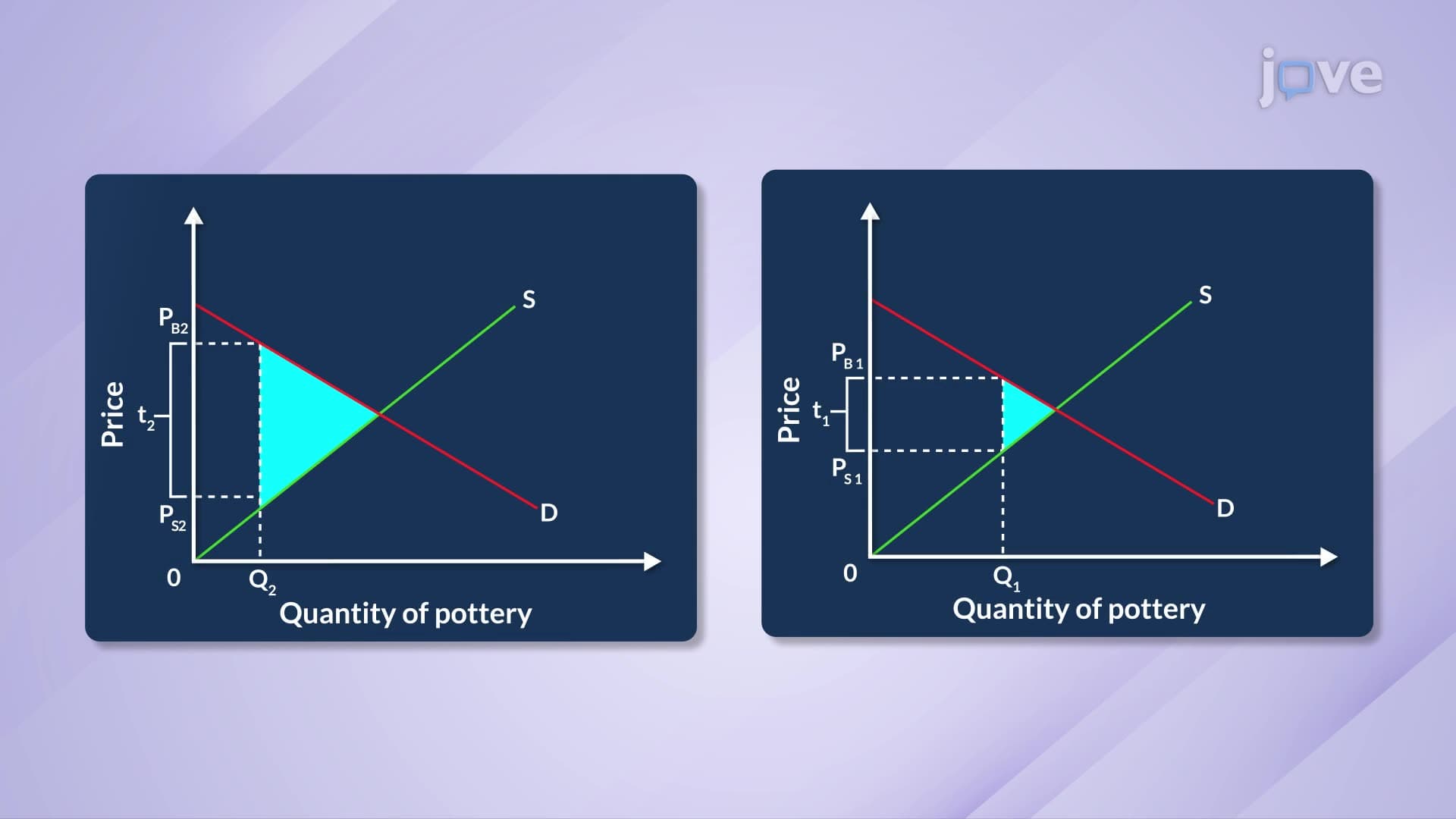
Subsidies create a win-win scenario for both consumers and producers, at least in the short term. Consumer surplus increases because buyers pay lower prices for the same goods. The area between the demand curve and the new, lower price represents this expanded consumer surplus. Students preparing for college economics courses should practice calculating these areas using basic geometry.
Producer surplus also expands, as subsidies reduce production costs while maintaining or increasing market prices received by producers. This dual benefit explains why subsidy programs often enjoy political support from both consumer groups and industry associations.
Government Expenditure and Economic Efficiency
The total cost of any subsidy program equals the per-unit subsidy multiplied by the total quantity sold. For the U.S. farm bill, this calculation reveals expenditures exceeding $20 billion annually. While these programs support rural economies and food security, they also create deadweight loss-a measure of economic inefficiency where resources are diverted from their most productive uses.
Students should recognize that subsidies, while beneficial to direct participants, impose costs on taxpayers and can lead to overproduction of subsidized goods relative to market demand.
Frequently Asked Questions
A subsidy is government money given to businesses or industries to lower their costs and reduce prices for consumers. It's like a discount that the government pays for instead of the customer, encouraging more production and consumption of specific goods or services.
AP Microeconomics frequently tests subsidy concepts through graph analysis, requiring students to identify supply curve shifts, calculate changes in consumer and producer surplus, and determine government expenditure. Practice drawing before-and-after market diagrams showing the rightward supply shift and new equilibrium point.
Major U.S. subsidies include agricultural price supports for corn and soybeans, renewable energy tax credits for solar and wind power, Pell Grants for college education, and healthcare premium subsidies under the Affordable Care Act. These programs collectively represent hundreds of billions in annual government expenditure.
Not at all-subsidy problems typically require only basic arithmetic and simple area calculations for triangles and rectangles. Most high school algebra students can master the formulas for government expenditure (subsidy per unit × quantity) and surplus changes using geometric shapes.
Focus on drawing accurate supply and demand graphs, memorize the key formulas for government cost and surplus changes, and practice with real-world examples. Create flashcards linking subsidy types (agricultural, education, energy) with their economic effects and policy objectives.
While subsidies benefit direct participants, they encourage overproduction beyond efficient market levels, diverting resources from potentially more valuable uses. This misallocation creates economic waste, even though individual consumers and producers gain from the program.
Build on subsidy knowledge by exploring taxes (which work oppositely), price controls (ceilings and floors), market failures, and government intervention policies. Understanding international trade concepts like tariffs and quotas also builds naturally from subsidy foundations.
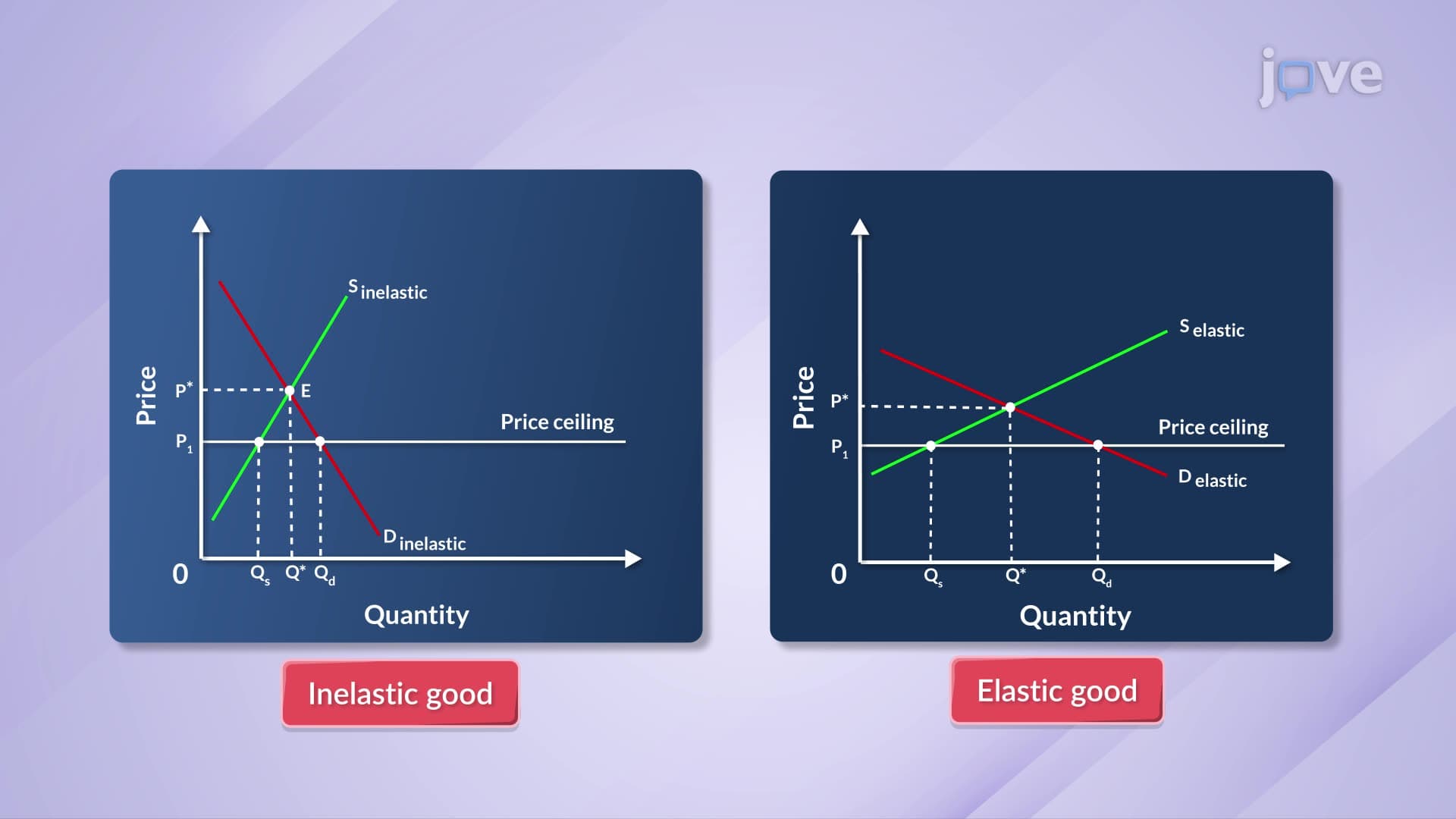
Price elasticity of demand determines how much consumer behavior changes when subsidies lower prices. Elastic goods see larger quantity increases from subsidies, while inelastic goods show smaller responses, affecting the overall efficiency and cost-effectiveness of subsidy programs.
Related Micro-courses

21 Concepts

21 Concepts