Loading subject page…


5,235 views

Video Summary: Simultaneous Shifts in Demand and Supply Analysis I
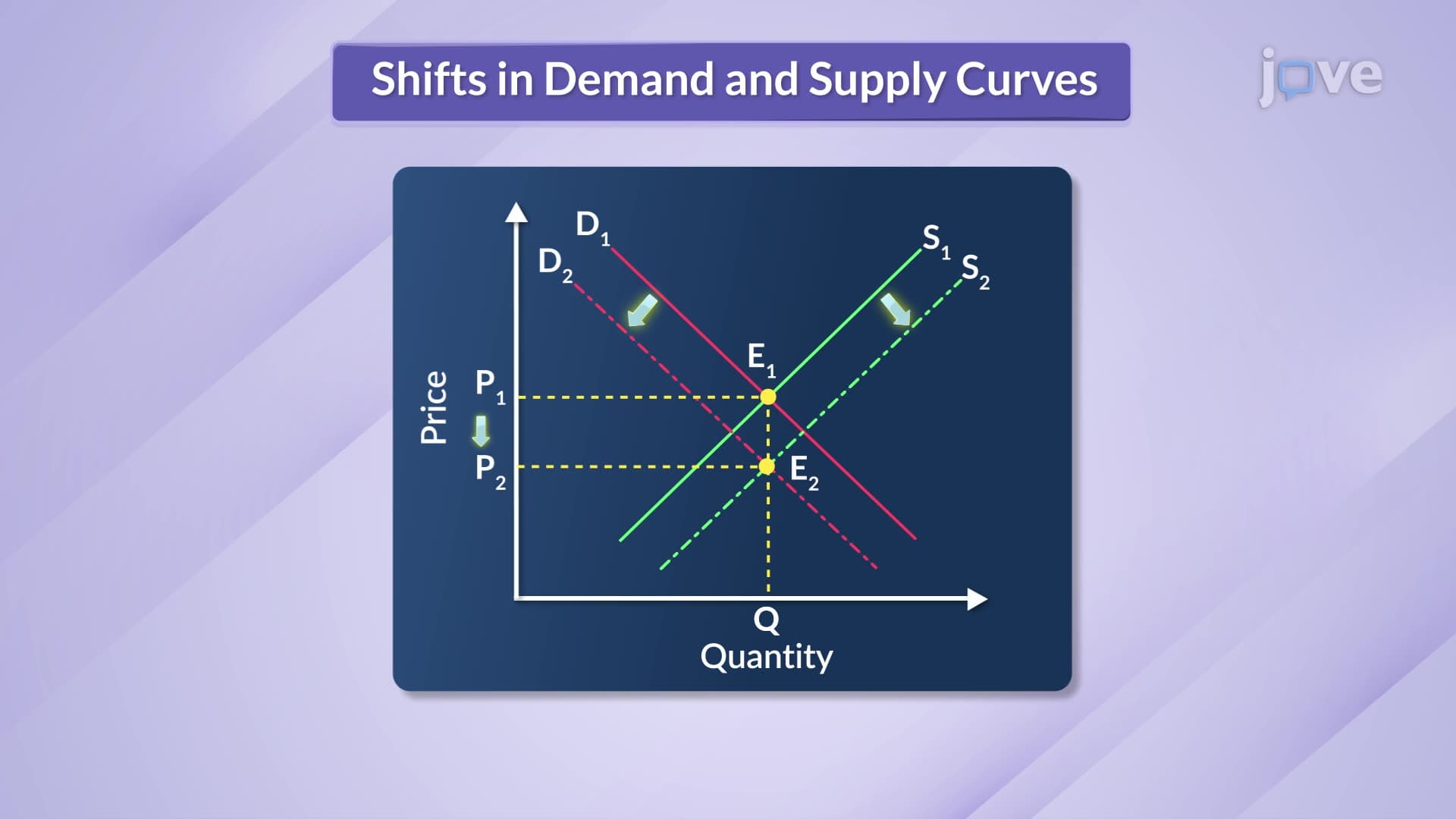
Ever wonder why gas prices sometimes stay flat despite both car sales surging and manufacturing costs dropping? Simultaneous shifts in demand and supply create fascinating market dynamics where both curves move in the same direction, making price predictions surprisingly complex. When the U.S. economy boomed in 2021, increased consumer confidence boosted car demand while technological advances reduced production costs-yet car prices didn't follow simple rules. Simultaneous Shifts in Demand and Supply: Analysis I reveals how these dual market forces interact to determine equilibrium outcomes. Watch the full video on JoVE Coach to master this concept with expert-led visuals and step-by-step explanations.
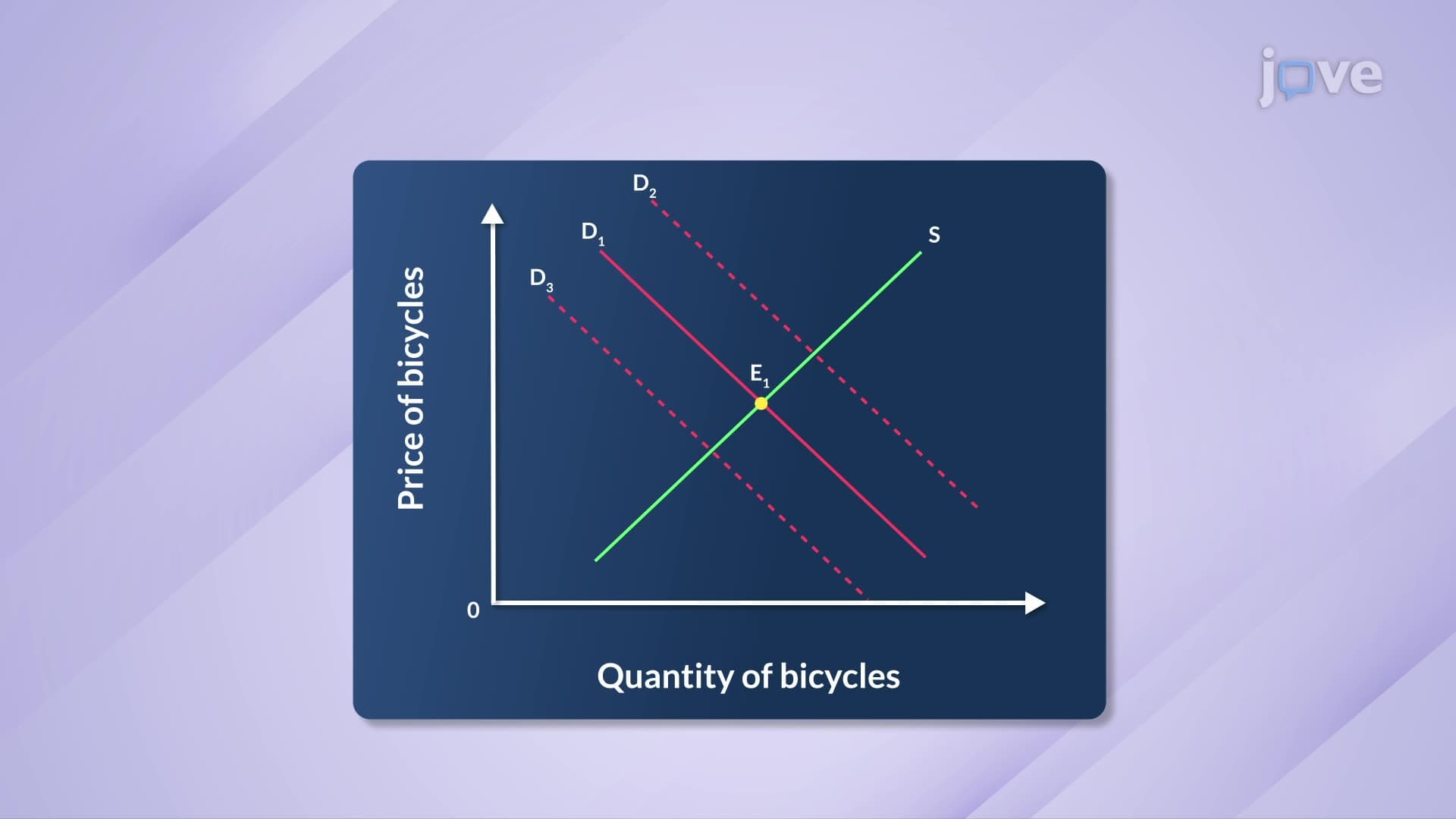
Markets rarely experience isolated changes. In the real world, multiple economic forces often push both demand and supply curves simultaneously, creating complex interactions that challenge traditional single-shift analysis. Simultaneous shifts demand supply scenarios occur frequently in dynamic economies, particularly during periods of technological advancement, economic cycles, or policy changes.
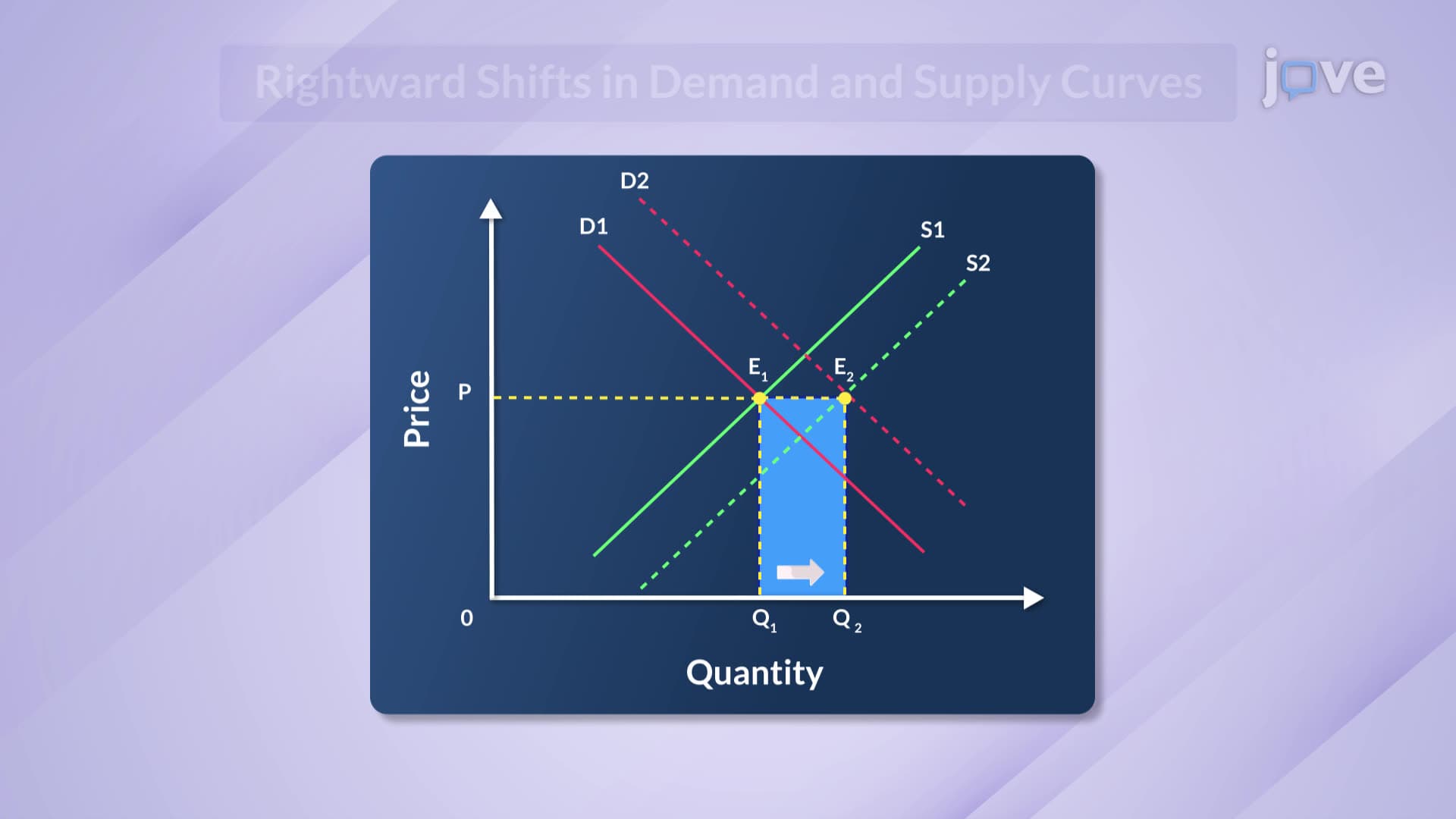
When both demand and supply increase simultaneously, markets experience predictable quantity changes but uncertain price effects. Consider the U.S. smartphone market during 2010-2015. Rising consumer incomes and tech enthusiasm shifted demand rightward, while manufacturing innovations and economies of scale shifted supply rightward. The simultaneous shifts in demand and supply analysis reveals that equilibrium quantity increased dramatically-smartphone adoption soared from 23% to 68% of Americans. However, prices remained relatively stable because both forces counteracted each other's price effects.
This simultaneous shifts demand definition becomes crucial for AP Economics students: quantity always increases with rightward simultaneous shifts, but price direction depends entirely on which shift dominates. If demand shifts more than supply, prices rise. If supply shifts more than demand, prices fall. Equal shifts maintain price stability.
Economic downturns create the opposite scenario. The 2008 financial crisis exemplified simultaneous shifts overview principles when both car demand and supply contracted. Falling incomes reduced consumer demand for vehicles, while credit constraints and rising production costs forced manufacturers to cut output. Both curves shifted leftward simultaneously, guaranteeing decreased equilibrium quantity-U.S. auto sales dropped from 16.1 million to 10.4 million units between 2007-2009.
Simultaneous shifts in demand and supply analysis study guide materials emphasize graphical analysis skills essential for SAT Subject Tests, AP Microeconomics exams, and college economics courses. Students must master drawing dual curve shifts and identifying the definite (quantity) versus uncertain (price) outcomes. Simultaneous shifts demand notes should include step-by-step approaches: first identify the economic factors, then determine shift directions, finally analyze equilibrium changes by comparing shift magnitudes.
Related Micro-courses