Loading subject page…


5,235 views

Video Summary: Simultaneous Shifts in Demand and Supply Analysis Ii
Why did Tesla's stock price soar while traditional automakers struggled during 2020-2022? Simultaneous shifts demand supply dynamics explain this market phenomenon perfectly. When consumer preferences shifted toward electric vehicles (increased demand) while semiconductor shortages reduced traditional car production (decreased supply), prices rose dramatically. Simultaneous Shifts in Demand and Supply: Analysis II reveals how opposing market forces create complex pricing scenarios that challenge basic supply-demand predictions. Watch the full video on JoVE Coach to master this concept with expert-led visuals and step-by-step explanations.
Market dynamics rarely occur in isolation. Simultaneous shifts in demand and supply represent sophisticated economic scenarios where multiple market forces operate concurrently, creating outcomes that single-shift analysis cannot predict. This advanced concept builds upon fundamental supply-demand principles, requiring students to synthesize multiple variables simultaneously.
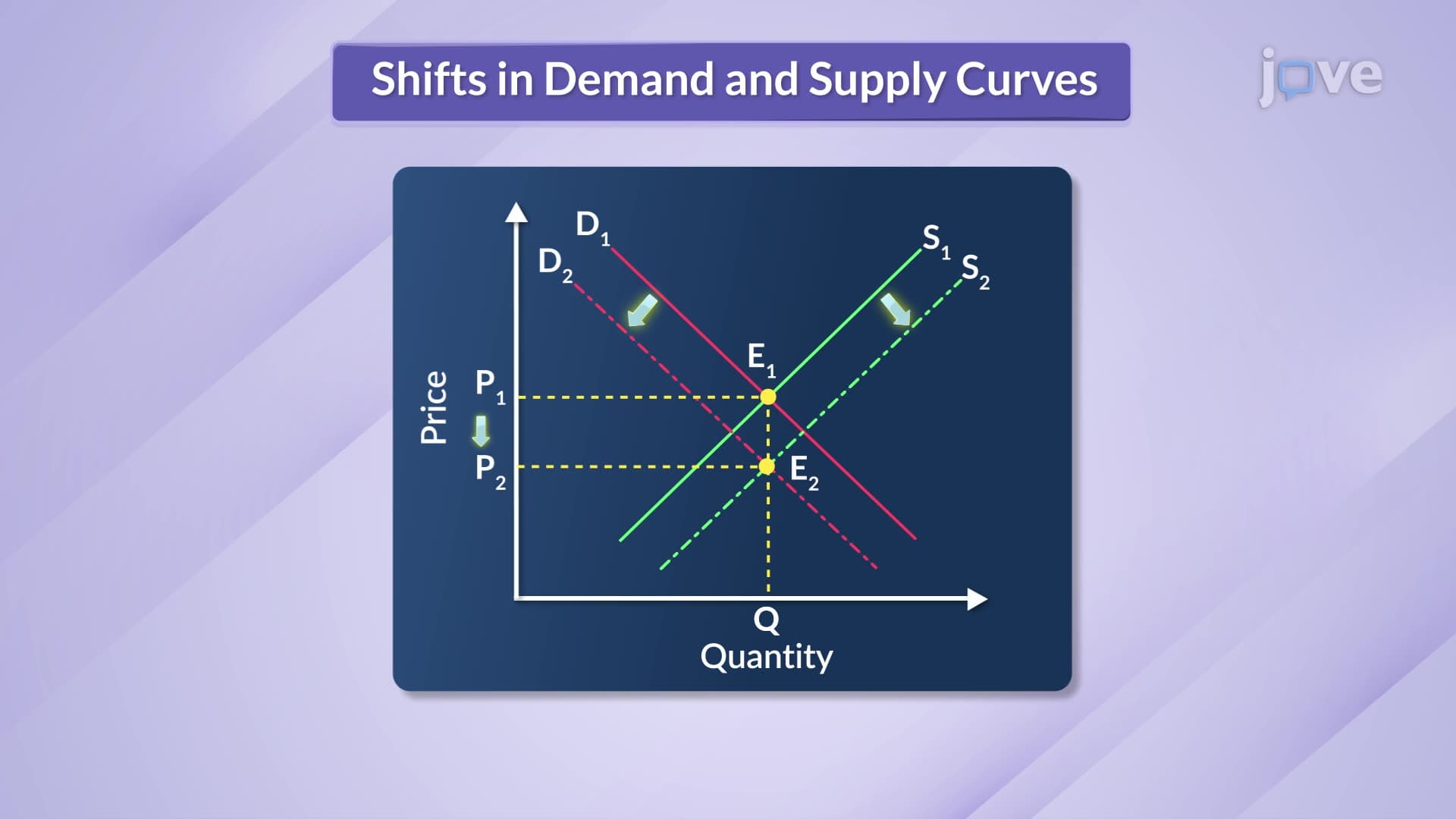
When demand and supply shift in opposite directions, economists can confidently predict price changes but face uncertainty regarding quantity effects. Consider the simultaneous shifts demand supply scenario in the U.S. housing market during 2021-2022. Pandemic-driven lifestyle changes increased demand for suburban homes (rightward demand shift), while supply chain disruptions and labor shortages reduced construction capacity (leftward supply shift). The result? Housing prices increased predictably, but whether more or fewer homes sold depended on which shift dominated.
This simultaneous shifts overview principle applies across markets. In the semiconductor industry, artificial intelligence applications drove massive demand increases while geopolitical tensions reduced supply availability. Chip prices rose substantially, but total quantity traded varied by specific market segments and shift magnitudes.
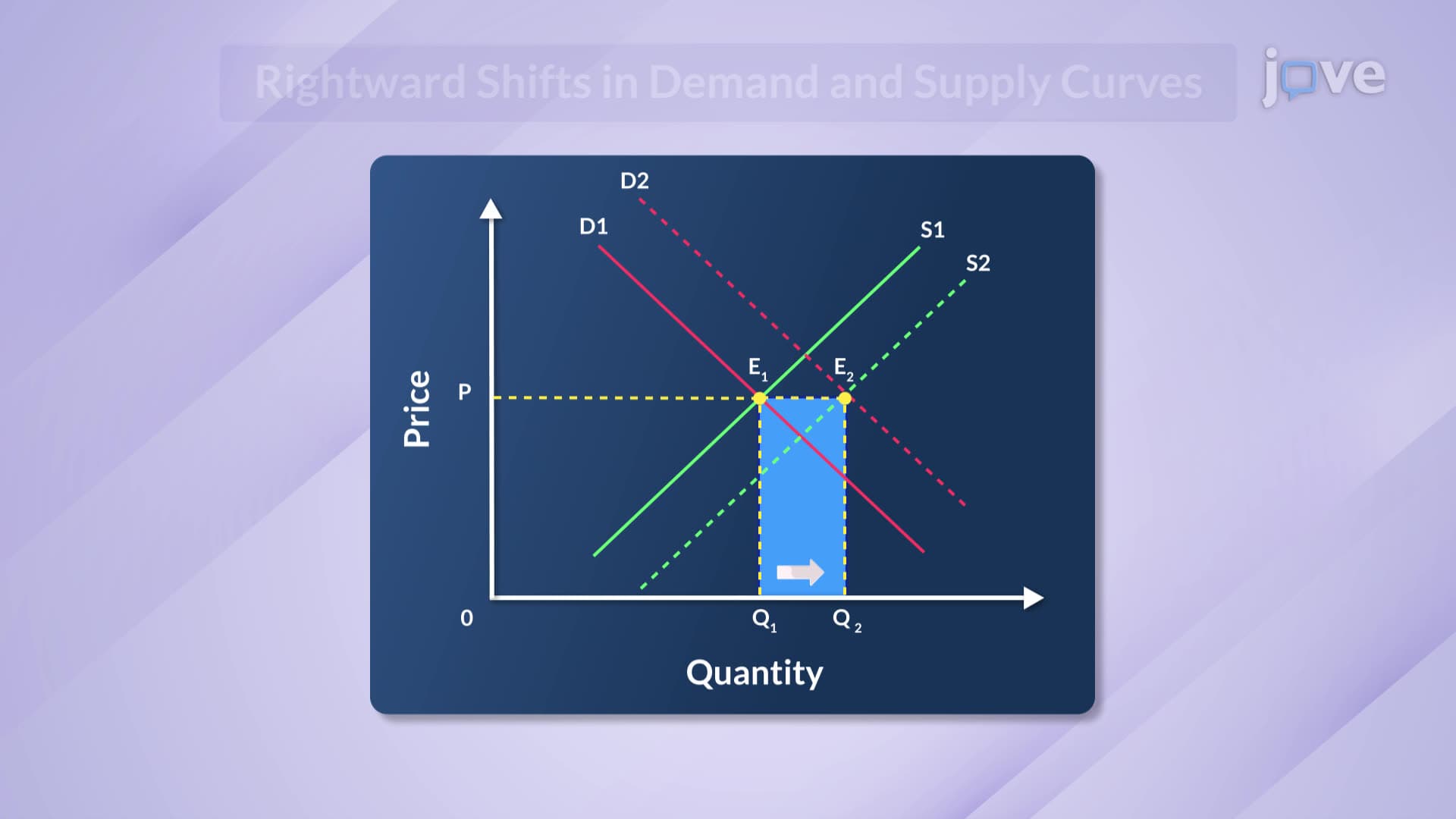
The simultaneous shifts demand definition encompasses scenarios where the final equilibrium quantity depends entirely on relative shift sizes. If demand increases more dramatically than supply decreases, quantity rises despite supply constraints. Conversely, if supply reduction exceeds demand growth, quantity falls even with increased consumer interest.
AP Economics students frequently encounter these scenarios in free-response questions. The College Board emphasizes graphical analysis showing both curves shifting simultaneously, requiring students to identify the new equilibrium point and explain their reasoning. SAT Subject Test questions also feature simultaneous shifts in demand and supply analysis problems, particularly in microeconomics contexts.
Healthcare markets exemplify complex simultaneous shifts. During COVID-19, telehealth demand surged (rightward demand shift) while provider availability decreased due to safety protocols (leftward supply shift). Consultation fees increased, but total appointments varied by specialty and region.
The simultaneous shifts in demand and supply analysis study guide approach requires understanding external factors driving these movements. Regulatory changes, technological breakthroughs, demographic shifts, and economic policies all contribute to simultaneous market pressures. Students preparing for college economics courses benefit from practicing graphical analysis and mathematical calculations determining new equilibrium points under various shift scenarios.
Related Micro-courses