Loading subject page…

- Microeconomics
- Market Equilibrium
- Market Equilibrium
Micro-course: Market Equilibrium
5,235 views
Learn key concepts and earn your certificate.



Market Equilibrium

00:00
01:16
Video Summary: What Is Market Equilibrium
Ever wonder why gas prices don't skyrocket to $20 per gallon overnight? Market equilibrium prevents such chaos by naturally balancing supply and demand forces in any marketplace. This fundamental economic principle occurs when the quantity of goods suppliers want to sell exactly matches what consumers want to buy. Take the U.S. housing market-when home prices reach a point where buyers and sellers agree, that's market equilibrium in action. Watch the full video on JoVE Coach to master this concept with expert-led visuals and step-by-step explanations.
- Understand what market equilibrium represents and why it's the foundation of price stability in free markets
- Identify the equilibrium point where supply and demand curves intersect on economic graphs
- Analyze how equilibrium price (market-clearing price) ensures both buyers and sellers achieve satisfaction
- Compare equilibrium quantity with surplus and shortage conditions in various market scenarios
- Evaluate factors that shift market equilibrium, including consumer preferences, production costs, and regulations
- Apply equilibrium concepts to real-world markets like agriculture, technology, and labor economics
- Recognize the dynamic nature of market equilibrium and how it adjusts to changing economic conditions
- Explore the relationship between market efficiency and equilibrium in competitive markets
Understanding Market Equilibrium Fundamentals
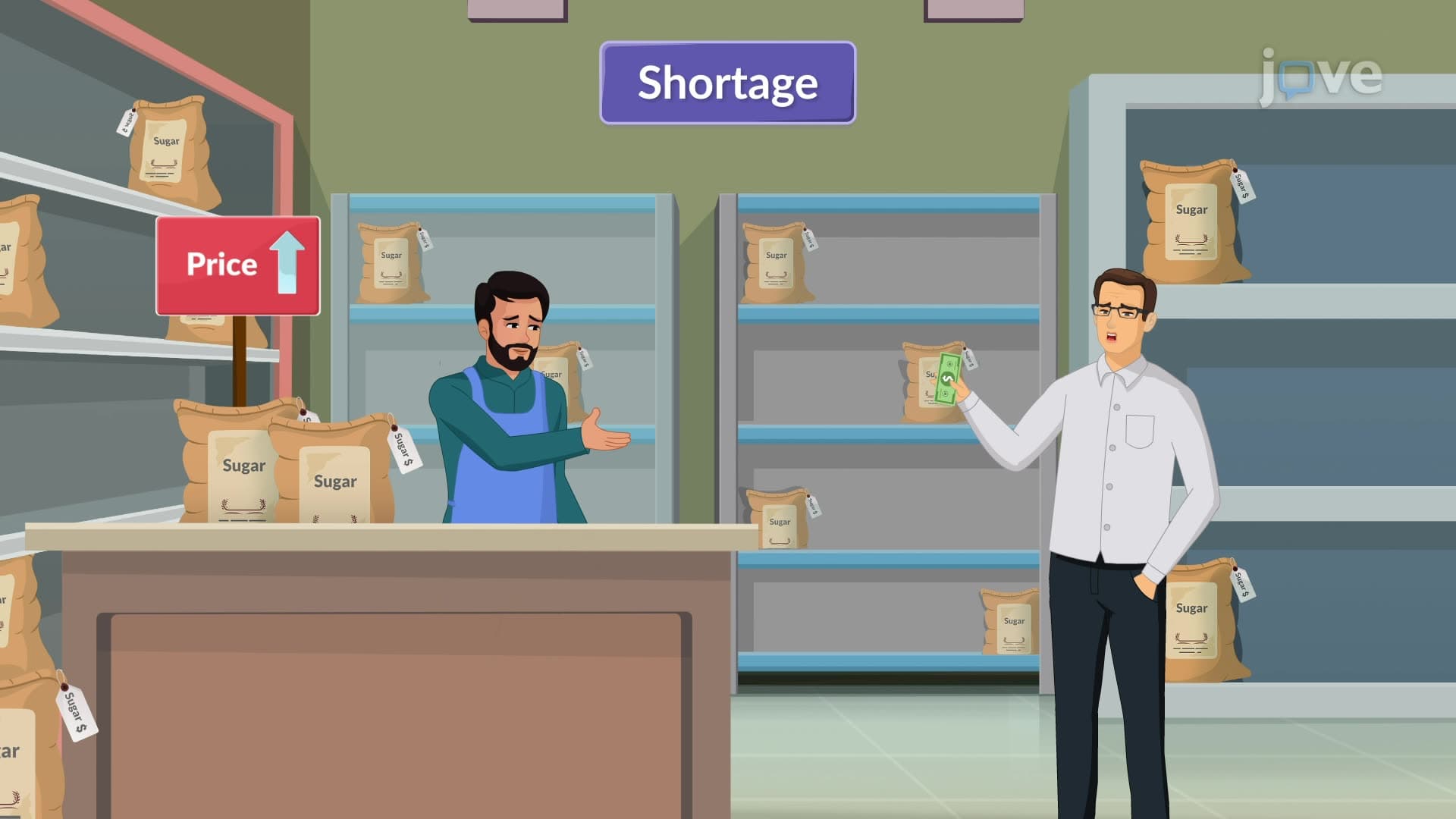
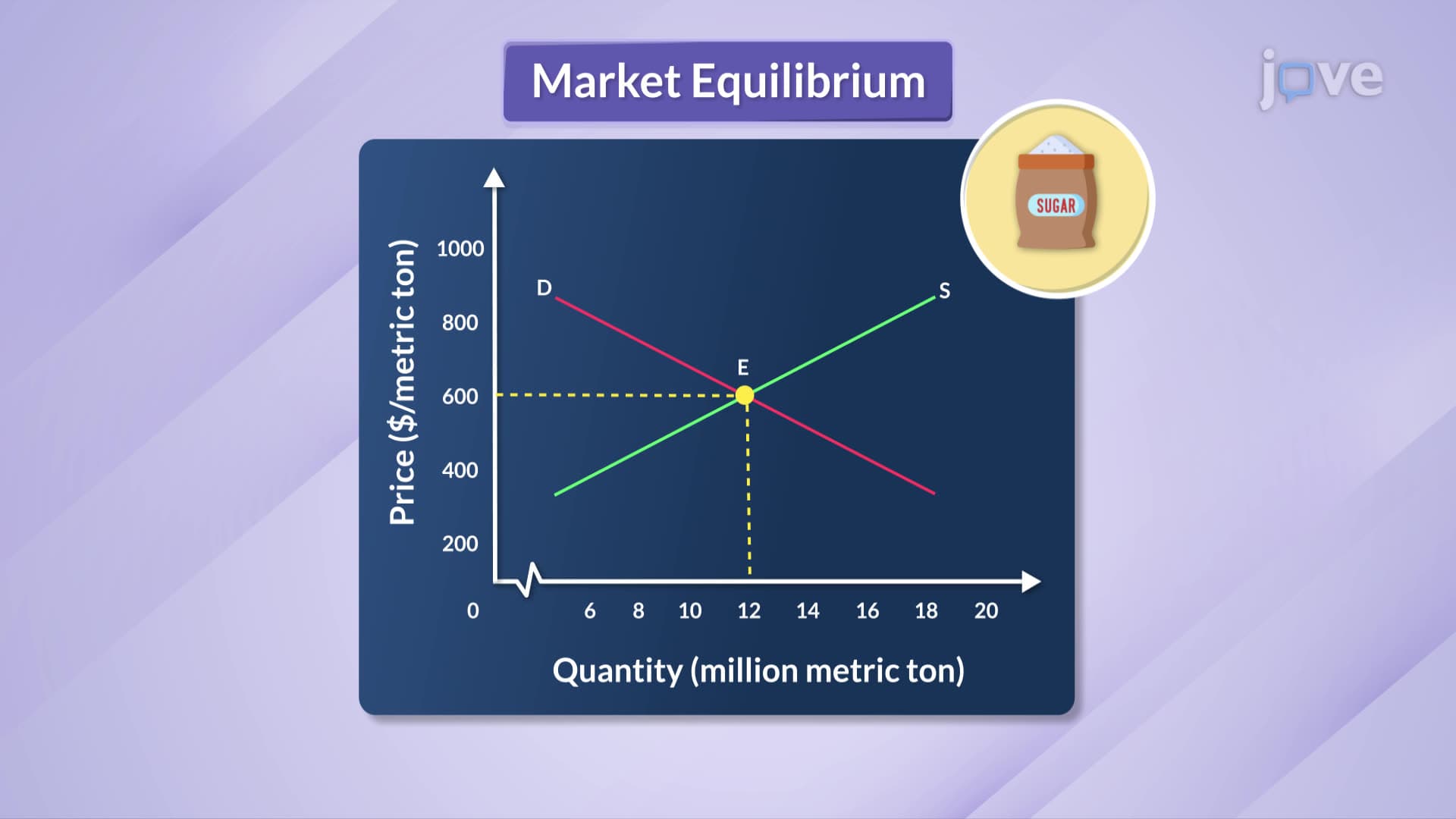
Market equilibrium represents one of economics' most elegant concepts-the natural balance point where market forces achieve stability. Unlike the simplified sugar market example, real-world equilibrium involves complex interactions between millions of buyers and sellers, each making individual decisions that collectively determine prices.
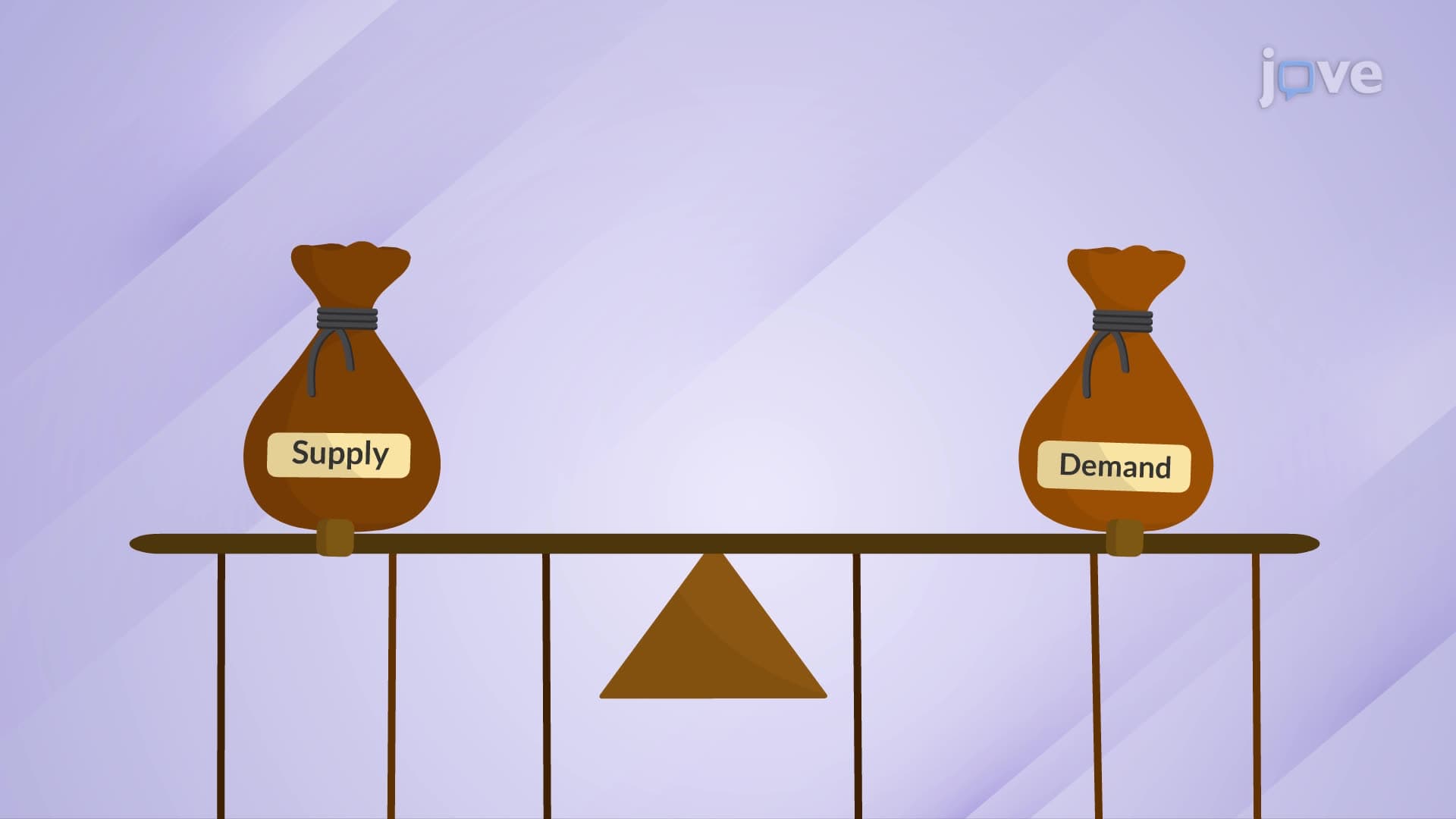
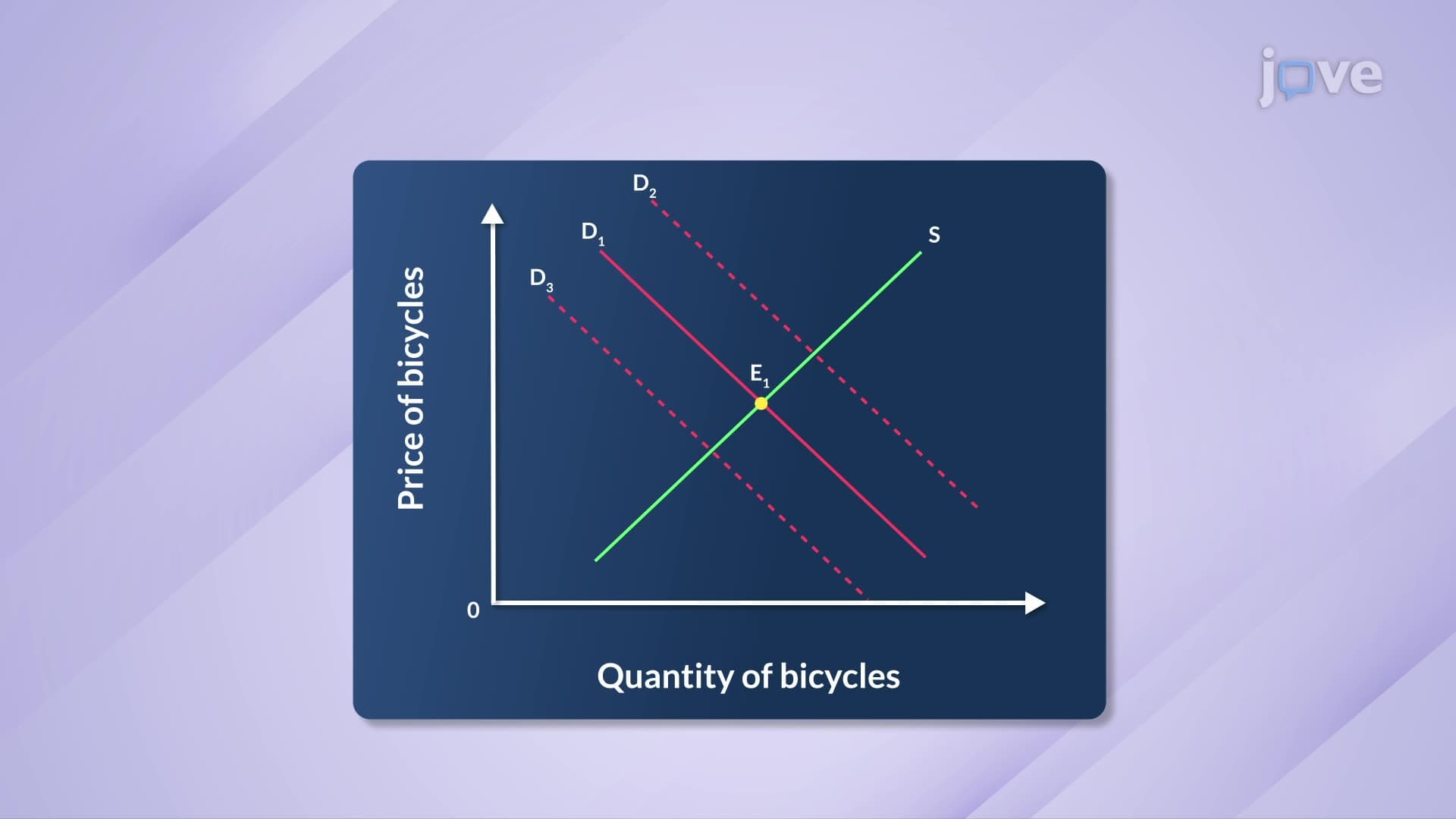
The equilibrium price, also called the market-clearing price, isn't arbitrary. It emerges from the intersection of supply and demand curves, representing the exact price where every willing buyer finds a willing seller. At this price point, there's no excess supply (surplus) or excess demand (shortage)-the market "clears" completely.
Real-World Market Equilibrium Examples
Consider the U.S. smartphone market. When Apple releases a new iPhone, initial high prices might create excess demand (shortages), leading to long lines and waitlists. Over time, as production increases and initial excitement wanes, prices adjust downward until equilibrium is reached. Similarly, in the labor market, cities like Seattle have seen minimum wage increases shift equilibrium, affecting both employment levels and wage rates.
The stock market provides another dynamic example. Tesla's stock price fluctuates constantly as supply (shares available for sale) meets demand (investor willingness to buy) at different price levels throughout each trading day.
Factors That Shift Market Equilibrium
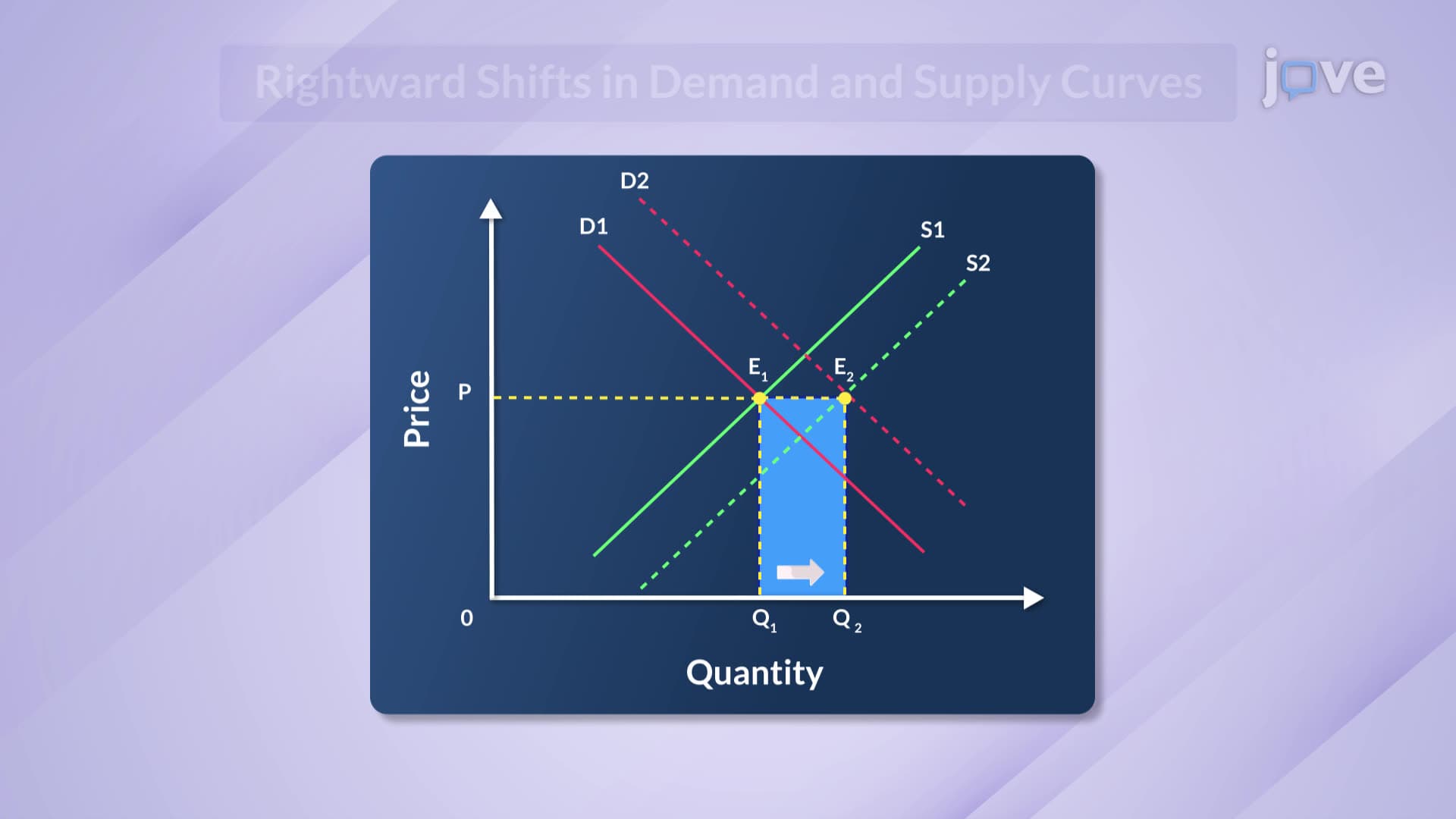
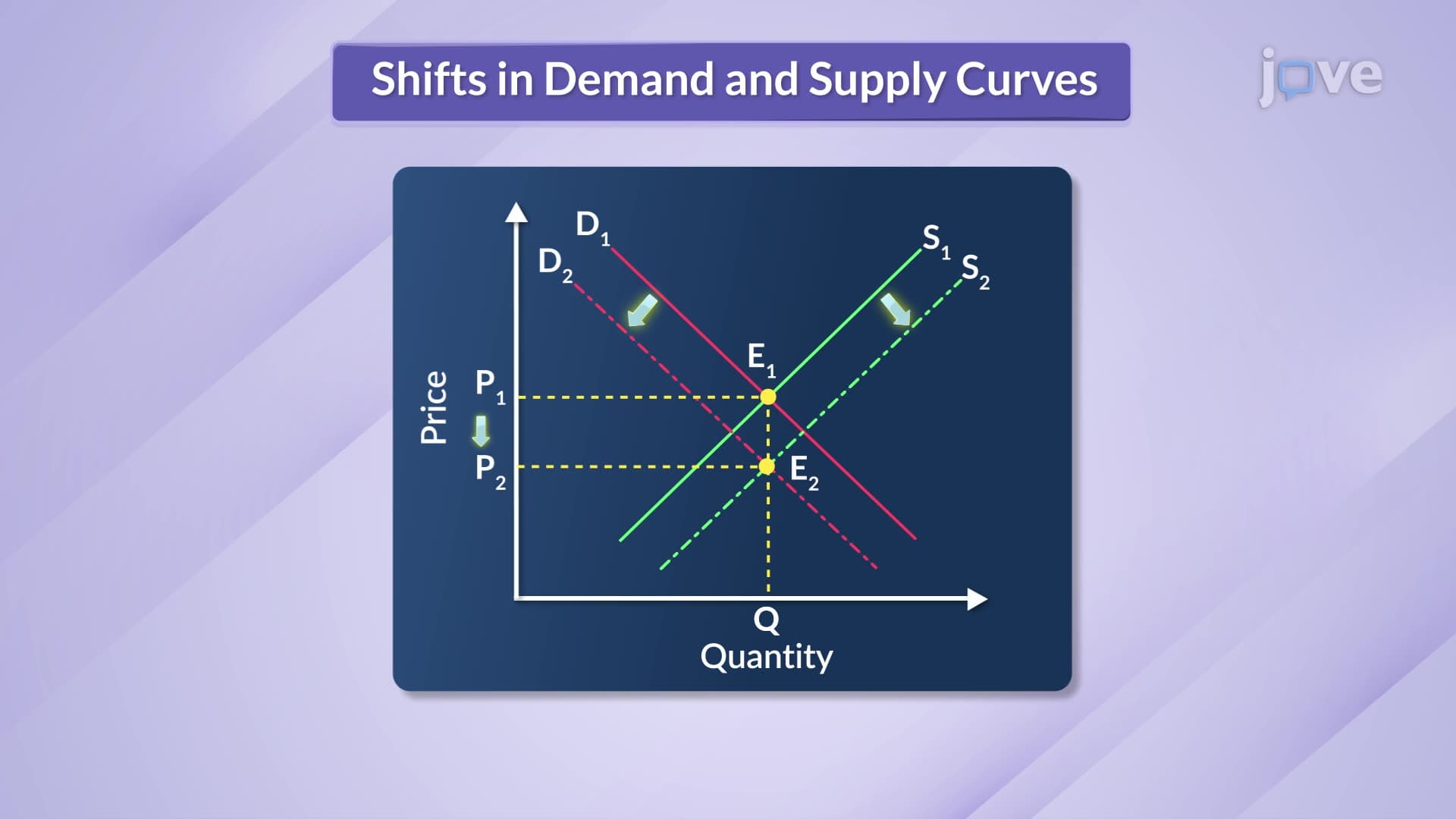
Market equilibrium isn't static-it continuously adjusts to changing conditions. Demand shifters include consumer income changes, population growth, and preference shifts. When Americans increasingly preferred SUVs over sedans in the 2010s, automobile market equilibrium shifted accordingly.
Supply shifters encompass production costs, technology improvements, and regulatory changes. The U.S. energy market experienced dramatic equilibrium shifts when fracking technology reduced oil extraction costs, fundamentally changing supply curves and equilibrium prices.
Government intervention also affects equilibrium. Price floors (like minimum wage) and price ceilings (like rent control in New York City) prevent markets from reaching natural equilibrium, often creating persistent shortages or surpluses.
Academic and Exam Applications
For AP Economics students, market equilibrium questions frequently appear on both multiple-choice and free-response sections. Common scenarios involve graphing supply and demand shifts and calculating new equilibrium points. College microeconomics courses build on this foundation, exploring consumer and producer surplus areas around equilibrium points.
Understanding equilibrium helps students analyze market efficiency and deadweight loss-crucial concepts for advanced economic study and standardized tests like the GRE Economics subject test.
Frequently Asked Questions
Market equilibrium occurs when supply exactly equals demand, creating a stable price where all willing buyers and sellers can complete transactions. It's crucial because it represents maximum market efficiency, ensuring resources are allocated optimally without waste or shortage.
AP Economics frequently tests equilibrium through graph analysis, requiring students to identify intersection points and calculate changes when supply or demand shifts. Students must also explain how external factors like taxes or subsidies affect equilibrium price and quantity.
Markets experience either surplus (excess supply) or shortage (excess demand), creating pressure for prices to change. These imbalances trigger automatic market forces that push prices toward equilibrium, though government interventions can sometimes prevent this natural adjustment.
Housing markets demonstrate equilibrium through regional price variations-expensive cities like San Francisco reflect high demand relative to supply, while affordable areas like Cleveland show the opposite. Market forces continuously work to balance buyer demand with available housing supply.
Not at all! Market equilibrium concepts use basic algebra and graph reading skills taught in high school. The key is understanding the logical relationship between supply, demand, and price rather than complex mathematical calculations.
Practice drawing and shifting supply and demand curves while explaining your reasoning aloud. Focus on real-world examples like gas prices or concert tickets to make abstract concepts concrete, and work through practice problems that combine multiple market changes.
Companies analyze supply and demand data to set optimal pricing strategies, determine production levels, and predict market responses to new products. For example, streaming services like Netflix use equilibrium principles when setting subscription prices to maximize both subscriber numbers and revenue.
Build on equilibrium knowledge by exploring consumer and producer surplus, elasticity of demand and supply, and market failures. These advanced topics deepen your understanding of how markets function and when government intervention might be necessary.
Related Micro-courses