Loading subject page…

- Microeconomics
- Market Equilibrium
- Price Gouging
Micro-course: Market Equilibrium
5,235 views
Learn key concepts and earn your certificate.


Price Gouging

00:00
01:20
Video Summary: What Is Price Gouging
Why did a simple bottle of water cost $20 after Hurricane Katrina hit New Orleans? Price gouging occurs when sellers dramatically raise prices during emergencies or disasters, exploiting sudden spikes in demand or supply shortages. This controversial practice transforms everyday essentials into expensive commodities precisely when consumers are most vulnerable. Watch the full video on JoVE Coach to master this concept with expert-led visuals and step-by-step explanations.
- Understand what is price gouging and how it emerges during market disruptions caused by emergencies or natural disasters
- Identify the economic factors that drive sellers to implement dramatic price increases during crisis situations
- Analyze the dual role of price mechanisms in both resource allocation and creating ethical dilemmas during emergencies
- Compare different perspectives on price gouging, including free-market arguments versus social equity concerns
- Evaluate the effectiveness of anti-price gouging laws implemented by various US states during declared emergencies
- Apply economic principles to explain why price increases can both prevent shortages and harm vulnerable populations
- Recognize real-world examples of price gouging in US disasters and their impact on different socioeconomic groups
- Explore alternative government interventions that address emergency resource distribution without relying on price mechanisms
What is Price Gouging: Understanding Market Disruption
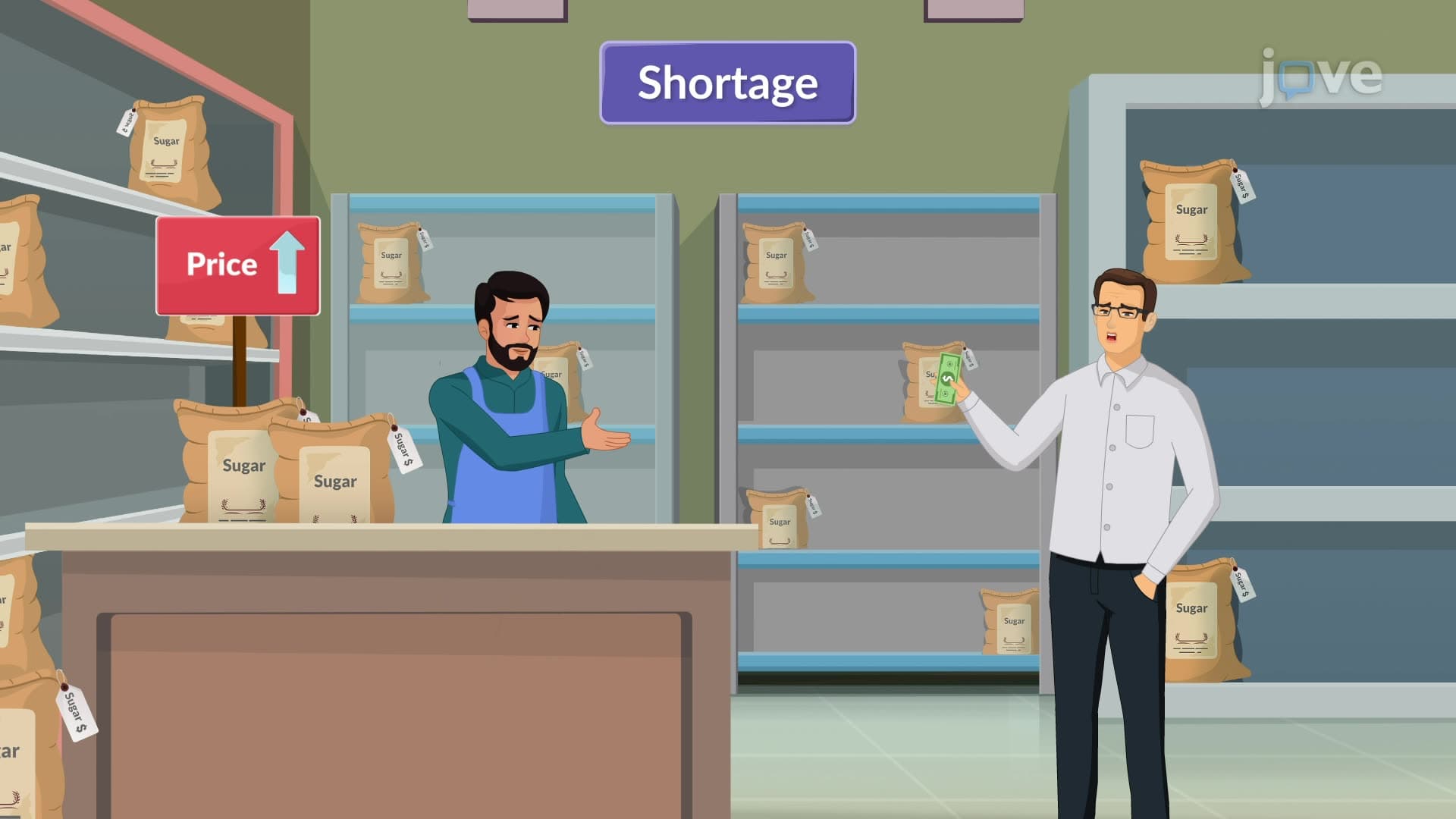
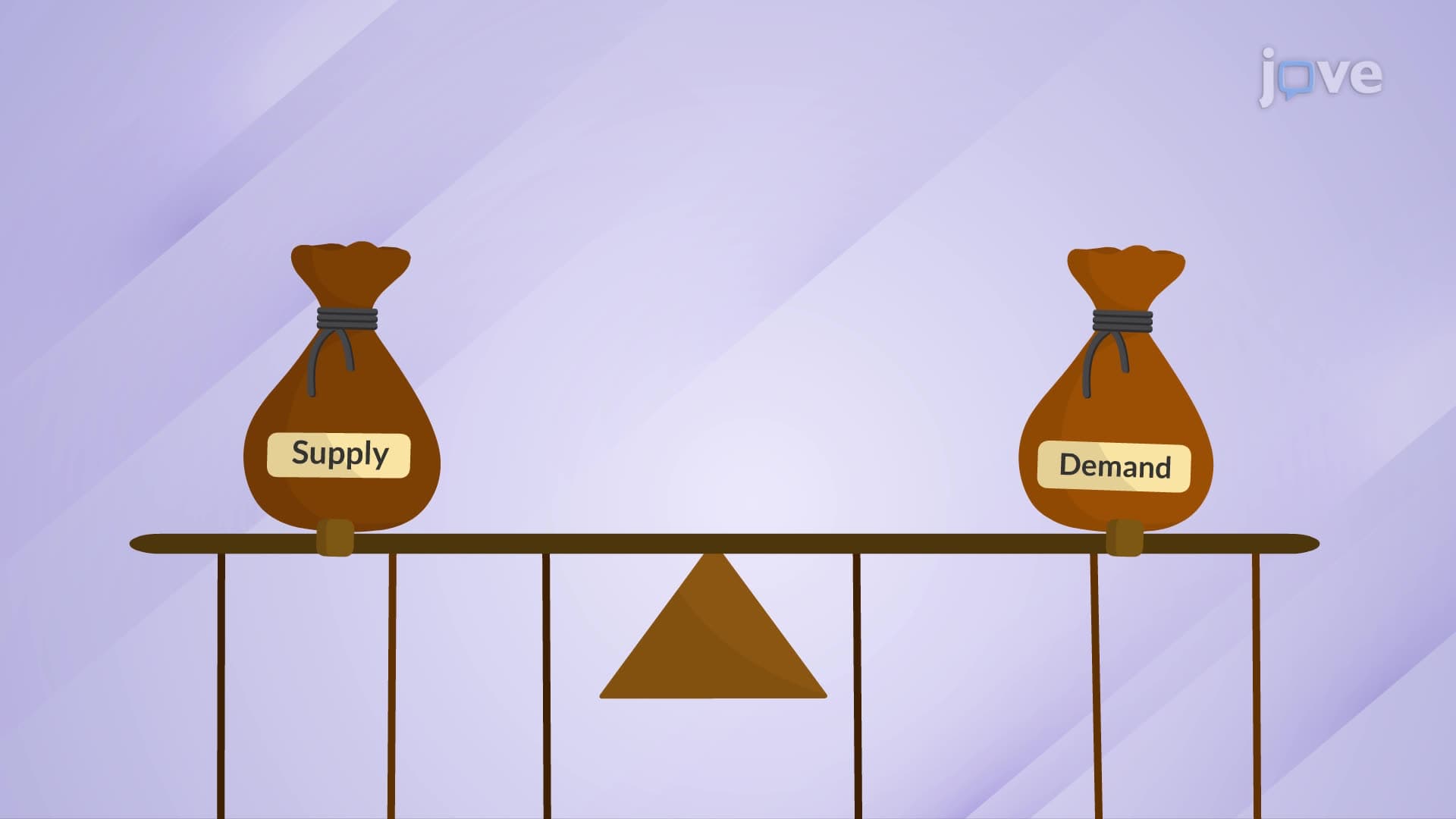
Price gouging represents one of the most contentious intersections between economics and ethics in modern markets. This practice occurs when sellers exploit emergency situations by charging significantly higher prices than normal for essential goods and services. Unlike standard market fluctuations, price gouging specifically targets moments of consumer vulnerability, when demand surges or supply chains collapse due to disasters, emergencies, or crisis events.
Economic Mechanisms Behind Price Gouging
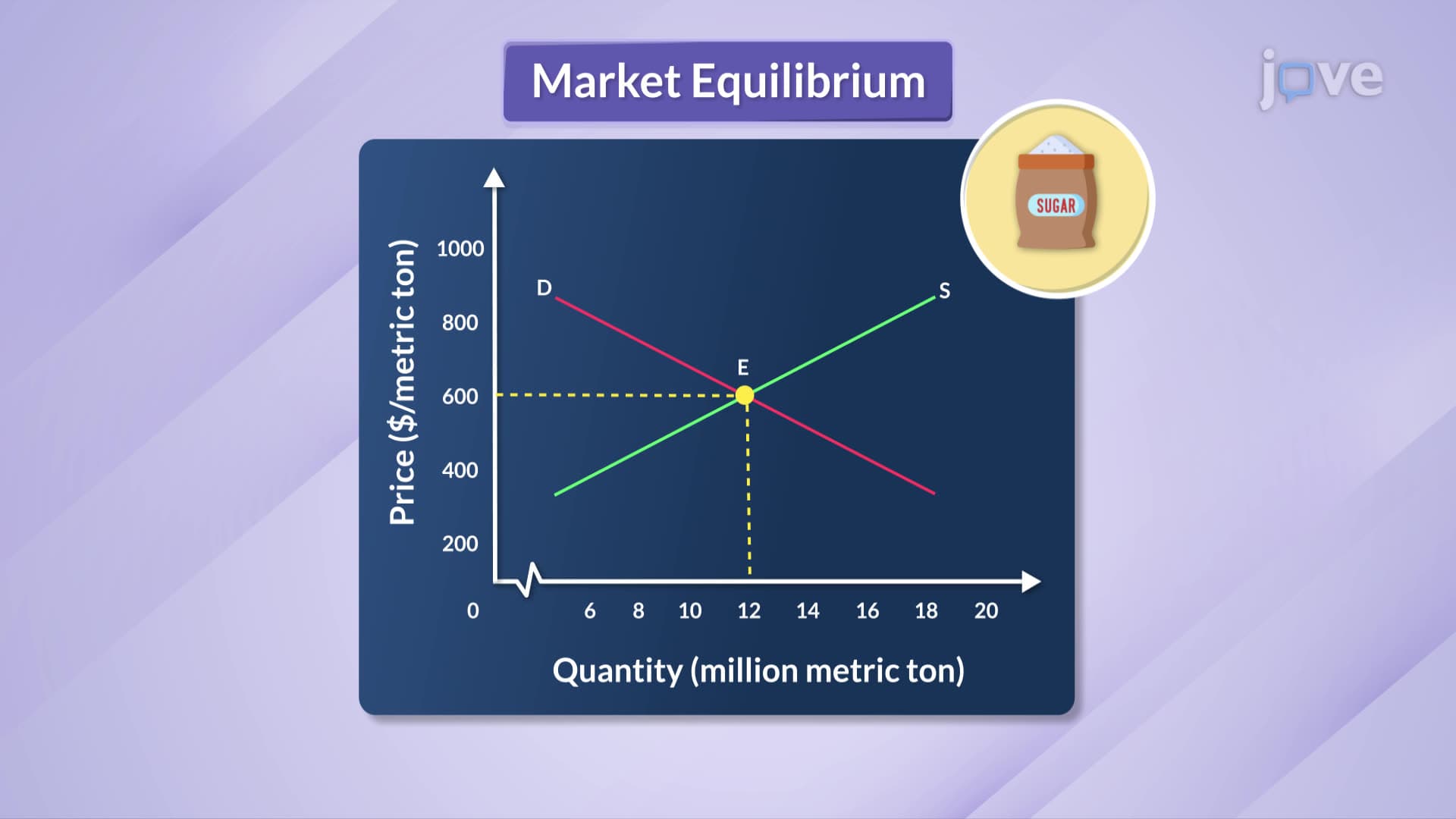
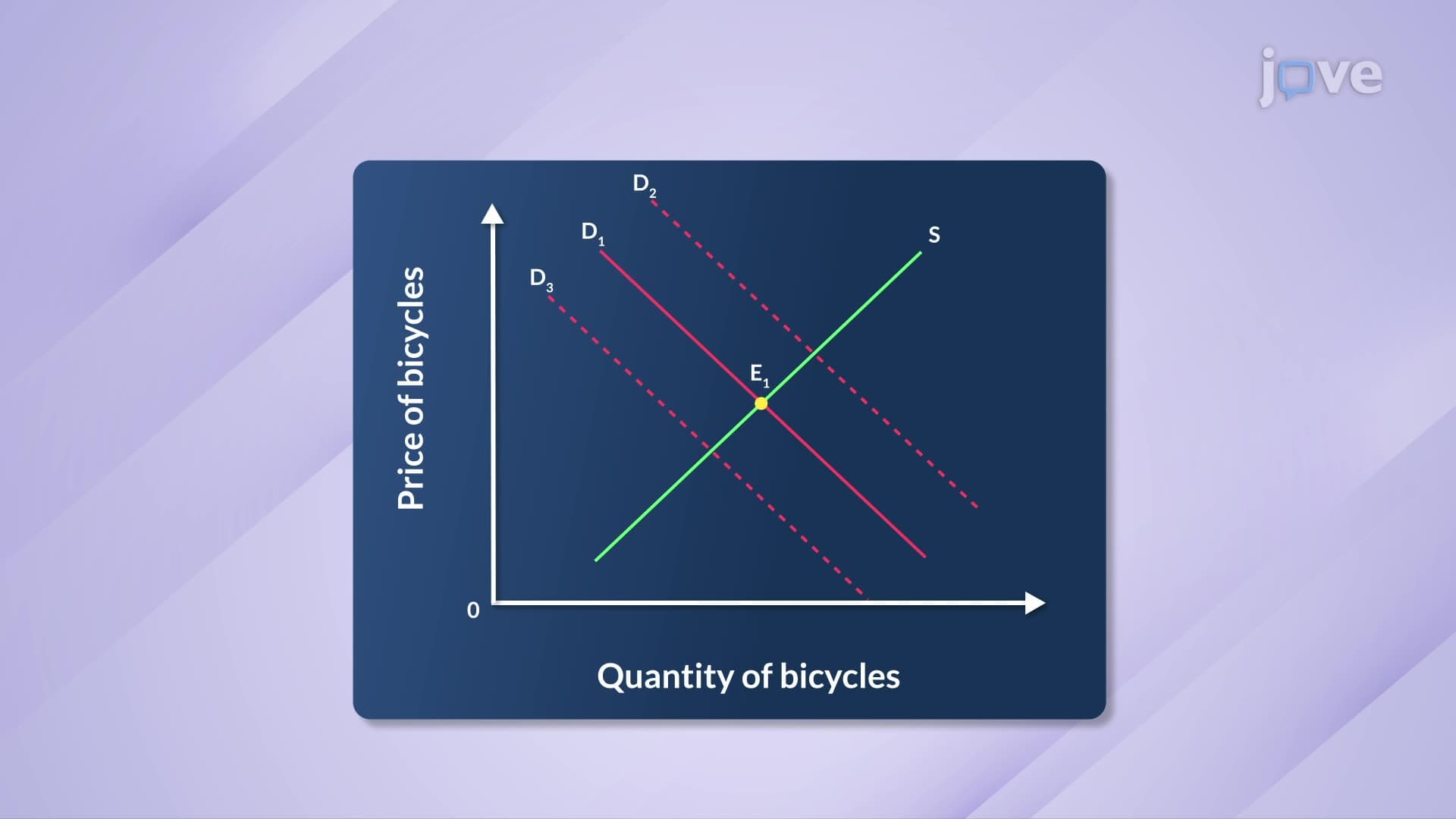
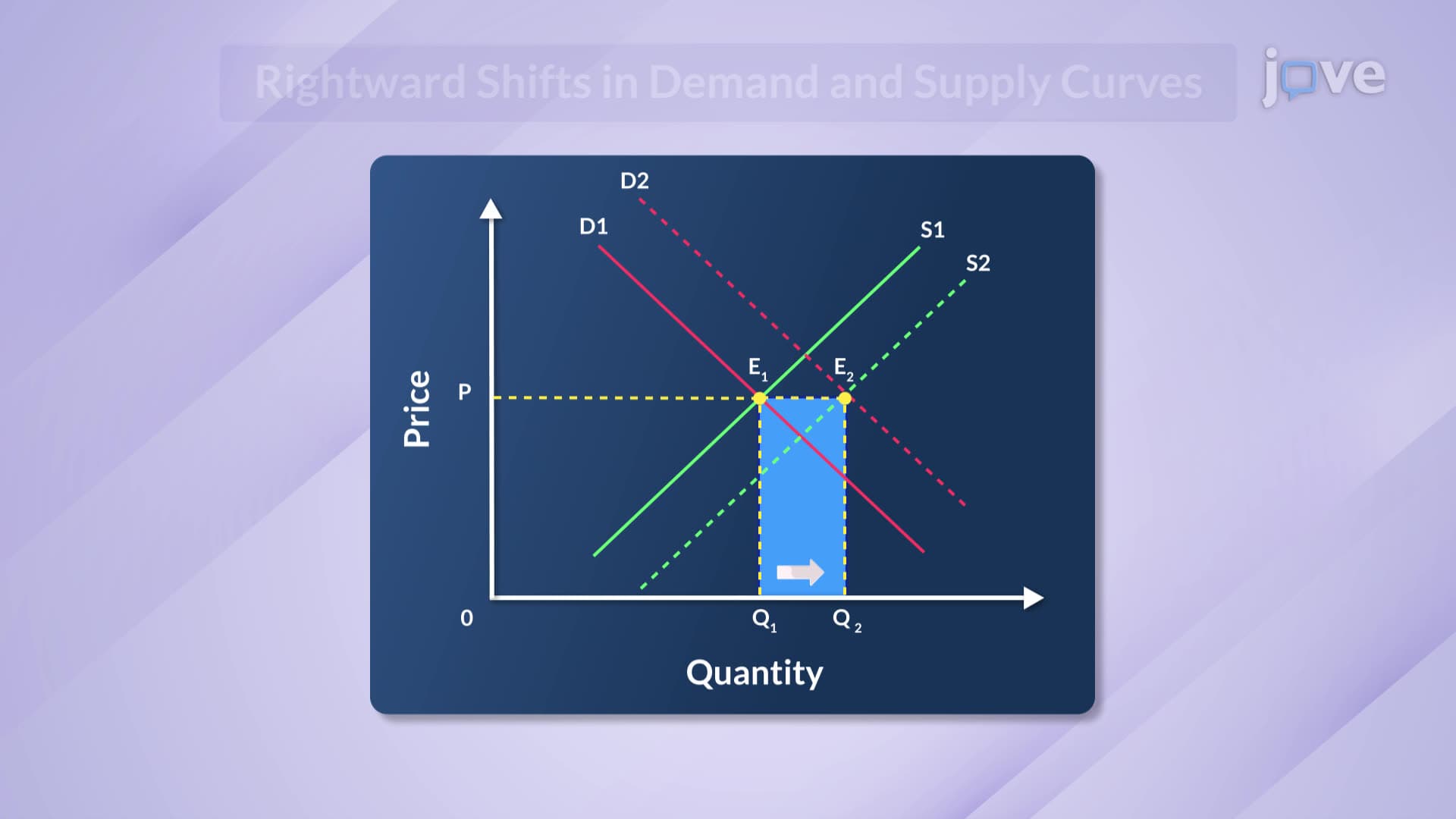
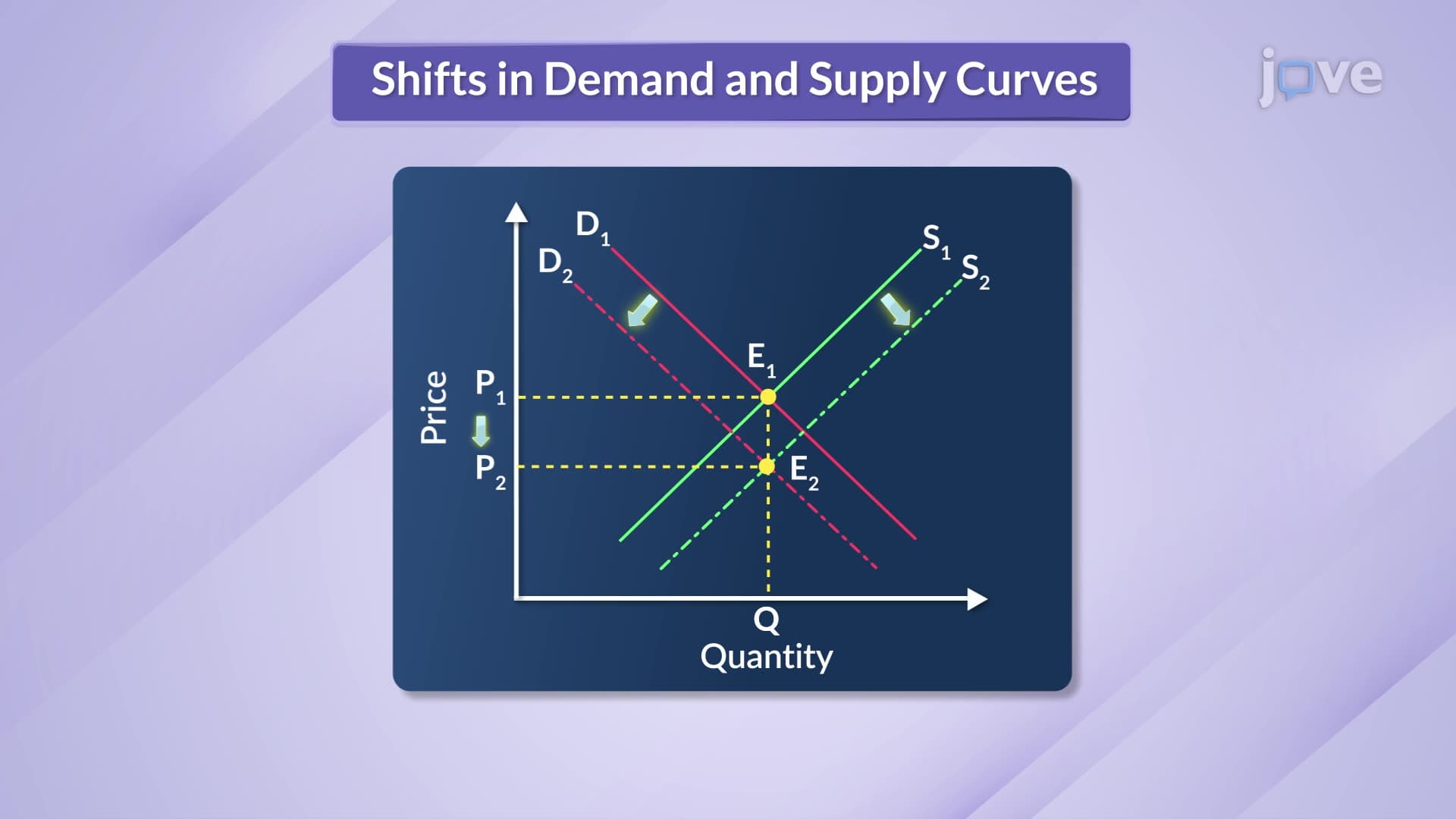
From a pure economic perspective, price increases during emergencies serve important market functions. When Hurricane Sandy devastated the Northeast in 2012, gasoline prices spiked as supply disruptions met increased demand from evacuation efforts and emergency services. Higher prices theoretically discourage hoarding behavior and ensure broader distribution of scarce resources. This market mechanism can prevent situations where early buyers exhaust entire inventories, leaving nothing for those who arrive later.
However, this economic logic assumes perfect market conditions that rarely exist during actual emergencies. Real-world factors like limited competition, information asymmetries, and the essential nature of demanded goods create opportunities for exploitation rather than efficient resource allocation.
Legal and Ethical Frameworks in the United States
Currently, 34 US states have enacted anti-price gouging statutes that activate during declared emergencies. These laws typically define price gouging as increases exceeding 10-25% above pre-emergency prices for essential goods like food, water, fuel, and medical supplies. Texas, for example, prohibits selling goods at "exorbitant or excessive" rates during disasters, while New York caps increases at 10% above immediately preceding prices.
The enforcement and effectiveness of these laws vary significantly. After Hurricane Maria hit Puerto Rico in 2017, federal investigators documented widespread price gouging for basic necessities, highlighting the challenges of monitoring and prosecuting violations during large-scale emergencies when regulatory systems themselves are disrupted.
Academic and Testing Context
Price gouging frequently appears in AP Economics examinations as a case study demonstrating market failure, government intervention, and welfare economics. Students must analyze scenarios involving supply and demand shifts, calculate deadweight losses from price controls, and evaluate policy alternatives. The concept also appears in college-level microeconomics courses when studying consumer and producer surplus, market efficiency, and the role of government regulation in correcting market failures.
Understanding price gouging requires mastering fundamental economic concepts including elasticity of demand, market equilibrium, and externalities, making it an excellent synthesis topic for comprehensive economic analysis.
Frequently Asked Questions
Price gouging is the practice of charging unreasonably high prices for essential goods during emergencies or disasters, exploiting consumer desperation rather than normal market forces. Unlike regular price increases driven by long-term supply and demand changes, price gouging specifically targets crisis situations when consumers have few alternatives and urgent needs for basic necessities.
AP Economics exams often use price gouging scenarios to test understanding of market failures, government intervention, and welfare analysis. Students must identify shifts in supply and demand curves during emergencies, calculate changes in consumer and producer surplus, and evaluate the effectiveness of price ceiling policies. These questions frequently require graphical analysis and policy recommendation components.
Focus on understanding the tension between market efficiency and equity concerns, memorizing key elasticity concepts, and practicing welfare analysis calculations. Master the differences between short-run and long-run market adjustments, and be prepared to analyze both sides of policy debates. Review real US examples like Hurricane Katrina or COVID-19 supply shortages for concrete applications.
During the early COVID-19 pandemic in March 2020, hand sanitizer prices on platforms like Amazon surged from $2-3 per bottle to over $40, while N95 masks increased from $1 each to $8-12. New York Attorney General Letitia James investigated over 1,000 price gouging complaints, resulting in numerous cease and desist orders and refunds to consumers who overpaid for essential supplies.
Price gouging is actually one of the more accessible economics concepts since it connects directly to real-world experiences and moral intuitions. The basic supply and demand mechanics are straightforward, and most students can relate to feeling exploited by high prices. The complexity lies in analyzing competing policy solutions and understanding when market mechanisms help versus harm social welfare.
Practice drawing supply and demand graphs showing emergency market disruptions, memorize the definition and legal thresholds used in US states, and prepare to argue both pro-market and pro-regulation positions. Create flashcards with real examples from recent disasters, and practice calculating percentage price increases to identify when normal fluctuations become gouging.
Build on price gouging by studying other market failures like monopoly power, externalities, and information asymmetries. Explore government intervention tools including price ceilings, subsidies, and emergency rationing systems. Advanced students should examine behavioral economics concepts like loss aversion and anchoring that explain consumer responses to extreme price changes during crises.
Absolutely - price gouging analysis develops critical thinking skills about market efficiency, regulatory policy, and stakeholder impacts that apply across business ethics, public policy, and managerial economics courses. The concept reinforces fundamental microeconomic principles while introducing real-world complexity that appears throughout advanced economics and business strategy coursework.
Most state price gouging laws automatically activate when governors declare emergency status, typically prohibiting price increases above 10-25% of pre-emergency levels for essential goods. Enforcement relies on consumer complaints to state attorney general offices, who can issue cease and desist orders, impose fines, and require refunds. However, proving violations requires documenting pre-emergency prices and demonstrating that increases exceed legal thresholds rather than reflecting legitimate cost increases.
Related Micro-courses