Loading subject page…


5,235 views

Video Summary: What Is Surplus and Shortages
Ever wonder why concert tickets sell out instantly while others go unsold? Surplus shortages explain these market imbalances that occur when supply and demand don't align at current prices. When Taylor Swift announces a tour, massive demand at face value creates shortages, forcing prices up on resale markets. Conversely, when a less popular artist prices tickets too high, surpluses occur as venues struggle to fill seats. Understanding what is surplus and shortages helps explain how markets naturally self-correct through price adjustments. Watch the full video on JoVE Coach to master this concept with expert-led visuals and step-by-step explanations.
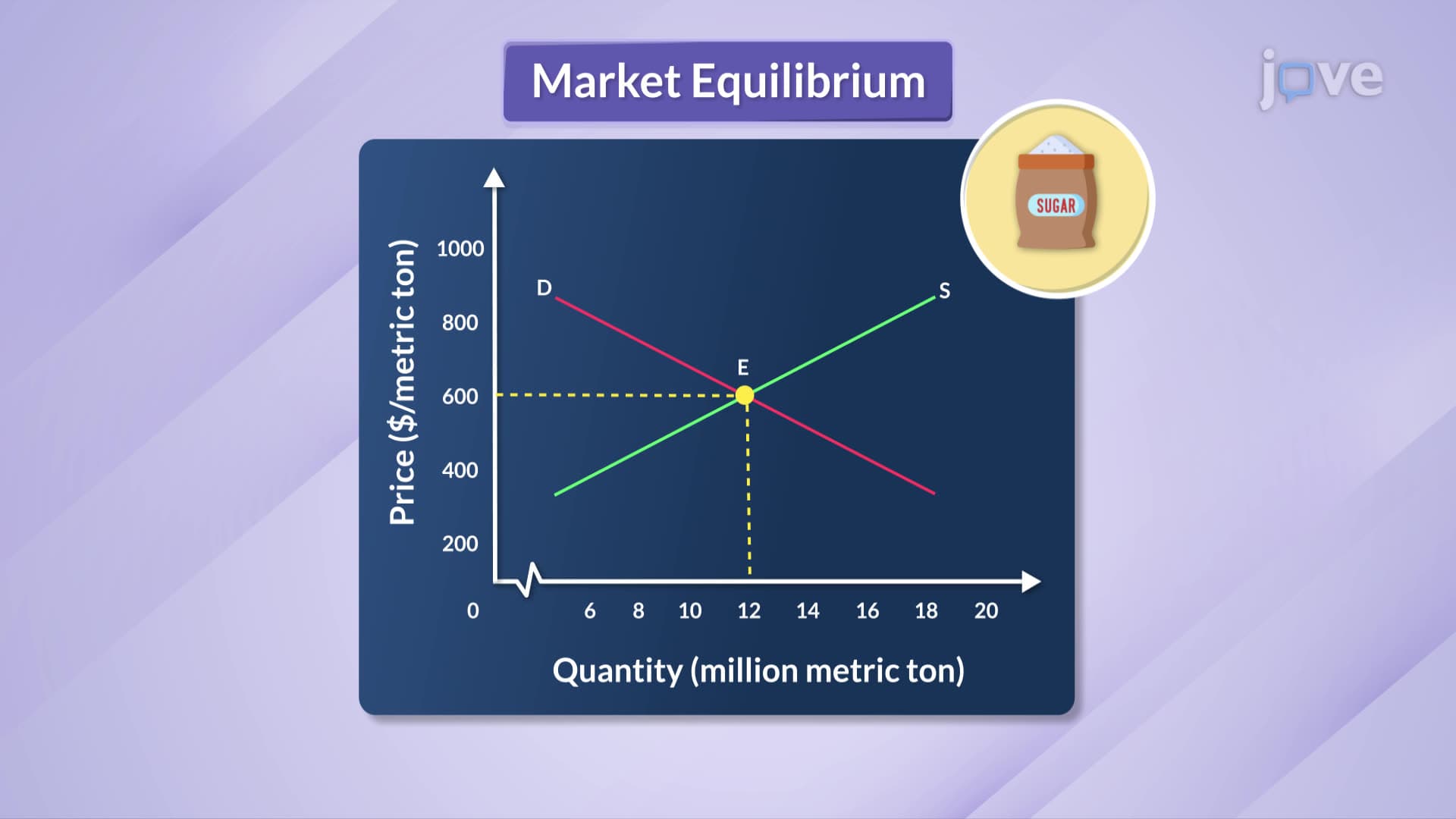
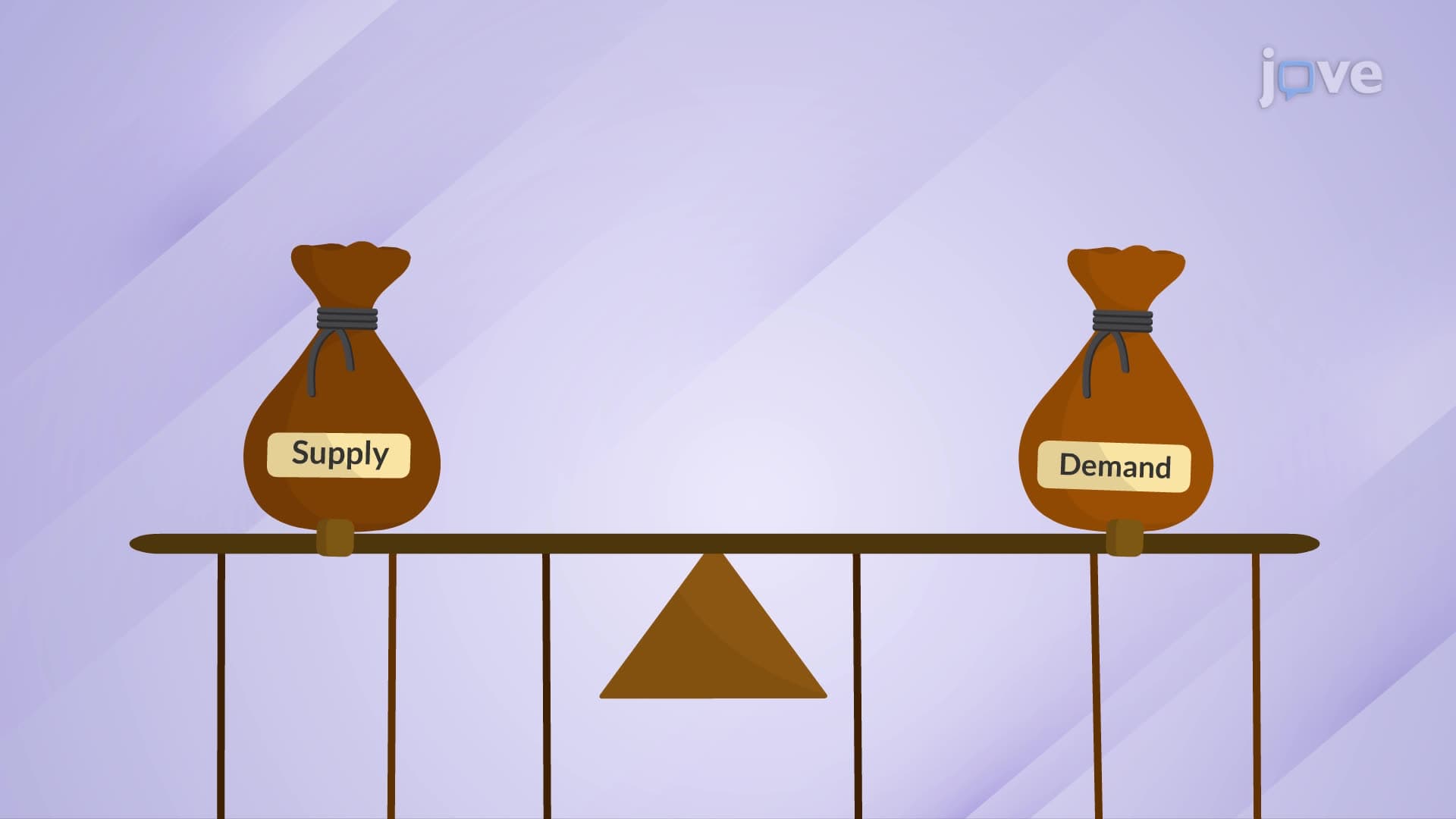
What is surplus and shortages represents one of economics' most fundamental concepts for understanding market behavior. These conditions occur when markets temporarily move away from equilibrium, creating imbalances that reveal important insights about consumer preferences and producer capabilities.
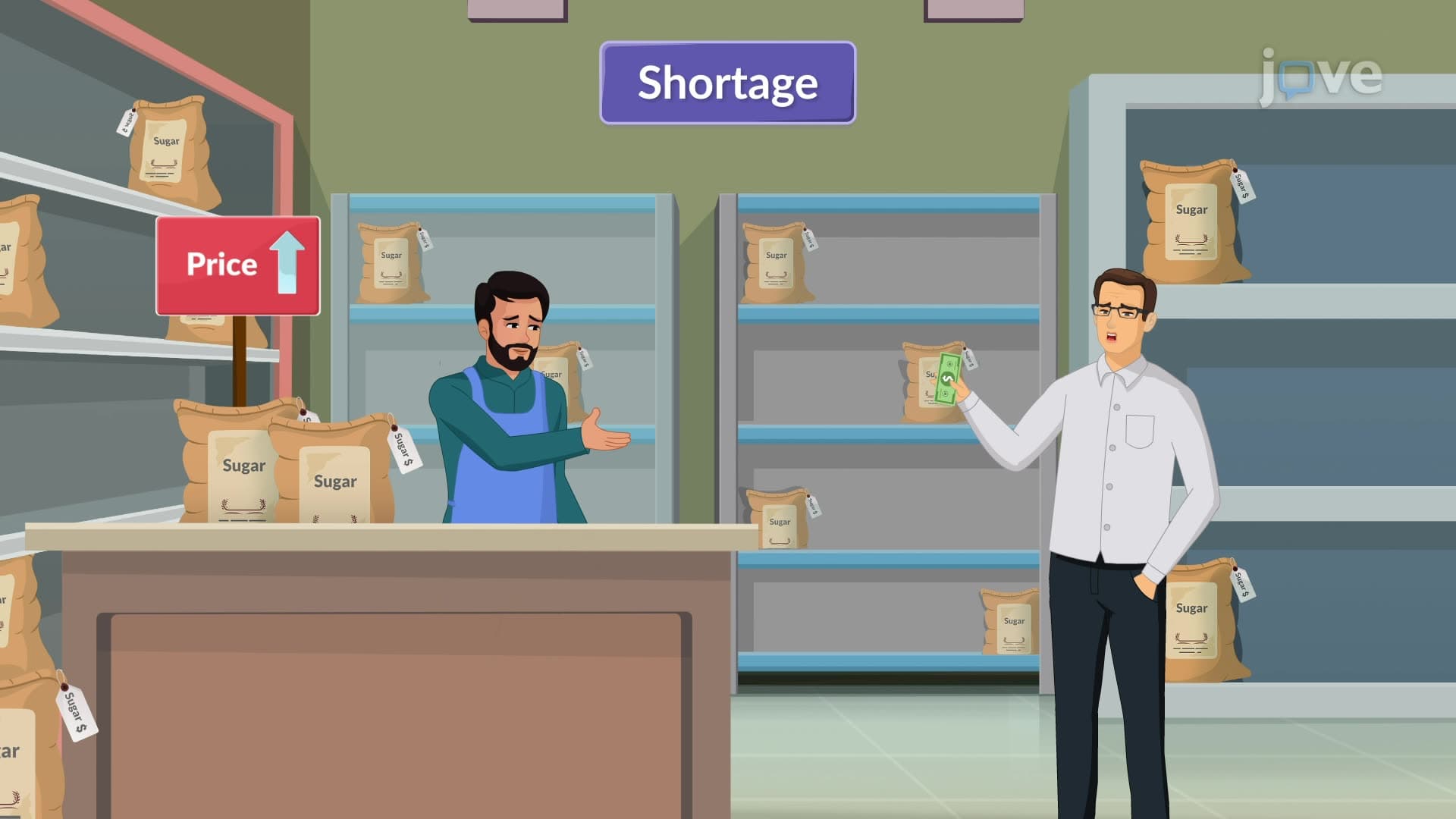
A shortage occurs when quantity demanded exceeds quantity supplied at the current market price. This imbalance signals that the price is below what the market can bear. Consider the housing market in cities like San Francisco or New York, where limited housing supply meets high demand, creating persistent shortages that drive up rental prices and home values.
During shortages, several predictable behaviors emerge. Consumers compete more intensely for limited goods, often accepting higher prices or lower quality alternatives. Producers recognize profit opportunities and typically respond by increasing production capacity or raising prices. The pharmaceutical industry during COVID-19 exemplified this pattern, as shortages of essential medications led to increased production investments and temporary price adjustments.
Surpluses represent the opposite condition-when quantity supplied exceeds quantity demanded at current prices. This situation often occurs in seasonal markets or when technological advances rapidly increase production capacity. The US corn market frequently experiences surpluses during exceptional harvest years, leading to lower prices and government intervention through agricultural programs.
Surplus conditions pressure producers to reduce prices, offer promotions, or find alternative distribution channels. The retail clothing industry demonstrates this pattern through end-of-season clearance sales, where excess inventory forces markdown pricing to clear warehouse space for new collections.
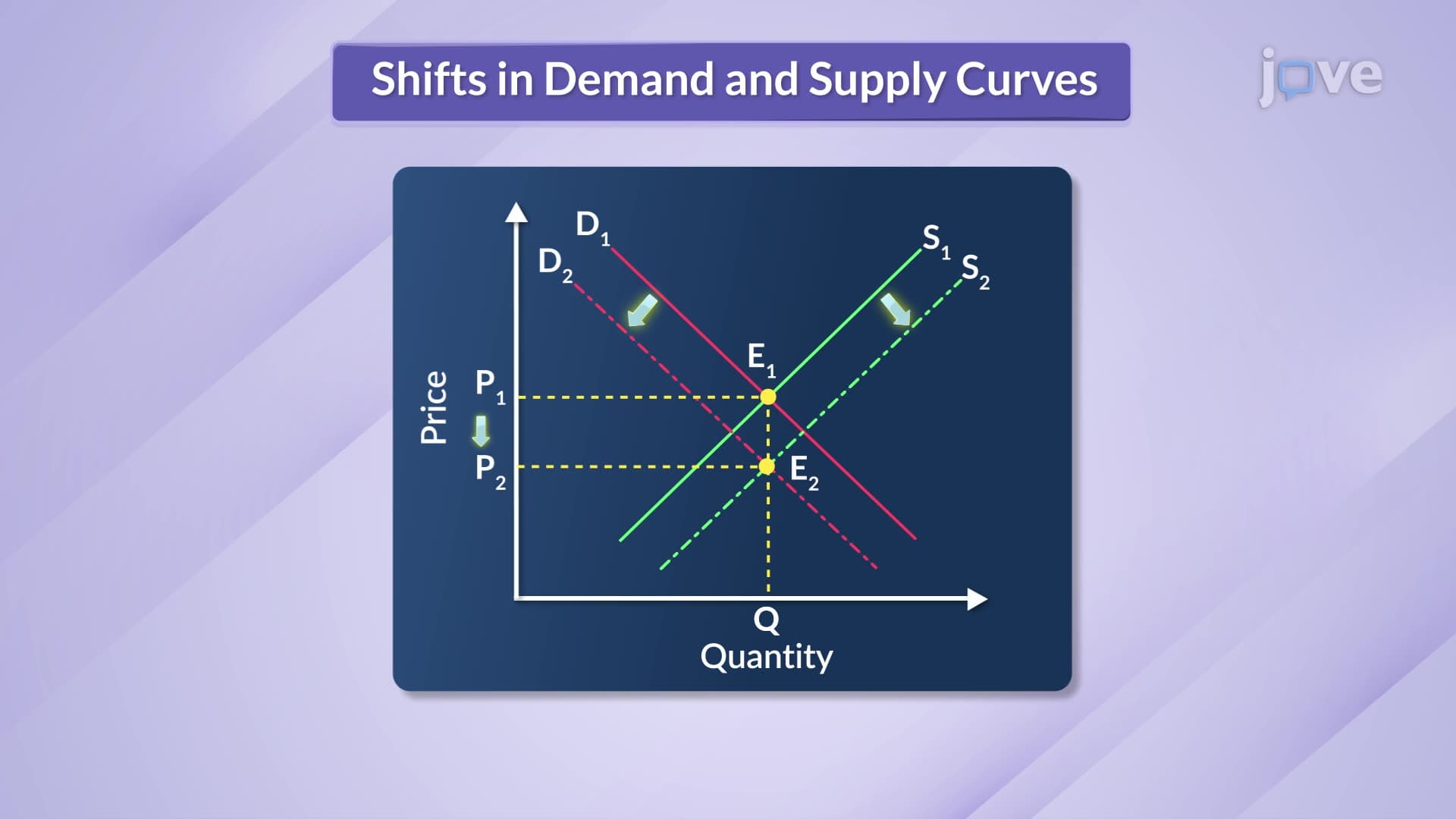
Markets possess inherent self-correcting mechanisms that address both shortages and surpluses. Price adjustments serve as signals that coordinate producer and consumer behavior without requiring central planning. When gasoline shortages occur due to refinery disruptions, higher prices encourage conservation while incentivizing increased production and alternative transportation choices.
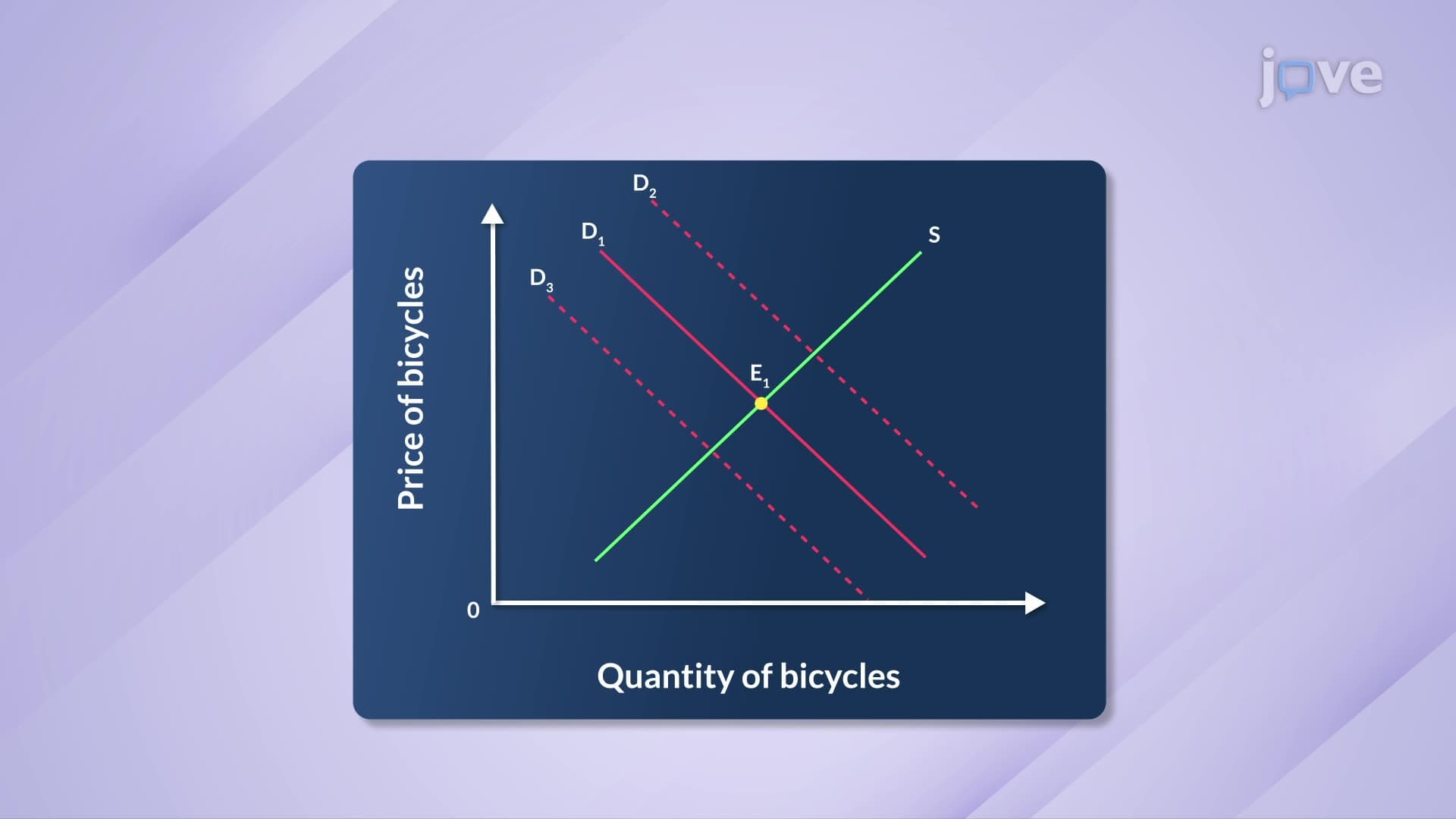
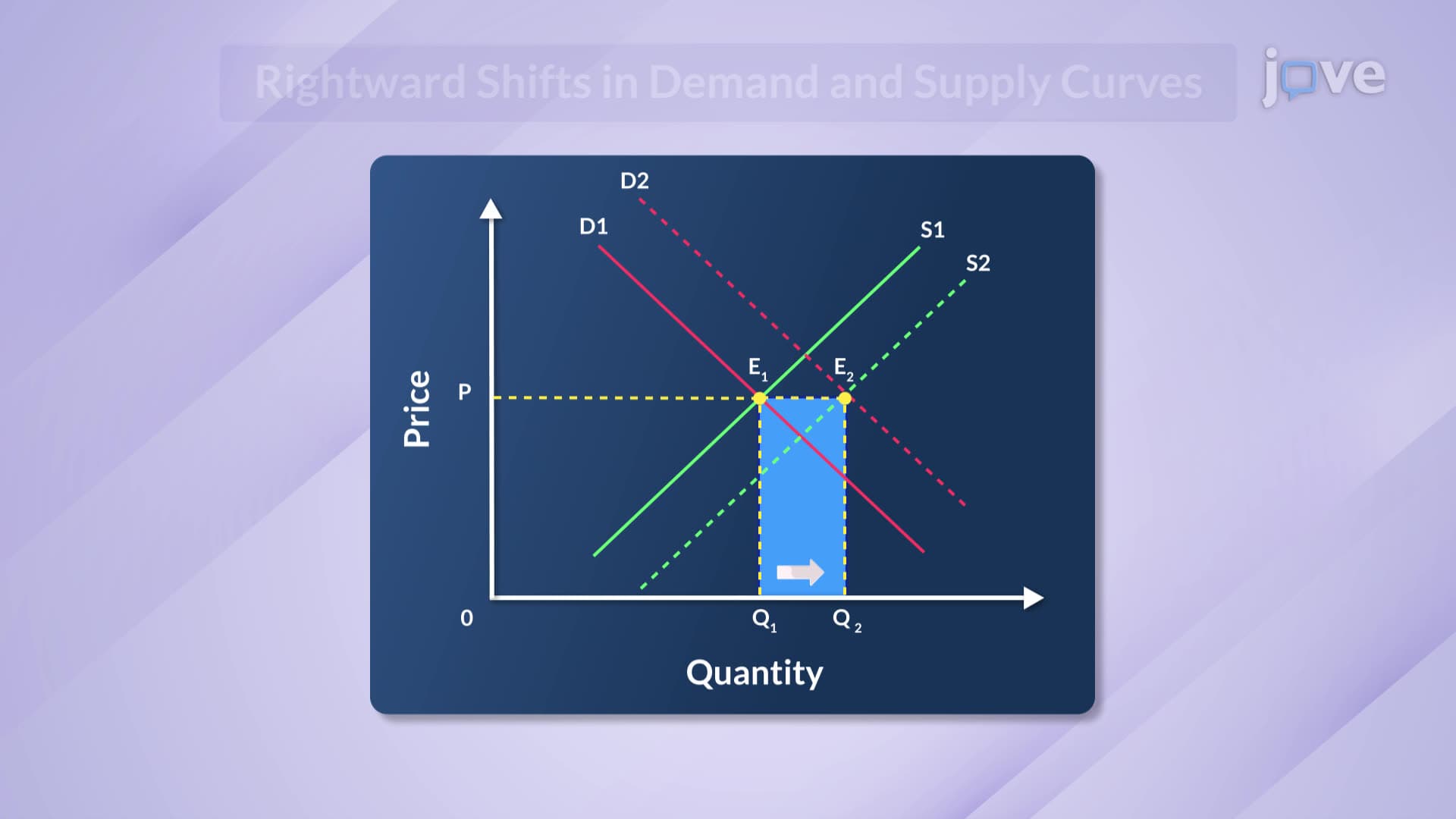
This concept appears frequently on AP Economics exams and college microeconomics courses, where students must analyze market graphs and predict adjustment outcomes. Understanding these dynamics helps students recognize that temporary market imbalances typically resolve through price mechanisms rather than requiring government intervention.
The speed of market corrections depends on factors like price elasticity, production flexibility, and consumer substitution options. Technology markets often adjust quickly due to flexible production, while housing markets correct slowly due to construction time lags and regulatory constraints.
Related Micro-courses