Loading subject page…

- Molecular Biology
- DNA and Chromosome Structure
- Chromatin Position Affects Gene Expression
Micro-course: DNA and Chromosome Structure
286,218 views
Learn key concepts and earn your certificate.
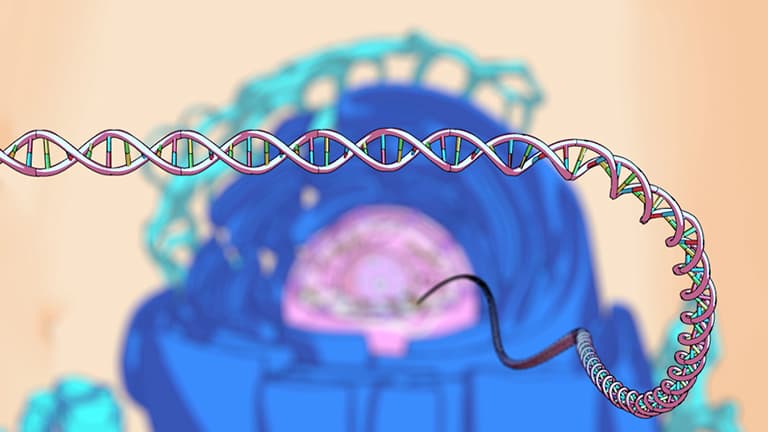

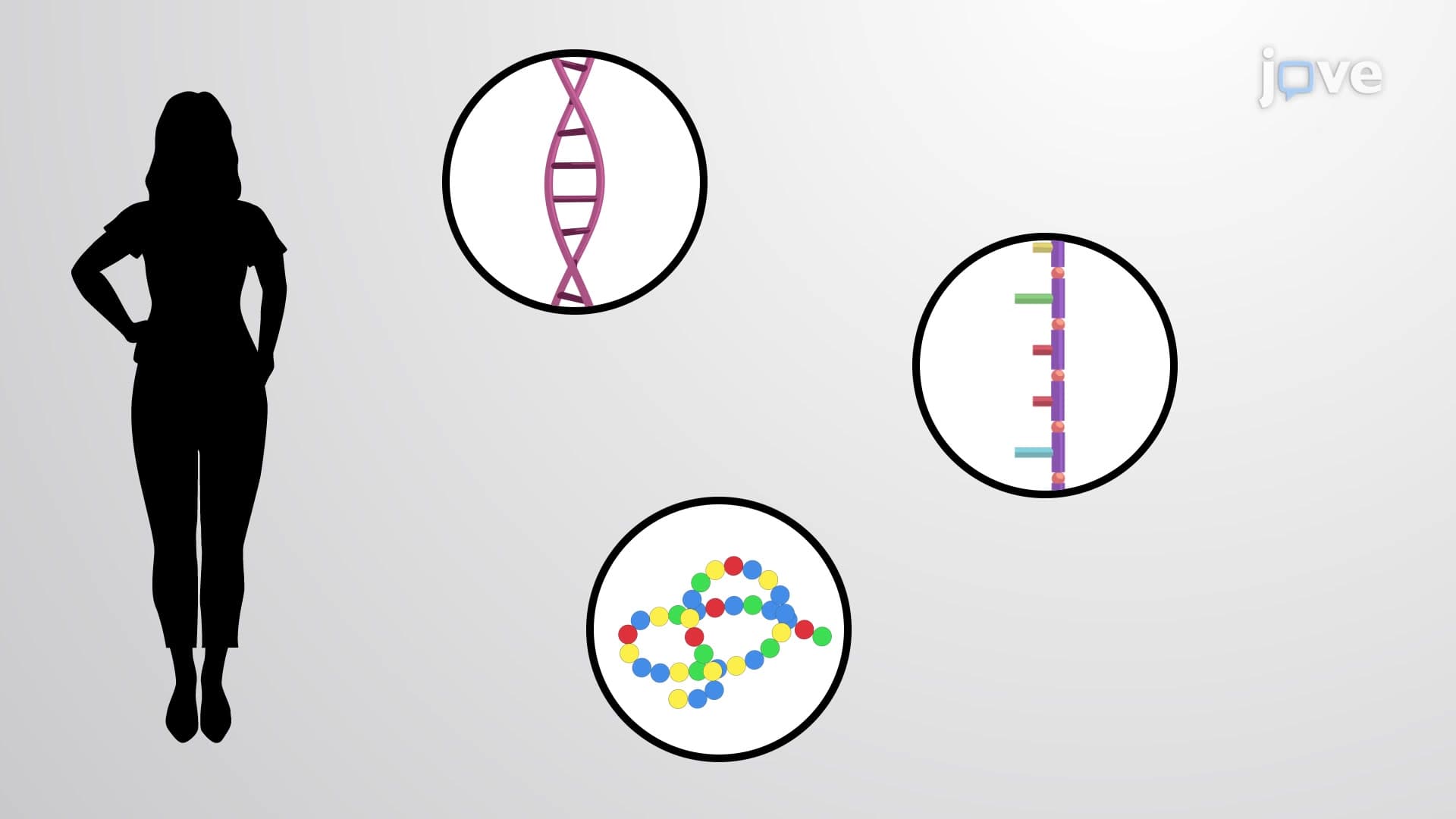
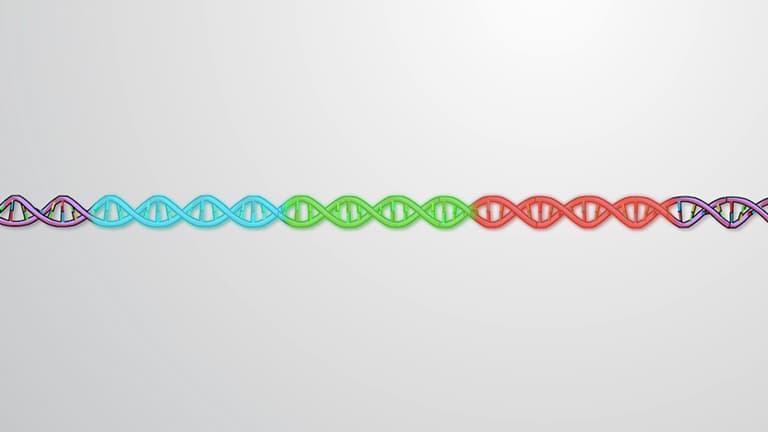
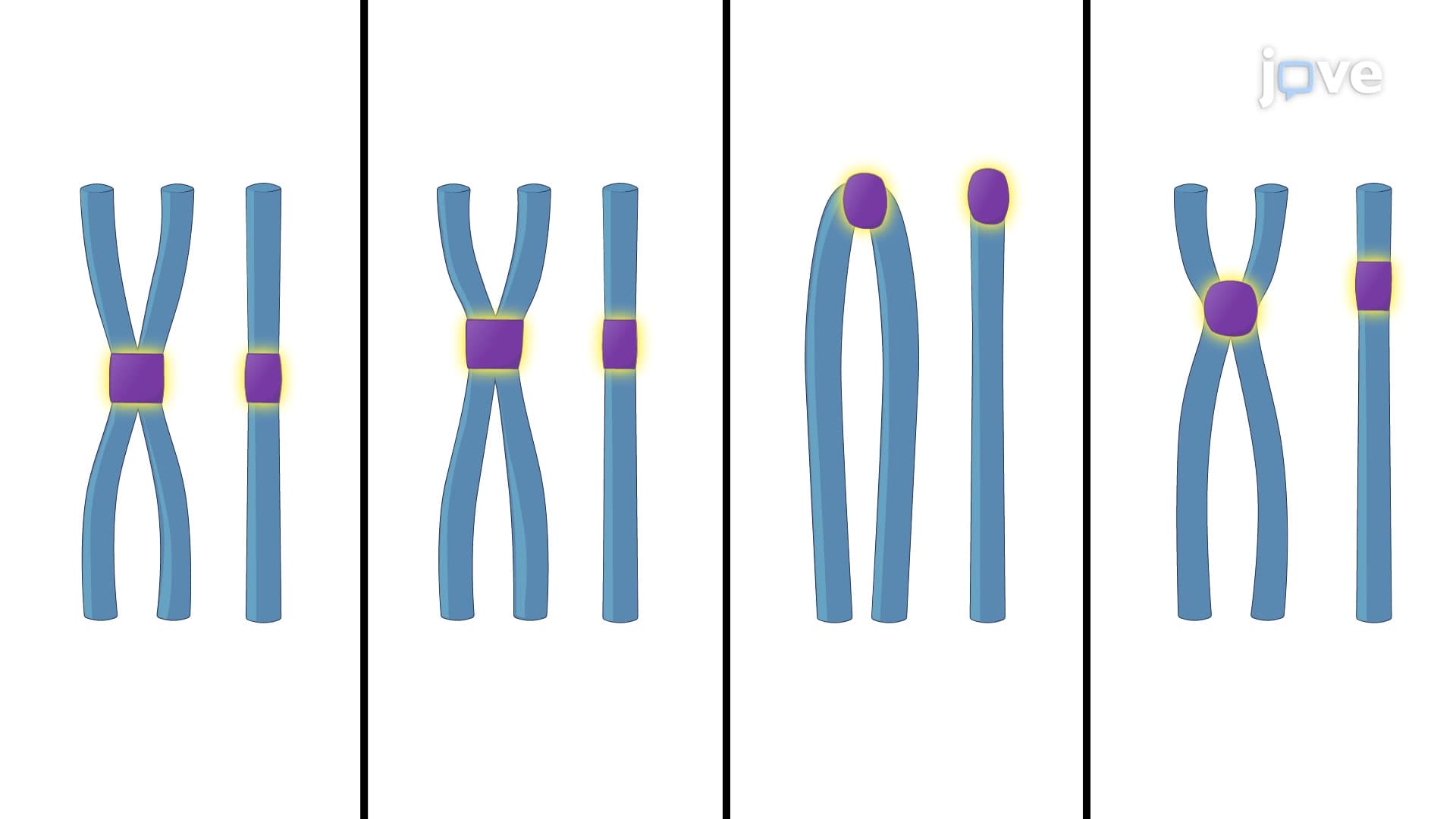





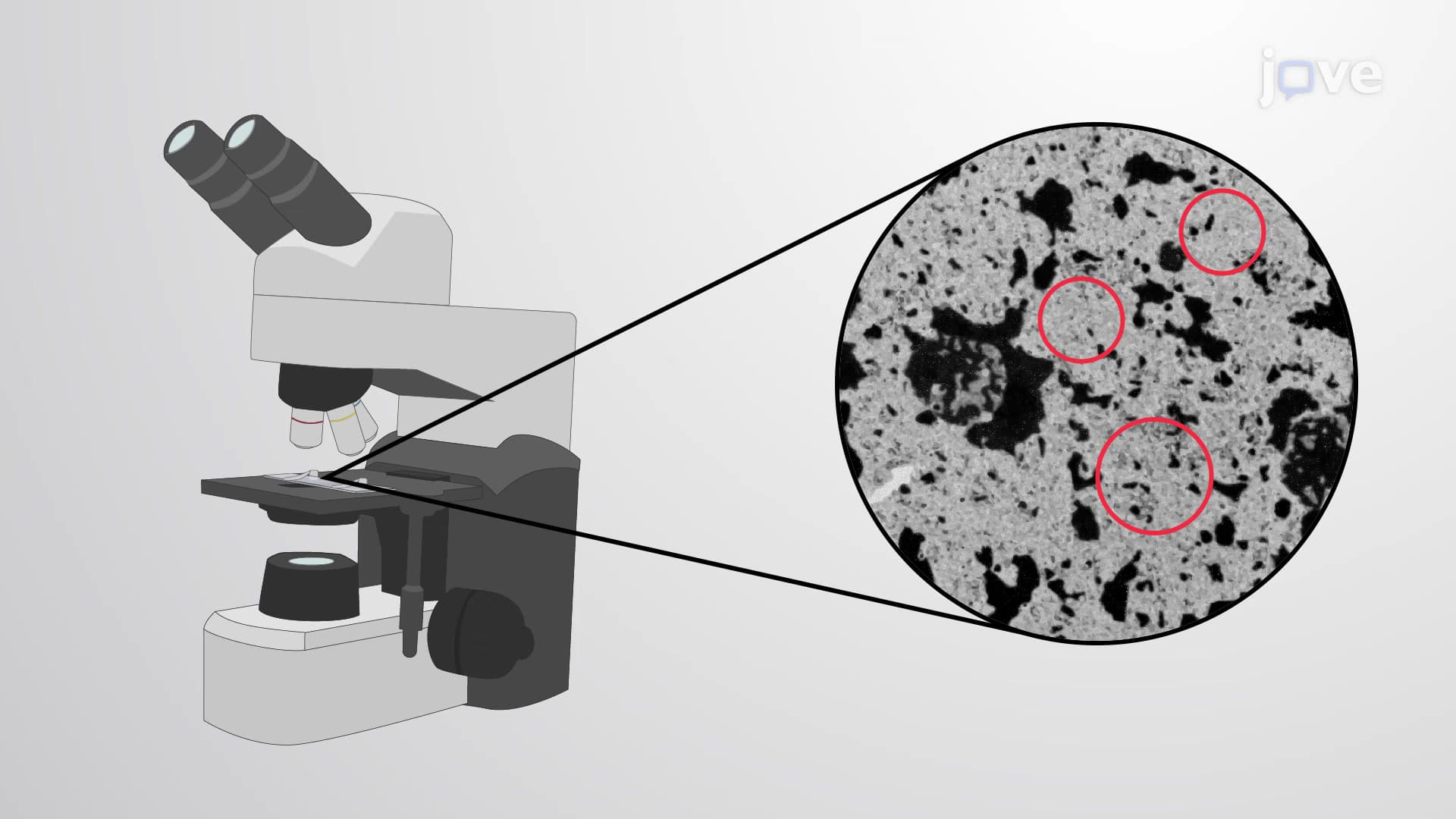
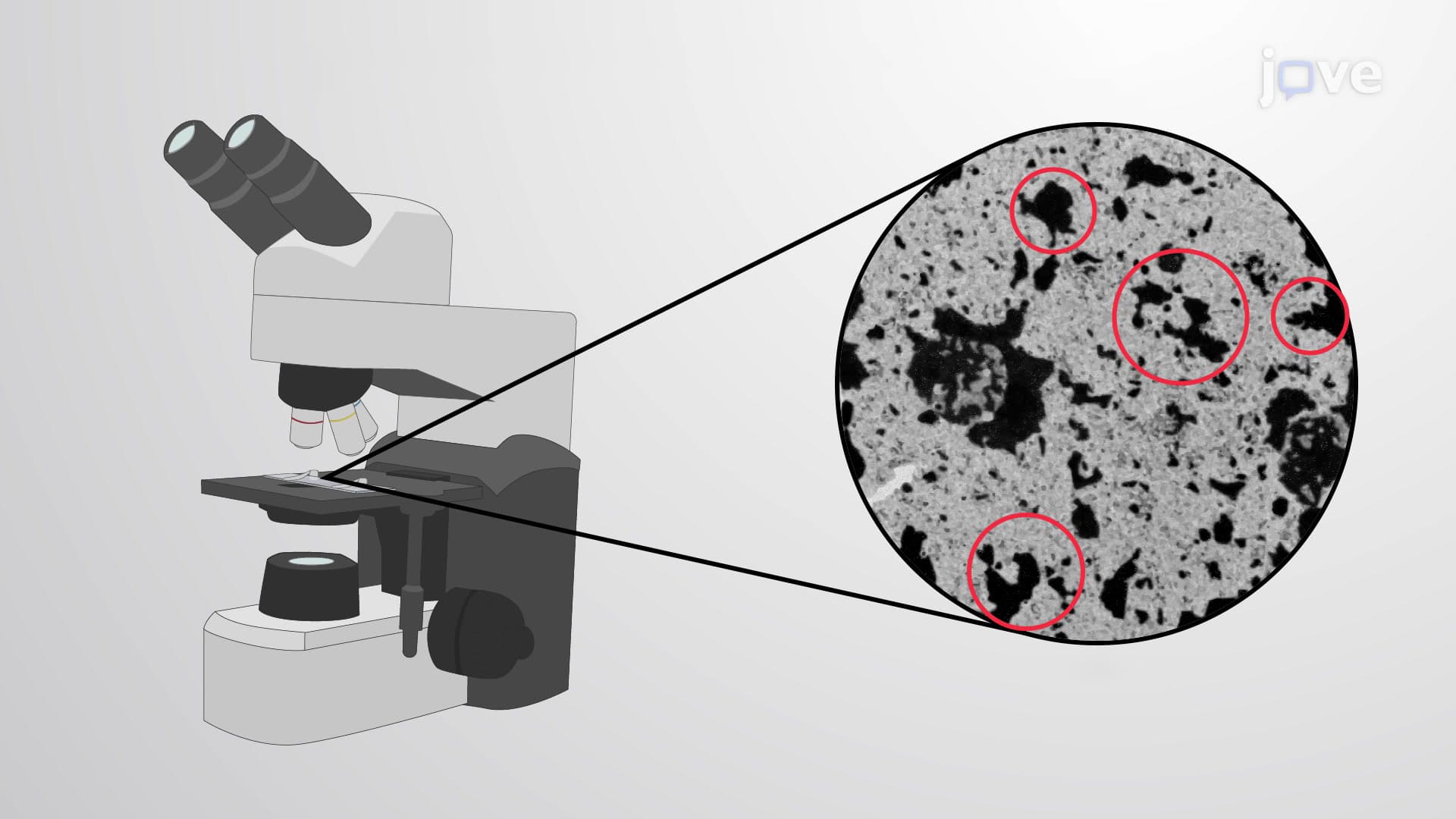
Chromatin Position Affects Gene Expression
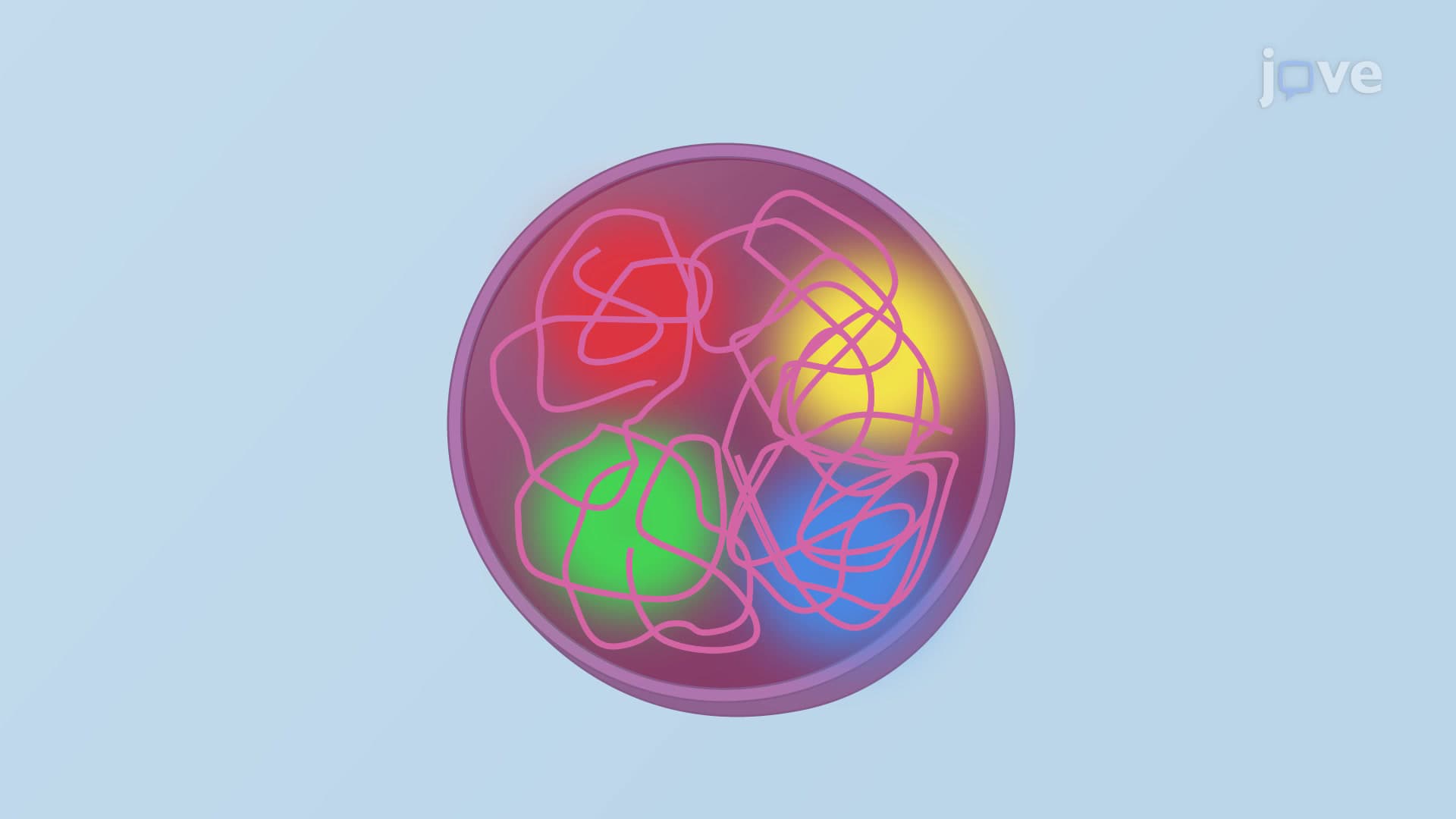

00:00
02:35
Video Summary: Chromatin Position Affects Gene Expression Explained
Did you know that your DNA's location within the cell nucleus determines whether genes get turned on or off? Chromatin position affects gene expression by controlling which genes are accessible for activation, much like how moving files to different folders on your computer affects how easily you can access them. For instance, the CFTR gene responsible for cystic fibrosis moves from the nuclear edge to the center when it becomes active in human lung cells. Watch the full video on JoVE Coach to master this concept with expert-led visuals and step-by-step explanations.
- Understand how chromatin position affects gene expression through spatial organization within the nucleus
- Identify the relationship between nuclear territories and specific gene expression patterns
- Analyze how genes move between nuclear periphery and interior during activation or silencing
- Compare chromatin positioning in spherical versus non-spherical nuclei across different cell types
- Recognize the role of nucleolar organizer regions in ribosomal RNA gene clustering
- Evaluate how chromatin repositioning contributes to cancer development and tumor formation
- Apply knowledge of chromatin loops and territorial extensions to predict gene expression outcomes
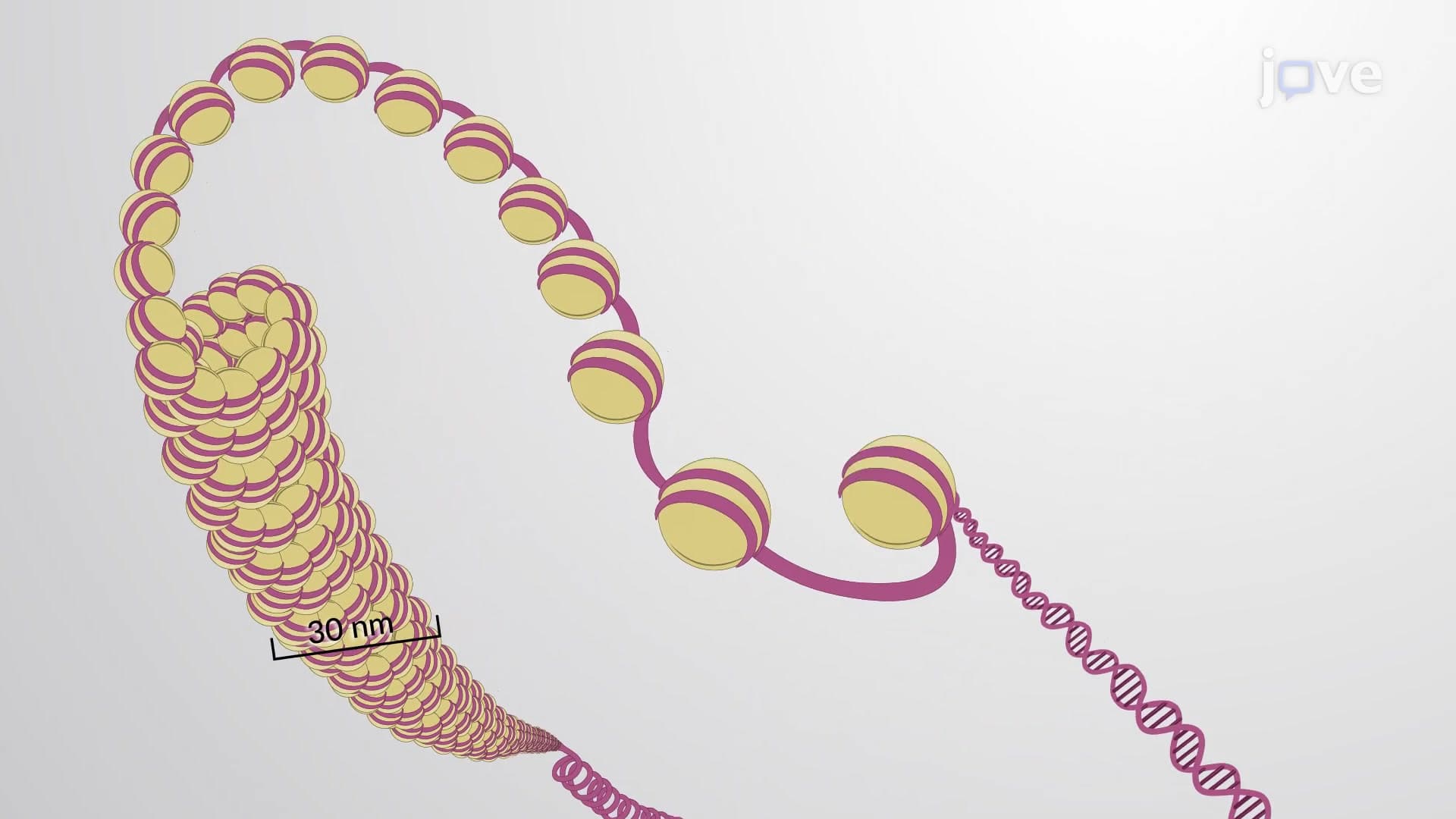
- Explore the connection between chromatin fiber length, compaction ratios, and nuclear positioning
Understanding How Chromatin Position Affects Gene Expression
The nucleus isn't just a random storage container for DNA-it's a highly organized cellular headquarters where location determines function. Chromatin position affects gene expression through a sophisticated spatial organization system that places active genes in prime real estate locations while relegating inactive genes to the cellular equivalent of storage units.
Nuclear Geography: Active Genes Versus Silent Genes
Think of the nucleus like a major US city where the most important businesses occupy downtown locations while warehouses sit on the outskirts. Active genes cluster toward the nuclear interior, where they have easy access to transcription machinery and regulatory proteins. Meanwhile, silenced genes get pushed to the nuclear periphery-the cellular suburbs where gene expression machinery is scarce.
This concept frequently appears on AP Biology exams and college genetics courses. Students studying for the MCAT will encounter questions about how the cystic fibrosis transmembrane conductance regulator (CFTR) gene demonstrates this principle. In healthy lung cells, CFTR moves from the nuclear edge to the center when activated, enabling proper chloride transport. Understanding this mechanism helps explain why cystic fibrosis affects approximately 30,000 Americans.
Specialized Nuclear Neighborhoods
The nucleolus represents perhaps the most famous example of nuclear real estate specialization. This dense region houses ribosomal RNA genes from chromosomes 13, 14, 15, 21, and 22-collectively called nucleolar organizer regions. By clustering these genes together, cells create an efficient ribosome assembly line, much like how Detroit's automotive industry concentrated car manufacturing in one geographic area.
Cell Shape Determines Chromatin Organization
Nuclear architecture varies dramatically between cell types, affecting how chromatin organizes spatially. Lymphocytes, with their spherical nuclei, arrange chromatin radially-active genes migrate inward while repressed genes remain peripheral. However, fibroblasts possess irregularly shaped nuclei where shorter chromatin fibers occupy internal positions and longer fibers extend toward the periphery, creating a more complex organizational pattern that college students must master for cell biology coursework.
Clinical Relevance: Cancer and Chromatin Repositioning
Abnormal chromatin repositioning contributes to cancer development across multiple tissue types. Researchers have documented how chromosome 18 relocates from the nuclear periphery to the interior during cervical and colon carcinoma development. This repositioning activates oncogenes that should remain silenced, demonstrating why understanding nuclear organization proves crucial for medical students preparing for USMLE Step 1 examinations.
Frequently Asked Questions
Chromatin position affects gene expression by determining which genes can access the cellular machinery needed for activation. Active genes cluster in the nuclear interior where transcription factors are abundant, while inactive genes remain at the nuclear periphery. This spatial organization allows cells to efficiently control which proteins get made at any given time.
Exam questions often focus on the CFTR gene example, asking students to explain why cystic fibrosis genes move from periphery to center during activation. You'll also see questions about nucleolar organization of ribosomal RNA genes. Practice drawing nuclear organization diagrams and explaining how gene positioning relates to transcriptional activity.
The MCAT Biological and Biochemical Foundations section frequently tests chromatin organization alongside transcriptional regulation and cell biology. Expect questions linking chromatin positioning to cancer biology, developmental gene expression, and cellular differentiation. Understanding nuclear architecture helps answer complex passage-based questions about gene regulation mechanisms.
Cystic fibrosis affects about 30,000 Americans and demonstrates chromatin repositioning perfectly-the CFTR gene moves from nuclear periphery to interior when activated in healthy lung cells. Cancer research also shows how abnormal chromatin positioning contributes to tumor development, making this concept relevant for understanding disease mechanisms.
Not at all! Think of nuclear organization like city planning-important businesses locate downtown while storage facilities sit on the outskirts. The same principle applies to genes. Start with basic concepts like active genes clustering together, then build toward understanding specific examples like ribosomal RNA gene organization.
Create visual diagrams showing nuclear organization in different cell types, focusing on spherical versus non-spherical nuclei. Practice explaining the CFTR gene example step-by-step, and memorize which chromosomes contain nucleolar organizer regions. Use flashcards for key terms like "nuclear periphery" and "chromatin territories."
Cell shape dramatically affects chromatin arrangement patterns. Spherical nuclei in lymphocytes organize chromatin radially with active genes toward the center. Non-spherical nuclei in fibroblasts show more complex patterns where shorter chromatin fibers occupy internal positions. Understanding these differences helps explain why different cell types express distinct gene sets.
Explore epigenetic modifications like histone acetylation and DNA methylation that work alongside positioning to control gene expression. Study chromosome territories in more detail, and investigate how nuclear organization changes during cell division. These concepts build naturally from basic chromatin positioning principles.
Cancer development often involves relocating tumor suppressor genes from active nuclear regions to silent peripheral areas, while oncogenes move from periphery to interior. Chromosome 18 repositioning in cervical and colon cancers exemplifies this process. Understanding these patterns helps explain how normal gene regulation breaks down in malignant transformation.
Related Micro-courses

16 Concepts

16 Concepts

21 Concepts