Loading video…


 20 Concepts
 286.2K views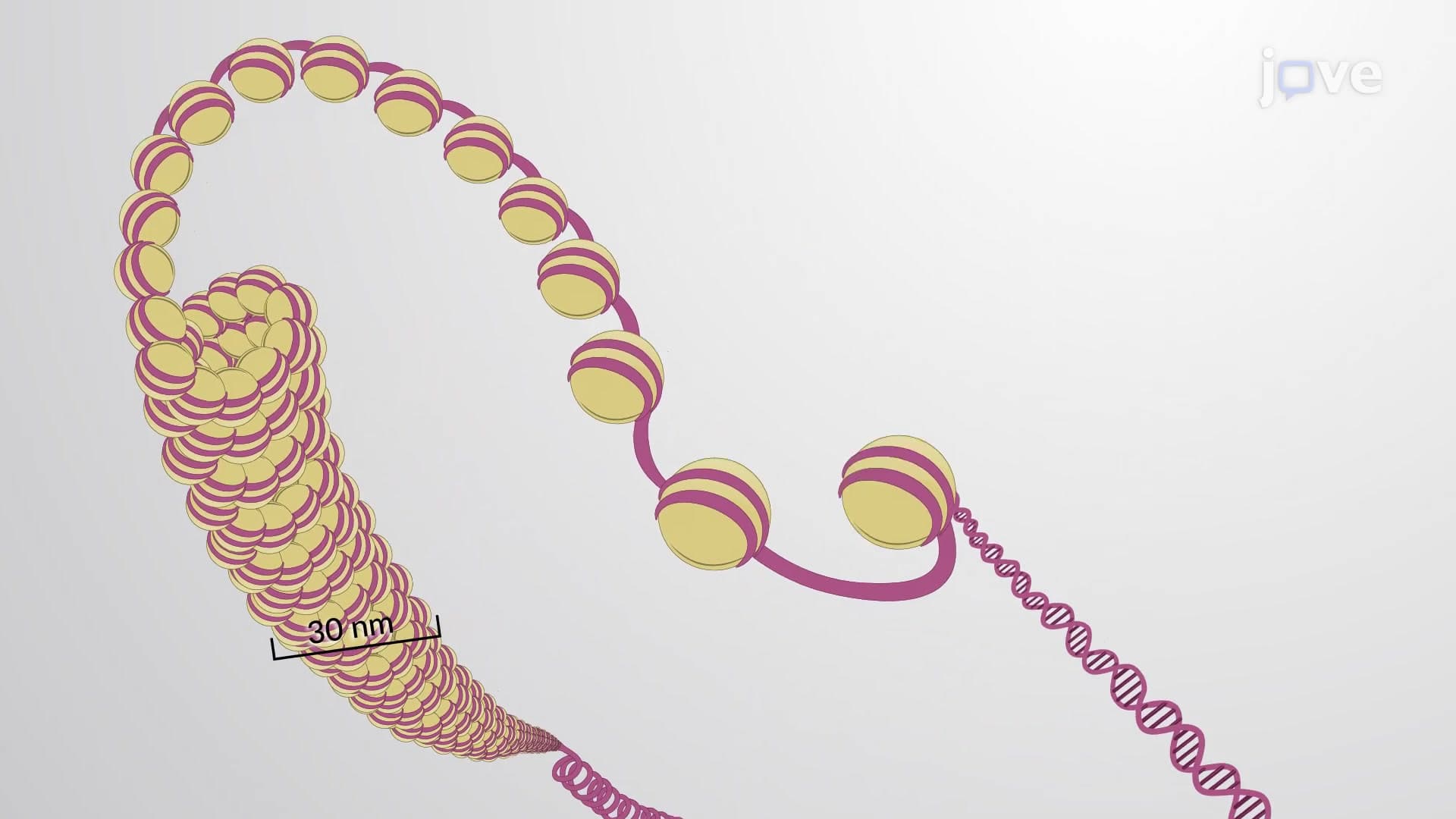

Video Summary: What Is Chromatin Packaging
Imagine cramming a 2-meter rope into a marble, that's essentially what happens when chromatin packaging explained through the incredible process of DNA organization in every human cell. During the SAT II Biology exam, students at Thomas Jefferson High School for Science and Technology often struggle with visualizing how massive DNA molecules fit inside microscopic cell nuclei through systematic chromatin packaging. This fundamental process involves histone proteins, nucleosome formation, and progressive DNA compaction reaching ratios of 1:10,000 during cell division. Watch the full video on JoVE Coach to master this concept with expert-led visuals and step-by-step explanations.
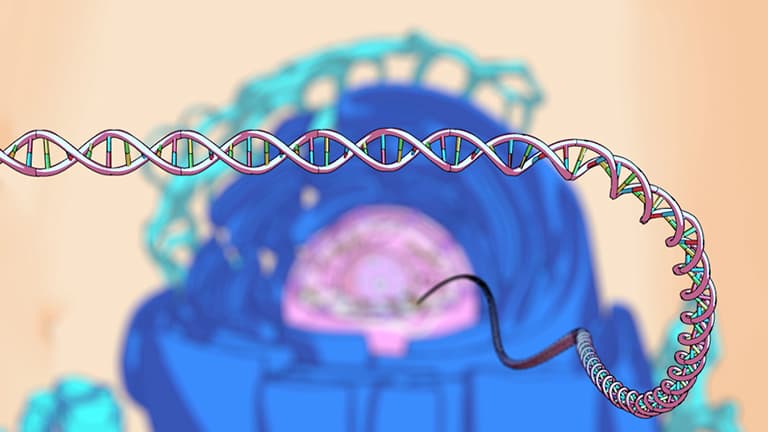
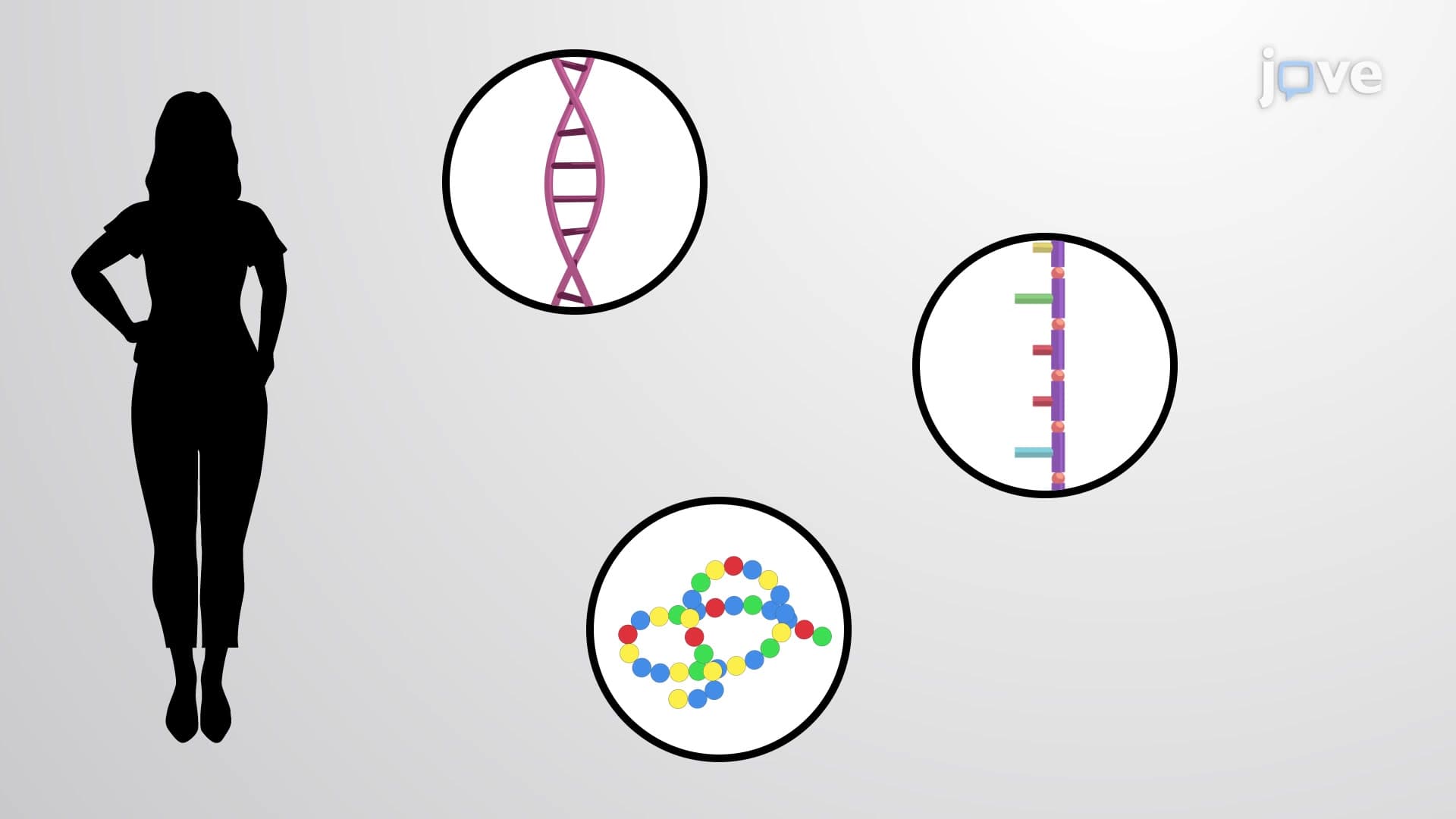
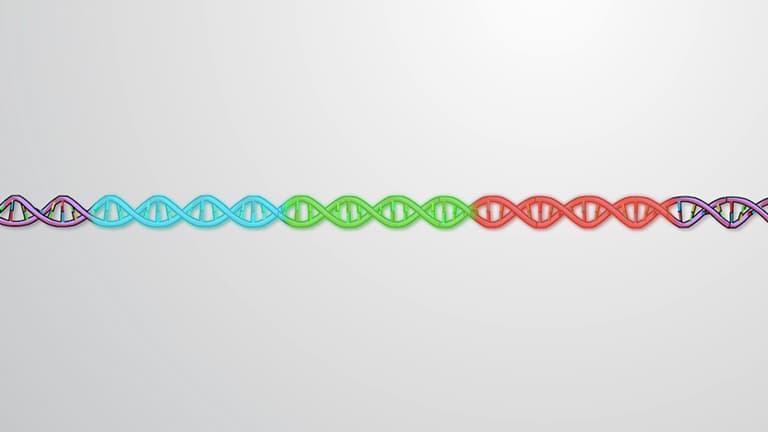
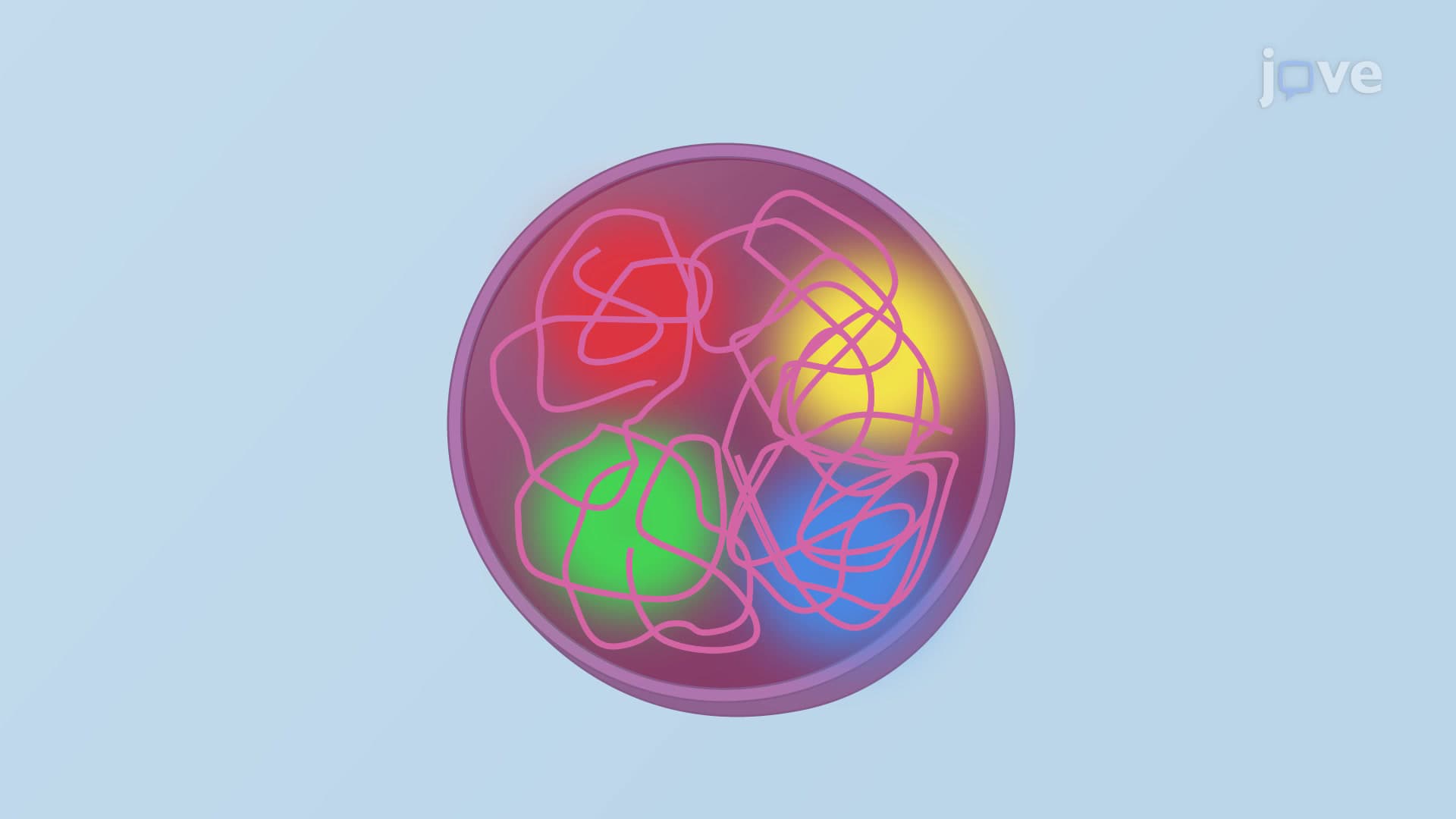
Chromatin packaging explained begins with appreciating the remarkable engineering challenge cells face: organizing approximately 6 billion base pairs of DNA within a nucleus measuring just 10 micrometers in diameter. This chromatin DNA packaging biology process occurs through multiple hierarchical levels, each contributing to overall compaction while maintaining accessibility for essential cellular functions.
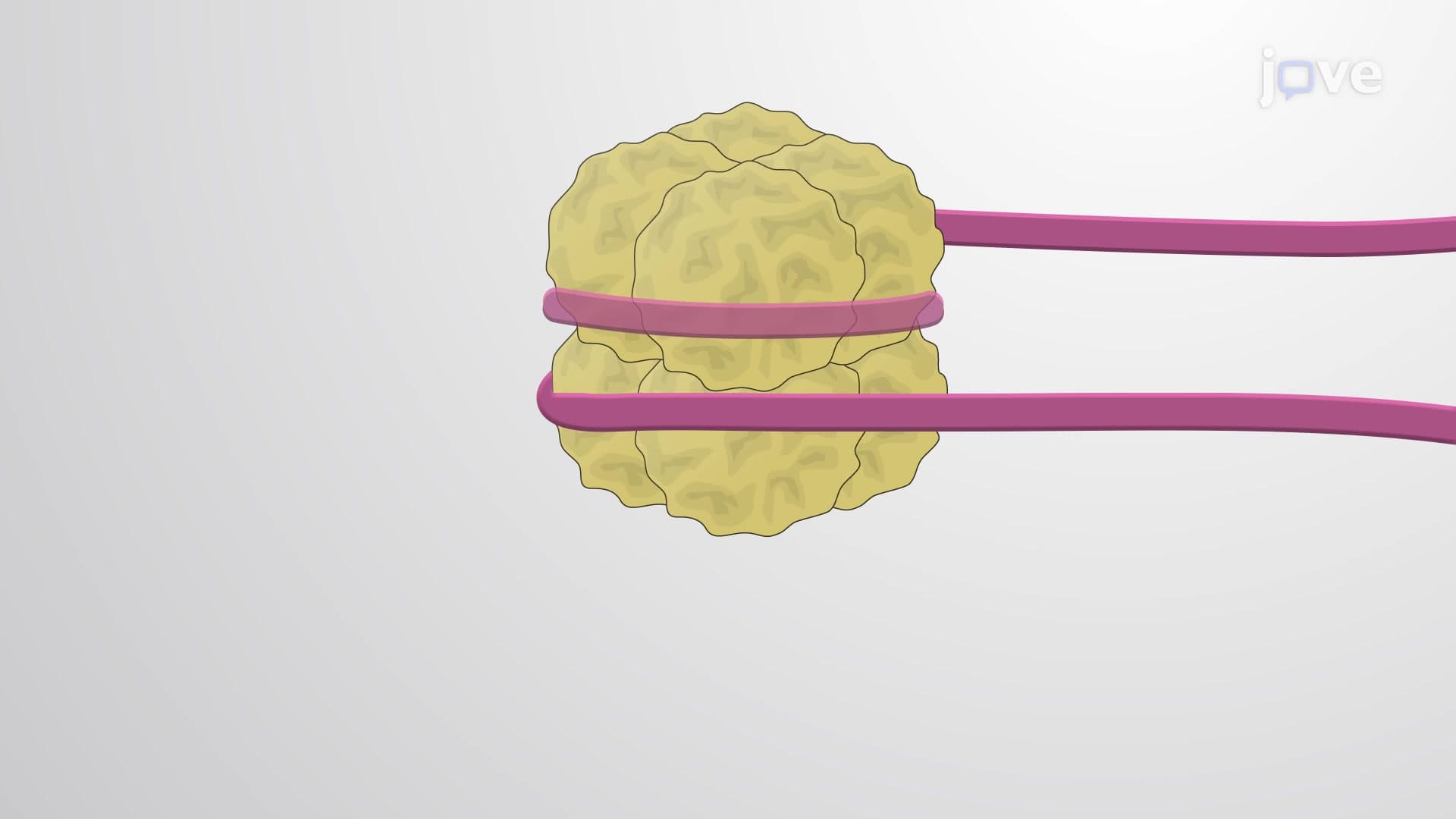
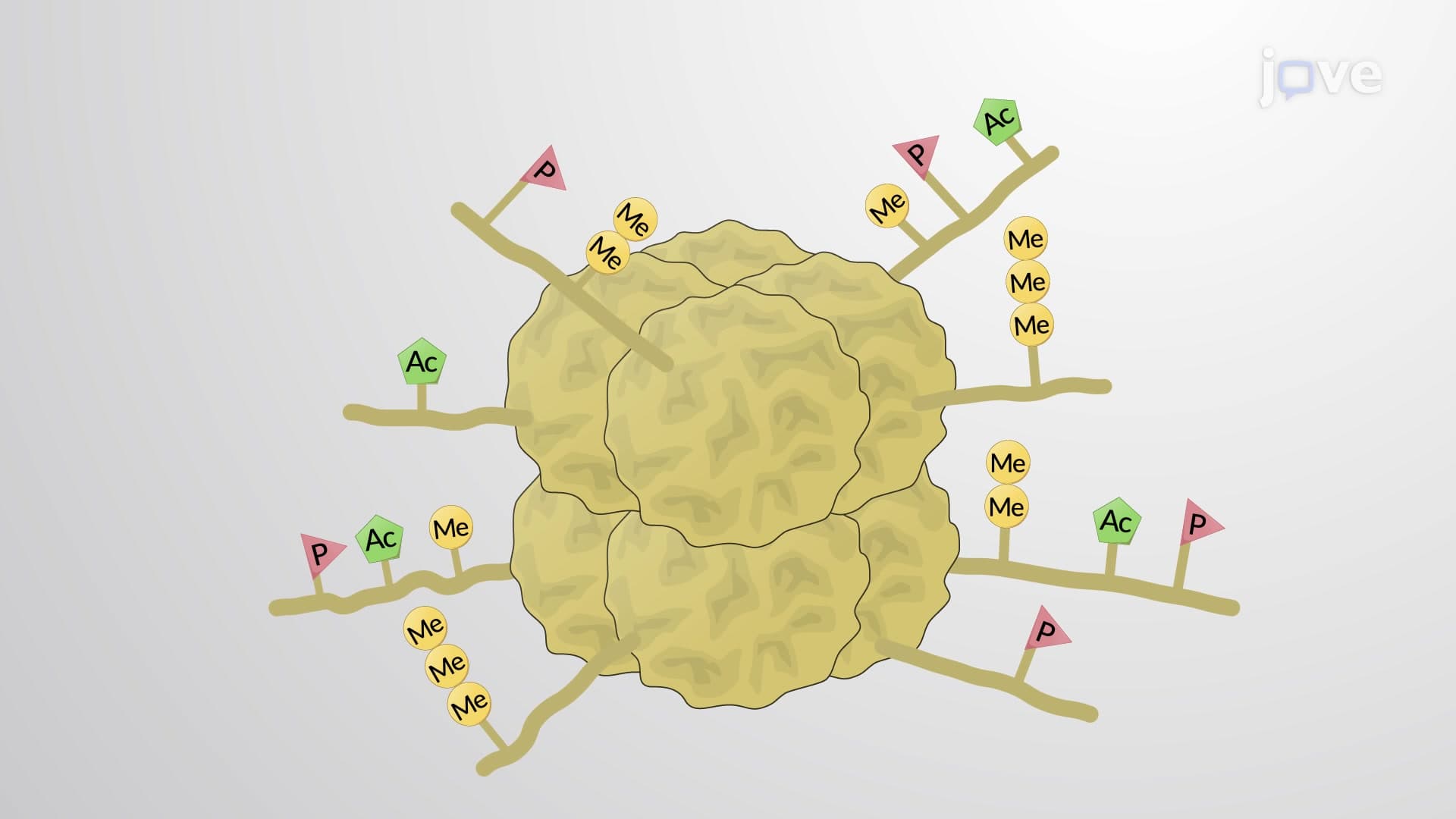
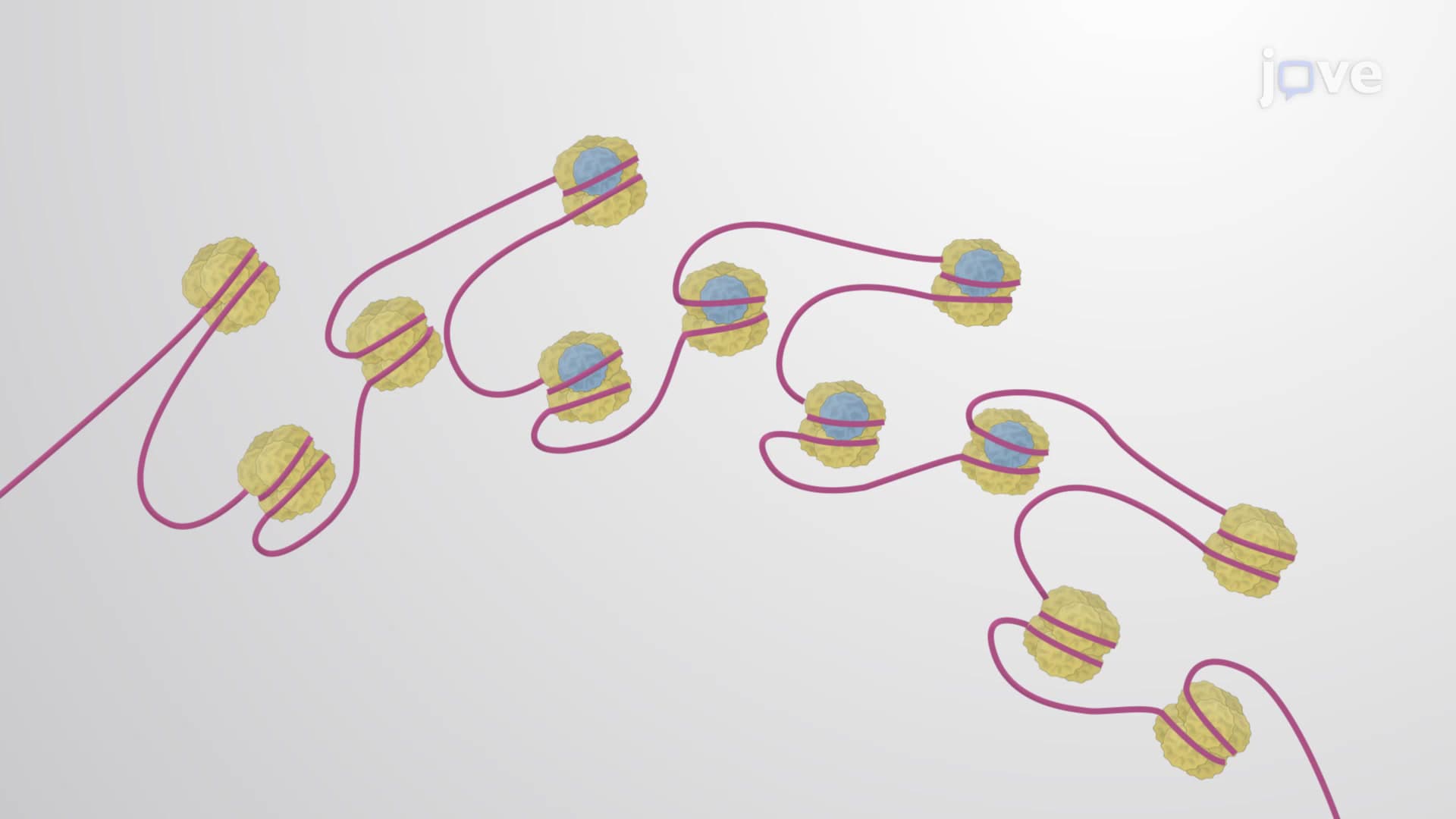
The foundation of chromatin organization rests on nucleosomes, often described as "beads on a string." Each nucleosome contains 147 base pairs of DNA wrapped 1.65 times around an octamer of core histone proteins (H2A, H2B, H3, and H4). This initial packaging reduces DNA length approximately 7-fold, transforming the extended double helix into a more manageable structure.
The next organizational level involves histone chromatin packaging through H1 binding. This linker histone associates with nucleosomes and connecting DNA segments, facilitating the formation of 30 nm chromatin fibers. The widely accepted solenoid model proposes that nucleosomes arrange in left-handed helical conformations with six nucleosomes per turn, achieving an additional 50-fold compaction.
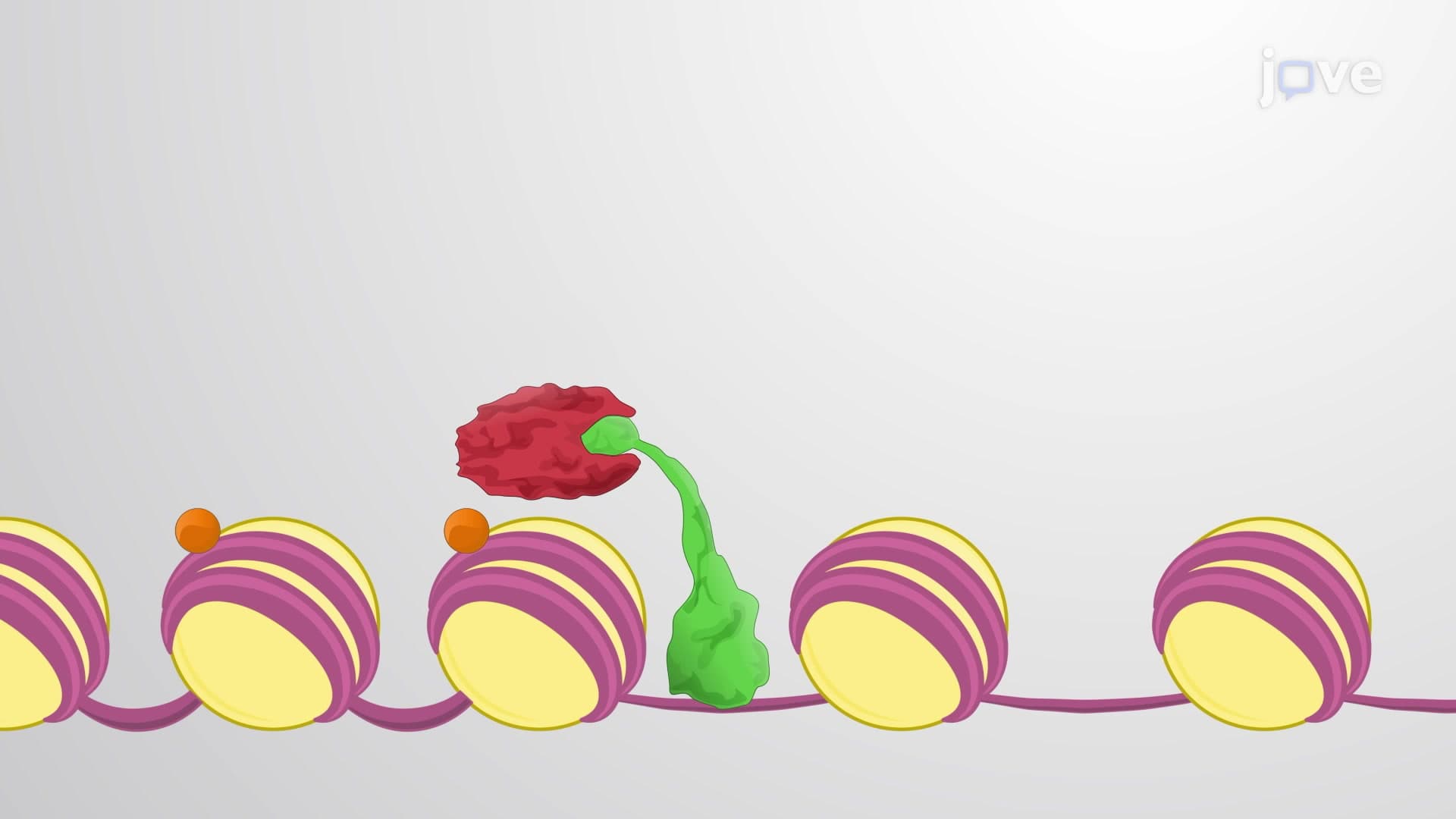
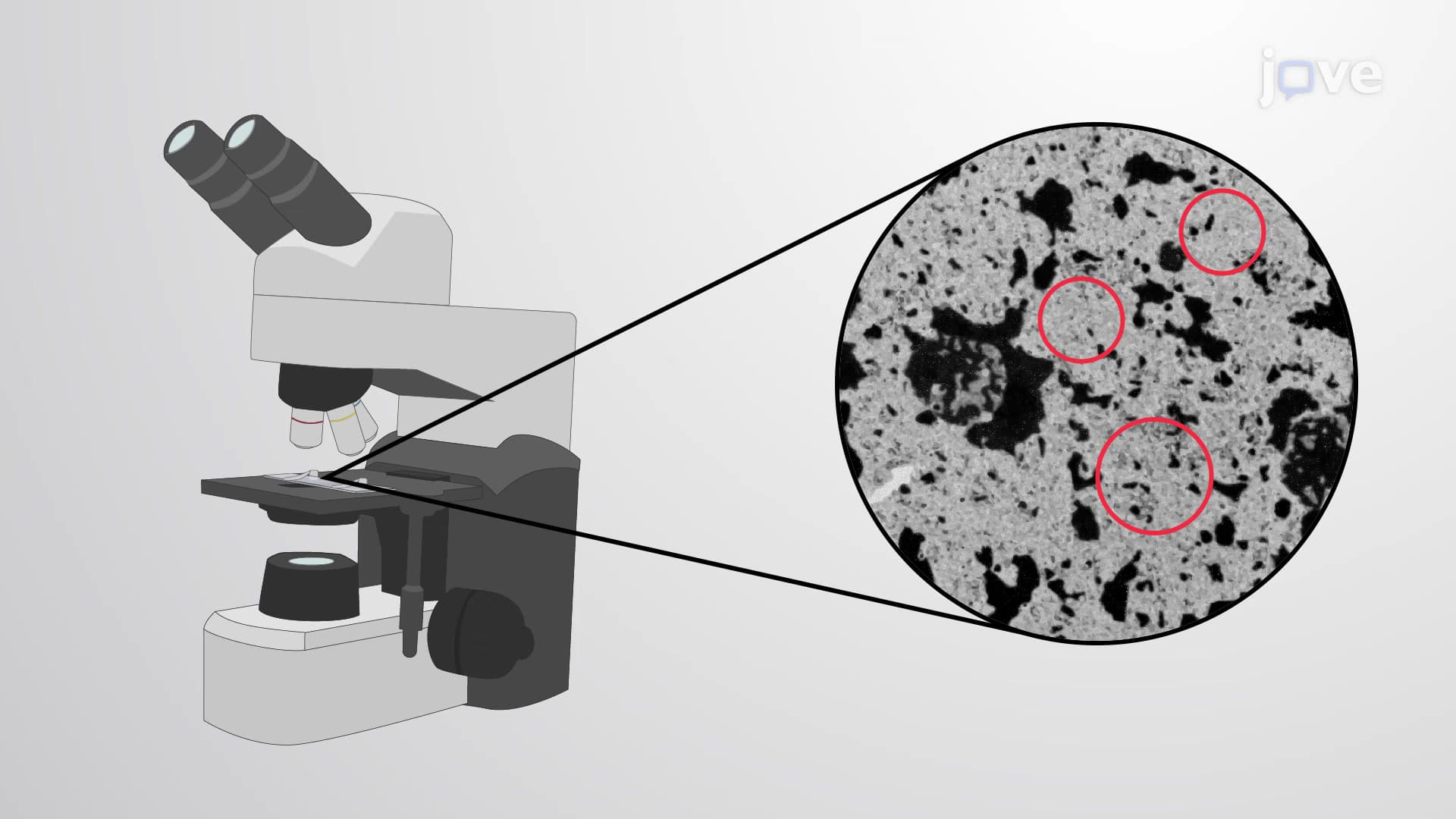
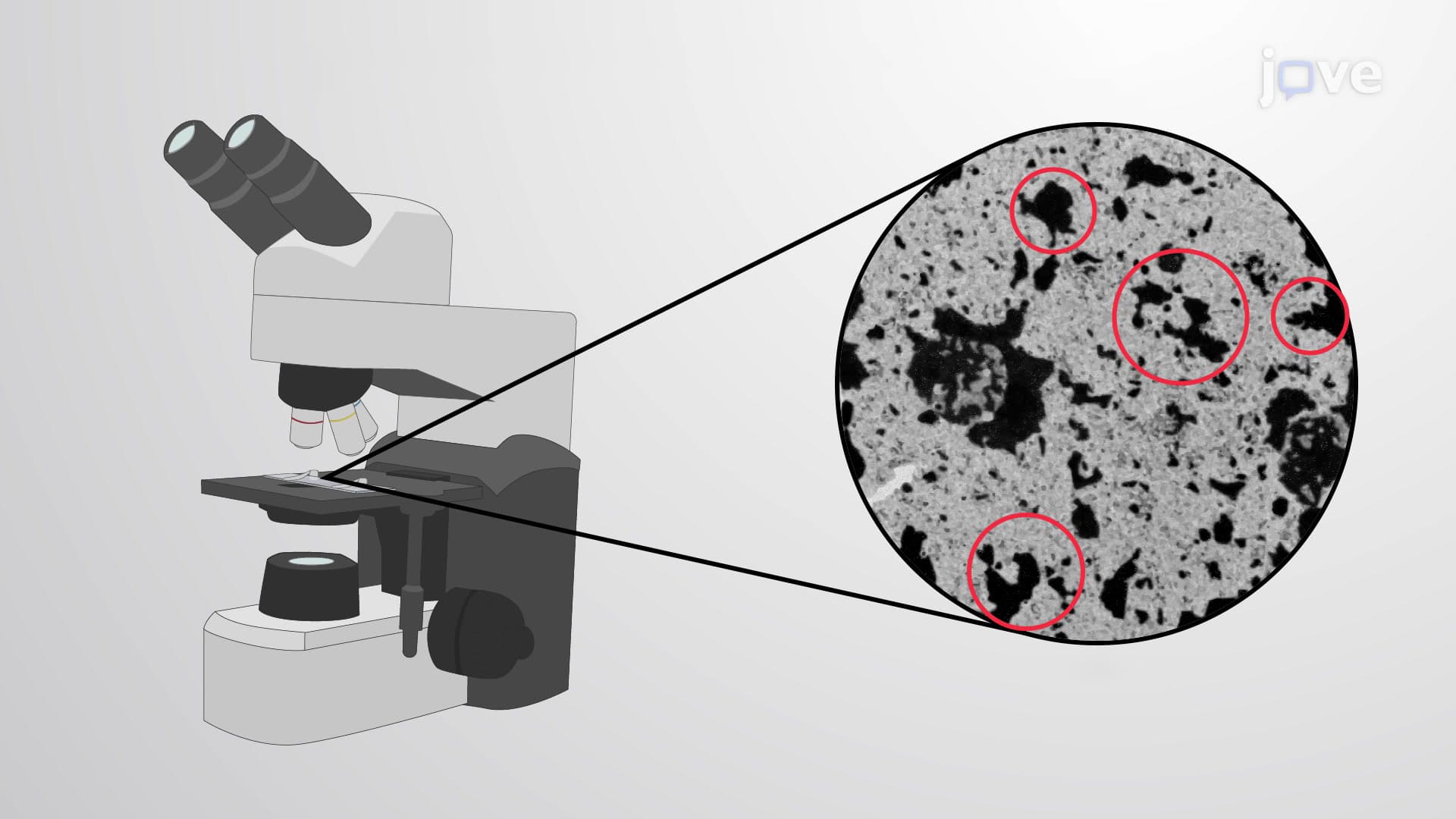
Students preparing for Advanced Placement Biology exams should understand that what is chromatin packaging in cell biology extends beyond simple compaction. Active genes exist in relaxed, accessible chromatin states (euchromatin), while inactive regions remain tightly packed (heterochromatin). This dynamic organization allows cells to selectively access genetic information while maintaining overall nuclear organization.
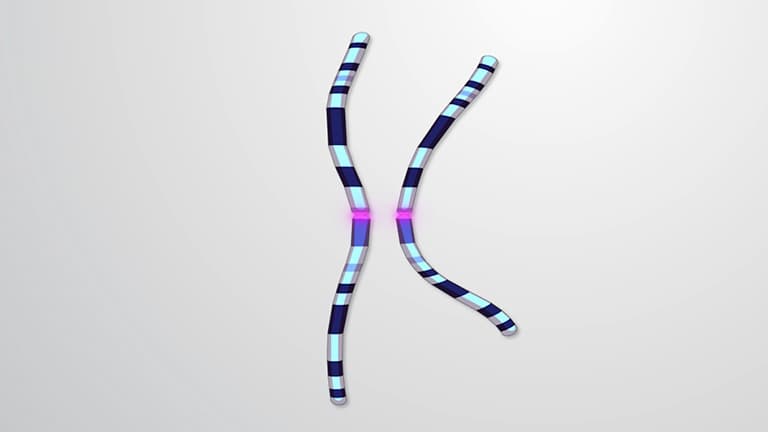
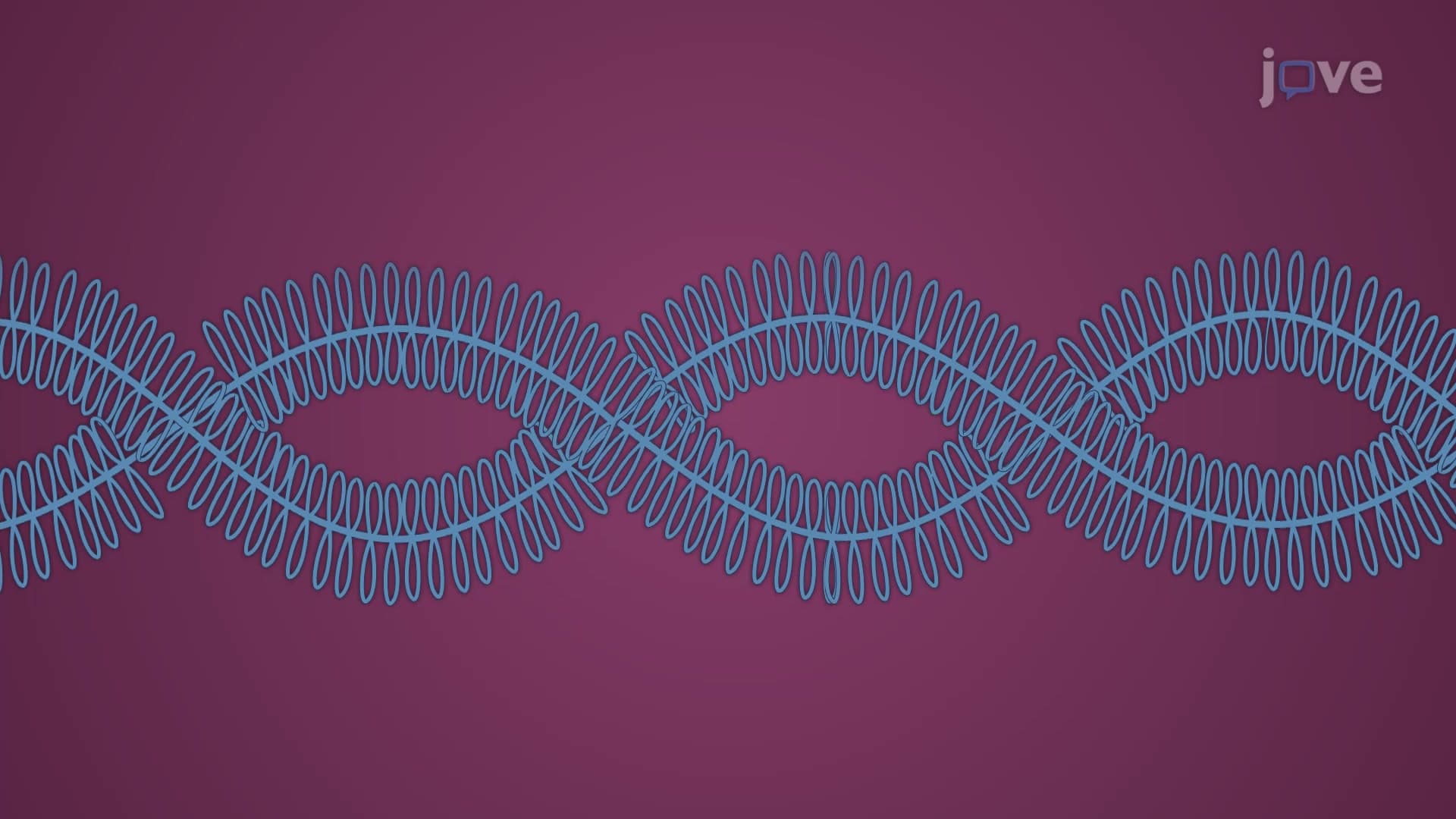
During metaphase, chromosome chromatin structure reaches maximum condensation through additional coiling and looping mechanisms. The 30 nm fibers organize into 300 nm loops, which then compact into 250 nm coils before forming visible metaphase chromosomes. This represents the ultimate chromatin condensation level, achieving overall compaction ratios of 1:10,000.
Medical students studying for the MCAT encounter chromatin packaging in contexts ranging from cancer biology to genetic disorders. Aberrant chromatin organization contributes to diseases like cancer, where altered histone modifications disrupt normal gene regulation. Understanding these mechanisms proves essential for future healthcare professionals working with genetic counseling, oncology, or molecular diagnostics in major US medical centers like Johns Hopkins Hospital or Mayo Clinic.
Related Micro-courses