Loading video…


 20 Concepts
 286.2K views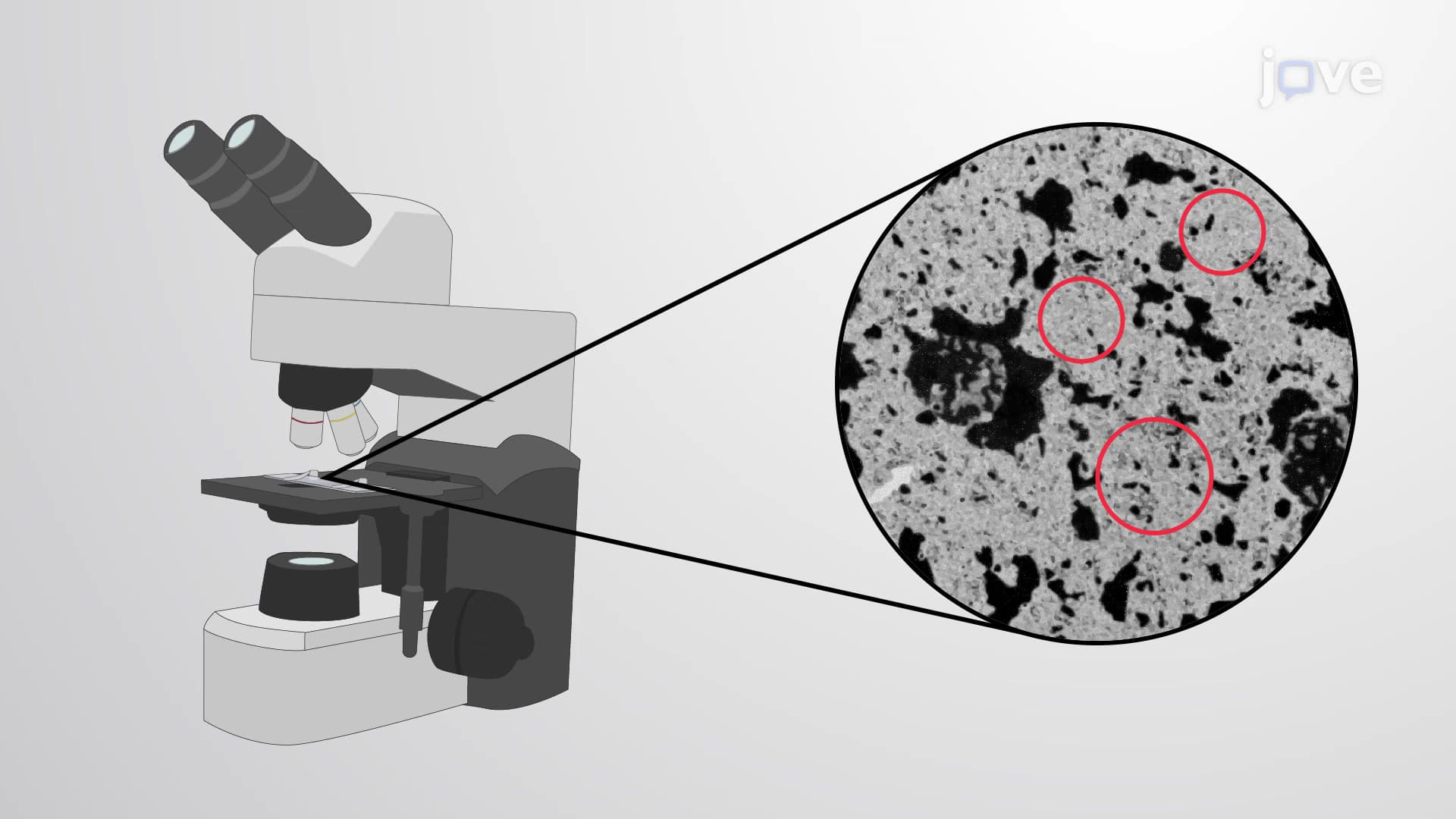

Video Summary: What Is Euchromatin
Ever wondered why some parts of your chromosomes look lighter under a microscope? Euchromatin, the loosely packed form of chromatin, appears as these lighter regions because it's actively being read by cellular machinery. In fact, researchers at Johns Hopkins University use euchromatin staining patterns to diagnose certain genetic disorders. Understanding what is euchromatin reveals how your cells control gene expression and maintain proper function. Watch the full video on JoVE Coach to master this concept with expert-led visuals and step-by-step explanations.
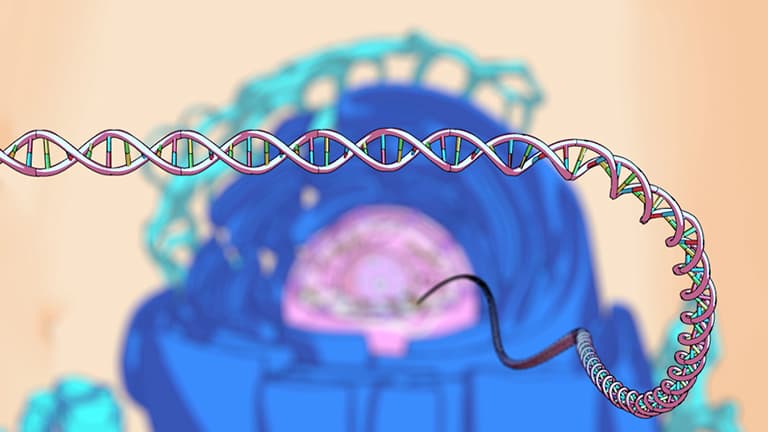
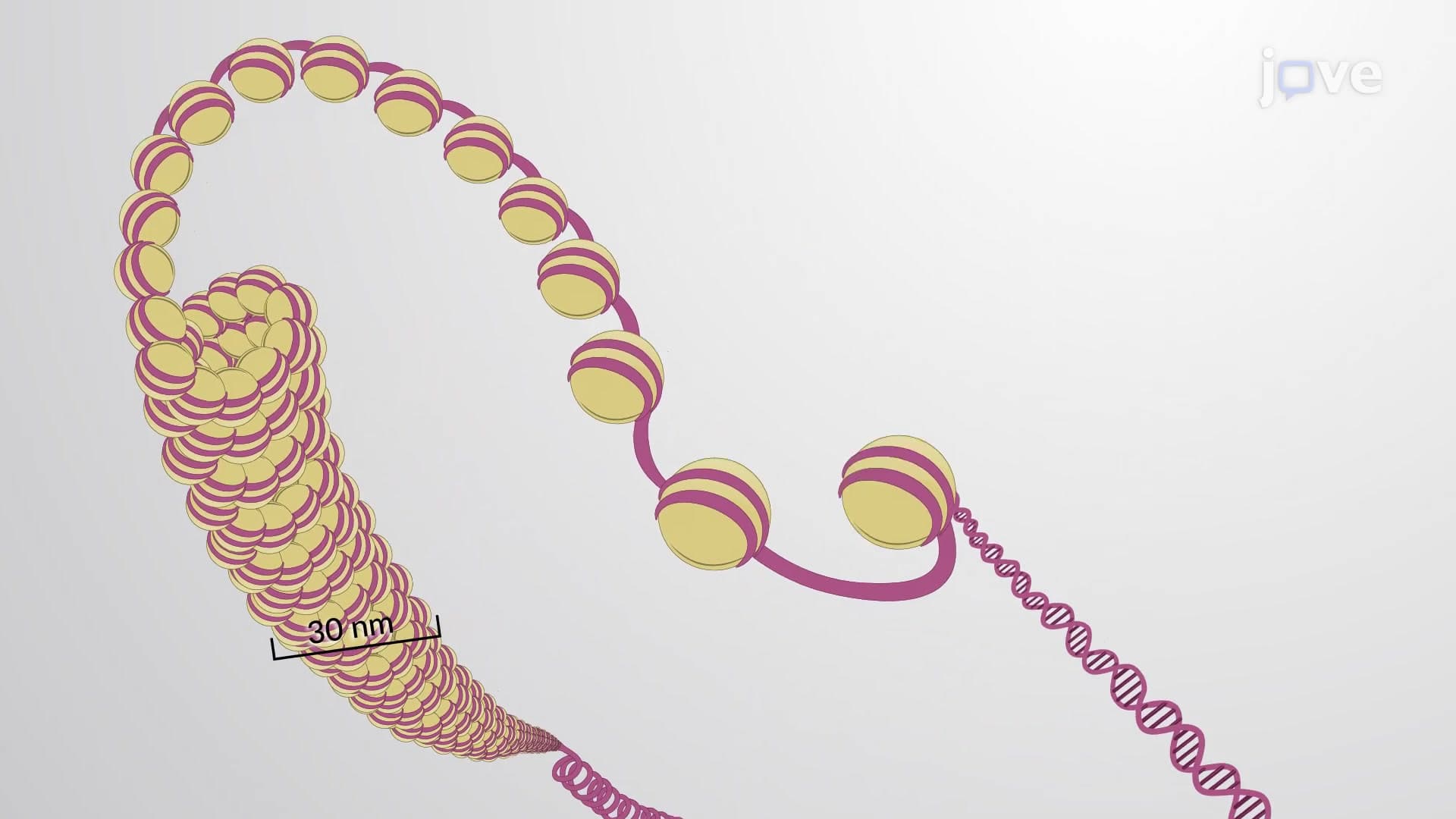
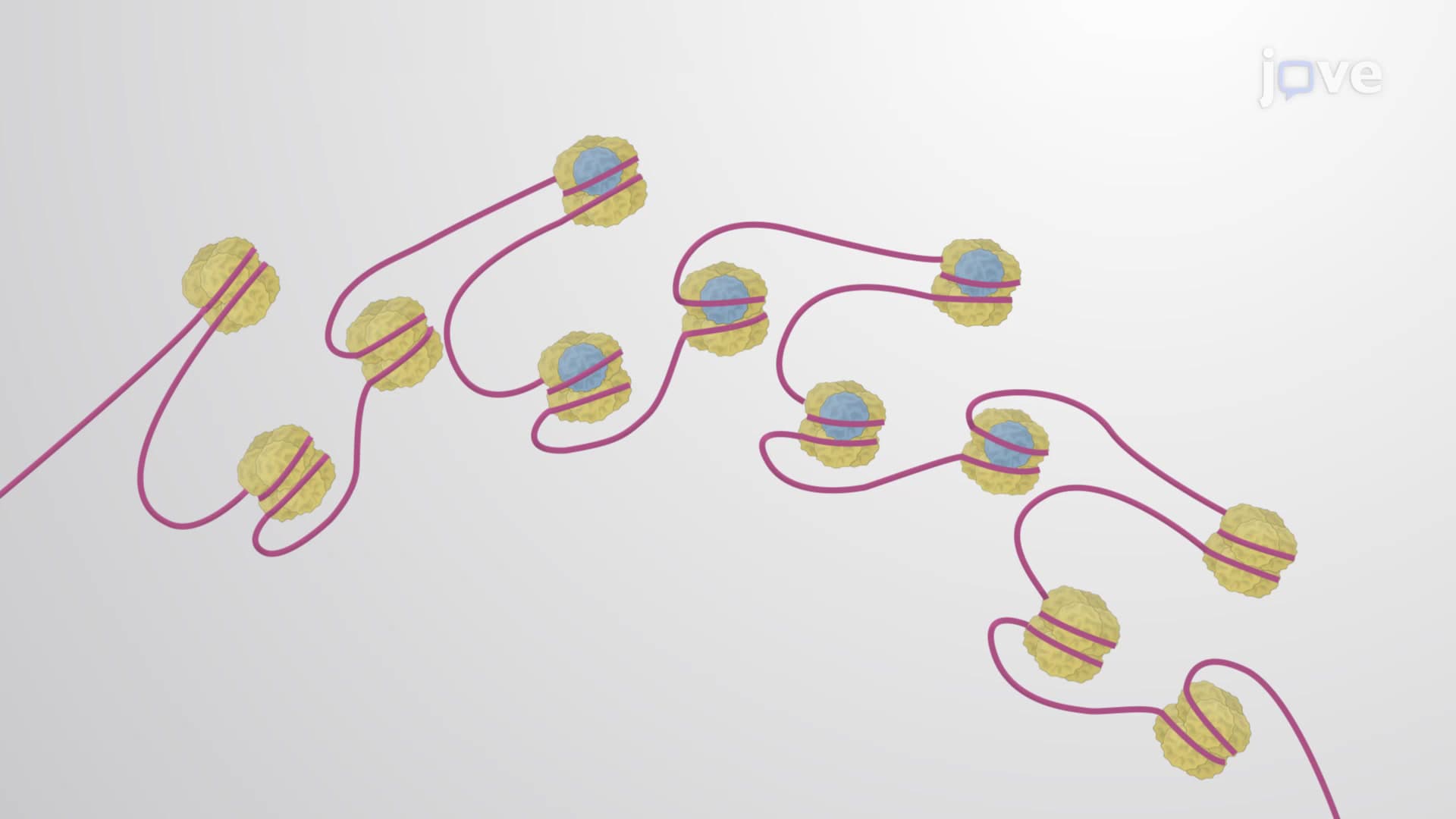
Euchromatin represents one of biology's most elegant solutions to the challenge of fitting enormous amounts of genetic information into microscopic cell nuclei while keeping it accessible for use. Unlike its tightly packed counterpart heterochromatin, euchromatin maintains a relaxed, open structure that allows cellular machinery to easily access and read genetic instructions.
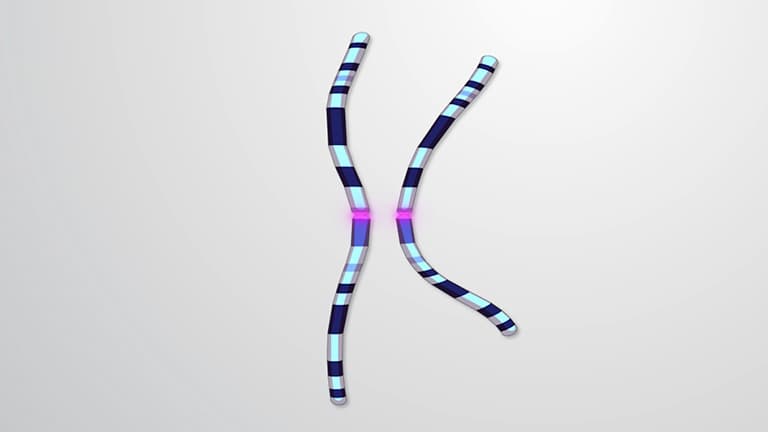
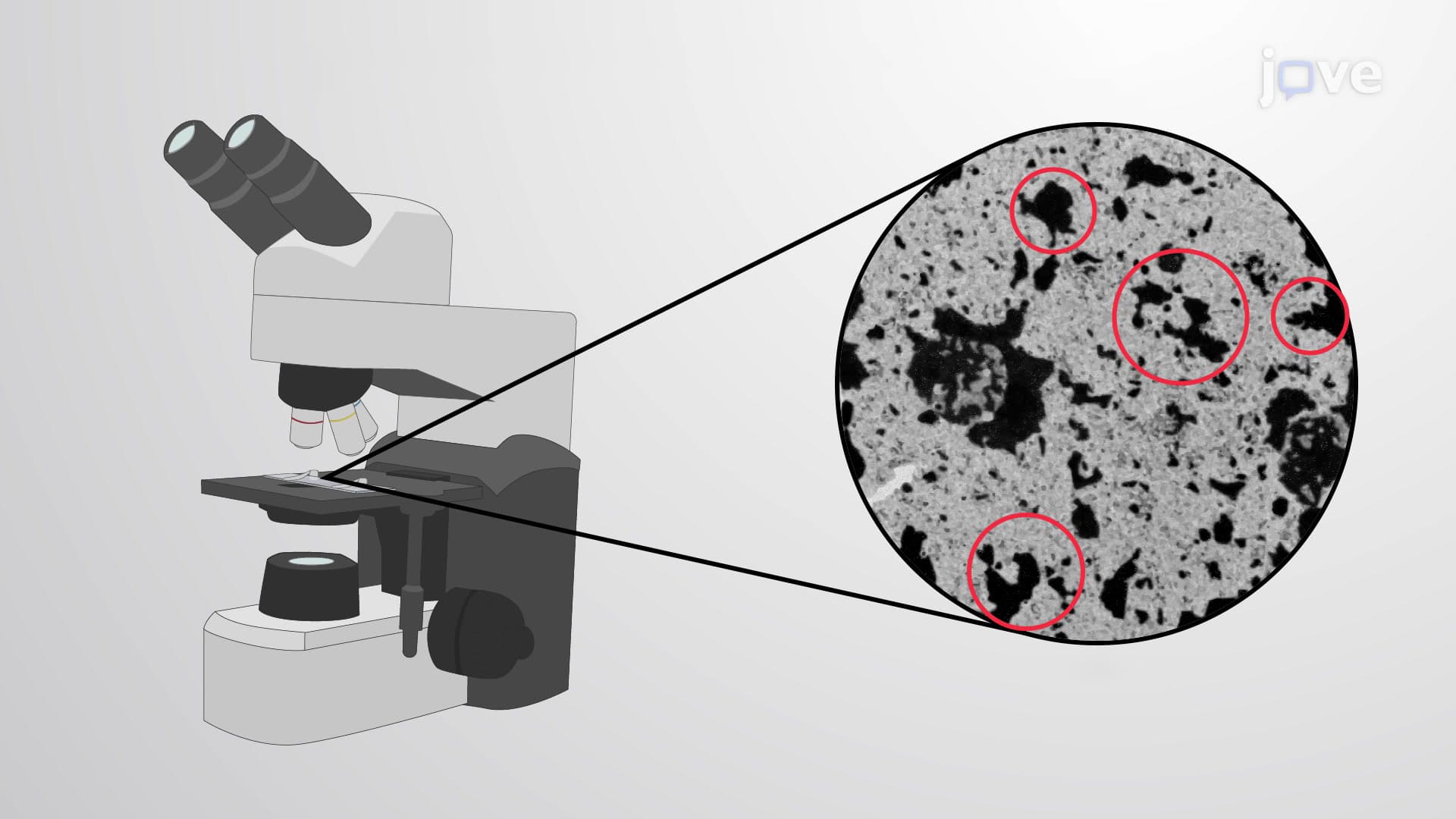
The defining feature of euchromatin lies in its loose packaging arrangement. When cells are prepared for microscopic examination using standard staining techniques, euchromatin appears as lightly colored regions because its open structure cannot retain as much stain as densely packed heterochromatin. This visual distinction has proven invaluable for researchers at institutions like the National Institutes of Health, where scientists use euchromatin staining patterns to study gene regulation and diagnose chromosomal abnormalities.
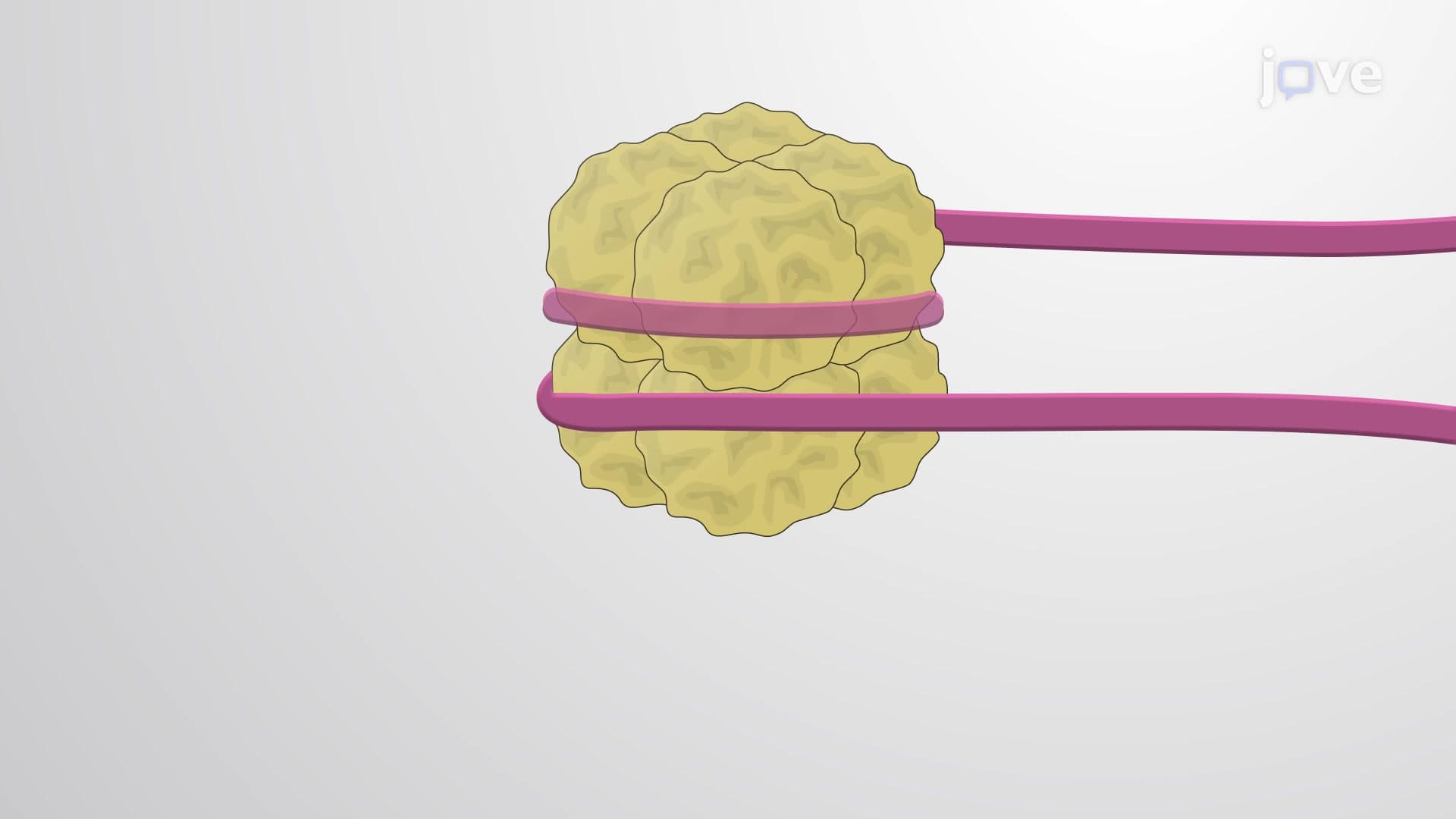
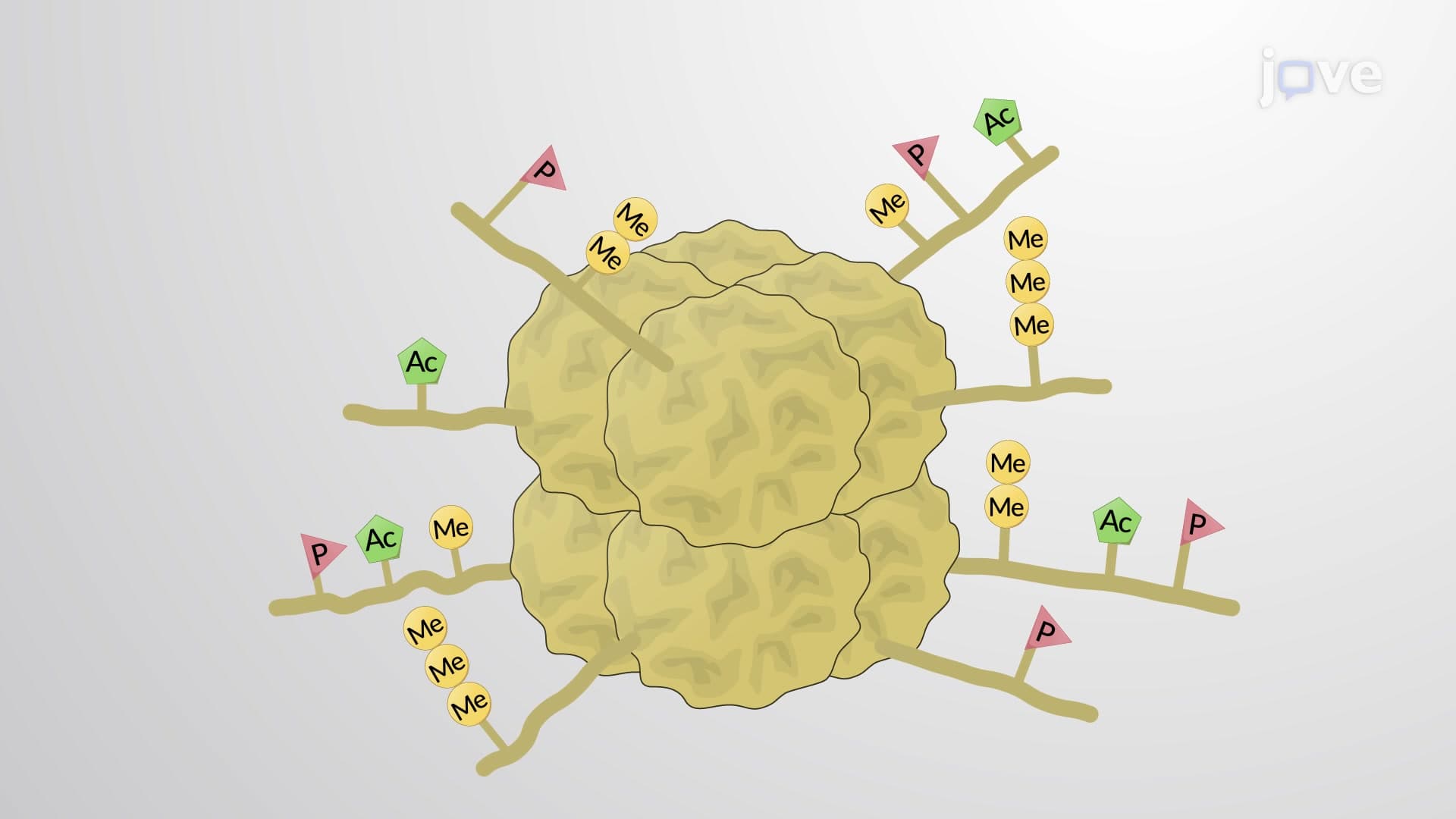
The structural foundation of euchromatin's openness stems from specific chemical modifications to histone proteins. Extensive acetylation of histone tails adds negative charges to these DNA-packaging proteins, reducing their attraction to the negatively charged DNA backbone. This electrostatic repulsion creates the loose, accessible structure characteristic of euchromatin.
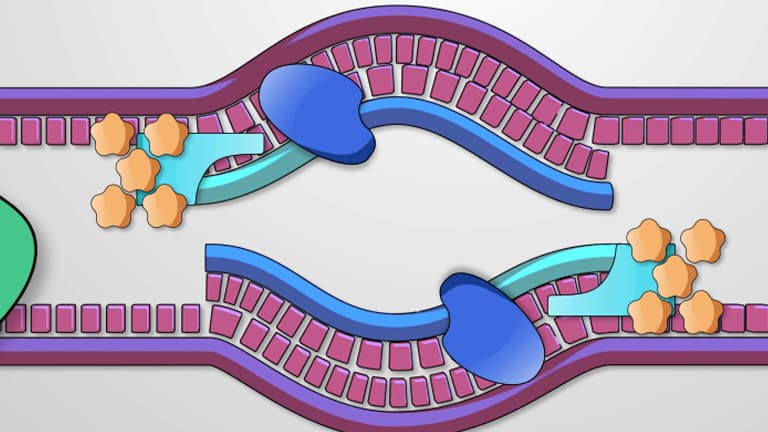
Euchromatin's open architecture serves a critical biological purpose: it enables active gene transcription. The loose packaging allows transcription factors, RNA polymerase, and other regulatory proteins to easily access specific DNA sequences. This accessibility makes euchromatin the primary site of active gene expression in eukaryotic cells.
During the cell cycle's S phase, euchromatin regions undergo DNA replication more readily than heterochromatin due to their accessible structure. This timing difference has important implications for understanding how cells maintain genetic stability while ensuring proper gene expression patterns.
Understanding euchromatin has practical applications in medical diagnostics and research. For example, oncologists at major cancer centers like MD Anderson use euchromatin analysis to understand how tumor cells alter gene expression patterns. Additionally, students preparing for the MCAT or AP Biology exams frequently encounter questions about chromatin structure and its relationship to gene regulation, making euchromatin a crucial concept for academic success.
Related Micro-courses