Loading subject page…


286,218 views

Video Summary: DNA as a Genetic Template Explained
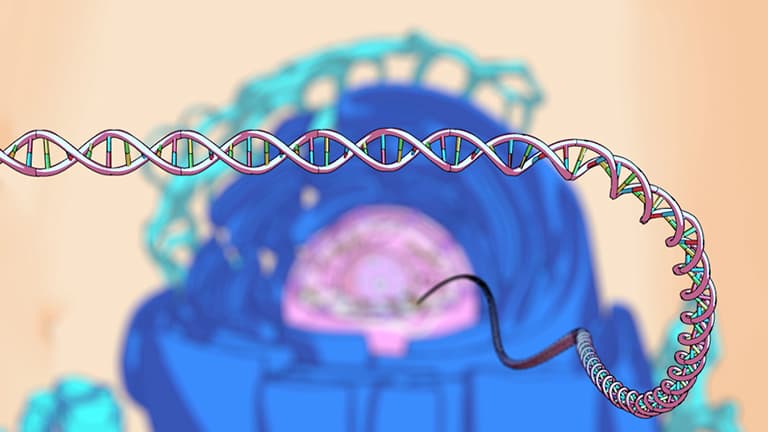
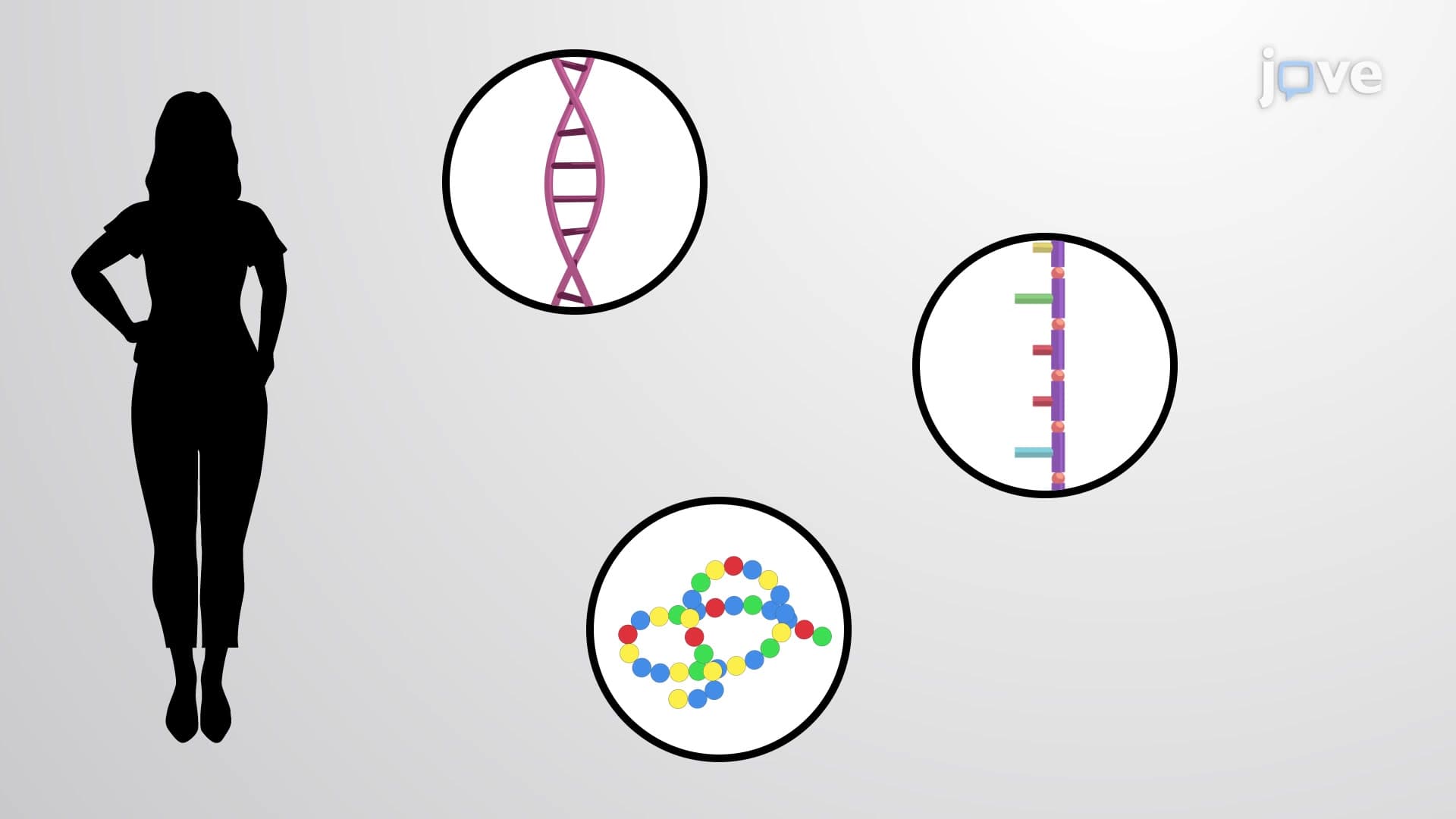
Ever wondered how identical twins share the same DNA? DNA as a genetic template enables precise genetic information transfer from parent to offspring and between cells during division. The Watson-Crick model revealed DNA's double helix structure, where complementary base pairing allows each strand to serve as a template for creating its partner strand. This templating mechanism explains how genetic diseases like sickle cell anemia are passed through families in the United States. Watch the full video on JoVE Coach to master this concept with expert-led visuals and step-by-step explanations.
DNA as a genetic template represents one of biology's most elegant solutions to information storage and transfer. The Watson-Crick model, published in 1953, revolutionized our understanding of how genetic information passes from generation to generation with remarkable fidelity. This templating system ensures that every cell in your body contains identical genetic information, from brain neurons to muscle fibers.
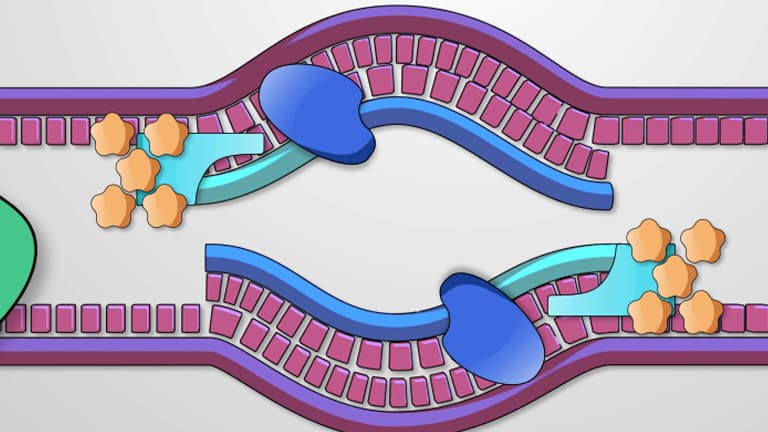
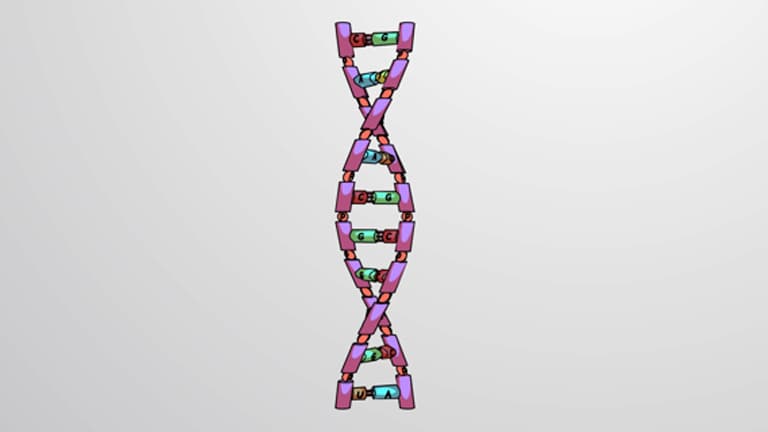
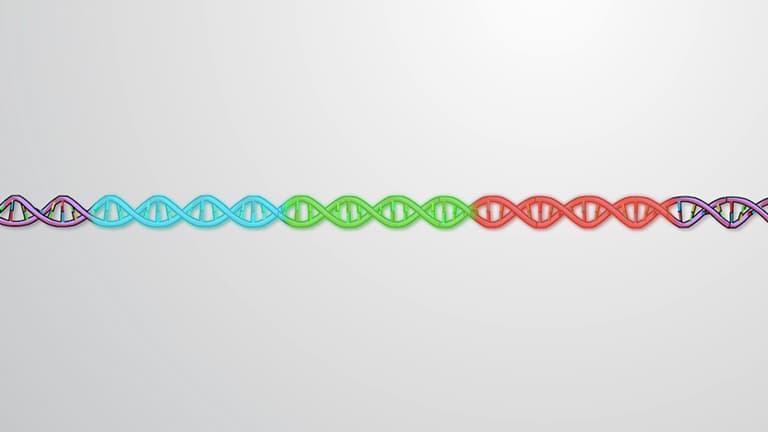
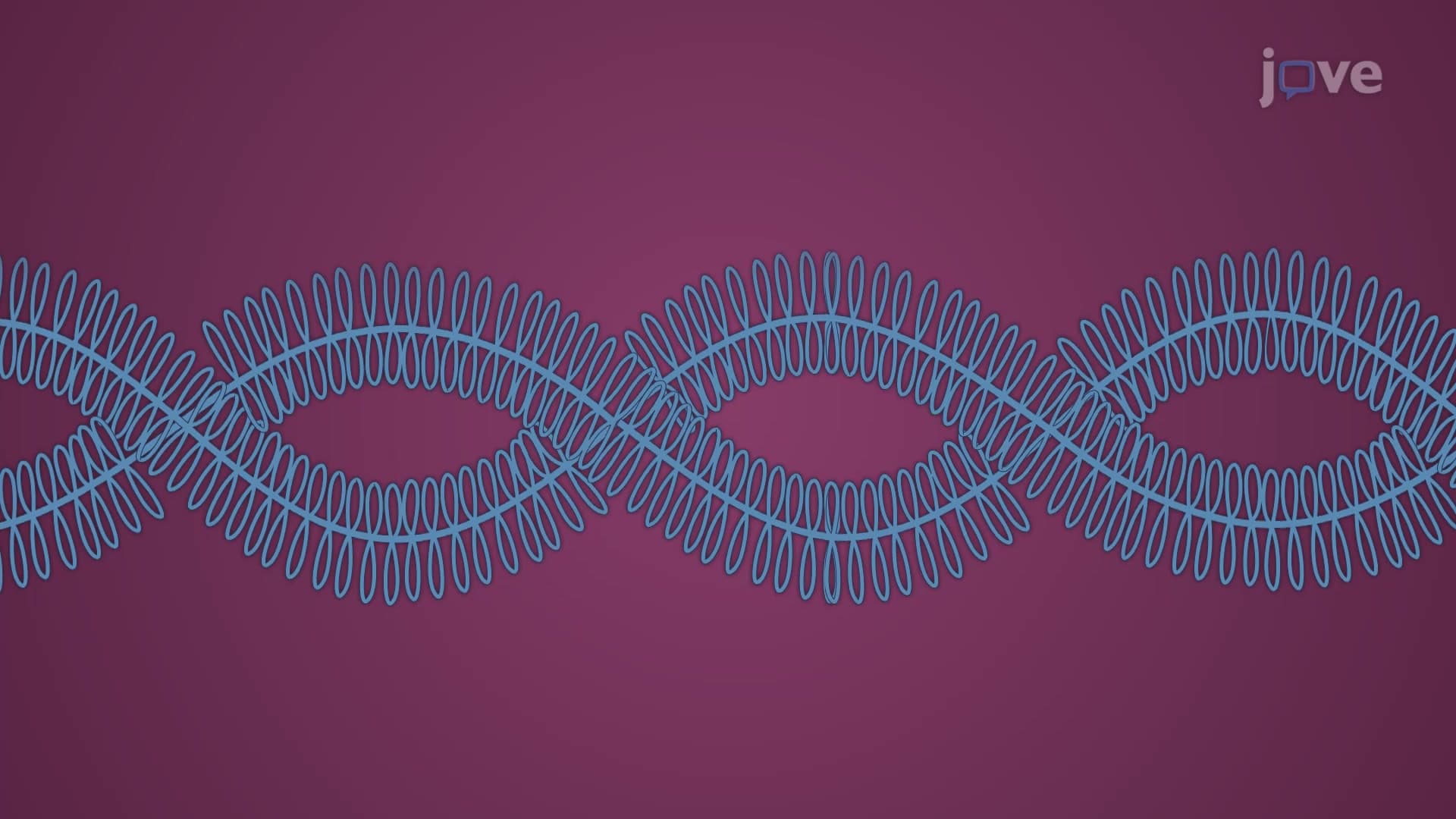
The DNA double helix functions as a sophisticated template system through its complementary base pairing mechanism. Adenine (A) always pairs with thymine (T), while guanine (G) pairs with cytosine (C). This strict pairing rule means that if you know the sequence of one strand, you can predict the entire sequence of its partner strand. For example, if one strand reads 5'-ATCG-3', its complement must be 3'-TAGC-5'. This predictable relationship makes DNA replication possible before cell division, ensuring daughter cells receive complete genetic information.
The antiparallel arrangement of DNA strands-where one strand runs 5' to 3' while its partner runs 3' to 5'-creates the structural foundation for template function. This orientation allows DNA polymerase enzymes to read the template strand and synthesize new complementary DNA during replication.
DNA templates don't just enable replication; they guide protein synthesis through the genetic code. Groups of three nucleotides, called codons, specify which amino acid gets incorporated during protein synthesis. For instance, the codon ATG codes for methionine, while TTT codes for phenylalanine. With four bases arranged in triplets, DNA can specify 64 different codons-more than enough to code for the 20 standard amino acids used in human proteins.
This templating system explains how genetic disorders arise and persist in families. Sickle cell anemia results from a single nucleotide change in the beta-globin gene template, where GAG (coding for glutamic acid) becomes GTG (coding for valine). This small template change dramatically alters protein function and causes the characteristic sickled red blood cells.
Understanding DNA templating proves crucial for AP Biology students and pre-med students preparing for the MCAT. The concept appears frequently in genetics problems involving inheritance patterns, DNA replication mechanisms, and molecular biology applications. Medical schools emphasize DNA templating when teaching genetic counseling, personalized medicine, and gene therapy approaches.
In research institutions like the National Institutes of Health (NIH), scientists leverage DNA templating principles to develop treatments for genetic diseases, create genetically modified organisms for research, and understand evolutionary relationships between species.
Related Micro-courses