Loading subject page…


286,219 views


Video Summary: Histone Variants at the Centromere Explained
Ever wonder how your chromosomes avoid getting tangled during cell division? Histone variants at the centromere act like molecular traffic controllers, ensuring each chromosome finds its correct destination. These specialized proteins, particularly CENP-A, replace regular histones at chromosome centromeres-the pinched regions where cellular machinery attaches during division. Consider how this process ensures that skin cells in a Stanford University research lab maintain exactly 46 chromosomes through countless divisions. Watch the full video on JoVE Coach to master this concept with expert-led visuals and step-by-step explanations.
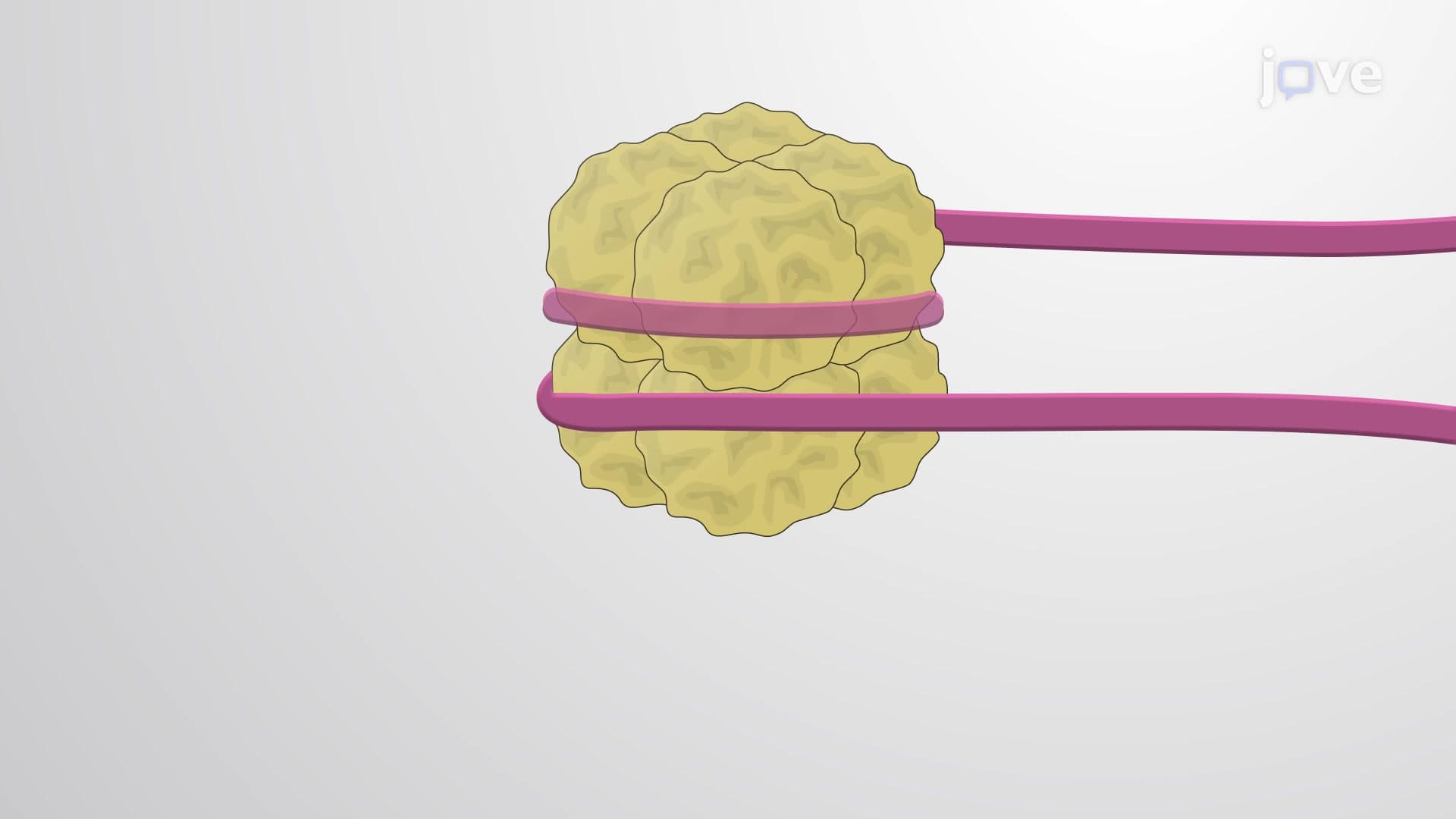
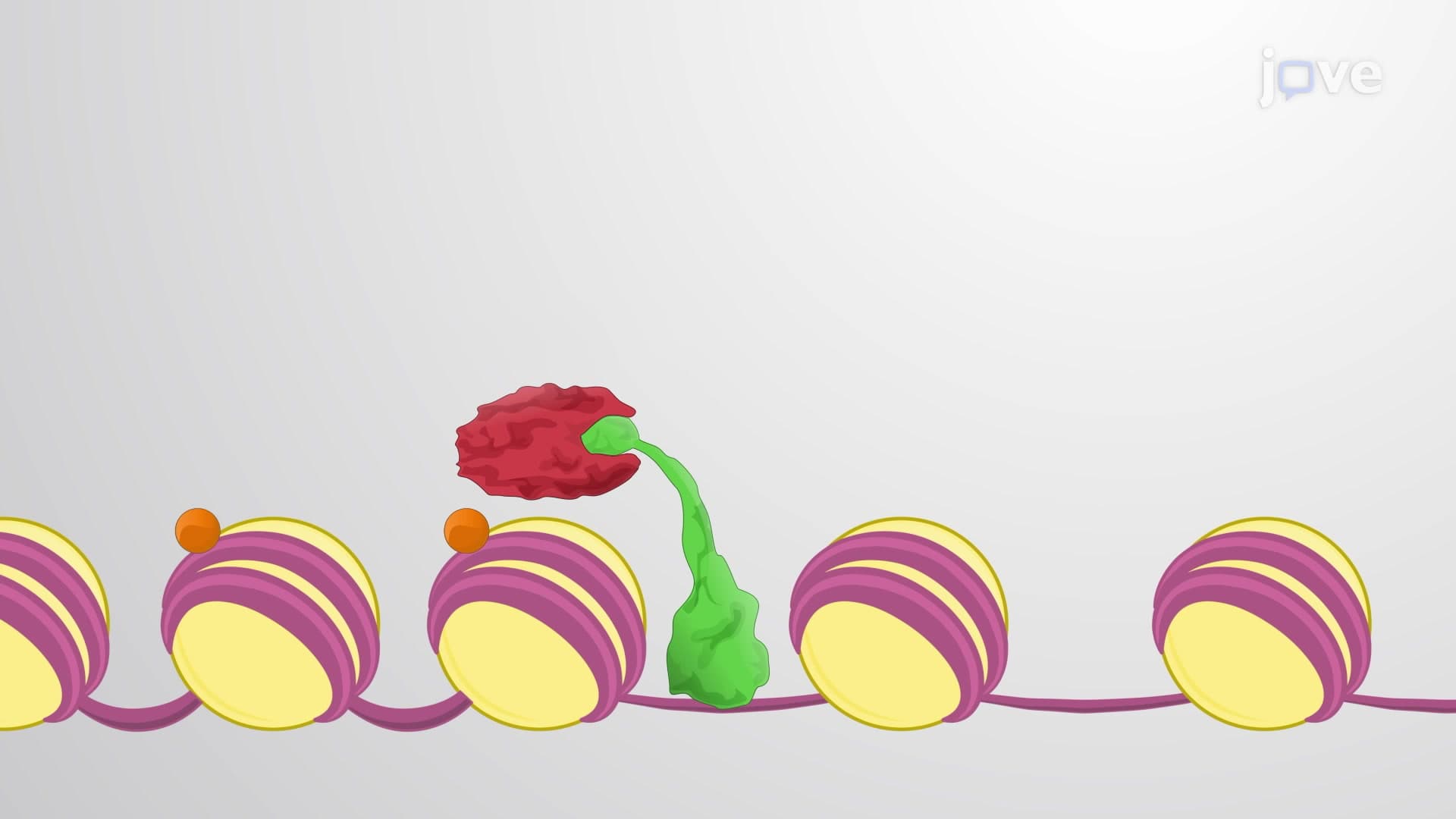
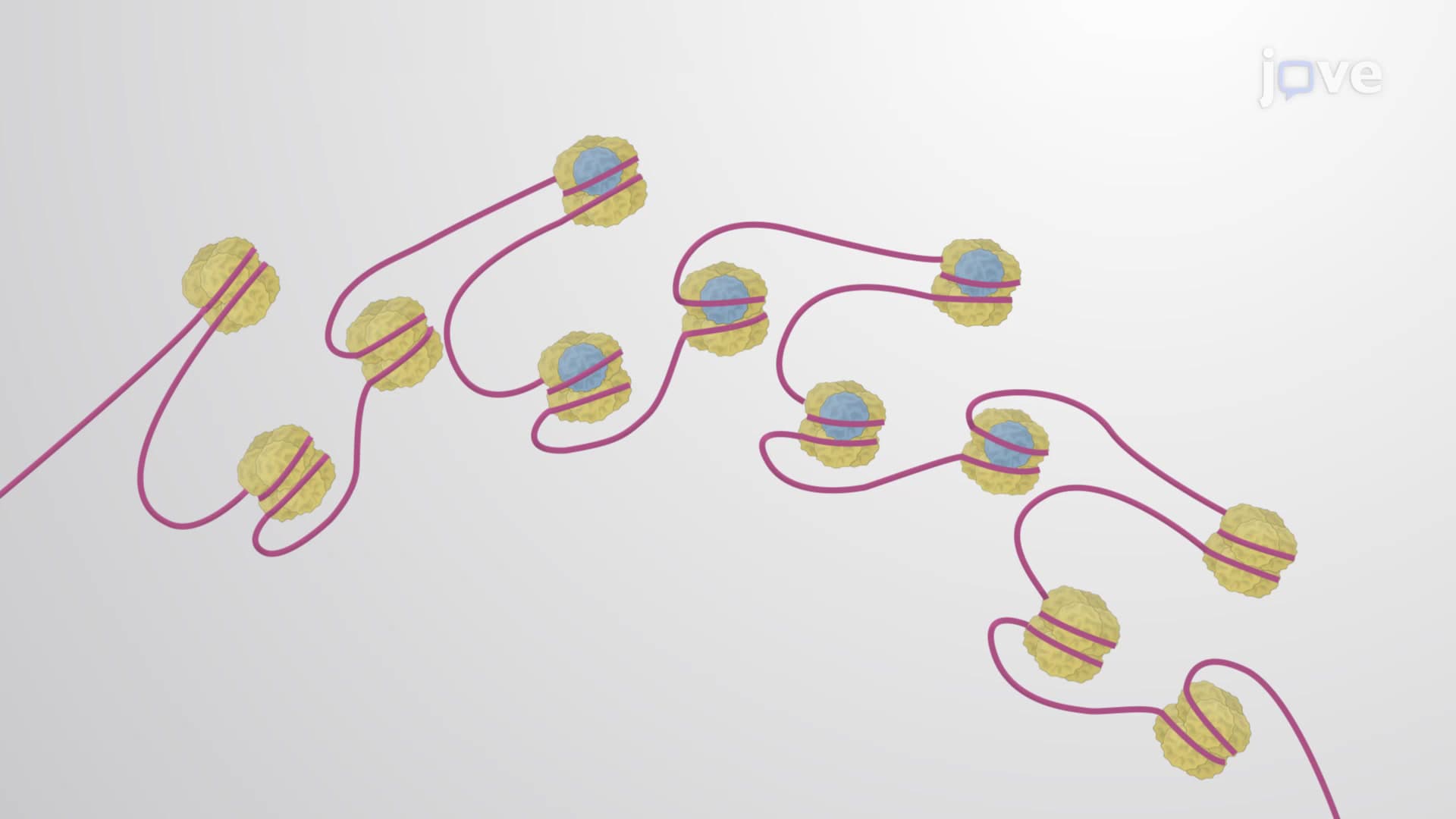
Histone variants at the centromere represent one of biology's most elegant solutions to chromosome organization. Unlike the uniform histone H3 found throughout most chromatin, centromeres contain the specialized variant CENP-A (Centromere Protein A). This substitution fundamentally alters nucleosome properties, creating landmarks that cellular machinery can recognize during division.
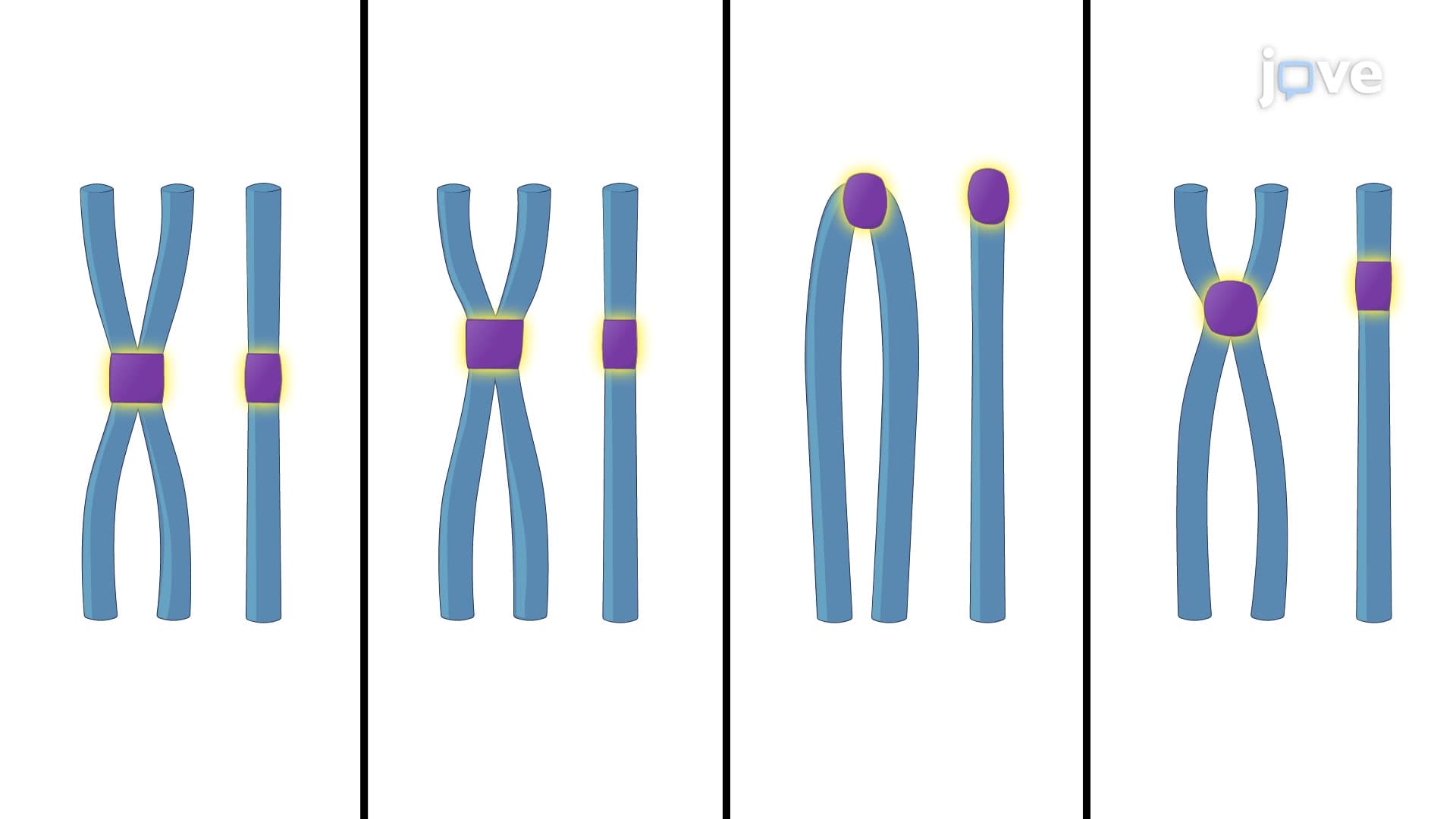
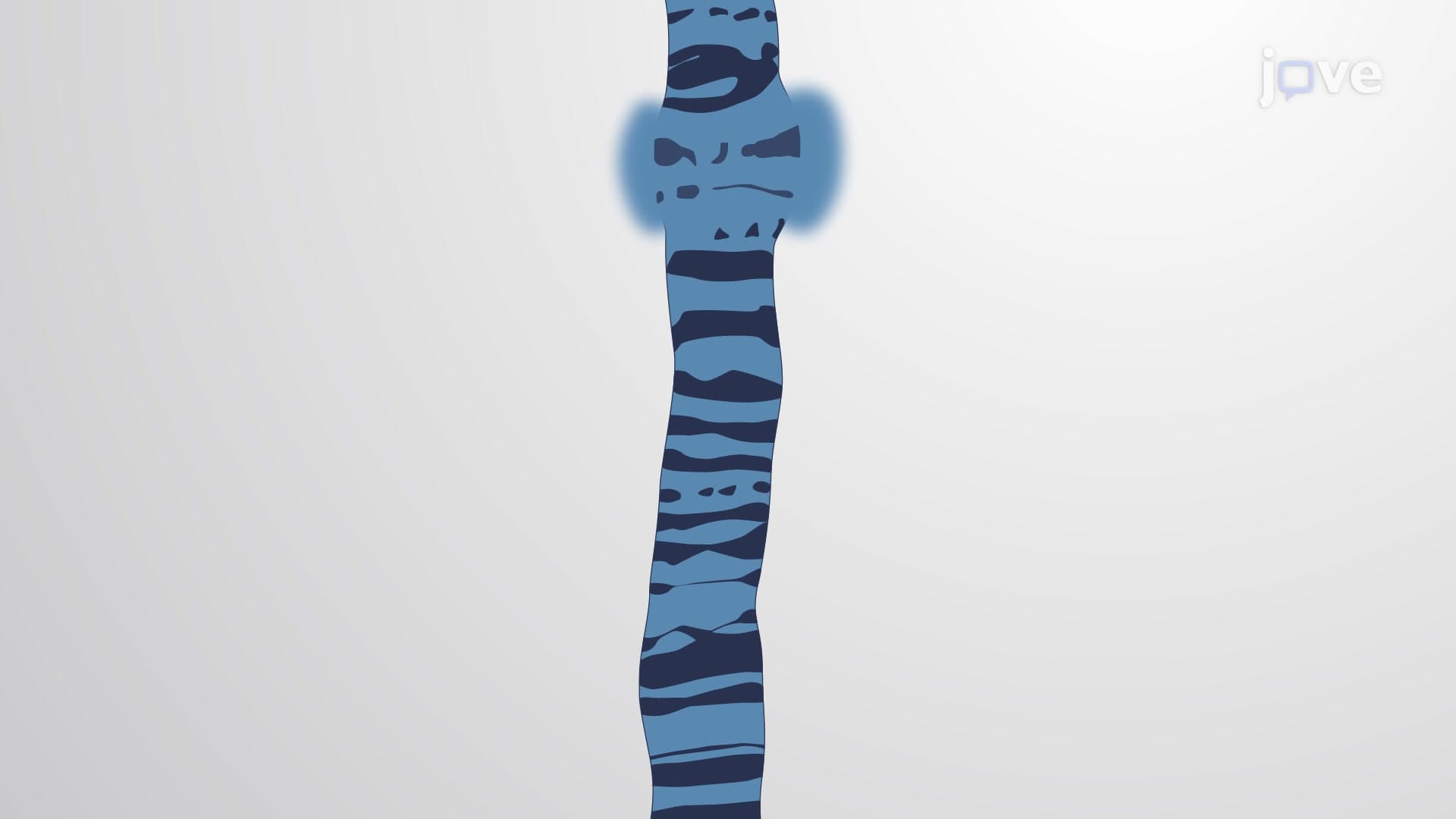
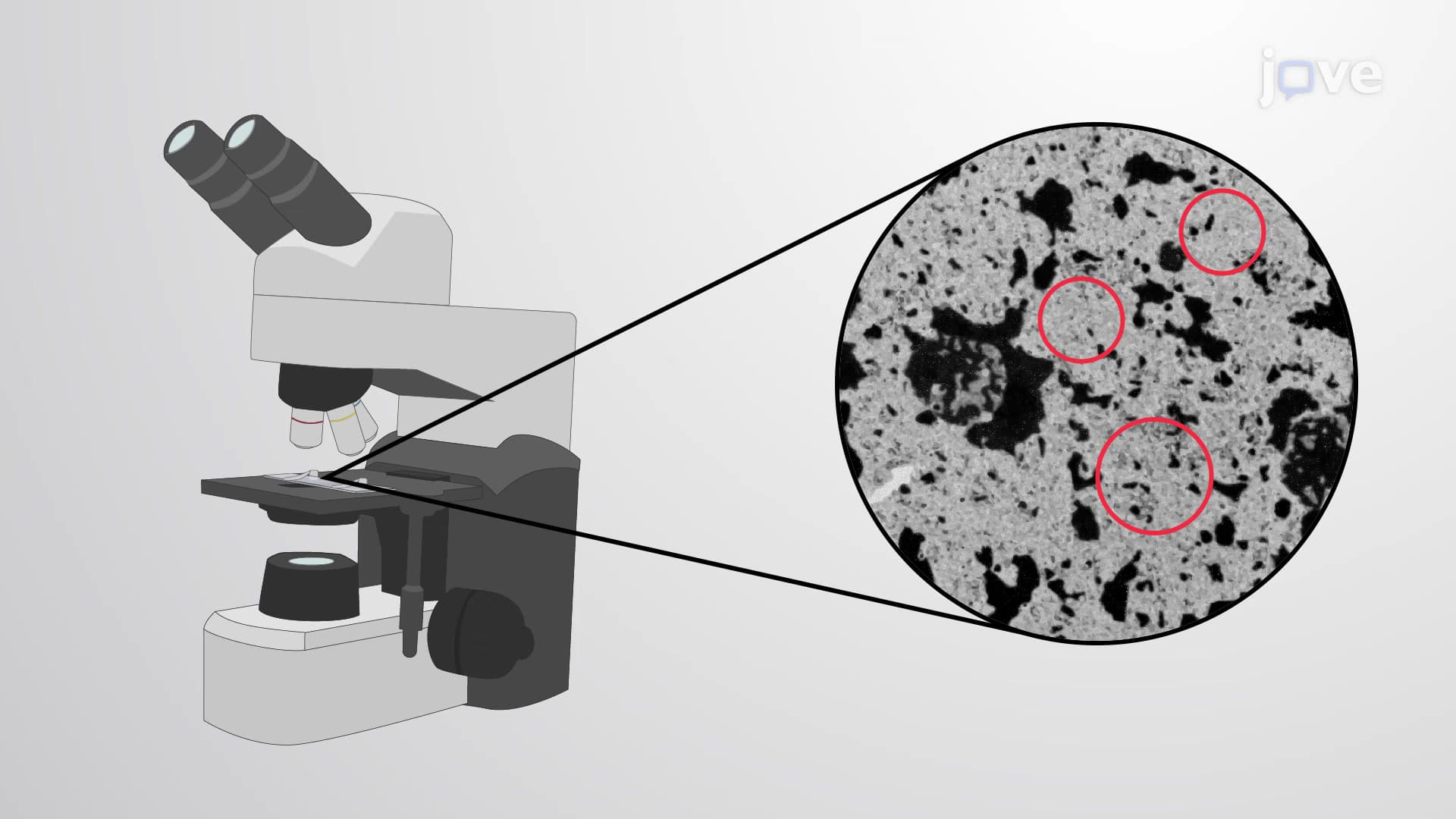
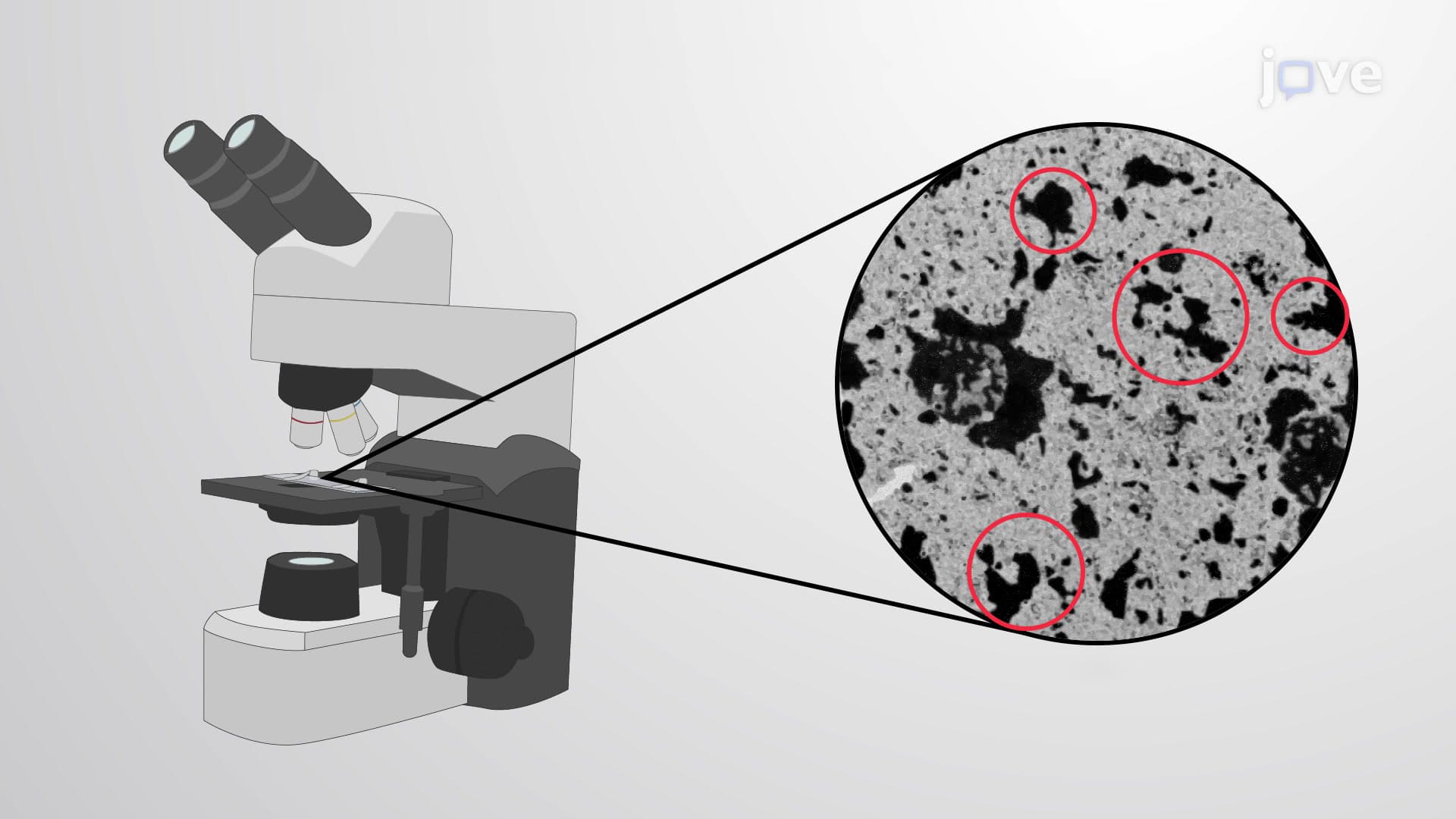
The centromere consists of two distinct domains: the centromere core containing CENP-A nucleosomes, and the surrounding pericentric heterochromatin enriched with methylated histone H3. This organization resembles a molecular bulls-eye, with CENP-A marking the precise attachment site for kinetochores-protein complexes that connect chromosomes to spindle fibers.
Centromere complexity varies dramatically across organisms. Budding yeast (*Saccharomyces cerevisiae*) employs "point centromeres"-minimalist structures containing just one CENP-A nucleosome surrounded by approximately 125 base pairs of AT-rich DNA. These simple centromeres attach to single spindle microtubules, reflecting yeast's streamlined cellular architecture.
Human centromeres represent the opposite extreme. Regional centromeres span up to 5 megabases, containing alternating blocks of CENP-A nucleosomes and dimethylated H3 nucleosomes embedded within repetitive alpha satellite DNA sequences. This complex organization reflects the challenge of accurately segregating 46 chromosomes-a task requiring robust, redundant attachment sites.
The timing of CENP-A incorporation varies between species, highlighting evolutionary adaptations to different cell cycle demands. Humans load CENP-A between anaphase and G1 phase, while plants accomplish this during late G2. This temporal precision prevents premature kinetochore assembly, which could trigger checkpoint arrests or chromosome missegregation.
Understanding centromeric histone variants proves crucial for AP Biology students studying cell division mechanisms and college students preparing for advanced genetics courses. MCAT test-takers frequently encounter questions about chromosome structure and segregation, making centromere biology a high-yield topic. Research institutions like the National Cancer Institute study how centromere defects contribute to genomic instability in cancer, demonstrating this concept's clinical relevance.
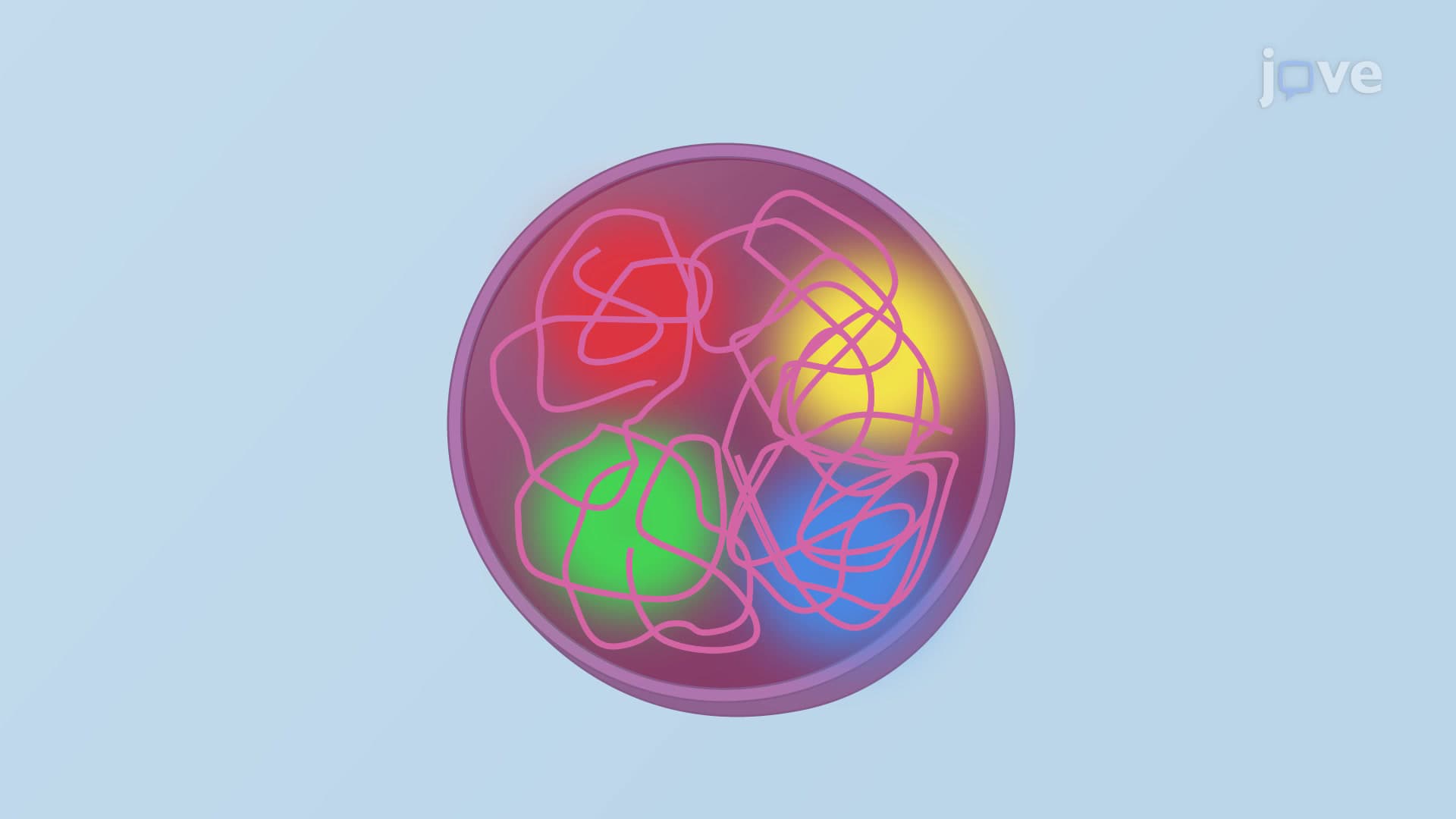
The three-dimensional organization of centromeric chromatin ensures CENP-A nucleosomes remain accessible to kinetochore proteins while maintaining chromosome structural integrity-a delicate balance essential for faithful genetic inheritance.
Related Micro-courses