Loading subject page…


286,219 views


Video Summary: What are Polytene Chromosomes
Did you know that some cells can contain thousands of copies of each chromosome packed into giant structures visible under basic microscopes? Polytene chromosomes represent one of nature's most remarkable cellular adaptations, where cells bypass division while continuing DNA replication. These massive chromosomes, first discovered in fruit fly salivary glands at institutions like Cold Spring Harbor Laboratory, reveal chromosome structure details invisible in normal cells. Watch the full video on JoVE Coach to master this concept with expert-led visuals and step-by-step explanations.
Polytene chromosomes represent a fascinating deviation from normal cell division patterns, offering unique insights into chromosome structure and gene regulation. Unlike typical diploid cells that duplicate DNA before dividing, certain specialized cells undergo multiple rounds of DNA replication without subsequent cell division, creating polyploid conditions with extraordinary consequences.
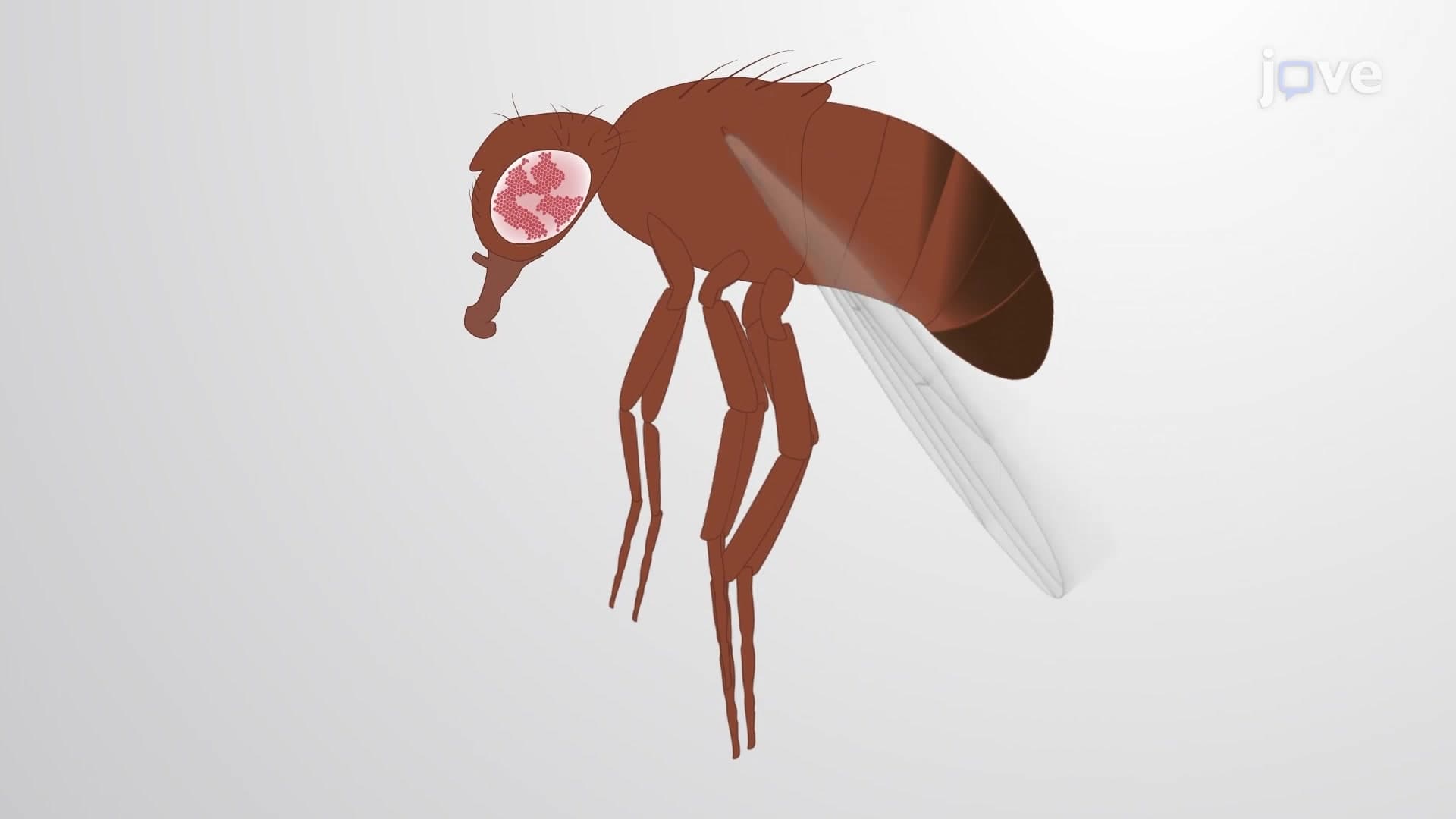
The formation process begins when cells enter what researchers call the endocycle-a modified cell cycle lacking the mitotic phase. This phenomenon occurs naturally in specific tissues where cell growth, rather than cell number increase, drives development. In Drosophila salivary glands, this process reaches extreme levels, producing cells containing 1,000-2,000 copies of each chromosome aligned in perfect register.
This endoreplication strategy serves important biological functions. Large secretory cells, like those in insect salivary glands, require massive protein production capabilities. The amplified gene copies provide the raw material for increased transcription, enabling these cells to meet their specialized metabolic demands.
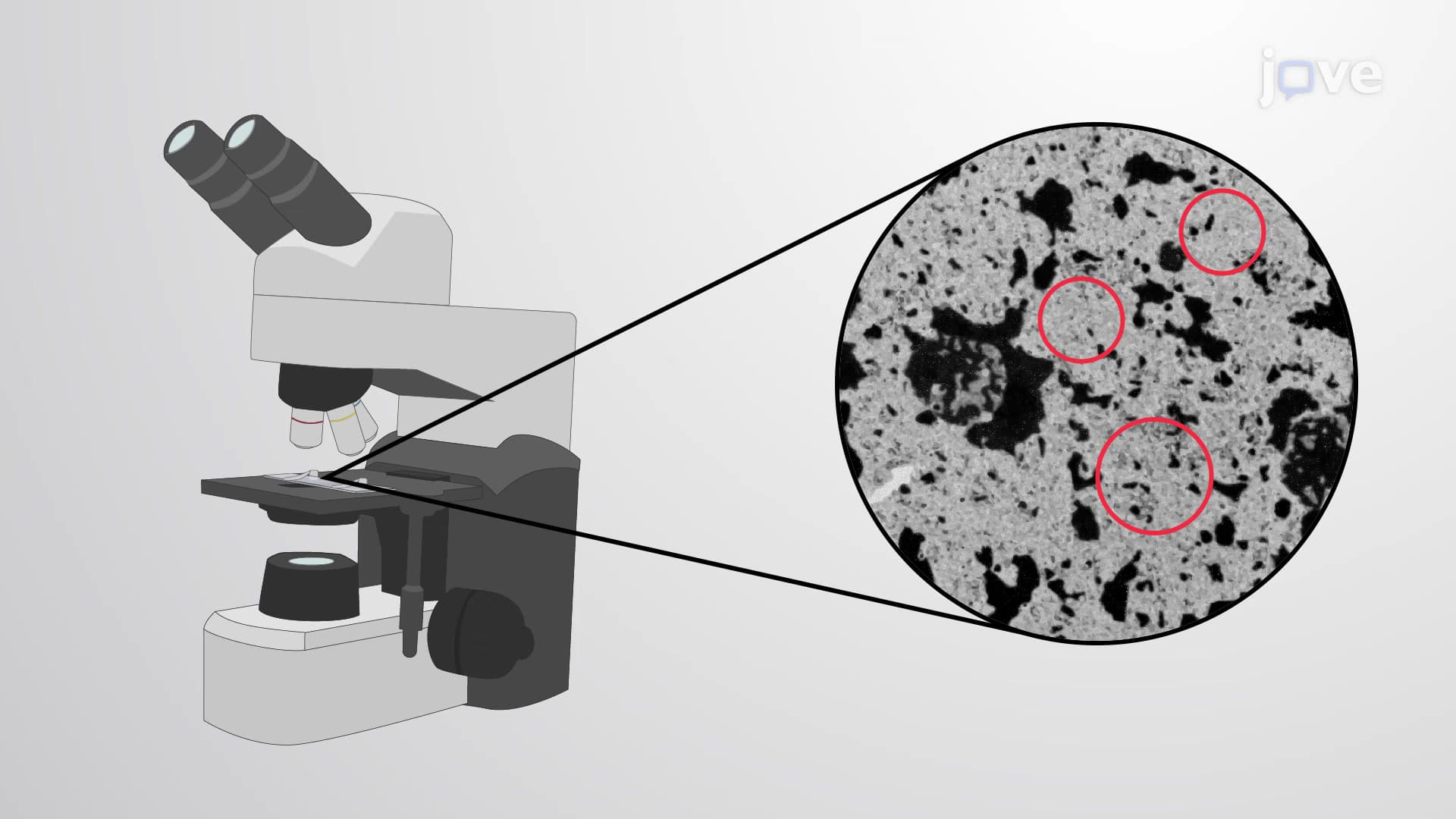
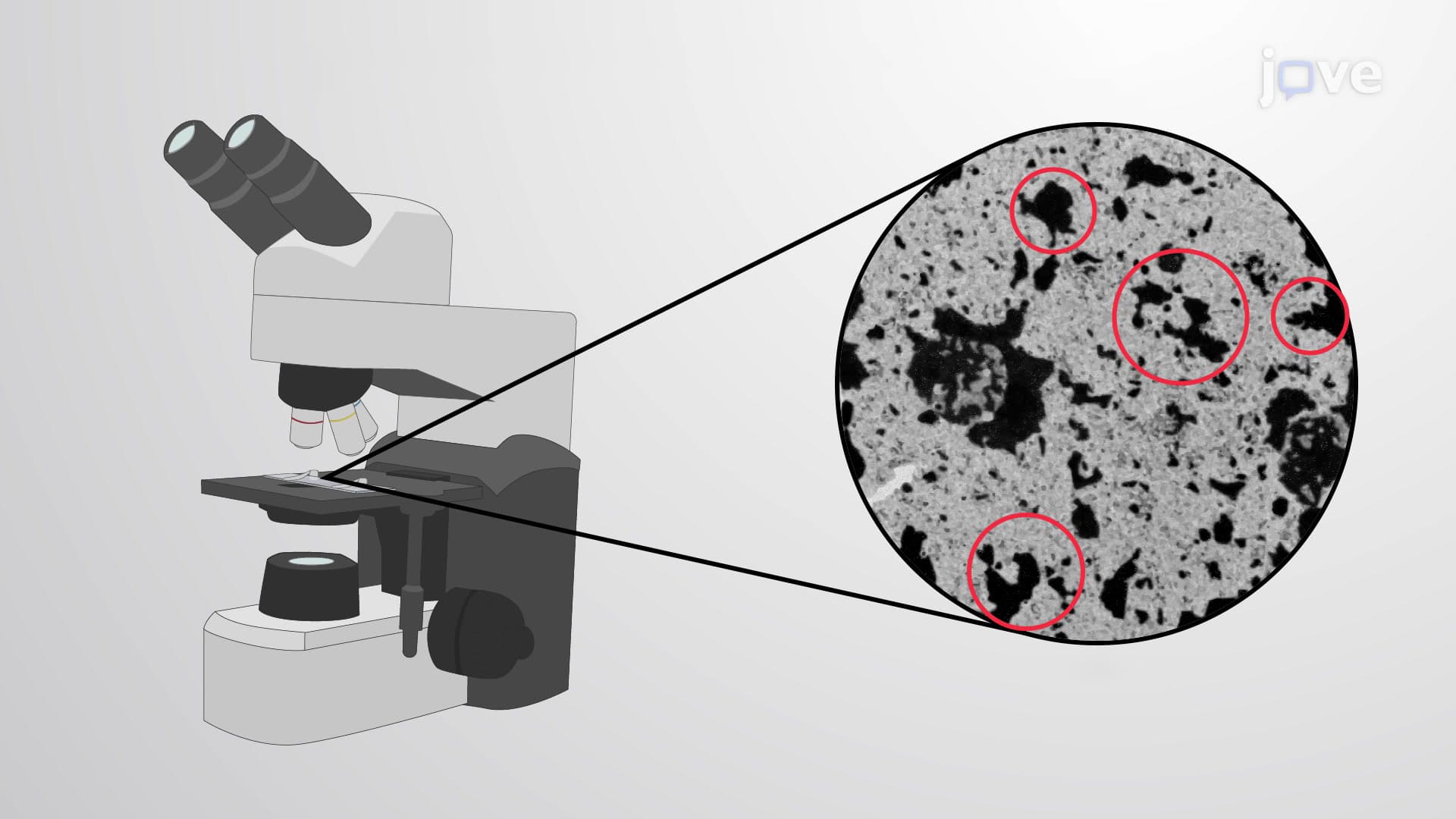
The most striking feature of polytene chromosomes is their distinctive banding pattern, clearly visible under standard light microscopy. These alternating dark bands and light interbands aren't random-they reflect the underlying chromatin organization and transcriptional activity levels.
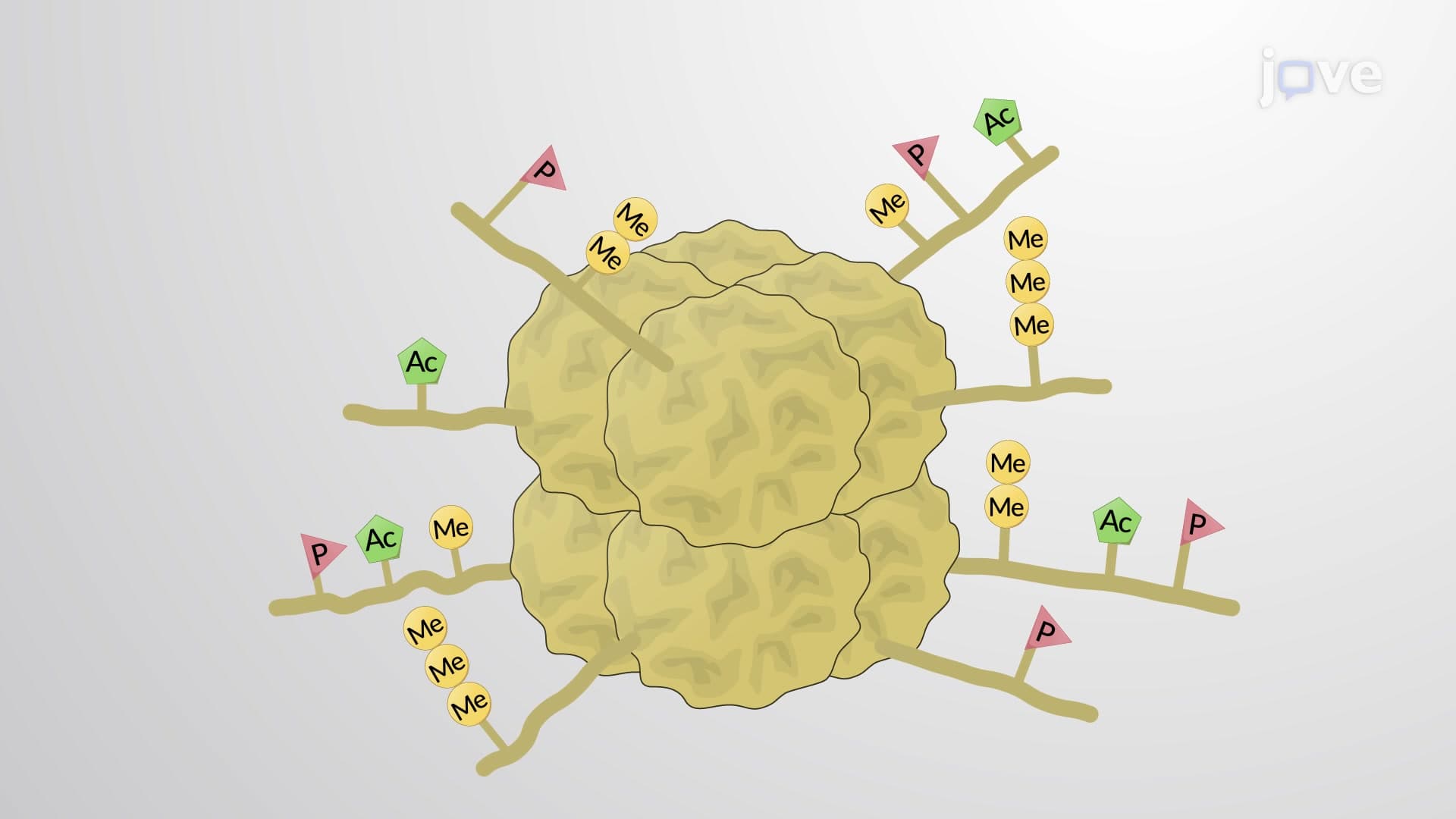
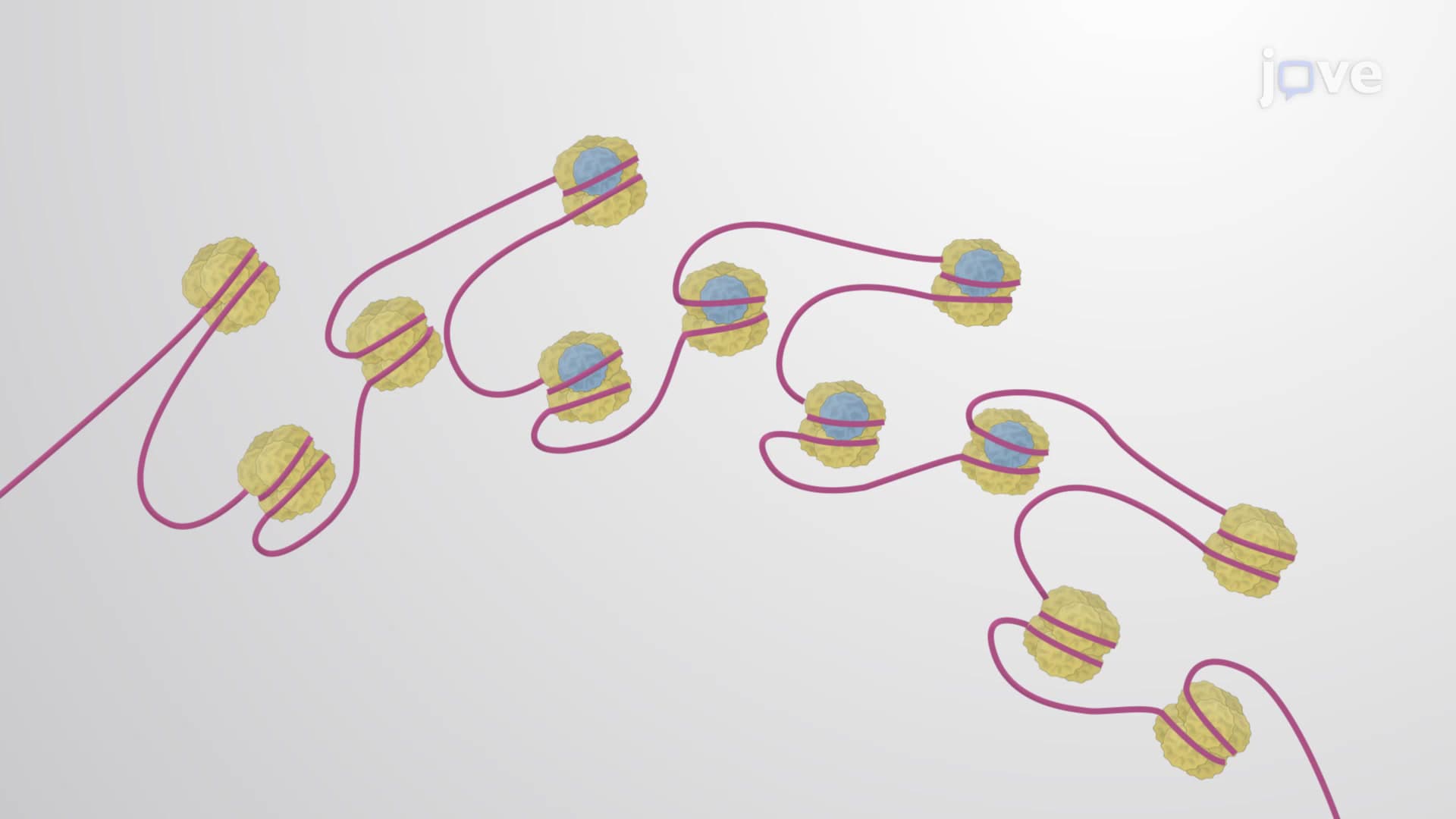
Dark bands, comprising approximately 95% of the chromosome's DNA content, contain highly condensed, transcriptionally silent chromatin. This condensation makes genes largely inaccessible to transcriptional machinery. Conversely, the lighter interbands, representing only 5% of DNA content, maintain decondensed chromatin structures that support active transcription.
Perhaps the most remarkable aspect of polytene chromosomes is the formation of puffs-dramatically enlarged regions that appear during specific developmental stages. These structures, also called Balbiani rings when particularly large, represent sites of intense transcriptional activity where chromatin decondenses to accommodate RNA polymerase machinery.
Students preparing for AP Biology exams or college genetics courses should understand that puffs provide direct visual evidence of gene expression regulation. As Drosophila larvae progress through developmental stages, different puff patterns emerge, reflecting the changing transcriptional programs required for metamorphosis.
Polytene chromosomes have proven invaluable for genetics research and education. Their large size and clear banding patterns make them excellent teaching tools for demonstrating chromosome structure concepts typically invisible in standard preparations. Many university genetics laboratories use Drosophila salivary gland preparations to help students visualize these principles firsthand.
For MCAT preparation, understanding polytene chromosomes helps reinforce broader concepts about gene regulation, developmental biology, and specialized cellular adaptations-topics frequently tested in biological sciences sections.
Related Micro-courses